Door-to-Door Shipping to Thailand: What the Quote Actually Covers
“Door-to-door” is one of the most used and least defined terms in international freight. Every forwarder offers it. Almost none defines it the same way. The phrase sounds complete. Your goods go from one door to another door, and someone else handles everything in between. In practice, “door-to-door” can mean anything from a genuinely comprehensive pickup-to-delivery arrangement to a sea freight quote with collection bolted on at the front and a vague promise about delivery at the back. Ask three forwarders for door-to-door shipping to Thailand and you may be quoted three different scopes under the same name.
For shipments to Thailand specifically, that gap between expectation and reality matters. The Thai end of the journey has several stages that regularly appear on invoices nobody budgeted for: the container freight station deconsolidation fee for LCL shipments, the Thai customs broker charge, the import duty assessment, and the final delivery from Laem Chabang to an address that might be 130 km away in Bangkok or 780 km away in Chiang Mai.
The Eight Stages of a Door-to-Door Shipment to Thailand
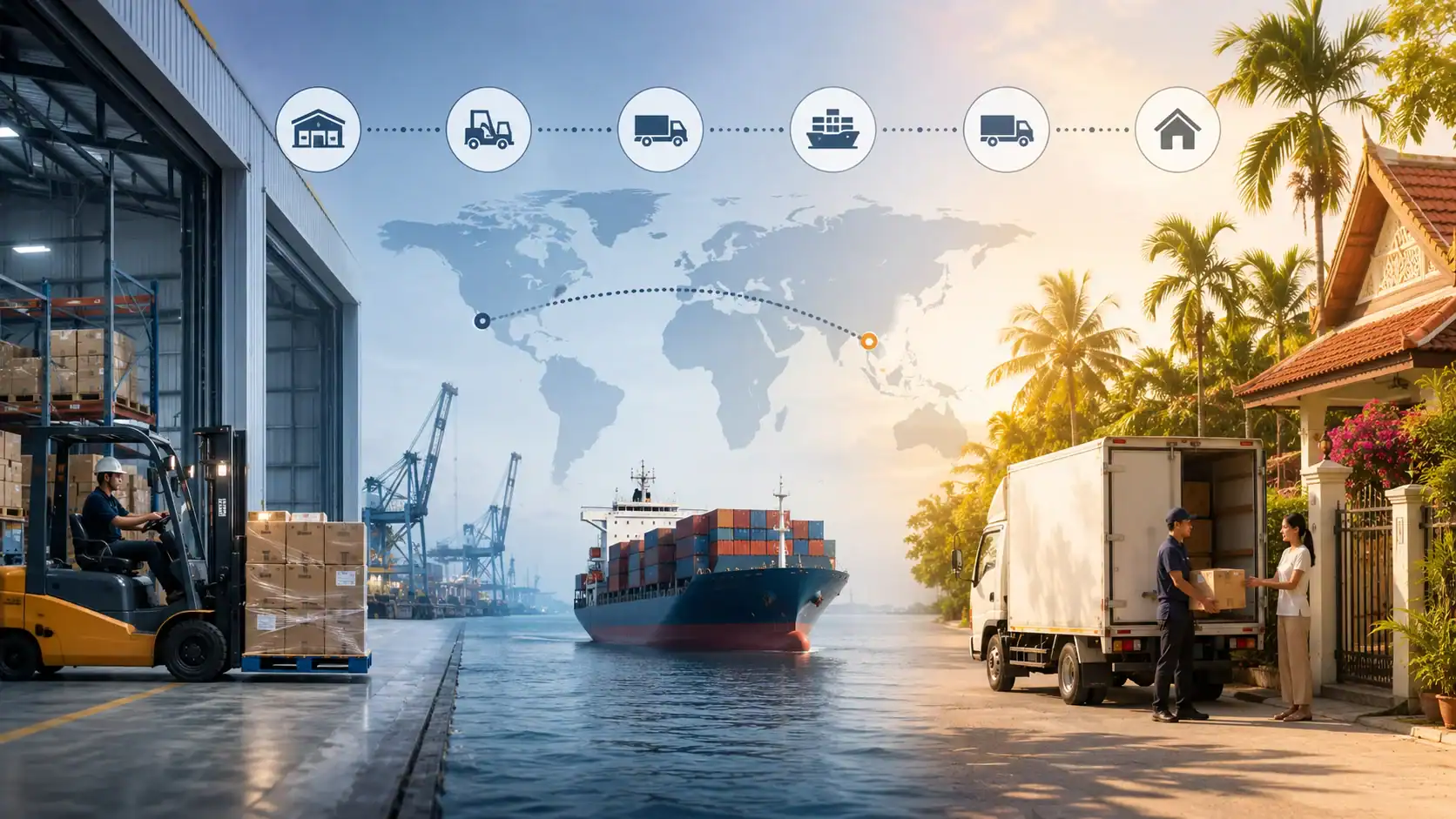
A genuine door-to-door shipment from origin to a Thai address passes through eight distinct stages. Each stage has a responsible party, a cost, and a timeline. The “door-to-door” service a forwarder quotes may include some of these stages and exclude others. Knowing which stages exist is the first step to knowing which ones to ask about.
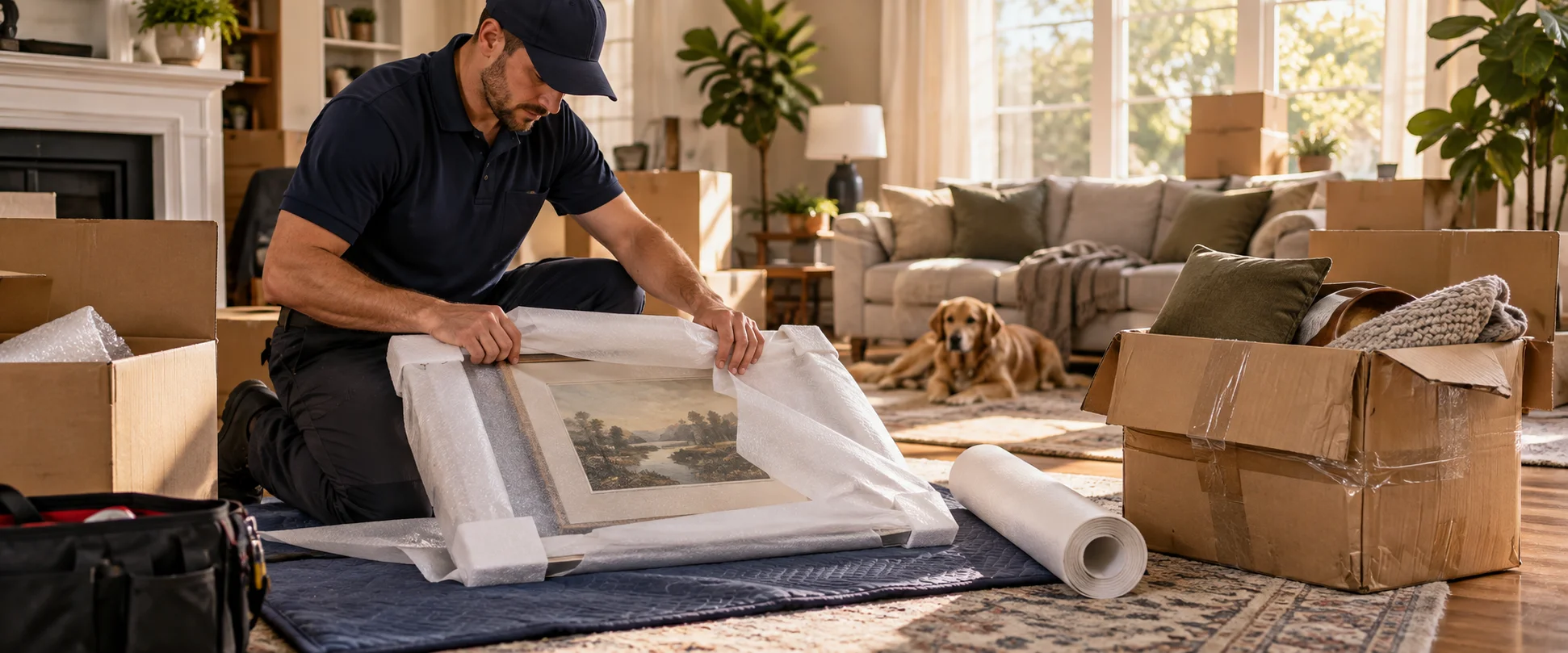
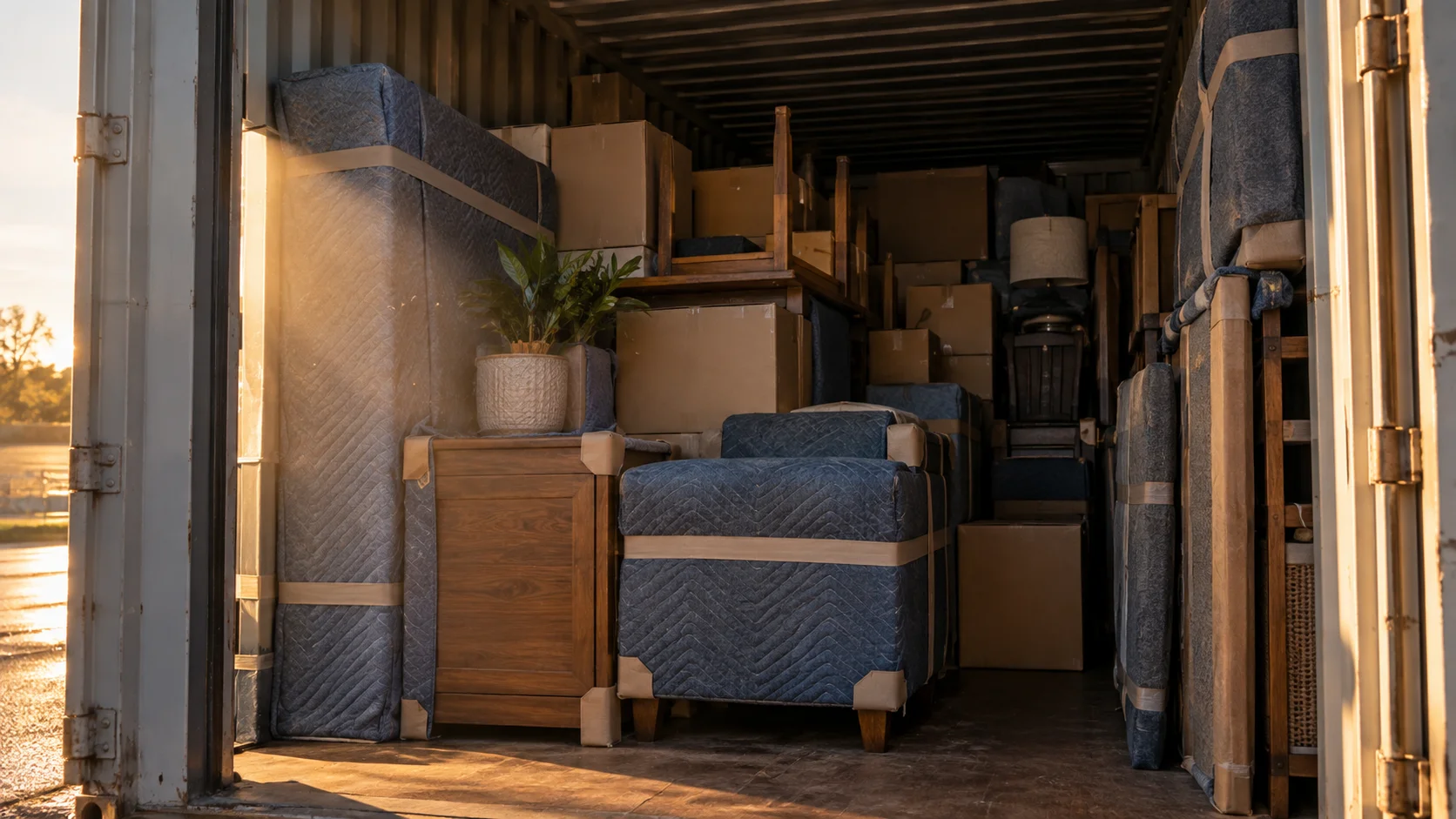
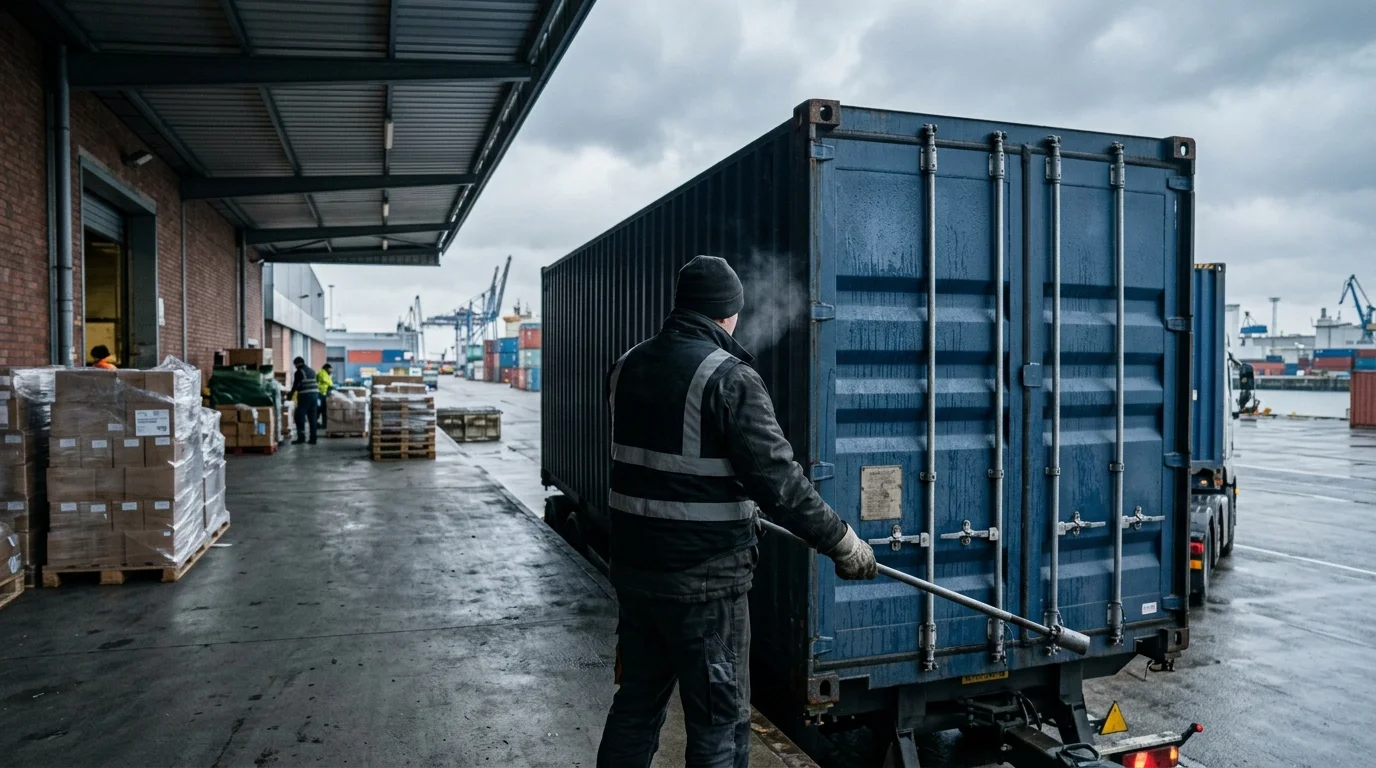
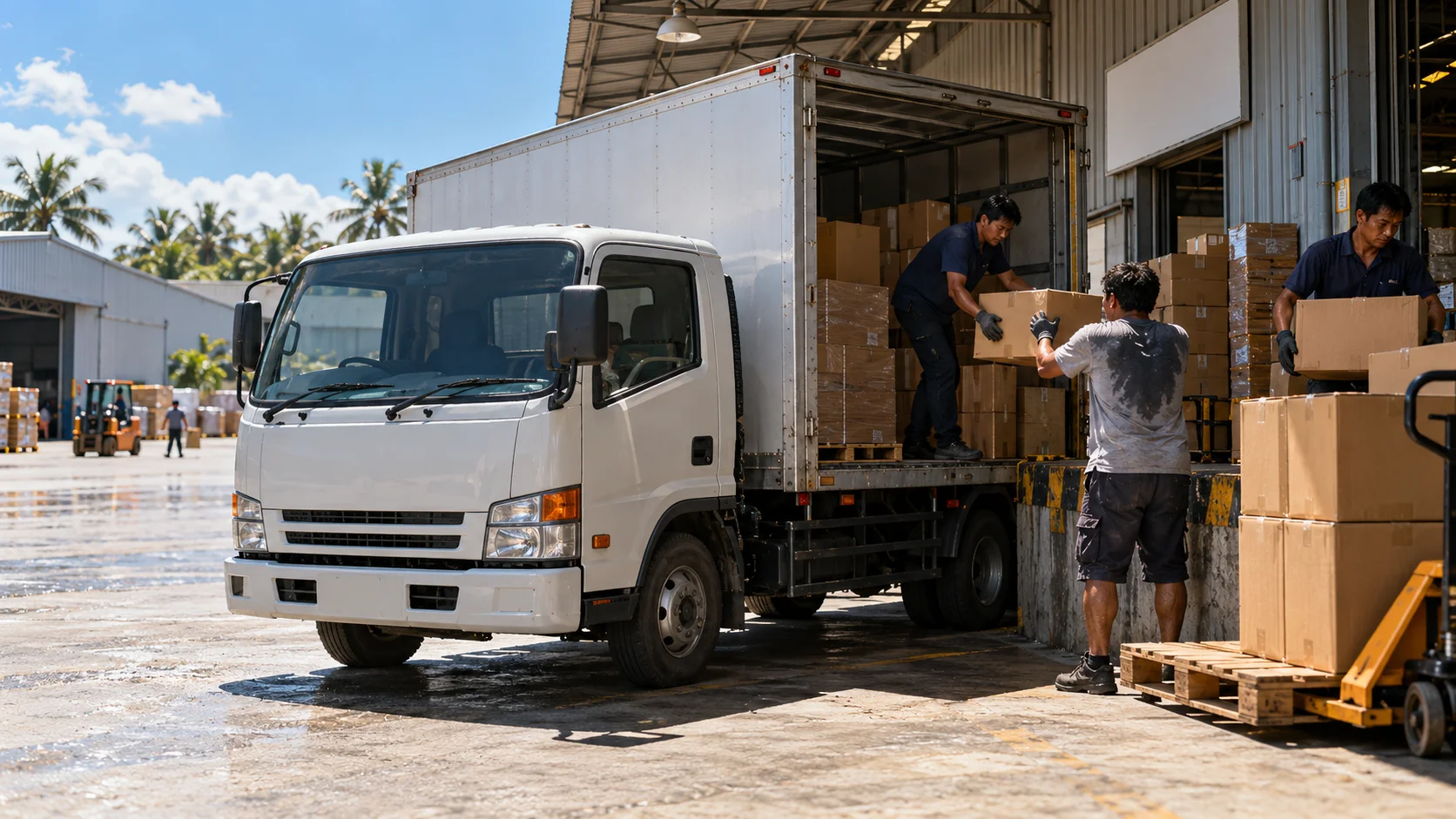
- Collection from your origin address. A truck or removal vehicle arrives at your address, loads your goods, and transports them to the origin port’s container freight station (CFS) or directly to a container at the origin port. For LCL shipments, the goods are loaded into a shared container with other consignments. For FCL shipments, a dedicated container is loaded at the door or at the forwarder’s facility. This stage covers the origin country only.
- Origin export customs clearance. Before your goods can board a vessel, they must be cleared for export under the origin country’s customs regulations. In Australia, this is an export declaration to the ABF (required for most commercial exports above AUD 2,000 in value). In the EU and UK, an export declaration is required for all commercial exports outside the customs territory. The forwarder usually handles export customs on your behalf, but the documentation must come from you: a commercial invoice, packing list, and any required certificates.
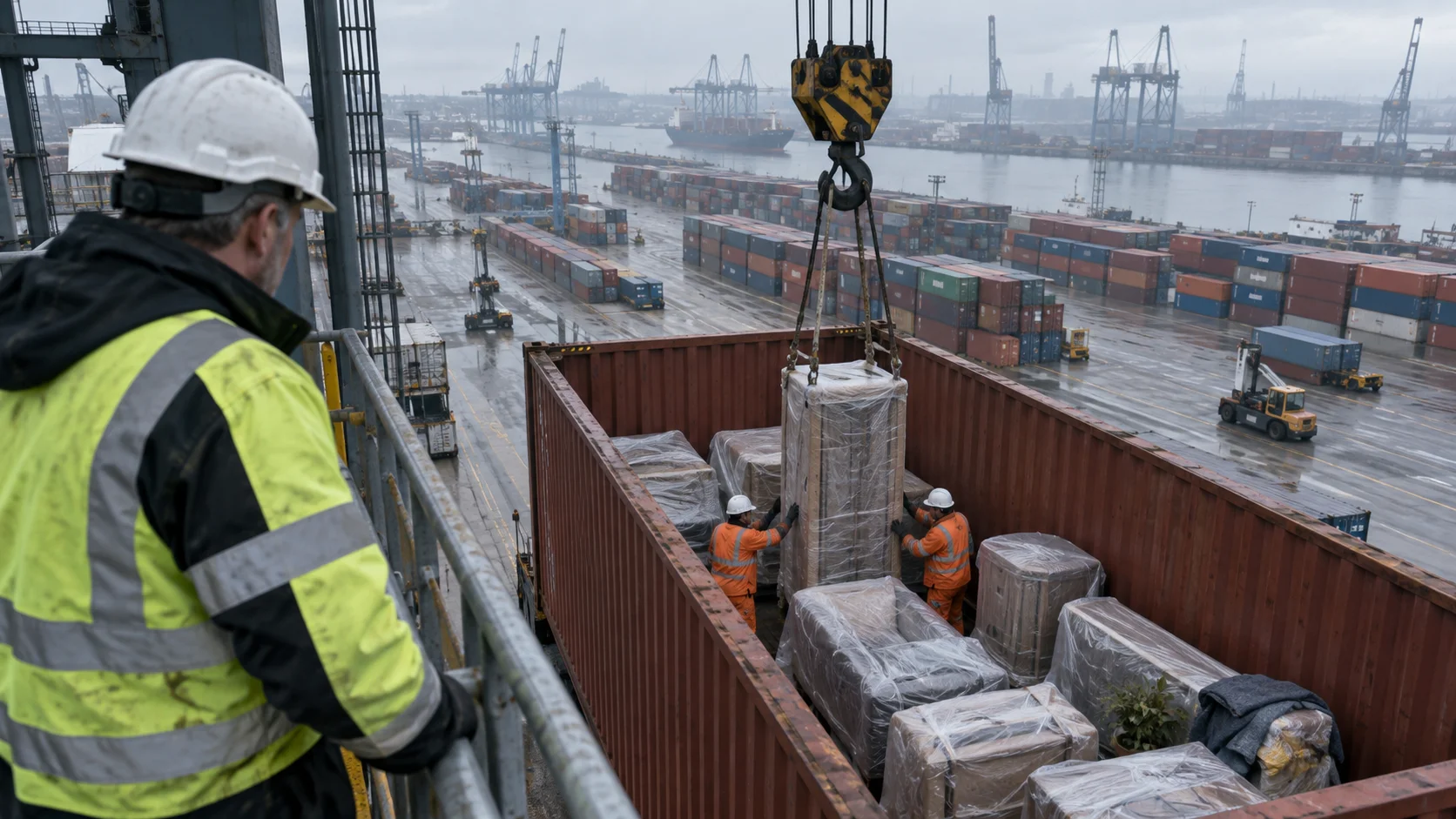
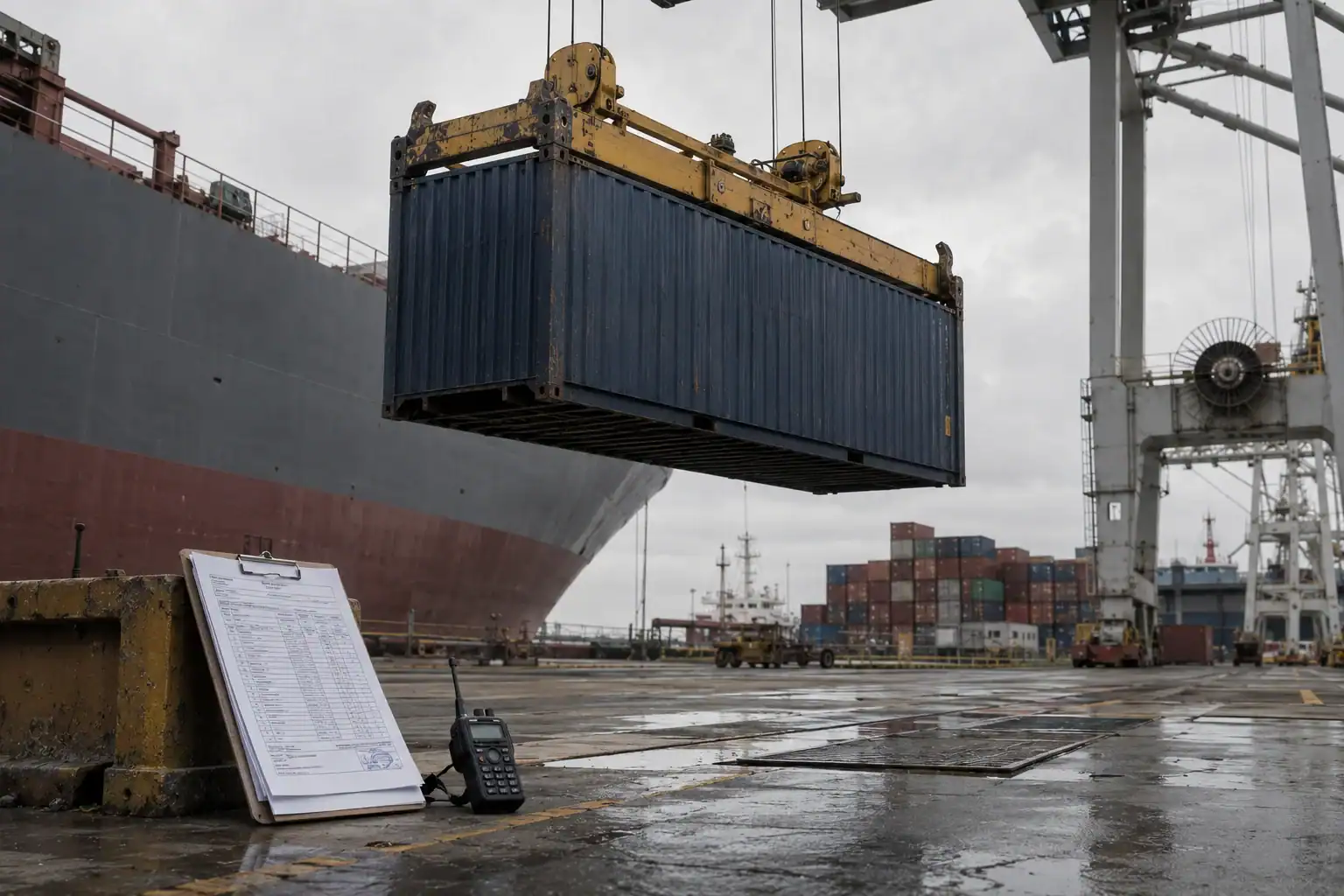
- Port handling and container loading at origin. At the origin port, your goods (or your container, in an FCL scenario) are processed through the terminal and loaded onto the vessel. For LCL shipments, the consolidated container is closed at the CFS and transported to the port. Terminal handling charges (THC) at the origin port are typically included in the freight quote, but you should confirm them.
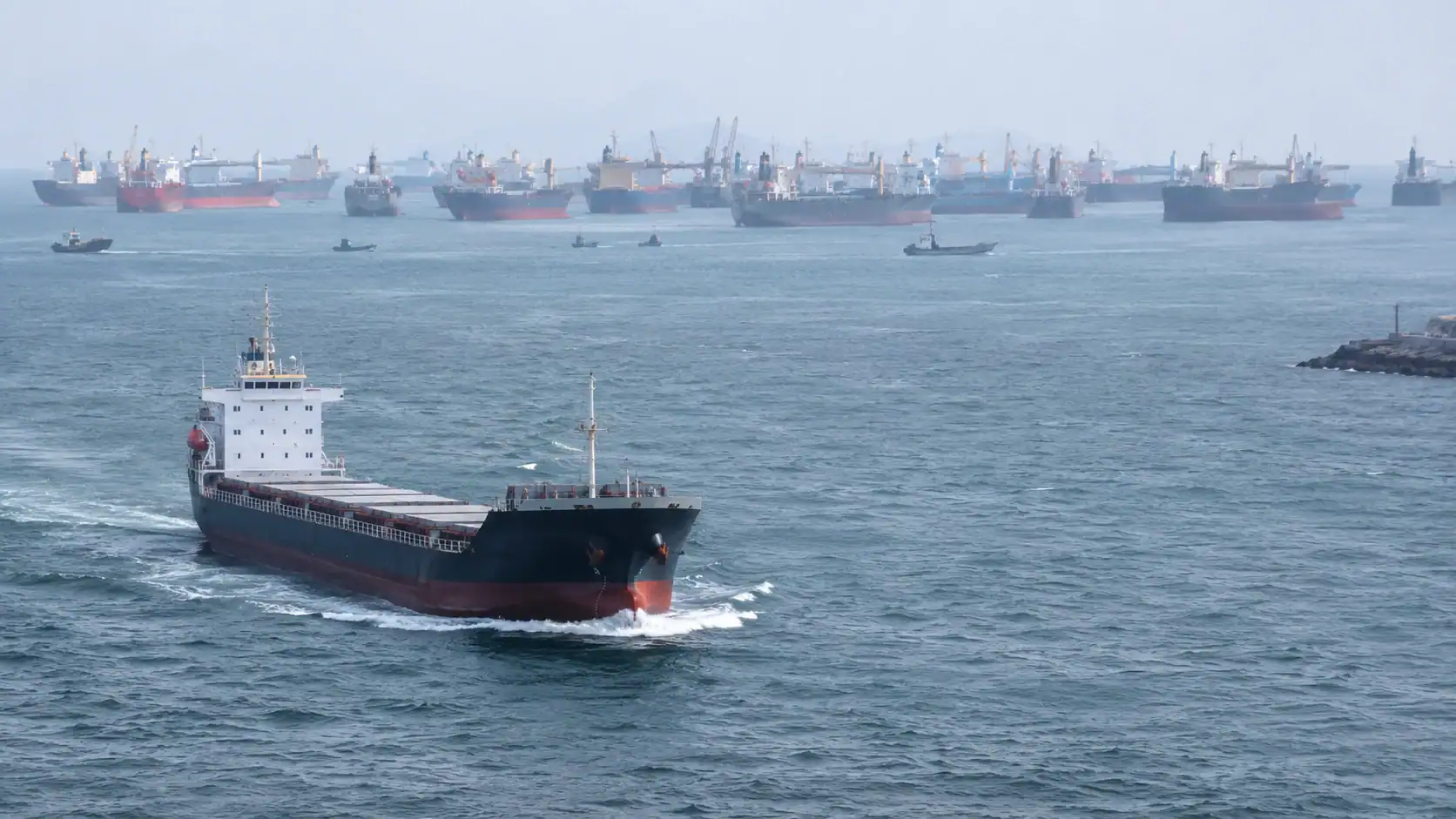
- Sea or air freight transit. The vessel departs the origin port and travels to Thailand. For most routes, the primary arrival point is Laem Chabang, Thailand’s principal deep-water container port, approximately 130 km south of Bangkok on the Eastern Seaboard. Suvarnabhumi Airport handles air freight. This is the stage most people picture when they think of “freight.” But it is stage 4 of 8.
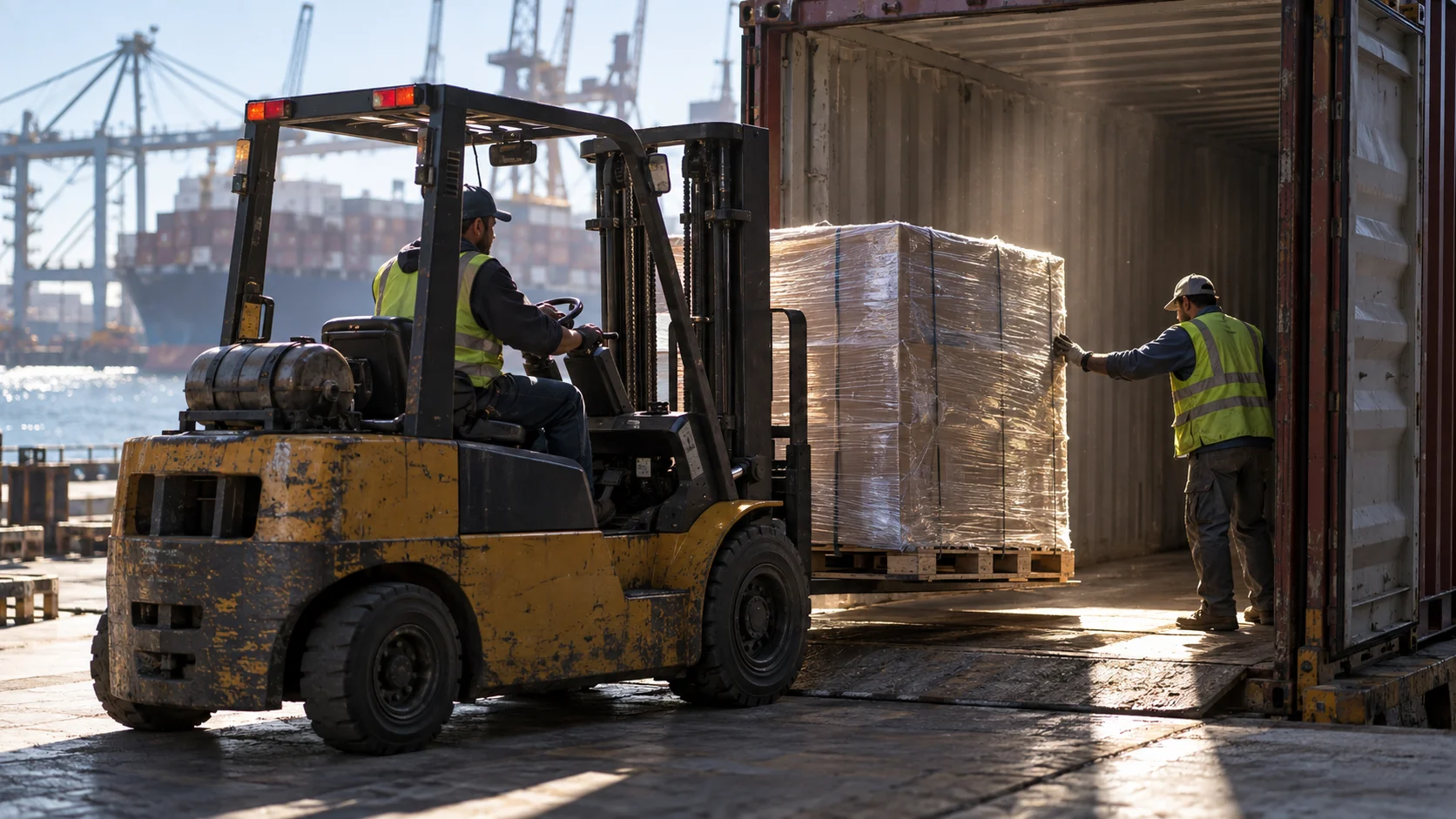
- Arrival at Laem Chabang (or Suvarnabhumi) and terminal processing. When the vessel arrives at Laem Chabang, the container is unloaded from the ship and moved to the terminal yard. For FCL shipments, the container is assigned to a customs examination queue or, if pre-cleared, proceeds to the delivery staging area. For LCL shipments, the consolidated container proceeds to a container freight station (CFS) for deconsolidation. This stage incurs Thailand-side terminal handling charges, which appear on a separate invoice from the freight.
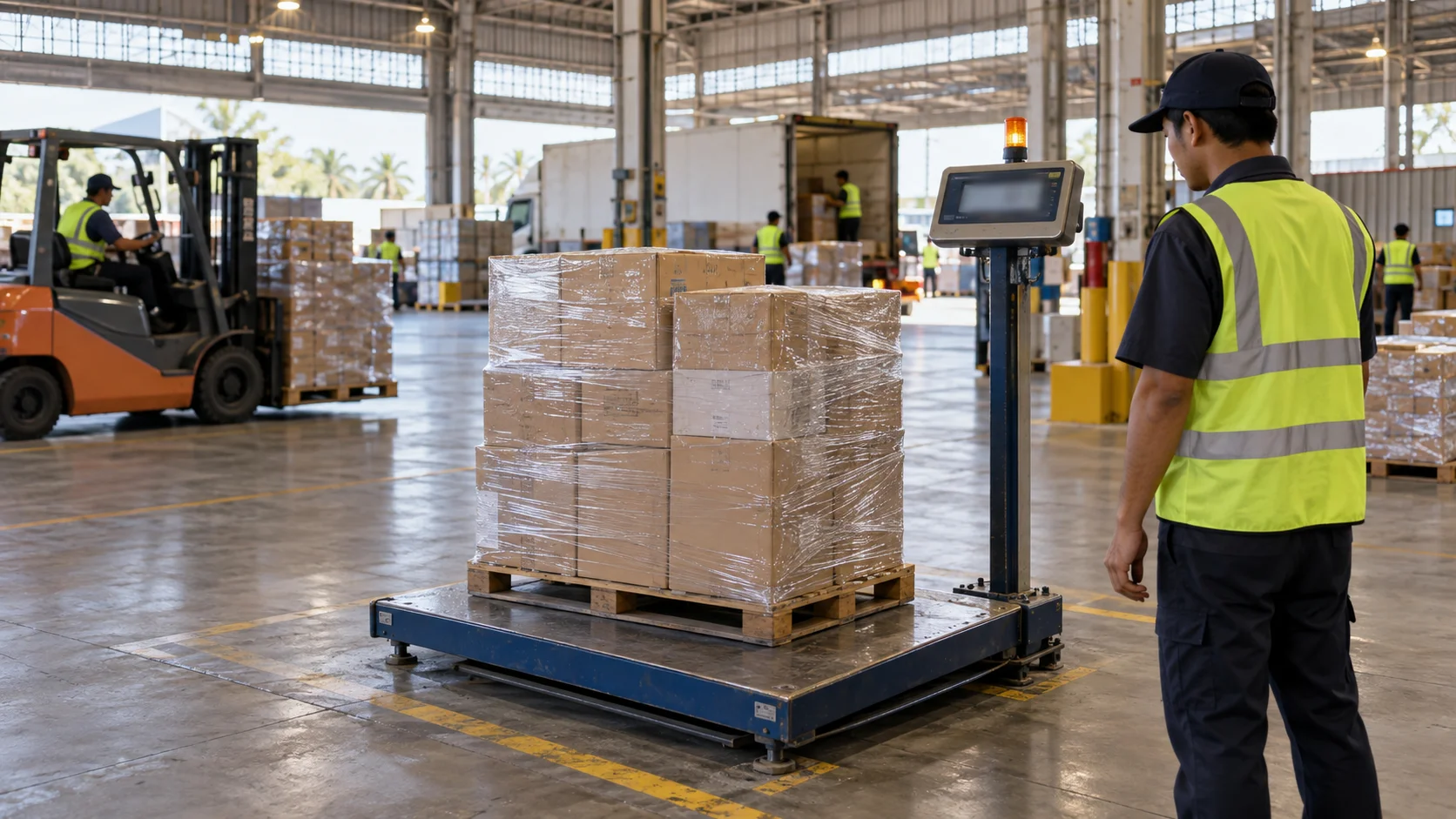
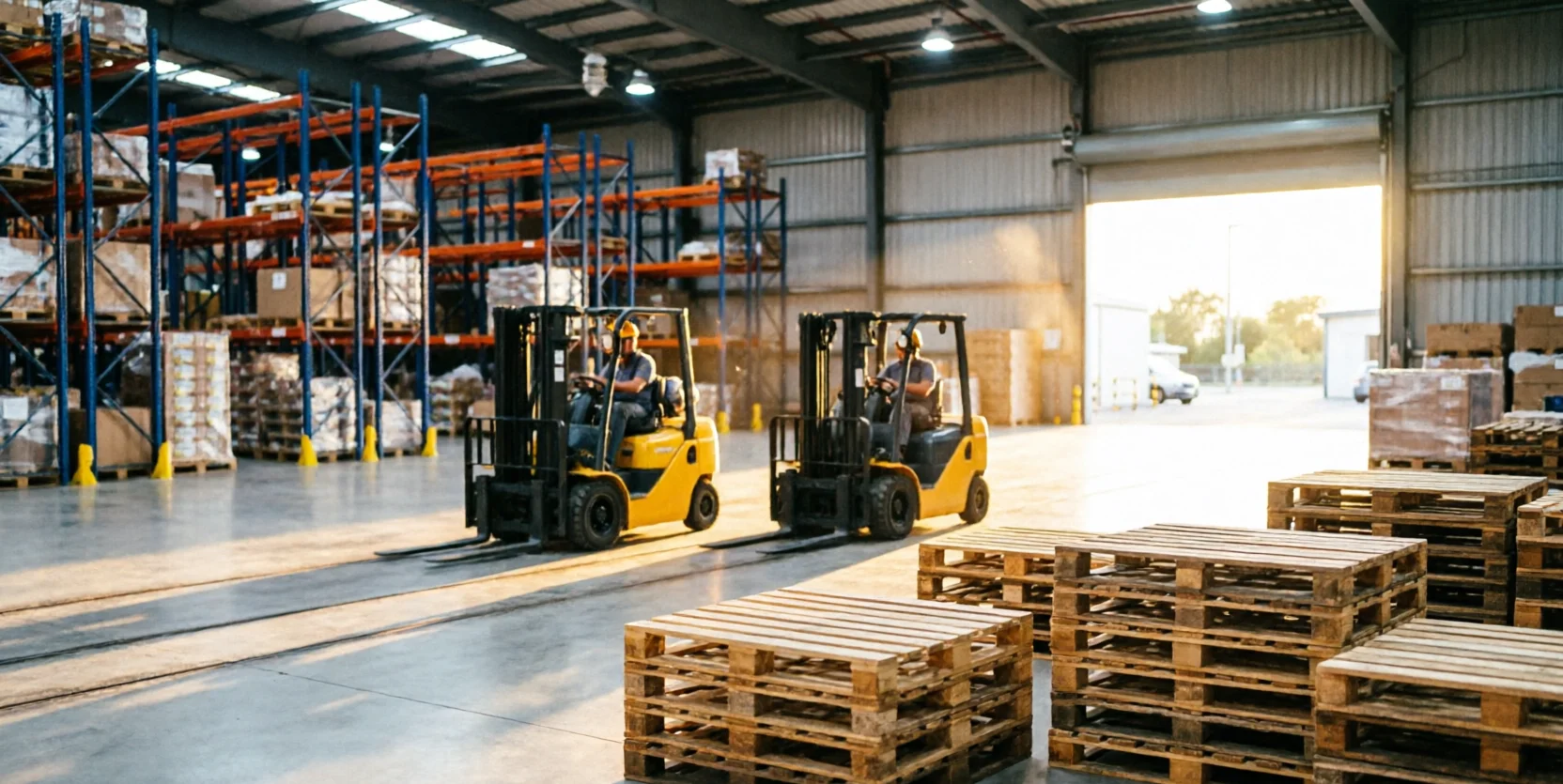
- CFS deconsolidation (LCL shipments only). The shared container is unpacked at the Laem Chabang CFS. Individual consignments are separated, identified, and made available for customs examination. The CFS charges a deconsolidation fee (typically THB 5,000–15,000 depending on volume), which the destination agent bills. This fee is not included in most LCL freight quotes and is one of the most common unexpected costs on Thailand-bound LCL shipments.
- Thai import customs clearance. A licensed Thai customs broker files the import declaration with the Thai Customs Department. For commercial goods, this covers HS classification, declared value, applicable duty rate, and any FTA preference claims. For personal effects, it covers the duty relief claim if applicable. Customs may release the goods immediately (green channel) or refer them for physical examination (red channel). The destination agent or broker bills the customs broker fee (typically THB 3,000–8,000) separately from the freight.
- Final delivery from Laem Chabang to the destination address. Once customs releases the goods, a truck delivers them from the Laem Chabang port area to the consignee’s Thai address. The delivery cost depends on distance from the port. Bangkok is approximately 130 km; Chiang Mai is approximately 780 km; Phuket is approximately 900 km. This delivery cost is the most variable destination charge. It is frequently left out of a “door-to-door” freight quote that terminates at the Thai port rather than the Thai door.
What a “Door-to-Door” Quote Typically Includes and Excludes
No industry standard defines what a “door-to-door” freight quote to Thailand must include. The term is a service description, not a regulated scope. In practice, the coverage varies between forwarders and between quotes from the same forwarder for different route types.
The table below compares what a genuine full-service door-to-door quote to Thailand should include with what is commonly excluded:
| Stage | Included in most full door-to-door quotes? | Commonly excluded or billed separately |
|---|---|---|
| Collection from origin address | Usually ✓ | Sometimes capped at a distance limit from the CFS |
| Origin export customs clearance | Usually ✓ | Sometimes billed separately; document preparation fee may be extra |
| Origin port terminal handling (THC) | Usually ✓ | Sometimes a separate line at invoicing |
| Sea or air freight | Always ✓ | Bunker surcharges / fuel surcharges may be added at invoicing |
| Destination terminal handling (Laem Chabang THC) | Sometimes ✓ | Often billed by destination agent separately |
| CFS deconsolidation fee (LCL) | Rarely ✓ | Almost always billed separately by destination agent |
| Thai customs broker fee | Sometimes ✓ | Often billed separately: THB 3,000–8,000 |
| Thai import duty and VAT | Rarely ✓ | Almost always for consignee’s account |
| Final delivery to Thai address | Sometimes ✓ | Often excluded or limited to Bangkok metro; distance surcharge applies |
The stages most reliably included in a full door-to-door quote are collection, origin customs, and sea freight. The stages most reliably excluded are the CFS deconsolidation fee, the Thai customs broker charge, and final delivery beyond the port area. When comparing quotes from different forwarders, you are often comparing different scopes, not different prices for the same service.
LCL vs FCL: How the Process Differs at the Thai End
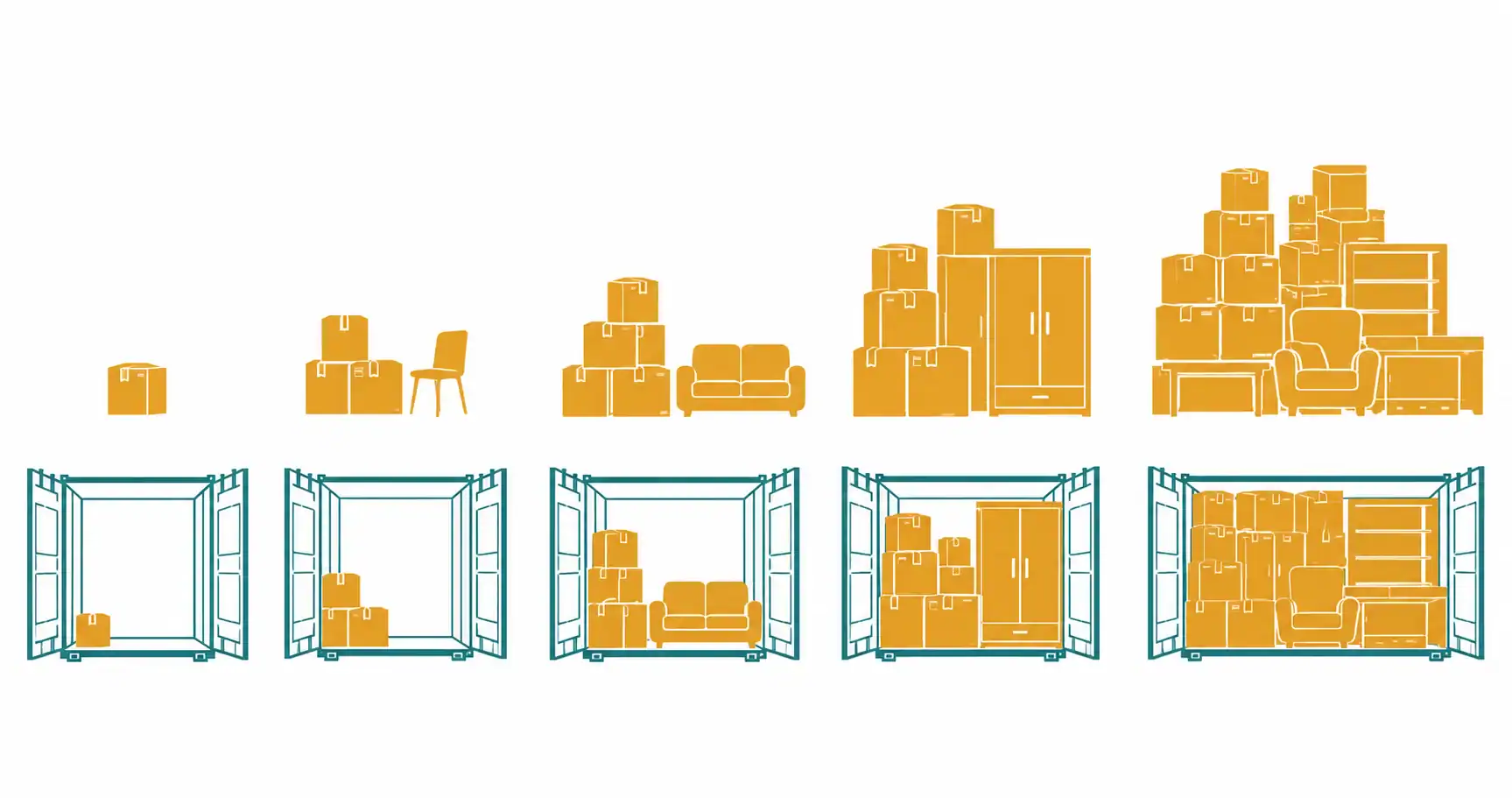
Your shipment can move as LCL (a shared container, charged per CBM) or FCL (a dedicated container). That choice affects both the process at the Thai end and the total destination cost. To estimate your own move’s volume in CBM, see the CBM size guide.
For container sizing specifics and full FCL cost scenarios, see shipping a container to Thailand: 20ft vs 40ft.
LCL door-to-door to Thailand
An LCL shipment arrives at Laem Chabang inside a consolidated container shared with goods from other shippers. Before your goods can proceed to customs and then to delivery, the shared container must be deconsolidated at a container freight station (CFS). The CFS unpacks the container, identifies each consignment, and stages it for customs examination. This adds 3–7 days to the Laem Chabang processing time and a deconsolidation fee that is almost always billed separately.
For LCL shipments, “door-to-door” always includes a CFS stage that door-to-port quotes leave out. When you budget an LCL door-to-door shipment to Thailand, always estimate the CFS deconsolidation fee, the Thai customs broker fee, and the final delivery from Laem Chabang. Include them in the total whether or not they appear in the initial freight quote.
FCL door-to-door to Thailand
A full container load arrives at Laem Chabang as a sealed unit. Your container goes directly from the vessel to the terminal yard to the customs examination area without passing through a CFS. Thai customs can examine the container (either physically or via document review) and then release it for delivery. The delivery vehicle takes the container (or the unpacked contents, in a break-bulk delivery) directly to the destination address.
The FCL process at the Thai end is simpler and faster, and it avoids the CFS deconsolidation fee. For shipments of 15 CBM or more, this cost difference often makes FCL competitive with LCL on total door-to-door cost, even before the per-CBM freight rate comparison.
The LCL vs FCL guide sets out a detailed framework for the decision. Its economics apply equally to Thailand-bound shipments, including how the CFS fee affects the volume crossover point.
What Thai Customs Requires from You
Thai customs clearance is the stage of the door-to-door process where the consignee (you, or your Thai entity) must actively participate, even in a full-service door-to-door arrangement. Your customs broker can file the declaration, but they cannot create the documents. Those must come from you or your supplier.
For a standard commercial shipment to Thailand, the Thai customs broker requires:
- Commercial invoice: from the seller, stating the goods, quantity, unit price, total CIF value, and the buyer’s name and Thai address. The declared value is the basis for duty assessment. Thai customs can query or reject declared values they consider understated relative to reference values for the goods category.
- Packing list: itemised by carton, with gross and net weights and dimensions. Customs uses it for examination and to verify the commercial invoice quantities.
- Bill of lading or airway bill: the transport document issued by the carrier or forwarder. The original bill of lading (for sea freight) must be surrendered or a telex release confirmed before customs will process the import entry.
- Certificate of Origin: required to claim a preferential duty rate under ASEAN-related FTAs (ATIGA, AANZFTA, ACFTA, JTEPA, etc.). Without a valid Certificate of Origin, the standard Thai MFN duty rate applies.
- Import licence or permit: for controlled goods categories (food, cosmetics, medical devices, chemicals, firearms, certain textiles). The Thai FDA, Thai Customs, or the relevant ministry may require a pre-import permit or a post-import notification depending on the goods type. This requirement sits with the importer, not the forwarder.
Personal effects shipments are household goods and personal belongings shipped as part of a change of residence. For these, Thai customs requires the consignee’s Thai residency documentation and a detailed packing inventory describing each item and its approximate age and value. The required documents guide for shipping to Thailand covers commercial and personal effects documentation requirements in full.
Transit Time Door-to-Door to Thailand by Route
The transit time quoted on most freight websites and comparison tools is out of date for Thailand-bound shipments. The Red Sea crisis has rerouted the majority of container shipping between Europe, the Indian Ocean, and Asia via the Cape of Good Hope since late December 2023, when Maersk and other major carriers began diverting vessels. The Cape adds 8–14 days to the voyage compared with the Suez schedules most published transit times still assume. Carriers have been moving individual services back to Suez since December 2025, but Sea-Intelligence rated the Europe-to-Asia leg only 38% normalised for September 2026, so the Europe and UK rows below assume Cape routing.
Current door-to-door transit estimates to Thailand:
| Origin region | Sea freight door-to-door | Air freight door-to-door | Key variable |
|---|---|---|---|
| Australia (east coast) | 18–30 days | 5–8 days | Thai customs clearance speed (3–10 working days) |
| Australia (west coast) | 16–25 days | 5–8 days | Fewer direct services; may transship Singapore |
| USA (West Coast) | 25–40 days | 5–10 days | Transpacific transit + Thai customs |
| USA (East Coast) | 35–50 days | 7–12 days | Canal or Cape route; transshipment |
| Europe (North) | 44–87 days | 7–12 days | Cape rerouting adds 8–14 days vs Suez routing |
| Europe (Mediterranean) | 42–83 days | 7–12 days | Cape rerouting; fewer direct services |
| UK | 44–87 days | 7–12 days | Cape rerouting; same as Northern Europe |
These transit times include origin collection, export preparation and the wait for a vessel (allow 5–10 days for FCL or 7–14 for LCL), sea transit, CFS deconsolidation for LCL (3–7 days), Thai customs clearance (3–10 working days, about 3–14 calendar days, the most variable stage), and final delivery (1–3 days). The Europe and UK rows add up the fastest FCL and slowest LCL figure for every stage. On a sailing your forwarder confirms is going via Suez, allow 36–73 days from northern Europe or the UK and 34–69 days from the Mediterranean. The other rows are typical ranges, so a slow LCL shipment that is physically inspected can run past their upper end. Songkran (13–15 April) adds 3–5 days if your shipment arrives in that window. Budget 90 days from packing to delivery for European-origin shipments if you have a hard arrival deadline.
The shipping time to Thailand guide breaks down how long each stage takes, port by port and route by route, including the post-rerouting reality.
Incoterms and How They Relate to Door-to-Door
Incoterms are the internationally standardised trade terms published by the International Chamber of Commerce. They define who (buyer or seller) is responsible for costs and risks at each point in a shipment. They set out how the contract allocates responsibility, not just the physical scope of the service.
Three Incoterms are most relevant to Thailand-bound door-to-door freight:
- DDP: Delivered Duty Paid. The seller or forwarder delivers the goods to the named place in Thailand (your address) and pays all costs including import duties, taxes, and VAT. This is true door-to-door with no unexpected invoices for the buyer. DDP is increasingly popular for B2B e-commerce shipments to Thailand. It requires the forwarder to act as the Thai importer of record, which most international freight forwarders can arrange but not all do.
- DAP: Delivered At Place. The seller or forwarder delivers to the named place in Thailand but does not pay import duties or taxes. Thai customs duty and VAT are for the buyer’s account. Many “door-to-door” freight services to Thailand operate on DAP terms: the freight is managed to your door, but the duty bill arrives separately.
- DDU: Delivered Duty Unpaid. DDU was a formal Incoterm through Incoterms 2000 until the ICC replaced it with DAP in Incoterms 2010, and the term is still widely used in conversation. Like DAP, it means delivery to the door with duty for the buyer’s account.
When a forwarder offers you a “door-to-door” rate to Thailand, ask specifically: is this DDP or DAP? If the answer is DAP, you are responsible for Thai import duty and VAT. If the answer is DDP, confirm that the forwarder has a Thai entity or Thai customs broker relationship that allows them to legally act as the importer of record and pay duty on your behalf. On most door-to-door shipping to Thailand the answer is DAP, so budget Thai duty and VAT separately unless the quote states DDP in writing.
The Cost Components of Door-to-Door Freight to Thailand
For planning purposes, the table below breaks down a typical door-to-door shipment’s costs across the eight stages. These are indicative ranges for an LCL shipment from Australia to Bangkok; absolute values vary by volume, origin, and season.
| Cost component | Indicative range | Usually in the quote? |
|---|---|---|
| Origin collection | AUD 100–400 | Usually ✓ |
| Origin export clearance | AUD 80–200 | Usually ✓ |
| LCL sea freight (per CBM) | USD 60–150/CBM | Always ✓ |
| Destination THC (Laem Chabang) | USD 50–150 | Sometimes ✓ |
| CFS deconsolidation fee (LCL) | THB 5,000–15,000 | Rarely ✓ |
| Thai customs broker fee | THB 3,000–8,000 | Sometimes ✓ |
| Thai import duty (if applicable) | Varies by HS code | Rarely ✓ |
| Final delivery (Laem Chabang to Bangkok) | THB 4,000–9,000 | Sometimes ✓ |
| Marine insurance (optional) | 0.3–0.8% of declared value for commercial cargo; 2–3.5% for household goods | Optional add-on |
The arithmetic behind a tidy door-to-door quote is uncomfortable. Say the headline is USD 1,900 for an LCL consignment from Sydney to Bangkok. That number wins the booking. Then the invoices arrive: a CFS deconsolidation fee at Laem Chabang around THB 8,000, a Thai customs brokerage fee of THB 3,500 to 6,000, duty and VAT if the quote was written DAP rather than DDP, and a final-mile delivery charge the origin agent never mentioned because the Thai partner bills it. The final figure can land 30 to 45 percent above the headline. A door-to-door price stays a marketing number until every one of those lines is written into the quote you actually sign.
The shipping cost to Thailand guide breaks down the full cost of shipping to Thailand, including duty, handling, and final delivery. It also explains the per-CBM rate structure and how the total cost changes at different volume milestones.
Five Questions to Ask Before Accepting a Door-to-Door Quote
These five questions will determine whether a “door-to-door” quote is genuinely comprehensive or whether it terminates somewhere in the middle of the process and leaves you to manage the rest independently.
- “Does this quote include final delivery to my Thai address, or does it terminate at Laem Chabang?” A freight quote that terminates at the port is a door-to-port quote with “door-to-door” branding. The delivery from Laem Chabang to Bangkok costs THB 4,000–9,000; to Chiang Mai, THB 9,000–16,000. These are not small numbers.
- “Is the Thai customs broker fee included, or is it billed separately by the destination agent?” Most forwarders use a Thailand-based destination agent to handle customs. The destination agent bills their customs broker fee separately, typically THB 3,000–8,000. Confirm whether this is inside your door-to-door quote or on a separate invoice.
- “For an LCL shipment, is the Laem Chabang CFS deconsolidation fee included?” The container freight station charges this fee to unpack the shared container and make your goods available for customs. LCL door-to-door quotes almost never include it, and it ranks among the most common unexpected charges on Thailand shipments. Typical range: THB 5,000–15,000.
- “Is this quoted on DDP or DAP terms?” If DAP (or DDU), Thai import duty and VAT are your responsibility. They do not appear in the freight quote, and the customs broker will bill them at clearance time. If DDP, confirm that the forwarder has a Thai entity or licensed importer-of-record arrangement that allows them to legally pay duty on your behalf.
- “What surcharges are not included in this rate, and at what point will they be confirmed?” Sea freight rates include surcharges that are sometimes quoted inclusively and sometimes added at invoicing: bunker adjustment factors, terminal handling charges, peak season surcharges, and others. Ask for a quote that states whether it is all-in or subject to surcharges at the time of booking.
Choosing a Door-to-Door Forwarder for Thailand
A freight forwarder offering a genuine door-to-door service to Thailand must have two things that a basic sea freight quoting tool cannot provide: a reliable Thailand-side destination agent relationship with access to licensed Thai customs brokers, and the ability to manage the final delivery logistics from Laem Chabang to addresses across Thailand.
Most complaints about “hidden costs” on Thailand shipments trace back to forwarders who quote on the origin-and-freight stages alone. Either they never arranged the destination side, or they arranged it with a destination agent who charges market rates without prior disclosure. A forwarder who itemises all eight stages and states every fee is worth more than one offering a lower headline freight rate with the destination costs left unspecified.
The household goods shipping guide for Thailand walks relocating individuals and families through the full door-to-door process for household goods and personal effects, from inventory through Laem Chabang customs to door delivery.
For a full overview of the door-to-door process from origin to Thai delivery, Swift Cargo’s Thailand shipping service page covers the step-by-step flow and available service options. To get a fully itemised door-to-door quote, with all eight stages and every cost line confirmed before you commit, request a quote for your Thailand shipment here.
Behind the single label sit eight handoffs between different operators, and no one operator is accountable for the whole chain unless your contract names one. Asking a forwarder whether the service is door-to-door won’t expose that, because every forwarder will say yes. Ask instead which of the eight stages between your old address and your new one are inside the number they just quoted, and who answers for each stage that isn’t.
Frequently Asked Questions
What does door-to-door shipping to Thailand include?
A genuine door-to-door service to Thailand covers collection from your origin address, export customs clearance, sea or air freight to Thailand, import customs clearance at Laem Chabang or Suvarnabhumi, and final delivery to your Thai address. In practice, what is included varies by forwarder and quote. The CFS deconsolidation fee (for LCL), the Thai customs broker fee, and final delivery beyond the port area are commonly excluded from the headline rate and appear on separate invoices. Always confirm in writing which of the eight stages are included before accepting a quote.
How long does door-to-door shipping to Thailand take?
From Australia (east coast), door-to-door sea freight to Thailand takes 18–30 days. From Europe, via the Cape of Good Hope rerouting in place since late December 2023, approximately 44–87 days, or 36–73 days on a sailing confirmed via Suez. From the USA West Coast, 25–40 days. These times include collection, export clearance, sea transit, Thai customs clearance (3–10 working days, about 3–14 calendar days, the most variable stage), and final delivery. Air freight door-to-door takes 5–12 days from most origins. Songkran (13–15 April) adds 3–5 days to Thai customs clearance if your shipment arrives in that window.
What documents do I need to provide for door-to-door shipping to Thailand?
For commercial shipments: a commercial invoice, packing list, bill of lading, and Certificate of Origin if claiming a preferential duty rate. For personal effects: the consignee’s Thai residency document and a detailed packing inventory. Thai customs may also request photos or additional descriptions during examination. The customs broker files the declaration, but the consignee must provide all documents before clearance can proceed.
What is the difference between DDP and door-to-door shipping to Thailand?
DDP (Delivered Duty Paid) means all costs, including Thai import duty and VAT, are included and the seller or forwarder arranges everything to the named place. Most door-to-door freight services to Thailand operate on DAP (Delivered At Place) terms: freight is managed to your door, but Thai customs duty and VAT are billed separately by the customs broker. Ask which Incoterm applies before accepting any door-to-door quote.
Is door-to-door shipping available for both LCL and FCL to Thailand?
Yes. Both LCL and FCL shipments can be arranged on a door-to-door basis. For LCL, the Thai end includes a container freight station (CFS) deconsolidation step that adds 3–7 days and a handling fee. For FCL, the sealed container goes directly from the vessel to customs, with no CFS stage. This makes the process faster and avoids the deconsolidation fee. For shipments of 15 CBM or more, FCL door-to-door often competes favourably with LCL on total cost when the CFS fee is included in the comparison.