
Australia and the United States have traded under AUSFTA since 2005, and the agreement has largely achieved its goal: most goods move between the two countries at 0% duty. For Australian importers, the US supply chain covers a specific set of product categories: industrial equipment, aerospace components, pharmaceutical ingredients, software-embedded products, specialised agricultural inputs, and premium consumer goods. In each of them, American manufacturing, technology, or intellectual property creates a genuine supply advantage. Importing from the USA to Australia is therefore less about duty than about proving US origin and meeting Australian standards that US certifications do not cover.
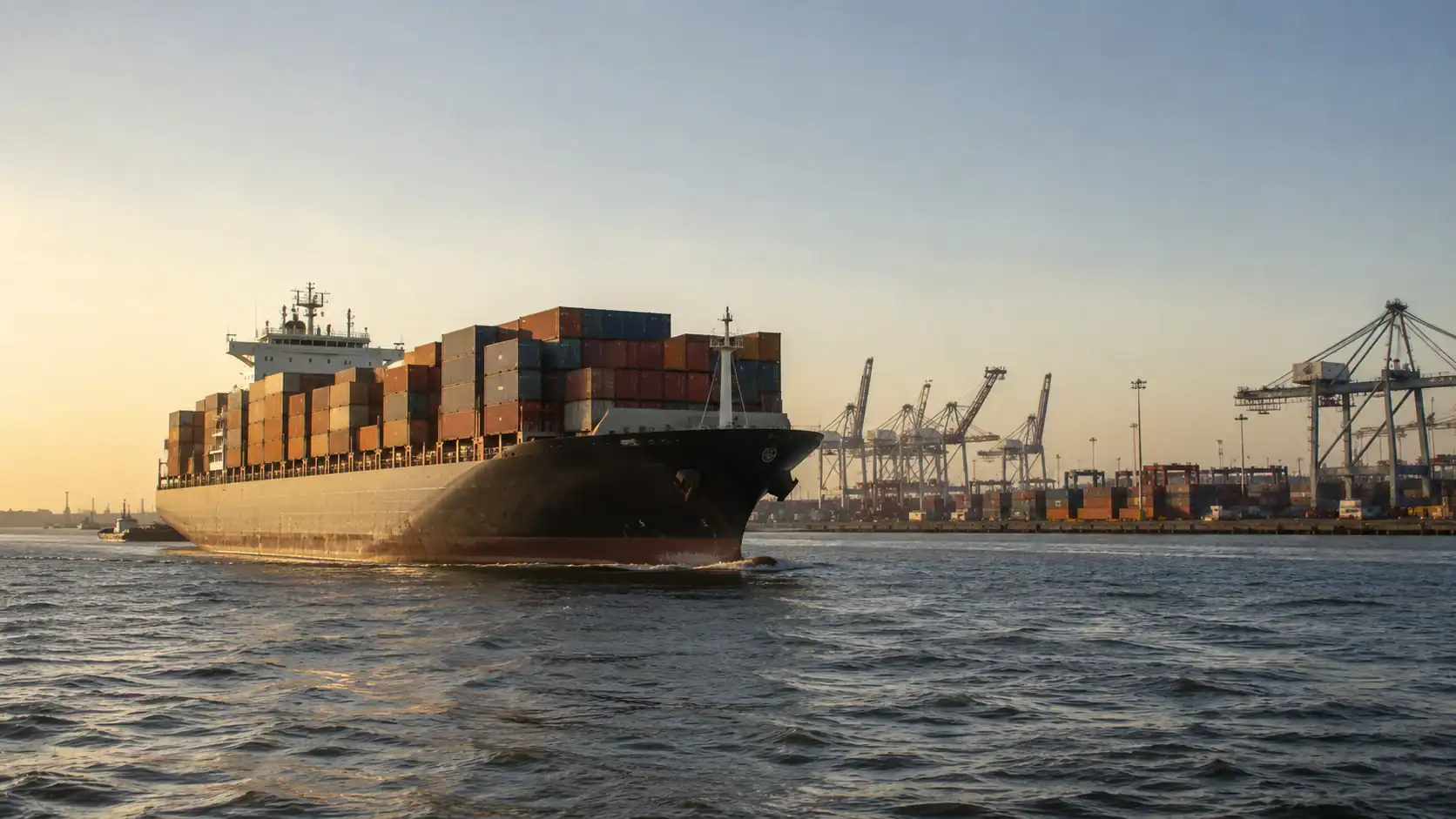
The compliance picture for US-origin imports differs from China-origin in two ways. The first is an advantage: AUSFTA self-certification is simpler than ChAFTA’s CoO process. The second is the US product standards gap, and it is a trap for importers who assume that US regulatory approval translates to Australian market clearance. UL, FCC and FDA certifications do not transfer to Australian regulatory requirements. Importers have to manage both actively.
AUSFTA: 0% Duty with Self-Certification
The Australia-United States Free Trade Agreement eliminates import duties on qualifying US-origin goods imported into Australia. In force since January 2005, the agreement covers the vast majority of US-origin commercial goods. As of 2026, virtually all of them attract 0% Australian import duty.
One operational difference sets AUSFTA apart from Australia’s other FTAs.
AUSFTA allows self-certification. ChAFTA requires a CCPIT or CIQ Certificate of Origin and AANZFTA requires a Form AANZ. AUSFTA asks for neither: the importer or exporter certifies the rules of origin themselves. That certification is typically:
- A statement on the commercial invoice (“I certify that the goods described in this document qualify as originating goods under the Australia-United States Free Trade Agreement”), or
- A separate origin declaration signed by the exporter
Self-certification does not mean no documentation. It means the documentation is simpler. ABF can still request verification at any time. Retain supporting records: supplier invoices, bills of material, manufacturing process documentation showing US origin. Rules of origin under AUSFTA generally require goods to be “wholly obtained” in the US or substantially transformed there. Goods merely assembled in the US from third-country components may not qualify.
Without AUSFTA self-certification, MFN rates apply: clothing 5%, footwear 5%, furniture 5%, most electronics 0–5%. For any significant import program, obtaining and retaining origin documentation costs substantially less than the annual duty bill at MFN rates.
HS Code Classification and GST
Every imported product must be classified under an HS (Harmonised System) code before duty rate, FTA eligibility, and any special import conditions can be determined. US-to-Australia HS classification uses the same Australian Customs Tariff Schedule as other origins. The HS code determines the MFN duty rate and confirms whether AUSFTA 0% applies to that specific subheading.
GST of 10% applies to all taxable imports. The base is the value of the taxable importation: the Australian customs value (the free on board value of the goods) plus any import duty payable plus international freight and insurance. For AUSFTA 0% duty goods, GST is 10% of the customs value plus freight and insurance. For GST-registered Australian businesses, import GST is recoverable as an input tax credit on their BAS.
The freight and insurance element is the most commonly misunderstood component. Customs value, the base for duty, is set on a free on board basis, but the base for GST adds international freight and insurance on top. An importer who uses only the FOB invoice value will underestimate their GST liability. US East Coast to Australia is a long voyage, so freight is a large part of the GST base on those imports. The full landed cost calculation method for Australian imports covers this in detail.
DAFF Biosecurity: Same Rules, US-Specific Products
Australia’s biosecurity requirements apply to all imports regardless of origin. US-origin goods raise two specific biosecurity considerations:
ISPM 15 wooden packaging: All wooden pallets, crates, and dunnage from the USA must be ISPM 15 heat-treated and stamped. The US is an ISPM 15 signatory, and American exporters are familiar with the requirement. Specify compliance in every purchase order regardless. Non-compliant pallets are detained for treatment at the importer’s cost.
US-specific product categories with BICON conditions:
- Livestock products (leather, wool, animal fats, gelatine) carry import conditions in DAFF BICON
- Timber and timber products face species and treatment conditions
- Plant-derived ingredients (herbal supplements, botanical extracts) face conditions that vary by genus and species
- Food products may require import permits or phytosanitary certificates depending on category
- Soil, growing media, and organic material are typically prohibited or heavily conditioned
Check DAFF’s BICON database for your specific product category and US origin before placing an order. Biosecurity holds at the Australian border are less common for US goods than for Asian origins. They still occur, and they are expensive. A US supplier’s familiarity with ISPM 15 says nothing about the conditions for your specific goods, so build the BICON check into every new product line when importing from the USA to Australia.

The US Product Standards Gap: What US Certifications Don’t Cover
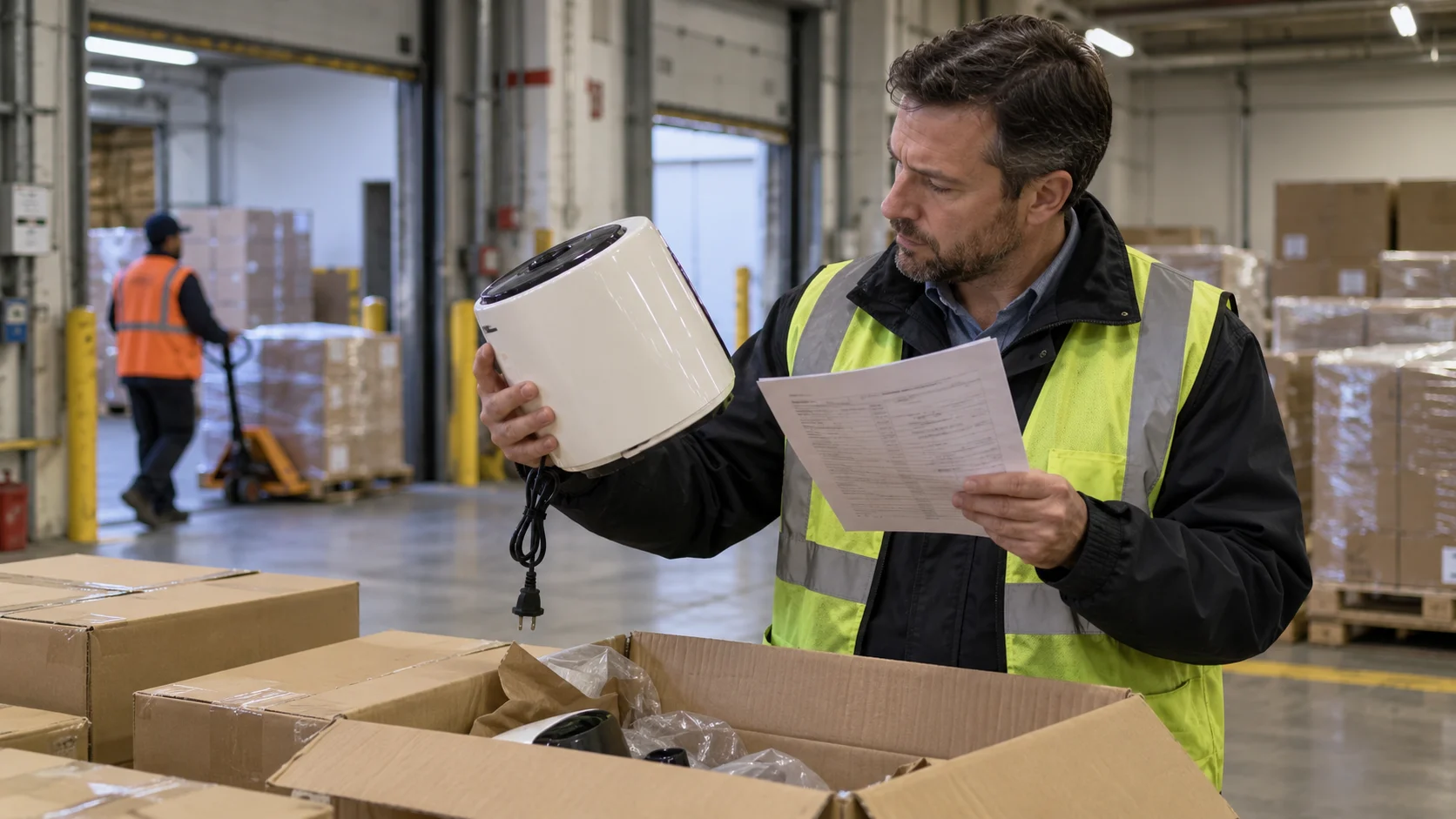
Call this the FDA-approved trap. A US supplier tells you the product is FDA-approved, UL-listed, DOT-compliant. All of that is true and impressive, and none of it is recognised at the Australian border. UL does not mean AS/NZS. FDA does not mean TGA. The certification that reassured you in the sales call is not the certification the ABF or the TGA is looking for. A US credential is evidence the product is safe, not evidence it is legal to sell in Australia. Those are different questions, and the gap between them is where first-time US importers lose money. Ask every US supplier one question: “what is your Australian compliance evidence?” That one question skips the most expensive lesson on this page.
Here’s the bet most first-time US importers are making, whether they’d phrase it that way or not: “UL certification is close enough to AS/NZS that I probably won’t get flagged.” For a shipment or two, that bet can pay off. ABF’s audit rate isn’t 100%, so a non-compliant product can clear cleanly. The importer then concludes the compliance gap doesn’t really matter in practice. That conclusion is resulting: judging the decision by an outcome that had nothing to do with whether the decision was sound. The bet was never good; it just hadn’t been called yet. The confidence implied by “US-certified is good enough” was never higher than the audit rate suggests. An ACCC recall or a post-clearance review doesn’t reveal that the importer got unlucky. It reveals what the real odds were all along. The fix is to confirm the Australian-specific standard before the bet is placed, not after it’s graded.
The standards gap is the most significant compliance risk specific to US-origin imports. American certification schemes are credible in their own jurisdiction, but five of them misalign with Australian mandatory standards:
| US Certification | Australian Equivalent | Is US Cert Accepted? |
|---|---|---|
| UL (Underwriters Laboratories): electrical safety | AS/NZS 3820 + product-specific AS/NZS standards | No: separate testing required |
| FCC (Federal Communications Commission): EMC/radio | ACMA compliance (AS/NZS CISPR, radiocommunications rules) | Partially: FCC data can support an ACMA declaration but is not equivalent |
| FDA approval: therapeutic goods/food | TGA registration (ARTG) for therapeutic goods; FSANZ for food | No: ARTG registration or TGA import permit required separately |
| CPSC (Consumer Product Safety Commission): consumer products | ACCC mandatory safety standards (AS/NZS series) | No: AS/NZS test report from accredited laboratory required |
| NSF/ANSI: food contact materials | FSANZ food contact standards | No: separate Australian food safety compliance required |
In practice, obtain the specific Australian standard test report or registration for each US-sourced product in a regulated category before the goods enter the Australian market. US-origin goods can be detained at the border or recalled from market if they don’t comply with mandatory Australian standards. The liability falls on the Australian importer, not the US supplier.
TGA for Therapeutic Goods from the USA
Medicines, health supplements, medical devices, and cosmetics with therapeutic claims must be listed or registered on the Australian Register of Therapeutic Goods (ARTG) or covered by a valid TGA import permit before importation. This applies equally to US-origin goods despite the AUSFTA commercial relationship.
US FDA approval does not substitute for Australian ARTG listing. A supplement approved by the FDA as GRAS (Generally Recognised As Safe) still needs ARTG listing or a valid import permit to enter Australia as a therapeutic good. The TGA compliance guide for importing supplements from the USA covers ARTG listing mechanics, the FSANZ vs TGA classification split, and AUSFTA duty treatment for health supplements.
US Departure Ports and Transit Times to Australia
The USA has two distinct coastlines with different transit times to Australia. Your supplier’s location determines the economically rational departure port:
| US Origin / Departure Port | Australian Destination | Vessel Transit (FCL) | Door-to-Door |
|---|---|---|---|
| Los Angeles / Long Beach (West Coast) | Sydney / Melbourne | 16–22 days | 22–32 days |
| Seattle / Tacoma (West Coast) | Sydney / Melbourne | 17–23 days | 23–33 days |
| New York / New Jersey (East Coast) | Sydney / Melbourne | 28–38 days | 35–48 days |
| Savannah / Charleston (East Coast) | Sydney / Melbourne | 29–40 days | 36–50 days |
| Houston (Gulf Coast) | Sydney / Melbourne | 28–36 days | 34–46 days |
US West Coast to Australia is the most efficient sea freight lane, with transit times comparable to China-origin shipments. US East Coast is longer. For East Coast origin goods with urgent timelines, air freight may be commercially rational depending on the value-to-weight ratio.
Add 2–5 business days for ABF customs clearance after the vessel arrives at an Australian port. A DAFF biosecurity inspection adds further time if the goods are selected. Pre-lodging the import declaration with your customs broker before the vessel arrives shortens the clearance window.
Air Freight from the USA to Australia
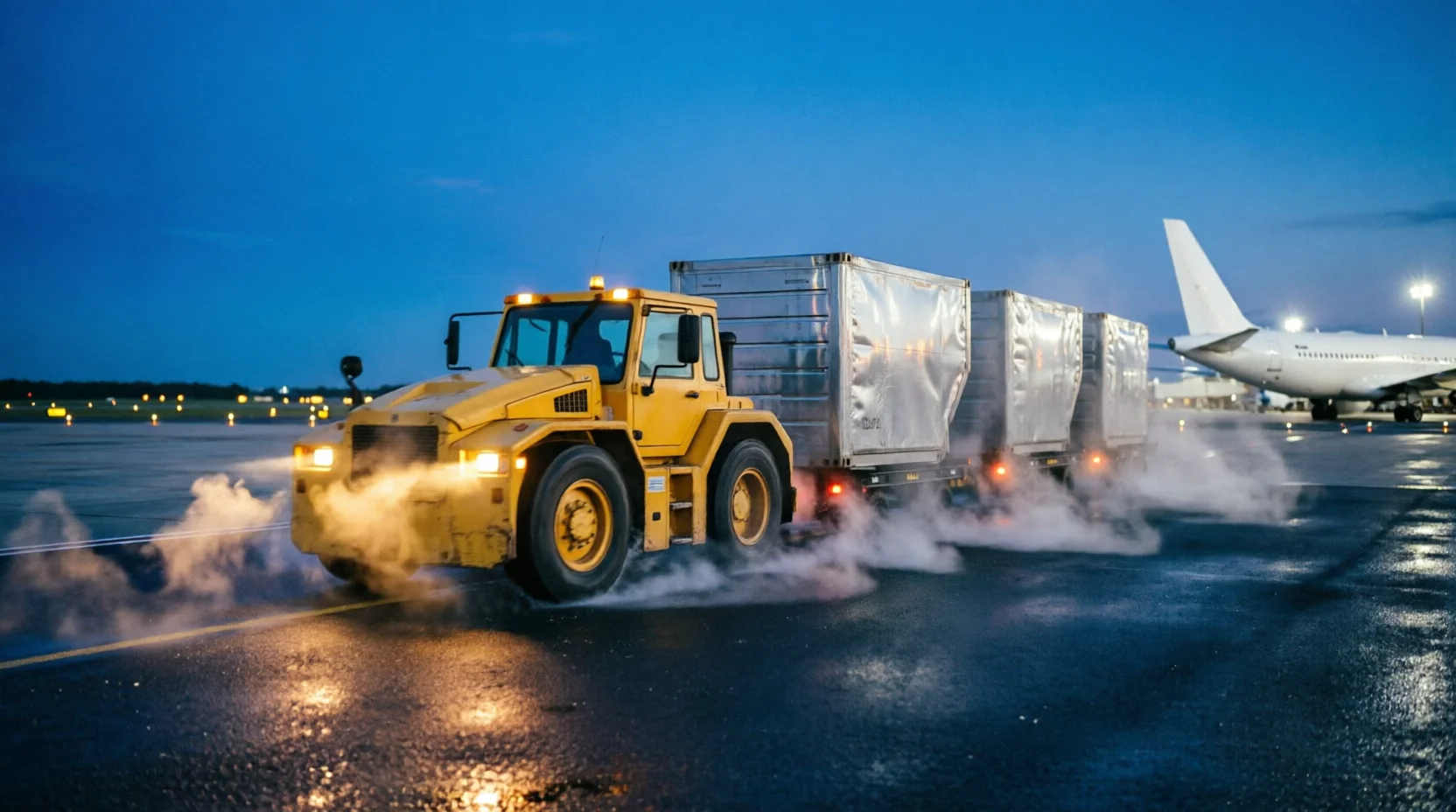
Air freight from the US to Australia is viable for high-value, low-weight goods: pharmaceuticals, electronic components, precision instruments, luxury goods, and urgent industrial parts. Door-to-door transit from most US cities to Sydney or Melbourne takes 6–10 days, and 5–8 days from West Coast gateways. That is the full chain: pickup, consolidation and cargo cut-off at origin, the flight, Australian clearance, and delivery. The flight itself is under 24 hours, so almost all of that elapsed time is ground handling and waiting for the next consolidation. That is why a weekly-consol lane runs days longer than a daily one on the same route.
IATA Dangerous Goods Regulations apply to US-origin air cargo the same way they apply globally. Certain industrial chemicals and lithium battery shipments above IATA thresholds travel by sea without restriction but cannot move by air. Verify IATA DGR classification for any potentially restricted product before booking air freight.
The US-to-Australia Compliance Checklist
| Requirement | Action | When |
|---|---|---|
| HS code confirmed | Verify with customs broker; confirm AUSFTA rate applies | Before first import of any new product |
| AUSFTA self-certification | Instruct US supplier to include origin statement on invoice; retain supporting documentation | Each shipment |
| ISPM 15 packaging confirmed | Specify in PO; request packing photos confirming ISPM 15 stamp | Each shipment |
| BICON conditions checked | Check DAFF BICON for product-specific import conditions | Before ordering any new product category |
| Australian mandatory standards confirmed | Obtain AS/NZS test report for regulated products; do not rely on UL/CPSC/FCC alone | Before placing first order of regulated goods |
| TGA/ARTG checked | Verify ARTG listing or import permit for therapeutic goods; FDA approval is not sufficient | Before any therapeutic goods shipment |
| ACMA registration (inverters/radio devices) | Register electrical equipment with EESS/ACMA as applicable | Before placing electrical equipment on market |
| Anti-dumping register check | Search ABF register for duties on steel, aluminium, or other industrial goods | Before ordering industrial materials categories |
| Import declaration pre-lodged | Provide full document set to broker before vessel arrival | 5–7 days before expected arrival |
| Cargo insurance | Arrange a marine all-risk policy for each shipment | Each shipment |
The Bottom Line on Importing from the USA to Australia
Most US-origin goods enter at 0% duty under AUSFTA if you keep the origin records to prove it, but UL, FCC and FDA approvals do not replace Australian standards, ACMA compliance or TGA listing. Get the Australian test report or registration for each regulated product before it ships, and allow 22 to 32 days door-to-door from the West Coast or 35 to 50 days from the East Coast.
Related reading: USA to Australia Shipping Times: Port-by-Port Timeline Guide
Frequently Asked Questions
What duty rate applies to goods from the USA to Australia?
Qualifying US-origin goods attract 0% duty under AUSFTA with self-certification of origin. Without AUSFTA qualification, MFN rates apply: clothing 5%, furniture 5%, most electronics 0–5%. GST of 10% applies regardless of duty rate.
How does AUSFTA self-certification work?
The US exporter includes an origin statement on the commercial invoice or separate declaration. No third-party CoO is required. Retain supporting documentation (bills of material, supplier records) for ABF verification. Rules of origin require goods to be wholly obtained or substantially transformed in the USA.
Do US product certifications satisfy Australian requirements?
No. UL does not satisfy AS/NZS electrical standards. FCC does not replace ACMA compliance. FDA approval does not substitute for TGA/ARTG registration. Each Australian regulatory pathway requires its own testing or registration. Obtain specific Australian standard documentation before placing goods on the Australian market.
How long does sea freight from the USA take?
West Coast (LA/Long Beach) runs 22–32 days door-to-door. East Coast (New York, Savannah) runs 35–50 days. Add 2–5 business days ABF customs clearance. See also the common causes of Australian customs delays and how to avoid them.
What are Australia’s biosecurity requirements for US imports?
ISPM 15 wooden packaging applies to all shipments. DAFF BICON sets product-specific conditions for livestock products, timber, plant-derived ingredients, and food. Check BICON before ordering any new product category from the USA.
Managing Your USA Import Program
Swift Cargo moves sea and air freight from all major US coastal hubs to Australian ports. We also coordinate AUSFTA documentation, handle customs brokerage, brief US suppliers on ISPM 15, and manage DAFF compliance. For the Australian customs and biosecurity process from the importer’s perspective, see the ABF customs and DAFF biosecurity overview. For the end-to-end import sequence from supplier to warehouse, the Australia import process guide maps out all nine stages. For a full breakdown of what determines import cost (duties, GST, freight, biosecurity levies), the total landed cost guide for Australian imports covers each component. Whether you’re establishing a new US supplier relationship or managing ongoing import volumes, a freight and compliance assessment is the starting point.