
Most commercial shipments entering Australia clear customs without a physical examination. ABF clears the majority of entries through documentary review and automated risk-assessment checks. But a meaningful percentage of commercial consignments get selected for something more (an x-ray scan, a document examination, a physical inspection of cargo). When that happens, the clearance process stops and the clock starts on storage costs, demurrage, and supply chain disruption.
Understanding what triggers an inspection is not a substitute for compliance. The importers who manage inspection risk well are not hiding anything: their documentation is consistently accurate, their goods descriptions match their contents, and their history with ABF has earned them the unremarkable outcome of routine clearance.
How ABF Makes the Selection Decision
Australian Border Force operates a risk-profiling system across all commercial cargo entering Australia. The system processes information from the import declaration lodged by your licensed customs broker, the cargo report filed by the shipping line or airline, and historical data about the importer, the exporter, the supplier country, and the goods category.
That system outputs exam orders: instructions to ABF officers to conduct a specific type of examination before releasing the goods. The selection logic is not published in detail (ABF does not provide a public risk matrix), but the factors that feed into it are well understood by customs brokers who work with the system daily. Importers control several of those factors.
Two regulators are involved in Australian border examination of commercial goods. ABF handles duty assessment, valuation, classification, and customs compliance. DAFF (the Department of Agriculture, Fisheries and Forestry) handles biosecurity risk: whether the goods or their packaging could introduce pests, diseases, or other biological risks into Australia. An exam order from either regulator is an independent process: a biosecurity hold from DAFF does not require ABF to hold the goods, and vice versa, though both can apply to the same consignment.
The Types of Customs Examination
When an exam order is issued, it specifies the type of examination required. The main categories:
Document examination (DEx): ABF requests the original shipping documents: commercial invoice, packing list, bill of lading, Certificate of Origin, any permits or licences. Officers compare the declared information against the documents. This is the lightest-touch examination and does not require physical access to the goods. A DEx can be completed while the container is still on the vessel or in the terminal.
X-ray examination: The container or cargo is passed through ABF’s scanning equipment. Officers are looking for undeclared goods, concealed items, or consignments whose visible density does not match the declared contents. Most x-ray orders are cleared once the scan is reviewed; a small proportion lead to a physical exam order when the scan shows something that requires confirmation.
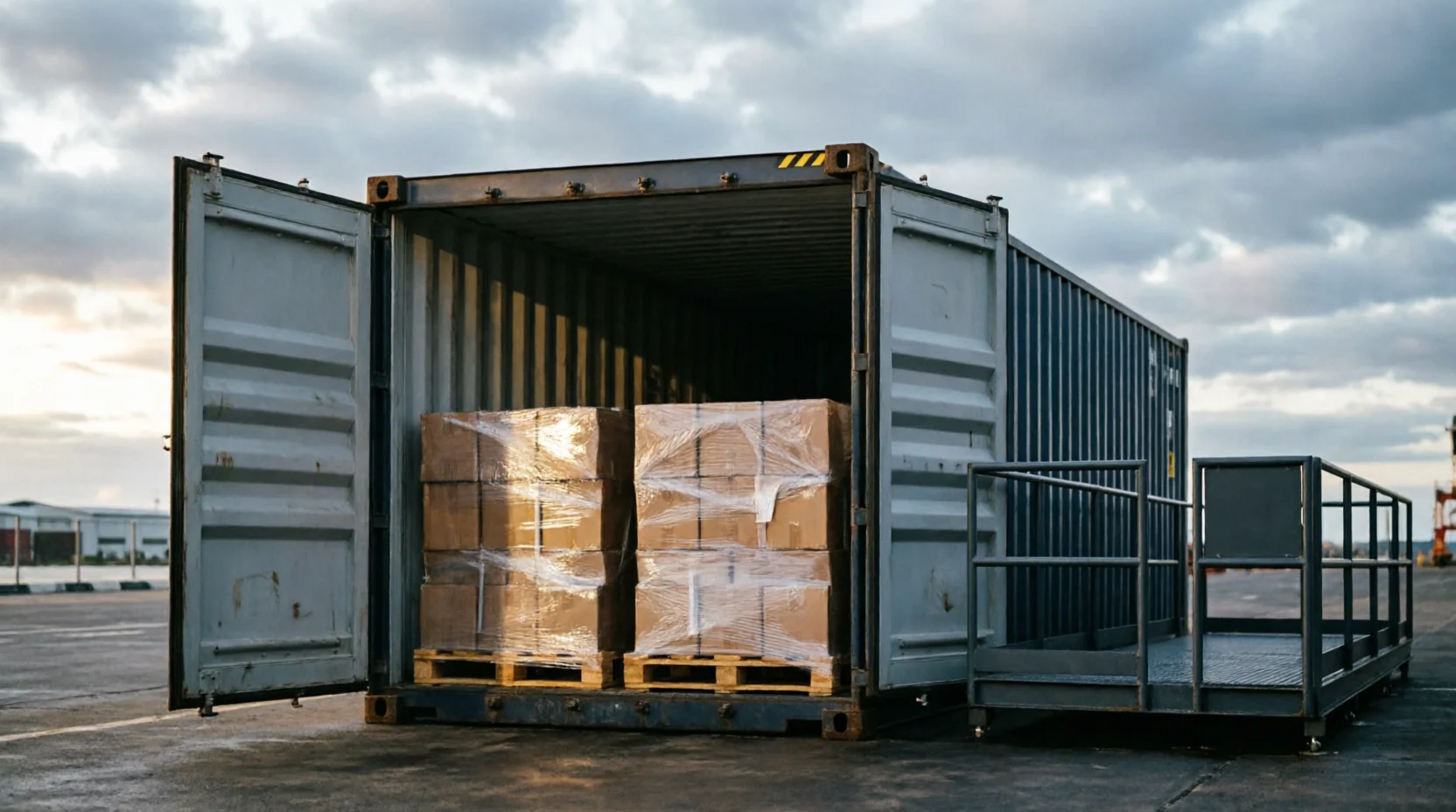
Physical examination (tailgate or devanning): ABF officers open the container and physically inspect the contents. This is the most time-consuming and expensive examination type for the importer. Physical exams may be targeted (open specific boxes from the packing list) or full devanning, where all cargo is unloaded and inspected. Physical examination typically adds 1 to 3 business days to clearance time. Storage and handling charges begin accruing when the container must be moved to an examination facility.
DAFF biosecurity inspection: This is separate from the ABF exam process, though it physically occurs at the same port facilities. DAFF officers inspect goods for biosecurity risk: signs of contamination, pests, non-compliant packaging (timber that should be heat-treated but isn’t), or goods in categories that require mandatory inspection. DAFF inspection can trigger treatment requirements (fumigation, heat treatment) or, in the worst case, re-export or destruction orders. The article on biosecurity requirements for importing into Australia covers the DAFF framework.
The Triggers That Lead to Examination
No single factor guarantees an exam, and their combined weight in the risk assessment shifts as ABF updates its intelligence picture. The most consistently relevant:
Goods Category Risk
Certain goods categories attract higher inspection rates because they have a documented history of compliance problems: misdeclaration, valuation understatement, prohibited item concealment, or biosecurity risk. ABF publishes its current trade and goods compliance focus, which names cargo reporting, Self-Assessed Clearance declarations and the Unaccompanied Personal Effects concession, Tariff Concession Orders, and the valuation of imported goods. Separately, ABF’s categories of prohibited and restricted goods cover firearms and weapons, wildlife listed under CITES, tobacco, and controlled chemicals. Goods carrying anti-dumping duty also attract closer valuation scrutiny.
Beyond the ABF targeted goods list, some product categories attract routine biosecurity inspection from DAFF regardless of compliance history. Timber and timber packaging, fresh and dried plant material, animal products, and certain minerals are routinely directed to DAFF inspection. If your goods fall into a high-biosecurity-risk category, build inspection time into your supply chain planning, not as a contingency, but as a scheduled step.
Supplier and Origin Risk
ABF risk profiles extend beyond the goods to the supplier and the country of origin. ABF applies higher inspection rates to goods from countries with documented patterns of misdeclaration, counterfeit goods, or anti-dumping duty avoidance. Specific suppliers or exporters with a history of compliance problems can be flagged by ABF. Once flagged, their consignments attract elevated inspection rates regardless of the goods category.
If you are sourcing from a country or a supplier for the first time, that unfamiliarity itself is a minor risk signal. ABF has less historical data on your supply relationship, which means the automated risk assessment defaults to a more cautious position. First-time import relationships are more likely to attract an examination than established, documented relationships with a clean compliance history. The risk climbs further for high-risk origins, or origins with recent pattern changes in goods types.
Declaration Discrepancies and Documentation Errors
The most avoidable trigger for customs inspection is an error or discrepancy in the import declaration. ABF’s automated system compares the declared information (HS code, goods description, value, country of origin, quantity) against the cargo report lodged by the carrier. It also compares it against historical data for that goods type, origin, and importer. Discrepancies flag the entry for review.
Common documentation patterns that increase examination probability include:
- Vague or generic goods descriptions. “Merchandise,” “general goods,” or “plastic parts” on a commercial invoice do not tell ABF what is in the container. Specific descriptions (“polypropylene injection-moulded storage containers, 5L capacity, household use”) give the risk system something to assess. Vague descriptions default to higher scrutiny because they cannot be verified against known risk profiles. ABF names this directly in its compliance guidance, citing “goods”, “unknown” and “shipment” as deficient cargo-report descriptions.
- Value understatement signals. If the declared customs value is substantially below market price for goods of that type, or below the value ABF would expect based on its own databases, the entry will flag for review. This applies whether the understatement is intentional or an error on the commercial invoice. Price that is implausibly low for the quantity and goods type is a consistent inspection trigger. For a breakdown of how customs valuation works, see the article on total landed cost when importing to Australia.
- HS code mismatches. An HS code can draw attention two ways: it might not match the goods description, or it might place the goods in a duty-free category when similar goods attract a higher rate. HS classification is the technical foundation of the customs entry. An incorrect HS code may reflect a genuine classification error or an attempt to reduce duty. Either way, the mismatch is visible to the risk system.
- Country of origin inconsistencies. An origin that conflicts with other information in the cargo documentation is a red flag. That includes a mismatch with the supplier’s invoice, the port of loading, or the language on packaging. The common mistakes Australian importers make article covers origin declaration errors in more detail.
Importer Risk Profile
ABF maintains a risk profile for every importer who has a customs ID. Importers with a history of compliance problems (prior penalties, prior examination findings of misdeclaration, prior biosecurity issues) carry a higher baseline inspection rate. Conversely, importers with a consistent, clean compliance history over many entries accumulate what amounts to a reputational credit with the system.
This is not a formal program in the sense of an explicit tiering system, but the effect is real. An importer with 200 compliant entries and no findings is treated differently by the risk algorithm than a new importer on entry 3, or an importer whose last entry produced a penalty notice.
Intelligence-Driven Targeting
ABF receives intelligence from multiple sources: domestic law enforcement, customs authorities in trading partner countries, the World Customs Organisation, and its own post-clearance audit program. When intelligence indicates that a specific goods category, supplier, shipping route, or importer is associated with a compliance risk, that intelligence can trigger targeted examination of specific shipments regardless of what the automated risk profile says.
Importers generally cannot know when their shipment has been targeted through intelligence. The correct response to an intelligence-triggered exam is the same as for any other: cooperate, provide accurate documentation promptly, and resolve any findings through your customs broker. The article on customs delays for Australian importers covers what to do when a hold extends beyond the expected timeframe.
Random Selection
A percentage of all commercial entries are selected for examination at random. This is deliberate policy: random selection ensures that perfect gaming of the risk system is not possible. An importer with an excellent compliance record and perfectly prepared documentation can still receive an exam order. When this happens, the response is the same: cooperate, provide documentation, wait for the exam to complete. The random selection rate is low enough that it is not a material planning risk for most importers.
What Happens During and After Examination
When ABF issues an exam order, it notifies your licensed customs broker. They coordinate the logistics of the examination. This includes moving the container to the examination facility if required, ensuring DAFF is contacted if a biosecurity inspection is also required, and arranging for any permits or licences to be produced.
During a physical examination, ABF officers open and inspect the goods against the packing list and commercial invoice. They are checking that the declared contents match the actual contents, that quantities match, that goods descriptions are accurate, and that there are no undeclared or prohibited items. If the examination finds that the goods match the declaration accurately, ABF issues an Examination Release Order and clearance proceeds.
If the examination finds a discrepancy (goods that don’t match the description, a quantity difference, an undeclared item, a possible prohibited item), the response depends on what was found. ABF typically corrects the import entry for minor discrepancies (a count difference of a few units). More significant findings (misdeclared goods, substantially undervalued goods, prohibited items) trigger formal ABF processes: penalty notices, seizure of goods, or referral to the Australian Federal Police in serious cases.
A routine physical examination that produces no findings typically costs a few hundred to a couple of thousand Australian dollars in examination handling fees, depending on the terminal, the size of the consignment, and whether devanning is required. ABF does not reimburse that cost. You pay it regardless of whether the examination finds anything.
Understanding how long this process takes is essential for supply chain planning. See the article on customs clearance time in Australia for realistic scenario-based timelines, including examination scenarios.
How to Reduce Your Inspection Risk
Most freight forwarder invoice templates have a single line labelled “Description of Goods,” and that line is where the vague descriptions ABF flags come from. This is not a diligence failure so much as a form that was designed for accounting, not for customs risk assessment. The forwarder’s template was built to match a commercial invoice a bank would accept, not to match what a risk algorithm is scanning for. If your forwarder’s standard template gives you one generic line, replace it with your own itemised schedule, one line per HS code, material and unit value, and attach it as a rider even when the forwarder’s own form stays generic. The fix is not trying harder to describe goods well. It is refusing to let a form built for a different job decide how your shipment gets read.
No importer can eliminate inspection risk. Random selection and intelligence-driven targeting are outside your control. You can control the portion of your risk that comes from documentation quality and compliance history. For most importers, that’s the majority of what determines their practical inspection rate.
Get your HS classification right. Use a licensed customs broker who classifies your goods against the current Australian Customs Tariff. Do not rely on the HS code your overseas supplier provides. Suppliers in different countries use their country’s tariff schedule, which may differ from the Australian classification. An incorrect HS code on every entry accumulates over time as a pattern that the ABF risk system will notice.
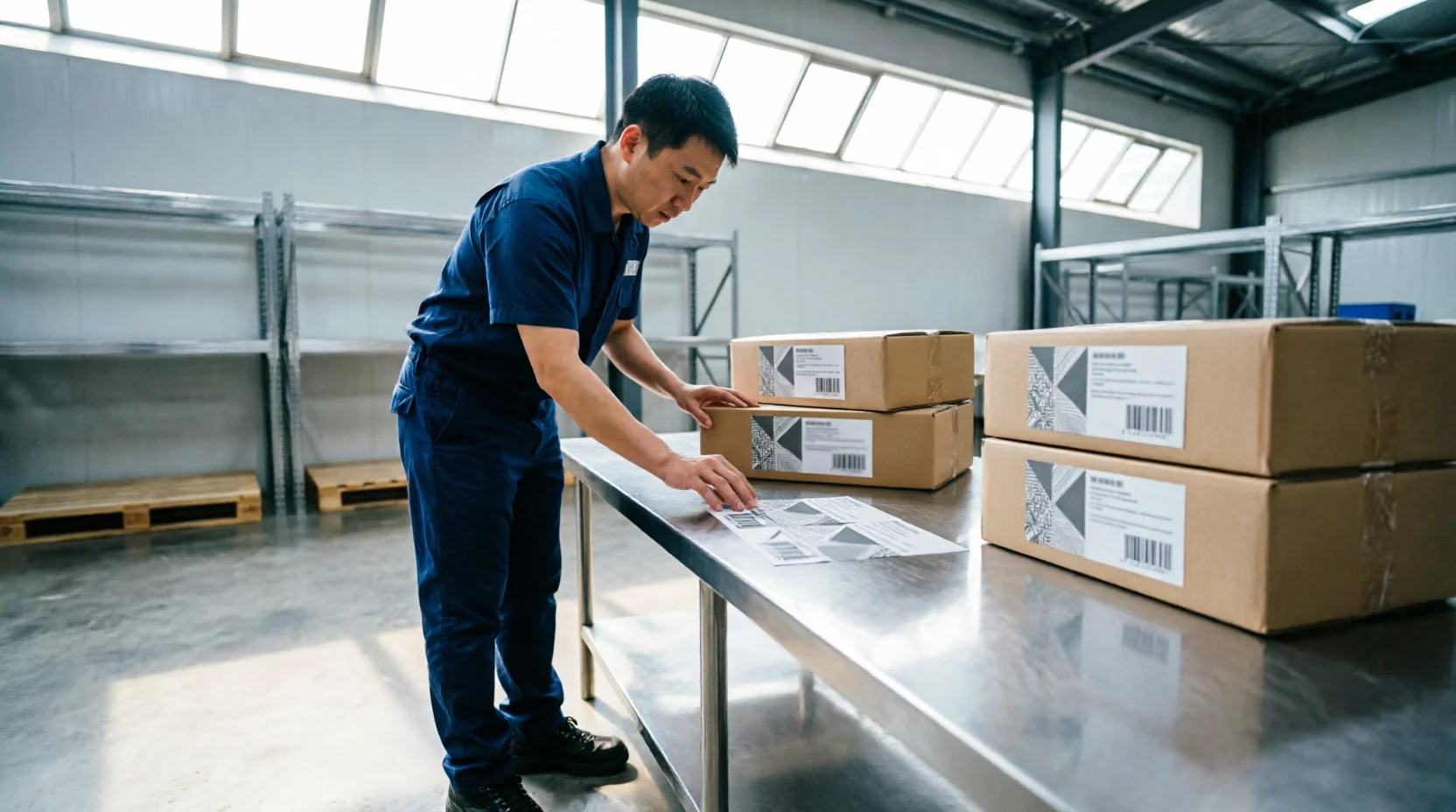
Use specific goods descriptions. On every commercial invoice, the goods description should be specific enough that an ABF officer who has never seen your product could identify it from the paperwork. Avoid generic category names. If you import 12 product lines in one container, the invoice should list all 12. Vagueness is not neutral. It is a risk signal.
Declare accurate customs values. The customs value is the price you actually paid your supplier (transaction value), adjusted for certain additions and deductions under ABF’s valuation rules. If your supplier provides a commercial invoice at a price that does not reflect what you actually paid (a common practice in some supplier relationships), the commercial invoice value is still what ABF uses. Submitting an invoice that materially understates the transaction value is a valuation misdeclaration, even if you think your supplier is being helpful. Confirm your valuation basis with your customs broker before your first entry, not after ABF flags a mismatch.
Manage biosecurity risk proactively. If your goods or their packaging have biosecurity conditions under BICON (the Australian biosecurity import conditions database), ensure those conditions are met at origin before shipment. You can verify these conditions before the goods leave the supplier: heat-treated timber packaging documented with a proper ISPM 15 mark, correct biosecurity declarations for food ingredients, and proper cleaning of used machinery. Arriving at the Australian border with goods that fail a DAFF check is more expensive than managing compliance at origin.
Build a consistent compliance record. You reduce inspection risk most durably by accumulating a history of compliant entries. An importer who submits accurate documentation consistently over time earns a lower baseline inspection rate than one who is inconsistent. Don’t accept a compliance shortcut because you think you won’t get caught. Get compliance right from entry one instead: the history is what reduces risk over the medium term.
For businesses that import regularly, a freight partner reduces the probability of the specific documentation errors that trigger avoidable examinations. The right partner understands Australian compliance requirements and manages the documentation chain end-to-end. Swift Cargo’s Australia operations include in-house customs brokerage capability with experience across the product categories most frequently examined by ABF. Enquire at swiftcargo.solutions/australia.
ABF keeps score, and the record follows your ABN rather than the individual shipment. Every clean entry lowers your risk profile; every discrepancy raises it. A discrepancy might be a description that does not match the tariff code or a declared value that will not reconcile with the invoice. Reconcile the entry before it is lodged: confirm the goods description matches the classification, the declared value matches the commercial invoice, and the country of origin matches the certificate.

The Australian Customs Compliance Framework
ABF’s examination program operates within a broader compliance framework that also includes post-clearance audits. Even if your goods clear without an examination, ABF may conduct a post-clearance audit of your import records. That audit reviews past entries for classification accuracy, valuation accuracy, and origin declarations. Post-clearance audits can go back four years. If an audit finds systemic errors, the liability for underpaid duty and GST extends to all the affected entries, not just the one examined. See Australia’s commercial import rules explained for the full regulatory framework.
Frequently Asked Questions
How common are customs inspections in Australia?
ABF does not publish the exact percentage of commercial entries that receive exam orders. Most routine commercial consignments from established importers with clean compliance histories clear without a physical examination. The examination rate is higher for first-time importers, high-risk goods categories, and imports from countries with documented compliance issues. Biosecurity inspections from DAFF are routine for certain goods categories regardless of importer history.
How long does a customs examination take?
A document examination can often be completed without extending the clearance timeline significantly. An x-ray exam typically adds half a day to a day. A physical examination typically adds 1 to 3 business days depending on the terminal and consignment size. DAFF inspections vary. A clean result can be issued within a day; treatment orders take longer.
Who pays for the customs inspection?
The importer bears the cost of the examination: handling charges, terminal repositioning charges, examination facility fees. ABF does not charge for the examination itself, but the associated logistics costs are the importer’s responsibility. If the examination finds a compliance problem, penalties or duty adjustments are additional costs.
Can I find out why my shipment was selected for inspection?
ABF is not required to disclose the specific reason an exam order was issued, and typically does not. Your customs broker can sometimes infer the likely trigger from the nature of the examination requested. The most productive response is to cooperate promptly and provide accurate documentation.
Does a history of clean examinations reduce future inspection risk?
Yes, in practice. ABF’s risk profiling incorporates historical data on the importer. A consistent record of compliant entries with no findings does reduce the baseline risk score applied to future entries. This is one of the genuine long-term benefits of investing in documentation quality from the start of your import program.
What happens if my goods fail a biosecurity inspection?
The outcome depends on the finding. Minor issues like non-compliant timber packaging may be treated at the importer’s cost. Goods that cannot be treated may be re-exported at the importer’s cost. Goods presenting serious biosecurity risk can be seized and destroyed. Prevention through pre-shipment compliance verification is substantially cheaper than any of these outcomes.