Author: SwiftCargo Team

  • Thailand Relocation Costs 2026: Full Budget by Scenario

    Thailand Relocation Costs 2026: Full Budget by Scenario

    A freight forwarder’s quote tells you what it costs to move your possessions to Thailand. It does not tell you what it costs to relocate.

    Those are different numbers. The shipping invoice, however comprehensive, covers a few weeks of a move that takes months to complete financially. The full cost of relocating to Thailand in 2026 includes visa fees and immigration costs, the shipping quote, Thai arrival costs (rental deposits, utility connections, furnishing gaps), healthcare setup, banking and SIM registration, and the financial buffer that covers unexpected delays and costs in the first three months. For most movers, the shipping invoice is 20–40% of the total relocation spend in year one.

    For the shipping cost specifically, see our detailed guides to the real cost of shipping to Thailand and the hidden costs your freight quote doesn’t include. The costs below cover every major category in a Thailand relocation, quantified at 2026 rates, with three full-year scenarios: retiree couple, single professional, and family with children.

    Exchange rates used throughout: THB 35/USD, THB 45/GBP, THB 22/AUD.

    Thailand Relocation Costs 2026: Full Budget by Scenario

    Phase 1: Pre-Departure Costs

    Thai Visa and Immigration Fees

    The visa category determines both the immigration cost and, critically, whether your household goods qualify for personal effects duty relief at Thai customs.

    Visa type Who it suits Application cost (2026) Notes
    Non-Immigrant OA (Retirement) Retirees, 50+ THB 2,000 (~USD 57) at Thai embassy Requires proof of funds (THB 800,000 in Thai bank or monthly income THB 65,000+). Annual renewal.
    Non-Immigrant O (Marriage/Family) Spouses of Thai nationals THB 2,000 (~USD 57) Annual renewal; work permit required to work.
    Non-Immigrant B (Business/Work) Professionals on work permit THB 2,000 (~USD 57) + work permit THB 750–3,000 (~USD 21–86) Employer-sponsored; tied to employment.
    Long-Term Resident (LTR) Visa High-income remote workers, retirees, investors USD 200 application fee + THB 50,000 visa fee (~USD 1,430) 10-year renewable; work permit included for Highly Skilled Professionals category; tax benefits for qualifying income.
    LTR: Wealthy Global Citizens USD 1,000,000+ global assets and USD 500,000+ Thai investment (income test removed Feb 2025, BOI Announcement Por 3/2568) USD 200 + THB 50,000 10-year visa; personal income tax exemption on foreign-sourced income for qualifying holders.

    The LTR visa (Thai Board of Investment) carries the highest upfront immigration cost but the lowest ongoing administrative burden. A 10-year visa eliminates the annual border-run or renewal cycle that Non-Immigrant visa holders manage. For movers who qualify (income, investment, or professional credentials requirements), the THB 50,000 visa fee is a one-time cost across a decade.

    The Non-Immigrant OA’s THB 800,000 / THB 65,000-per-month funding rule is set and verified by Thailand’s Immigration Bureau. The requirement applies annually at renewal, not only at initial application, so the funds need to stay in place, not just clear the account once.

    Health Checks and Documentation

    • Medical examination (required for some visa types): THB 1,500–3,500 (AUS/UK-equivalent: AUD 80–200 or GBP 50–150). Required for OA retirement visa applicants; some other visa categories require a clean police record certificate.
    • Police clearance certificate: USD 50–100 equivalent depending on origin country process. Required for retirement visa, some marriage visa applications.
    • Document authentication / apostille: Documents submitted to Thai immigration (birth certificates, marriage certificates, financial statements) often require notarisation and apostille. Cost: GBP 50–150 per document in the UK; AUD 50–100 per document in Australia.

    Pre-Departure Shipping Costs

    Survey and booking costs are typically included in the removals quote. The pre-departure cash outlay on shipping is usually the deposit. Removals companies typically require 30–50% of the estimated total at booking confirmation. For a one-bedroom move at AUD 3,500 total, the booking deposit is AUD 1,050–1,750.

    Your visa route decides whether Thai customs grants duty relief.

    The relief that can save thousands depends on your visa clearing before your container arrives, not after.

    See the duty relief rules


    Phase 2: Shipping Costs (Summary)

    Shipping cost varies by origin country and volume. Indicative all-in figures (including origin charges, ocean freight, marine insurance, Thai customs, and Bangkok delivery):

    Move size From UK From Australia From Europe From USA (West Coast)
    Studio (4–5 CBM) £3,300–3,900 AUD 3,400–4,000 EUR 3,800–4,400 USD 3,600–4,200
    1-bed (10–12 CBM) £5,600–6,300 AUD 4,600–5,300 EUR 5,100–5,800 USD 5,500–6,300
    2-bed (20ft FCL) £6,300–7,100 AUD 6,800–7,700 EUR 7,900–9,000 USD 7,700–8,600

    These are all-in estimates assuming personal effects duty relief is granted. A retirement (Non-Immigrant O-A or O-X) or marriage-based visa does not qualify for that relief, so on those routes import duty of 10 to 30% of CIF value plus 7% VAT sits on top of these figures. For detailed breakdowns by origin country including all surcharges, see the UK to Thailand cost guide, the Australia to Thailand cost guide, and the international removals to Thailand process guide.


    Editorial visual for the Thailand arrival-costs phase — a couple or family setting up a new rented apartment/condo in Bangkok or Chiang Mai, boxes and immediate

    Phase 3: Thailand Arrival Costs (First 30 Days)

    Rental Deposit and Initial Housing

    Thai landlords typically require two to three months’ rent as a security deposit, plus one month’s rent in advance, so moving in costs three to four months’ rent upfront. Bangkok rental prices at 2026 rates:

    Property type Location Monthly rent (THB) Move-in cost (3 months + 1)
    1BR apartment (35–45 sqm) Central Bangkok (Sukhumvit/Silom) THB 18,000–35,000 THB 54,000–140,000
    1BR apartment (35–45 sqm) Outer Bangkok (On Nut/Lat Phrao) THB 10,000–18,000 THB 30,000–72,000
    2BR apartment (60–80 sqm) Central Bangkok THB 30,000–60,000 THB 90,000–240,000
    House (3BR+, gated estate) Bangkok suburbs THB 30,000–80,000 THB 90,000–320,000
    1BR apartment Chiang Mai THB 8,000–15,000 THB 24,000–60,000
    3BR villa Chiang Mai THB 20,000–40,000 THB 60,000–160,000

    Utility Connections and Setup

    • Electricity: Provided by Provincial Electricity Authority (PEA) or Metropolitan Electricity Authority (MEA). No connection fee for most condominiums (billed through building management). Monthly bill at typical Bangkok usage (A/C in Bangkok heat): THB 1,500–3,500 for a 1BR; THB 3,000–6,000 for a 2BR house.
    • Internet (fibre): Installation fee THB 0–500; monthly plan THB 600–1,200 for 1 Gbps fibre from AIS, True, or DTAC. Thailand has excellent fibre infrastructure in Bangkok and major provincial cities.
    • SIM card and phone plan: AIS, True Move, or DTAC prepaid SIM: free to THB 50. Monthly postpaid plan with data: THB 299–899. Tourist SIMs work on arrival; long-term SIMs require a Non-Immigrant visa and passport.
    • Banking setup: Opening a Thai bank account (Bangkok Bank, Kasikorn Bank, SCB) typically requires a non-immigrant visa, passport, and proof of address. Some banks require a work permit. Bangkok Bank has been the most accessible for expats. No account opening fee; ATM card issued immediately.

    Furnishing Gaps

    Even a full container move leaves furnishing gaps: items not shipped because they were too heavy, too old, or incompatible (local voltage/plug standards, bedding sizes, kitchen configuration). Budget for:

    • Small appliances (rice cooker, kettle, fans): THB 2,000–5,000
    • Bedding and linens (Thai sizing may differ): THB 1,500–4,000
    • Cleaning supplies and household consumables (first stock): THB 1,000–2,500
    • Furniture top-up (items not shipped or not fitting): THB 5,000–30,000 depending on what was left behind

    Transport Setup

    • Bangkok (BTS/MRT pass): Monthly adult Rabbit card (BTS) top-up: THB 900–2,000 per person depending on commute. MRT monthly pass: similar range.
    • Motorbike (if purchasing locally): New Honda PCX 160: THB 65,000–75,000. Used Honda Click: THB 20,000–35,000. International or Thai driving licence required.
    • Car (if required): New Toyota Yaris: THB 650,000–750,000. New Honda City: THB 650,000–800,000. Long-term expats typically lease or purchase locally rather than shipping from origin (shipping a car to Thailand incurs 80%+ import duty on CIF value).
    • Grab/taxi budget (first month while settling): THB 3,000–6,000 depending on city and usage.

    Phase 4: Ongoing First-Year Costs

    Private Health Insurance

    Thailand has world-class private hospitals (Bangkok Hospital, Bumrungrad, Samitivej), but most expats without work permits cannot access them through the Thai public health system. Private health insurance is essential.

    Coverage type Annual premium (THB) Notes
    Basic inpatient cover (Thailand-only), healthy adult under 50 THB 30,000–60,000 Covers hospitalisation; limited or no outpatient
    Comprehensive inpatient + outpatient (Thailand-only), under 50 THB 60,000–120,000 Covers most non-elective care
    International cover (worldwide excl. USA), under 50 THB 100,000–200,000 Covers evacuation, repatriation
    Per additional family member Add 60–80% of individual rate Children under 18 may be lower

    Premiums increase significantly with age (50+) and pre-existing conditions. Apply for Thai health insurance before arrival. Some insurers will not cover pre-existing conditions disclosed after the initial application.

    Education (Family Scenario)

    For families with school-age children, international school fees are a major recurring cost:

    School type Annual tuition (THB) Examples
    Budget international school THB 200,000–400,000/child Various smaller international schools
    Mid-tier international school THB 400,000–700,000/child St Andrews, Ruamrudee, Shrewsbury (Bangkok)
    Premium international school THB 700,000–1,200,000+/child International School Bangkok, NIST, British International School
    Registration / entry fee (one-time) THB 50,000–200,000/child Non-refundable; paid at enrollment

    School fees are the largest single ongoing cost for family relocations. At THB 500,000 per child per year (mid-tier), two school-age children cost THB 1,000,000/year in education alone, roughly USD 28,500. Budget this before calculating Bangkok living costs.


    Thailand Relocation Costs 2026: Three Full First-Year Cost Scenarios

    Three Full First-Year Cost Scenarios

    All figures in THB. Exchange rates: THB 35/USD, THB 45/GBP, THB 22/AUD.

    Scenario A: Retiree Couple, Chiang Mai (Non-OA visa, 1BR apartment)

    Cost category THB
    Visa fees × 2 (Non-OA, annual) 4,000
    Shipping (1BR LCL from Australia, all-in freight; import duty and 7% VAT extra on a Non-OA, see below) 74,250 (~AUD 3,375)
    Rental deposit + first month (1BR, Chiang Mai) 44,000 (4 × 11,000)
    Utility setup + first month (internet, SIM × 2, electricity) 5,500
    Banking setup + initial costs 2,000
    Furnishing top-up 15,000
    Transport (motorbike × 2, used) 55,000
    Health insurance × 2 (comprehensive, under 65) 160,000
    Ongoing living (rent × 11 months + utilities + food + local transport) 374,000 (~THB 34,000/month × 11)
    Three-month financial buffer (10% of annual) 73,000
    Year-one total ~THB 806,750 (~AUD 36,670 / USD 23,050)

    Scenario B: Single Professional, Bangkok (Non-B work permit, 1BR central)

    Cost category THB
    Visa + work permit fees 5,000
    Shipping (1BR LCL from UK, all-in) 193,500 (~£4,300)
    Rental deposit + first month (1BR, Sukhumvit) 100,000 (4 × 25,000)
    Utility setup + SIM + internet 3,500
    Banking + admin costs 2,000
    Furnishing top-up 20,000
    Transport (BTS/MRT passes) 22,000 (12 × ~1,800)
    Health insurance (comprehensive) 80,000
    Ongoing living (rent × 11 months + utilities + food + leisure) 594,000 (~THB 54,000/month × 11)
    Three-month financial buffer 102,000
    Year-one total ~THB 1,122,000 (~GBP 24,933 / USD 32,057)

    Scenario C: Family of Four, Bangkok (Work permit + dependants, 3BR house)

    Cost category THB
    Visa + work permit (primary applicant + dependants) 8,000
    Shipping (20ft FCL from UK, all-in) 247,500 (~£5,500)
    Rental deposit + first month (3BR house, outer Bangkok) 200,000 (4 × 50,000)
    Utility setup + internet + SIM × 2 adults 6,000
    Banking + admin 2,000
    Furnishing top-up 35,000
    Transport (car: Honda City, finance deposit or purchase) 150,000
    Health insurance × 4 (2 adults + 2 children) 220,000
    International school × 2 children (mid-tier, incl. registration) 1,100,000
    Ongoing living (rent × 11 months + utilities + food + family activities) 880,000 (~THB 80,000/month × 11)
    Three-month financial buffer 285,000
    Year-one total ~THB 3,133,500 (~GBP 69,633 / USD 89,529)

    The family scenario is dominated by international school fees (35% of total). Families who use Thai bilingual schools or less expensive international schools will see this total fall substantially. School fee research is the highest-leverage budget decision a relocating family makes.

    Treat the visa route as the choice these three tables depend on, because it quietly decides whether the shipping line is right. Thai Customs grants duty relief against documented status: a work permit valid for a year or more, a non-immigrant visa with a confirmed working period of at least a year, Thai permanent residence, or a full one-year Smart Visa. The retiree couple in Scenario A holds none of these on a Non-OA, so they should budget import duty, typically 10 to 30% of CIF value, plus 7% VAT on the shipment, on top of the freight figure. Choose the visa first, then build the budget from what that choice actually qualifies for.


    What Changes in 2026

    • LTR Visa uptake: The Thailand LTR visa (introduced 2022) has become the preferred immigration route for high-income retirees and remote professionals. The THB 50,000 visa fee is offset by 10 years of renewal-free status and, for qualifying holders, a flat 17% personal income tax rate on Thai-sourced income and personal income tax exemption on qualifying foreign-sourced income.
    • Bangkok rental market: Central Bangkok rents have increased 8–12% in 2024–2025 as post-pandemic demand from remote workers and regional relocation accelerated. Outer Bangkok and provincial cities remain more cost-stable.
    • International school fees: Top-tier Bangkok international schools increased fees 5–8% in 2024–2025. Places at the most popular schools (ISB, NIST, BIS) are limited; waitlists are common. Apply 12+ months in advance for the most in-demand schools.
    • Shipping costs: Europe-to-Thailand freight rates stabilised in 2025 after the Cape rerouting surcharge was absorbed as a structural cost. Australia-to-Thailand rates are lower and more stable, reflecting the shorter intra-Asian trade lane.

    Whichever scenario matches your move, pricing your actual shipment against 2026 rates turns these ranges into a real number.

    Three rules decide the financial architecture of a Thailand relocation before anything else is planned. Rule one: visa type determines whether shipped goods qualify for personal effects duty relief at Thai customs. That variable alone shifts the cost by AUD 2,000–8,000 on a standard household move. Rule two: plan the volume survey before the shipping quote, not after. A volume underestimate forces a last-minute container upgrade that costs more than the survey would have. Rule three: do not book the shipping departure before the visa is confirmed. On a qualifying status the relief window opens with your entry, and a container that arrives before that status is in place loses the relief entirely; on a retirement or marriage visa there is no relief to time, and duty plus 7% VAT applies whenever the goods land.

    The most useful financial plan for a Thailand relocation is not the one with the most categories. It is the one the person making the move can actually act on. Every year, people arrive in Bangkok having built detailed spreadsheets that did not survive first contact with the rental market, the visa office, or the first health insurance renewal. The plan fails not because the numbers were wrong but because it was designed for a decision that had already been made, rather than for the decisions still ahead. Build the plan as a sequence of choice points: at 12 weeks out, the visa-type decision gates everything else (duty relief, school eligibility, work permit). At 8 weeks, the volume survey converts the packing plan into a real shipping quote. At move-in, the deposit and first month’s rent determine immediate cash flow. Each stage has its own decision, its own risk, and its own irreversible commitment. Australians making the move can also cross-reference the specific Australia-to-Thailand shipping cost breakdown before committing to the shipping budget line, and the Thailand relocation checklist for the full action sequence from 12 weeks out to delivery day.

    See Swift Cargo’s Thailand shipping pricing overview to build the freight cost into your four-phase budget before making any final commitment.

    Frequently Asked Questions

    How much money do you need to relocate to Thailand in 2026?

    The total financial requirement for a Thailand relocation in 2026 depends heavily on family size, visa type, city, and lifestyle. A retiree couple relocating to Chiang Mai from Australia should budget approximately AUD 36,000–45,000 for the first year all-in (shipping, housing setup, visa, health insurance, and living costs). A single professional relocating to Bangkok from the UK should budget GBP 22,000–30,000 for the first year. A family of four with children in international school should budget GBP 65,000–100,000 for the first year in Bangkok, with school fees representing 30–40% of that total.

    What is the Thailand LTR visa and is it worth the cost?

    The Long-Term Resident (LTR) visa is a 10-year renewable visa introduced by the Thai Board of Investment in 2022. It covers four categories: Wealthy Global Citizens (USD 1M+ assets and USD 500k+ Thai investment), Wealthy Pensioners, Highly Skilled Professionals, and Work-from-Thailand Professionals. The application fee is USD 200; the visa fee is THB 50,000 (~USD 1,430). Benefits include a 10-year multi-entry visa, no annual renewal border run, a work permit for Highly Skilled Professionals, and, for qualifying holders, a personal income tax rate cap and foreign-sourced income tax exemption. For movers who qualify and plan to stay 3+ years, the THB 50,000 visa fee is worthwhile relative to annual renewal costs and administrative burden of a Non-Immigrant visa cycle.

    How much is a rental deposit in Thailand?

    Thai landlords typically require two months’ rent as a security deposit plus one month’s rent in advance, totalling three months’ rent at move-in, sometimes four months at higher-end properties. For a central Bangkok one-bedroom at THB 25,000/month, this is THB 75,000–100,000 upfront. For a Chiang Mai one-bedroom at THB 11,000/month, it is THB 33,000–44,000. The deposit is refundable at the end of the tenancy, subject to property condition. Always obtain a written lease in both Thai and English and confirm the deposit refund conditions before signing.

    Do I need private health insurance in Thailand?

    Yes, for most expats. The Thai public healthcare system (30-Baht scheme and social security hospitals) is accessible primarily to Thai nationals and work-permit holders contributing to the social security system. Private hospitals have English-speaking staff, Western medical standards, and short waiting times, but they charge market rates without coverage. A serious illness or accident at a Bangkok private hospital can cost THB 200,000–2,000,000+ without insurance. Annual premiums for comprehensive private health insurance in Thailand range from THB 60,000–120,000 for a healthy adult under 50, which is inexpensive relative to the risk it covers.

    What financial proof is required for a Thai retirement visa?

    The Thai Non-Immigrant OA (retirement) visa requires proof of financial means in one of three forms: THB 800,000 deposited in a Thai bank account (confirmed by a letter from the bank at time of application); a provable monthly income or pension of at least THB 65,000 per month from an overseas source; or a combination of deposit and monthly income totalling the equivalent amount. The funds requirement applies annually at renewal. Many retirees transfer the THB 800,000 to a Bangkok Bank or Kasikorn Bank account before applying, then maintain it for the annual renewal check.
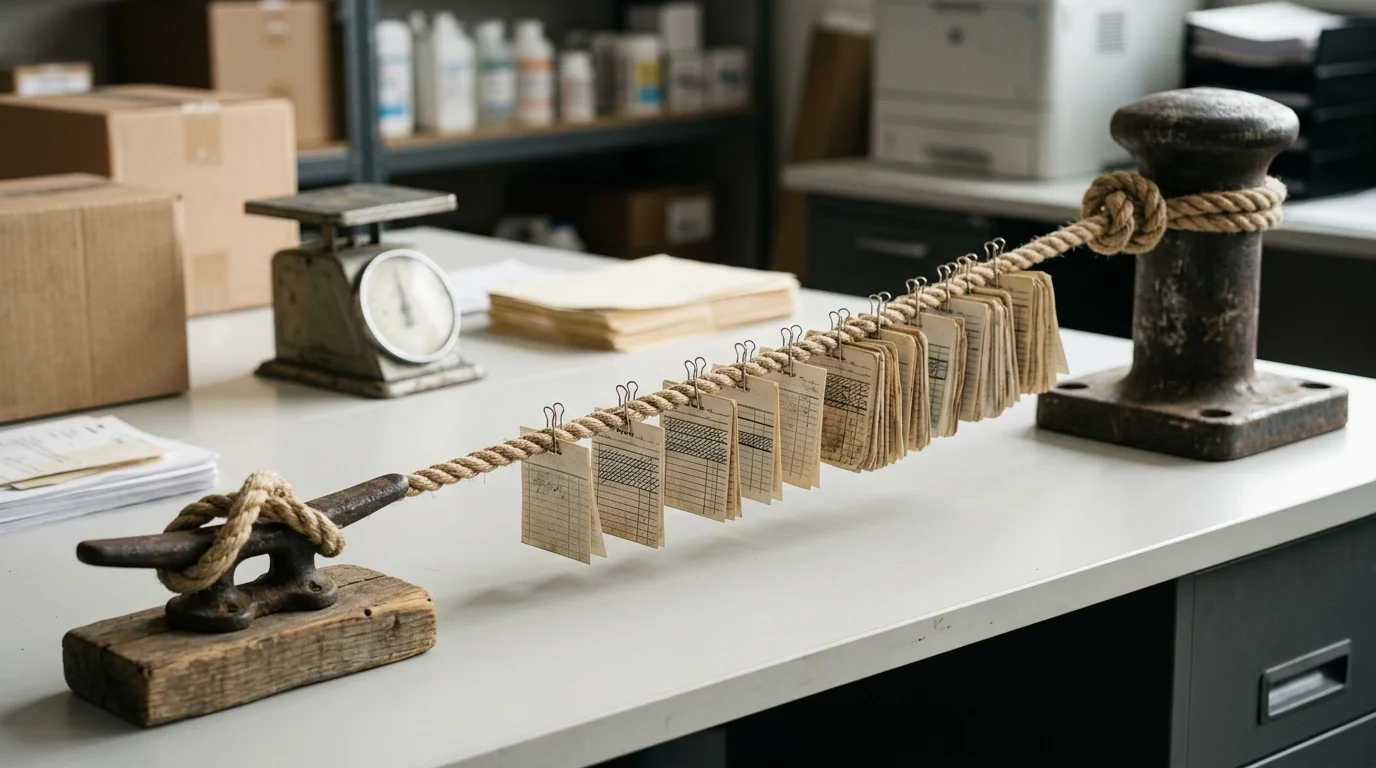
  • Moving from Australia to Thailand: AUD Costs by Move Size

    Moving from Australia to Thailand: AUD Costs by Move Size

    Moving from Australia to Thailand has one significant advantage over moving from Europe or the UK: the ocean is shorter. Sydney to Laem Chabang is 12–18 days port-to-port. Melbourne to Bangkok is comparable. This route avoids the Cape of Good Hope rerouting, the 60-day ocean transit, and the War Risk Surcharge from the Red Sea conflict. The freight market is calmer, the timeline is predictable, and the total cost is meaningfully lower for equivalent volume.

    That does not mean the cost is small. A one-bedroom LCL move from Sydney to Bangkok still involves seven cost layers, three currencies (AUD, USD, THB), and Thai customs clearance. It also carries a personal effects duty relief condition that catches Australian movers off-guard in the same way it catches UK movers. Understanding what drives the number, and what controls it, is the difference between budgeting accurately and discovering an invoice you did not expect.


    Moving from Australia to Thailand: AUD Costs by Move Size

    The Australia-to-Thailand Route

    Australia-to-Thailand shipments typically depart from Sydney (Port Botany), Melbourne (Webb Dock), or Brisbane, bound for Laem Chabang. The route runs north through the Coral Sea or Tasman Sea, up the Australian east coast or across the Torres Strait, and into the Gulf of Thailand via Singapore or Port Klang.

    Australian departure port Transit to Laem Chabang Typical routing
    Sydney (Port Botany) 12–18 days Via Singapore transshipment
    Melbourne (Webb Dock) 14–20 days Via Singapore transshipment
    Brisbane 12–17 days Via Singapore transshipment
    Perth (Fremantle) 16–22 days Via Singapore or Port Klang

    Total door-to-door time from Australian packing day to Bangkok delivery runs 25–40 days. This includes 3–5 days for Australian export clearance and container loading, 12–20 days ocean transit, 5–12 working days for Thai customs clearance, and 1–3 days for last-mile delivery within Thailand. This is a meaningfully shorter and more predictable timeline than European-origin moves.

    Australian movers do not face the War Risk Surcharge that applies to UK and European cargo on the Asia trade, and the Cape of Good Hope rerouting does not affect Australia-to-Thailand routes. Bunker and fuel surcharges apply but at lower absolute levels than on longer trade lanes.


    Australian Export Requirements

    Goods leaving Australia for Thailand require an export customs declaration lodged with the Australian Border Force (ABF) through the Integrated Cargo System (ICS). For household goods on a personal removal, this is typically lodged by your removals company or freight forwarder on your behalf.

    What you need to provide:

    • Detailed packing list with descriptions and declared values for each item category
    • Your name and Australian address
    • Thai destination address
    • Export commodity codes for major goods categories
    • Your Australian passport details

    Australia does not levy export duty on household goods. The export declaration is an administrative requirement, not a cost trigger. However, goods that leave Australia without a valid export declaration can complicate Thai customs clearance: the import declaration must reconcile with the export record.

    Certain goods require additional documentation for export from Australia: goods containing plant material may require phytosanitary clearance; food items may require DAFF (Department of Agriculture, Fisheries and Forestry) clearance; goods of heritage significance may require cultural property export permits. Confirm any restricted items with your removals company before packing day.


    Sea Freight Rates from Australia to Thailand: 2026 Market Rates

    The main port for Thailand’s international container trade is Laem Chabang International Terminal, approximately 130 km southeast of Bangkok and 15 km from Pattaya. Almost all container freight destined for Bangkok and central Thailand clears through Laem Chabang. Bangkok’s older Klong Toey port handles smaller break-bulk vessels but is not competitive for standard containerised shipments from Australia.

    Sea freight rates from Australian east coast ports to Laem Chabang:

    • FCL 20-foot container: USD 900–1,800 ocean freight. Internal capacity: approximately 25–28 CBM, 21,000–22,000 kg maximum payload.
    • FCL 40-foot high-cube container: USD 1,400–2,800 ocean freight. Internal capacity: approximately 67–68 CBM, 26,000–27,000 kg maximum payload.
    • LCL (Less than Container Load): USD 70–130 per CBM from Australian port to Laem Chabang CFS. Minimum charge typically applies: 1 CBM or approximately USD 110, whichever is higher.

    These are ocean freight rates only, quoted from the Australian port. Rates fluctuate with global container demand, carrier fuel surcharges, and seasonal peak periods. The ranges above reflect current market conditions on the Australia-to-Southeast-Asia lane but can shift by 20–40% during demand peaks, particularly around Q4 pre-Christmas and Chinese New Year. To translate these container capacities into what your actual household occupies, see the CBM size guide.

    Routing: most Australia–Thailand services route via Singapore, where cargo transships onto a feeder or mainline service for the Laem Chabang leg. Direct Australia–Thailand sailings exist but are limited in sailing frequency. Singapore transshipment adds a connection window risk: if the Australian vessel misses the Singapore connection, cargo waits 5–10 days for the next available sailing. A freight forwarder who knows the specific sailing schedules, not just the headline transit time, is worth the investment on any time-sensitive shipment.

    Cost breakdown ledger layered over a Sydney to Laem Chabang shipping route map

    The Six Cost Layers: Australia to Thailand

    Layer 1: Australian Origin Costs

    Item LCL (per CBM) 20ft FCL
    Professional packing service AUD 300–600 flat AUD 800–1,500
    Origin THC (Port Botany / Webb Dock) AUD 12–20/CBM AUD 200–380
    Origin CFS fee (LCL only) AUD 10–18/CBM N/A
    Bill of lading fee AUD 60–100 AUD 60–100
    Export customs declaration (ICS) AUD 80–150 AUD 80–150
    Fumigation/heat treatment (if applicable) AUD 80–200 flat AUD 150–350

    Heat treatment or fumigation may be required for wooden furniture and packing materials under ISPM 15 (International Standards for Phytosanitary Measures for wood packaging). Thailand requires ISPM 15-compliant wood packaging for all imported goods. Most professional removals companies supply ISPM 15-compliant packing materials as standard. Confirm this before packing day.

    Layer 2: Ocean Freight and Surcharges

    Surcharge LCL (per CBM) 20ft FCL
    Base ocean freight (Sydney–Laem Chabang) AUD 55–120 AUD 1,500–3,200
    Bunker Adjustment Factor (BAF) AUD 15–35 AUD 180–420
    Low Sulphur Surcharge (LSS/IMO 2020) AUD 8–18 AUD 100–200
    Peak Season Surcharge (Q3 if applicable) AUD 10–25 AUD 120–300

    Australia-to-Thailand freight rates are generally more stable than Europe-to-Asia rates. The intra-Asian trade lane has better vessel frequency and more carrier competition. The absence of a War Risk Surcharge (no Red Sea exposure on this route) means the surcharge stack is simpler and smaller than for UK or European-origin moves.

    Layer 3: Marine Cargo Insurance

    All-risks marine cargo insurance for household goods costs 2–3.5% of the declared replacement value. For goods valued at AUD 20,000, the premium is AUD 400–700. For AUD 40,000, it is AUD 800–1,400. Household goods cover is a different product from commercial marine cargo and is priced far higher: it is written on new-for-old replacement value at destination for used goods, and it extends to mould, mechanical derangement and pairs-and-sets. Commercial containerised cargo runs a fraction of this. Owner-packed cartons are normally restricted to total-loss-only and are not covered at this rate. Ocean carrier liability under the Hague-Visby Rules is capped at approximately AUD 4.30 per kg of gross weight or 667 SDR per package, far below the replacement value of furniture, electronics, and personal items on a typical removal. Marine insurance is not included in freight quotes and must be arranged before goods are loaded.

    Layer 4: Thai Destination Port Charges

    Item LCL 20ft FCL
    Destination THC (Laem Chabang) THB 300–700/CBM (~AUD 13–31) THB 3,500–5,500 (~AUD 155–243)
    CFS deconsolidation fee (LCL only) THB 400–900/CBM (~AUD 18–40) N/A
    Port entry / customs processing fee THB 200–400 (~AUD 9–18) THB 200–400 (~AUD 9–18)

    This guide uses an exchange rate of THB 45 / AUD 1 (approximate; verify current rate before budgeting). Actual rates vary. Build a 5% FX buffer into THB-denominated cost estimates.

    Layer 5: Thai Customs

    Thai customs treatment of household goods from Australia follows the same rules as goods from any other country. Personal effects duty relief is available under the same conditions:

    • Valid Thai long-term residency permit at the time goods arrive at Thai customs (not tourist visa or visa-exempt entry)
    • Goods arrive within six months before or after establishing Thai residence
    • Used personal effects only, not new goods
    • One shipment per change of residence

    Australian movers commonly arrive in Thailand on a visa-exempt entry or tourist visa while sorting a long-term visa. Only some long-term visas carry the relief: Non-Immigrant B (work) is a standard qualifying route, but retirement visas (Non-O, O-A, O-X) and the marriage-based Non-O are excluded (Thailand.go.th). If the household goods arrive before a qualifying visa is in place, duty relief is denied. Import duty (10–30% of CIF value for household goods) plus 7% VAT applies.

    Thai customs broker fee runs THB 3,000–6,000 per personal effects entry (~AUD 67–133). For the full duty relief conditions, see our guide to duty-free import rules in Thailand.

    Layer 6: Last-Mile Delivery in Thailand

    Delivery destination LCL van 20ft FCL truck
    Laem Chabang to Bangkok (commercial/access) THB 2,000–3,500 (~AUD 44–78) THB 5,000–8,000 (~AUD 111–178)
    Laem Chabang to Bangkok (high-rise apartment) THB 2,500–4,000 (~AUD 56–89) THB 6,000–10,000 (~AUD 133–222)
    Bangkok to Chiang Mai THB 6,000–12,000 (~AUD 133–267) THB 12,000–20,000 (~AUD 267–444)
    Bangkok to Phuket / Hua Hin THB 5,000–10,000 (~AUD 111–222) THB 10,000–18,000 (~AUD 222–400)

    Three Full Cost Scenarios

    All figures are in AUD, using indicative 2026 Sydney–Laem Chabang ocean freight rates. All three scenarios assume personal effects duty relief is granted and a non-Q3 departure. Packing materials and short-term storage costs reflect 2026 rates, which include a minimum-charge floor that affects smaller-volume shipments proportionally more than larger ones.

    Scenario 1: Studio Move (4 CBM LCL, Bangkok delivery)

    From ~AUD 3,699, door to door: Bangkok delivery, duty relief granted. This package price includes origin pickup, loading, packing, short-term storage, ocean transit, Thai customs clearance, destination port charges, last-mile delivery, removal of packaging, and marine insurance.

    Scenario 2: One-Bedroom Apartment (10 CBM LCL, Bangkok delivery)

    From ~AUD 4,920, door to door: Bangkok delivery, duty relief granted. This package price includes origin pickup, loading, packing, short-term storage, ocean transit, Thai customs clearance, destination port charges, last-mile delivery, removal of packaging, and marine insurance.

    Scenario 3: Two-Bedroom House (20ft FCL, Chiang Mai delivery)

    From ~AUD 7,250, door to door: Chiang Mai delivery via Bangkok transshipment, duty relief granted. This package price includes origin pickup, loading, full packing, short-term storage, ocean transit, Thai customs clearance, destination port charges, last-mile delivery, removal of packaging, and marine insurance.

    Notes: Scenarios assume personal effects duty relief granted. No PSS applied (non-Q3). Chiang Mai delivery via transshipment from Bangkok depot. Exchange rate: THB 45/AUD. Actual quotes will vary by carrier, exact volume, and departure month.

    Treat every figure here as a budget to plan around, not a fixed quote. Nobody in this industry can responsibly price a move without knowing the details. Real costs move with things a blog post can’t account for: building access (a third-floor walk-up costs more to load than a ground-floor pickup), the time of year, and events like storms or global shipping disruptions that move freight rates with little warning. Fragile, oversized, or high-value items that need custom crating or special handling can add substantially to the total as well. The scenarios above assume a straightforward household load. Our team works with you on your specific job and situation to give accurate, current pricing when it’s actually time to move.


    The LCL/FCL Crossover for Australian Movers

    FCL rates on the shorter intra-Asian trade lane are more competitive per CBM, so the LCL/FCL crossover for Australia-to-Thailand moves is approximately 13–16 CBM, slightly lower than for European moves. At 14 CBM, request both LCL and 20ft FCL quotes before deciding. The FCL advantages are the same as on any trade lane: no CFS deconsolidation, direct delivery from port, lower damage exposure for furniture. The cost premium, though, is smaller at this volume.

    Near the 13–16 CBM crossover only real quotes settle whether LCL or a 20ft container wins, so it is worth pricing both against your actual volume.


    Five Decisions That Most Affect the Total Cost

    1. Visa timing

    The Thai personal effects duty relief condition is the same for Australians as for any nationality: a valid long-term residency permit must be in place at customs clearance. For Australians moving to Thailand on a qualifying visa, such as a Non-Immigrant B with a work permit, the visa must be in the passport before the goods arrive at Laem Chabang, not in process. A retirement visa (Non-O, O-A or O-X) or a marriage-based Non-O does not qualify for the relief at all, so on those visas budget for duty and VAT. With a 25–40 day total timeline, an Australian who ships goods before their visa is confirmed has limited buffer. Apply for the Thai visa online through the Thai e-Visa system before departure: New South Wales residents are processed by the Royal Thai Consulate-General in Sydney, and residents of every other state and territory by the Royal Thai Embassy in Canberra.

    2. Volume declutter before survey

    Every unnecessary CBM adds AUD 110–200 to the total cost across origin charges, ocean freight, and Thai destination charges. Thai furniture and appliances are widely available at prices lower than Australian equivalents: mattresses, refrigerators, washing machines, and flat-pack furniture bought locally are often cheaper than shipping the same items from Australia.

    3. Departure timing (Q3 avoidance)

    Q3 departures (July–September) attract Peak Season Surcharges of AUD 120–300 per FCL or AUD 10–25 per CBM for LCL. Songkran-window arrivals (goods arriving at Laem Chabang in mid-April) add 7–14 days of storage at THB 500–1,500 per CBM per week. Both are avoidable with booking timing.

    4. Packing list accuracy

    A detailed, accurate packing list reduces the probability of a Thai customs physical examination. FCL examination costs THB 8,000–18,000 in unstuffing and restuffing charges; LCL examination adds THB 500–2,500 plus delay. Spend 30 minutes on the packing list at survey. It is the cheapest insurance against examination delay.

    5. Marine insurance coverage level

    Declare goods at their replacement value, not their depreciated book value. The insurance premium difference is small; the coverage gap in a total loss is not. A 20 CBM container of furniture and personal items has a replacement value of AUD 30,000–50,000. Ocean carrier liability without insurance covers approximately AUD 4.30 per kg, a fraction of the replacement value on any typical household goods shipment.


    The Australia-to-Thailand container route has three characteristics not shared by other origins: Australian export documentation requirements, the realistic 25–40 day door-to-door timeline (not the 21 days still cited on many comparison sites, which typically quote ocean transit alone), and a dual compliance layer (DAFF export inspection in Australia, Thai customs on the other end). None of these add unmanageable cost. Each adds paperwork with a sequence. The importer who maps the sequence before booking has nothing to discover on arrival.

    The DAFF export declaration has a specific timeline. The ISPM 15 treatment for timber packaging has a lead time. The Thai broker needs documents 2 weeks before vessel arrival, not 2 days. Every Australian-to-Thailand move that ends well starts with a timeline that works backward from the vessel departure date, not forward from “when I think I’m ready.” The scenarios in this guide show the cost structure. To keep costs inside those scenarios, commit to a departure date early enough to execute each step on its actual timeline, not the wished-for one. Get a quote for your Australia-to-Thailand move as the first step in building that backward plan.

    Here is the part no cost table shows: the night before your container is collected, you will not be worrying about CBM rates. You will be standing in a half-empty Australian living room wondering whether you are making a mistake. That feeling is normal, and it is not a reason to stop. The freight invoice is the one part of this move you can actually control. The numbers above are real, and they hold. You cannot predict how fast Thailand starts to feel like home. It does, faster than the container takes to arrive. Settle the shipping figure early so it stops taking up room in your head. Then budget for the full first-year cost of relocating (deposits, visa runs, the months before pension or salary income lands). That number is the one that really decides whether the move feels comfortable.

    🇦🇺 Australia → 🇹🇭 Thailand

    We price an Australia to Thailand move on your real volume.

    The form takes about 60 seconds. Our team checks it against what we have shipped on this lane, then sends back a free estimate.

    Start your Thailand estimate

    Australian family's packed shipping container ready for departure to Thailand, representing the door-to-door move timeline

    Two Australian families move the same volume of goods to Thailand at the same time of year. One lands within 5% of their original quote. The other pays 40% more than they expected, and the difference is almost never the freight rate; both families were quoted honestly. It’s whether they confronted the brutal facts about their own shipment before booking: an accurate CBM count from an in-person survey instead of a guess, a declared-value figure that matches reality instead of understating it to save on insurance, and a departure date chosen outside the Q3 peak instead of locked to a visa deadline that happened to land inside it. Neither family did one dramatic thing right or wrong. The family that landed close to their quote did five unglamorous things correctly, in sequence, months before the container ever left the wharf, and none of those five things looked like discipline until the invoice arrived.

    Frequently Asked Questions

    How much does it cost to move from Australia to Thailand?

    The all-in cost of moving from Australia to Thailand starts from AUD 3,699 for a studio LCL move (4–5 CBM, Bangkok delivery, duty relief granted), from AUD 4,920 for a one-bedroom apartment (10–12 CBM LCL) and from AUD 7,250 for a two-bedroom house FCL move. These figures include Australian origin charges, ocean freight and surcharges, marine insurance, Thai destination port fees, customs broker, and last-mile delivery. Provincial Thailand delivery (Chiang Mai, Phuket) adds AUD 200–400. If personal effects duty relief does not apply, import duty and VAT add significantly. Calculate at 10–30% duty plus 7% VAT on the CIF value of goods.

    How long does shipping from Australia to Thailand take?

    Ocean transit from Sydney or Melbourne to Laem Chabang is 12–20 days. Total door-to-door from Australian packing day to Bangkok delivery is typically 25–40 days, shorter than European-origin moves (75–95 days). The shorter transit reflects the proximity of Australia to Southeast Asia and the absence of Red Sea routing complications. Add 5–12 working days for Thai customs clearance after vessel arrival, and 1–3 days for last-mile delivery within Thailand.

    Do Australians pay import duty on household goods when moving to Thailand?

    Not if personal effects duty relief is granted. The conditions are: a valid Thai long-term residency permit in place at the time goods arrive at Thai customs; goods must be used personal effects; arrival within six months of establishing Thai residence; one-time relief per change of residence. Non-Immigrant B (work visa) is a standard qualifying route, but Non-Immigrant O holders, whether on the retirement or marriage basis, are excluded from that standard list and do not qualify (Thailand.go.th). An Australian on a tourist visa or visa-exempt entry when goods arrive does not qualify. In that case, import duty (10–30% of CIF value) plus 7% VAT applies to household goods categories.

    Which Australian port is best for shipping to Thailand?

    Port Botany (Sydney) and Webb Dock (Melbourne) have the highest frequency of direct and transshipment services to Laem Chabang. Transit time differences between the two are small (2–3 days). The practical choice is determined by where you live: the cost of transporting your goods to a port further from your home almost always exceeds any transit time or freight rate difference. If you are in Brisbane, depart from Brisbane; if in Perth, Fremantle is the departure port. Your removals company will advise on the most cost-effective port for your origin address.

    Is ASEAN free trade agreement relevant for Australian household goods shipped to Thailand?

    The ASEAN-Australia-New Zealand Free Trade Agreement (AANZFTA) covers commercial goods trade, not personal effects. For household goods on a personal removal, duty relief (if applicable) is assessed under Thai personal effects provisions, not under AANZFTA preferential rates. The FTA is relevant for commercial goods shipments where a Certificate of Origin Form AANZ can be used to access preferential duty rates. It does not change the duty treatment for household goods on a personal move.

  • UK to Thailand Container Cost: 20ft and 40ft Price Guide

    UK to Thailand Container Cost: 20ft and 40ft Price Guide

    Shipping container cost UK to Thailand price breakdown

    The cost question changes when a UK-to-Thailand move reaches the size where a full container makes sense, typically a two-bedroom apartment or larger. It is no longer “what is the LCL rate per CBM?” It is “what does a 20ft or 40ft container from Felixstowe to Laem Chabang actually cost, all-in, and what determines where in that range my move lands?”

    The answer depends on five inputs: container size (20ft or 40ft), departure month (peak season surcharges July–September), whether your move qualifies for Thai personal effects duty relief (which depends on your visa status), your delivery destination within Thailand, and whether goods are professionally packed. Once these five are known, the cost range is narrow enough to plan against.

    Here is the part the cost tables never mention. The night before a container leaves Felixstowe, most people are not lying awake over the War Risk Surcharge. They are wondering whether sending a whole life to a country on the other side of the world is the right thing to do at all. That fear is real and it does not have a line item. What does have a line item is everything below. The reassuring thing is that the cost of a UK-to-Thailand move is far more knowable than the decision behind it. Get the five inputs right and the money stops being the scary part.


    The UK-to-Thailand Container Route

    Most UK containers bound for Laem Chabang still route via the Cape of Good Hope rather than the Red Sea, the pattern set in late December 2023 after the Houthi campaign against Red Sea shipping. As of August 2026 that is no longer a single answer. Suez transits have climbed to their highest level since January 2024 but remain around 41% below pre-crisis volumes, and the return is service-by-service rather than network-wide: Maersk has moved four services back through Suez while nine stay on the Cape, and the Premier Alliance carriers that operate the direct Laem Chabang calls are still routing entirely via the Cape. Ask your forwarder which routing your specific sailing uses. A Suez-routed service runs roughly 10 to 14 days quicker than the Cape equivalent.

    For container sizing and mechanics that apply regardless of origin, see the general 20ft vs 40ft container guide for Thailand.

    BIMCO analysis documented a 10–14 day transit time increase compared to the historic Suez Canal route, along with a fuel cost uplift passed through as an increased Bunker Adjustment Factor (BAF) and a War Risk Surcharge (WRS). The Cape route is now the structural baseline for UK-to-Asia shipping, and its cost and time implications are the planning baseline.

    Current port-to-port transit times from UK to Laem Chabang:

    UK departure portTransit (port to port)Transshipment
    Southampton35–45 daysDirect mainline call at Laem Chabang on some services
    Felixstowe / London Gateway38–50 daysTransship, usually Singapore or Tanjung Pelepas
    Liverpool / Tilbury40–52 daysFeeder to a mainline hub, then transship

    Total door-to-door from UK packing day to Bangkok delivery is 65–90 days for a full container.

    One number is worth checking against your own quote, because it moves the answer by two weeks. Where a UK port sits in a carrier’s European rotation matters more than which carrier you book. Yang Ming’s own published June 2026 schedule puts Southampton at 40 days to Laem Chabang on a single vessel with no transshipment, while the same carrier lists Rotterdam at 36 days on one service and 49 on another in the same week, purely because Rotterdam is the last European call on one rotation and the first on the other. Ask which service your box is booked on, not just which carrier.


    UK container port terminal, origin of Thailand-bound shipping containers

    The Six Cost Layers: UK to Thailand Container Move

    Layer 1: UK Origin Costs

    Item20ft container40ft container
    Professional packing (full service)£600–1,000£900–1,600
    Container loading (crew + equipment)Included in packingIncluded in packing
    Origin THC (Felixstowe)£150–250£200–320
    Bill of lading fee£35–65£35–65
    Export customs declaration (HMRC CDS)£80–140£80–140
    Container transport to port (if not home-loaded)£150–300£180–350
    Layer 1 total (approx)£1,015–1,755£1,395–2,475

    Post-Brexit, all household goods leaving the UK for Thailand require a formal export customs declaration under the HMRC Customs Declaration Service (CDS). Your removals company files this; confirm it is included in their quote. Goods departing without a valid export declaration face complications at the UK port of exit.

    Layer 2: Ocean Freight and Surcharges

    Item20ft container40ft container
    Base ocean freight (Felixstowe–Laem Chabang)£900–1,800£1,400–2,800
    Bunker Adjustment Factor (BAF)£250–450£380–650
    Low Sulphur Surcharge (LSS/IMO 2020)£80–160£120–220
    War Risk Surcharge (Cape rerouting)£150–350£220–500
    Peak Season Surcharge (Q3 only)£100–350£150–500
    Layer 2 total (excl. PSS)£1,380–2,760£2,120–4,170

    The War Risk Surcharge reflects the Cape of Good Hope rerouting cost. It applies to virtually all UK-origin containers on Asia trades since late December 2023 and is not a temporary or optional surcharge. If your quote does not name this surcharge, it may be buried in the base rate, or it may appear as a separate line at invoice time.

    Layer 3: Marine Cargo Insurance

    An all-risks marine cargo insurance policy on a UK-to-Thailand household move typically costs 2–3.5% of the declared replacement value of goods. For household goods valued at £30,000 (typical for a 20ft container), the premium is £600–1,050. For £50,000 (40ft), the premium is £1,000–1,750. Household goods cover is a different product from commercial marine cargo and is priced far higher: it is written on new-for-old replacement value at destination for used goods, and it extends to mould, mechanical derangement and pairs-and-sets. Commercial containerised cargo runs a fraction of this. Owner-packed cartons are normally restricted to total-loss-only and are not covered at this rate.

    Ocean carrier liability under the Hague-Visby Rules is capped at the lower of £1.70 per kg of gross weight or 534 SDR per package, far below the value of furniture, electronics, and clothing on a typical container move. Marine insurance is not optional for a move where goods replacement value is meaningful. It must be arranged before the container is loaded, not after a claim event.

    Layer 4: Thai Destination Port Charges

    Item20ft container40ft container
    Destination THC (Laem Chabang)THB 3,500–5,500 (~£78–122)THB 5,500–8,000 (~£122–178)
    Port entry / customs processing feeTHB 200–400 (~£4–9)THB 200–400 (~£4–9)
    Container detention (if applicable)THB 800–2,000/day after free periodTHB 1,000–2,500/day after free period
    Layer 4 total (excl. detention)~£82–131~£126–187

    FCL containers at Laem Chabang do not incur a CFS deconsolidation fee, a key advantage over LCL. The container is released from the port yard directly to the delivery truck after customs clearance. Compared to LCL, this saves THB 400–900 per CBM on a 20–25 CBM move.

    Layer 5: Thai Customs

    ItemQualifying personal effectsNon-qualifying goods
    Import dutyWaived10–30% of CIF value (household goods)
    VATWaived or minimal7% of (CIF + duty)
    Customs broker feeTHB 4,000–8,000 (~£89–178)THB 5,000–12,000 (~£111–267)
    Physical examination (if selected)THB 8,000–18,000 (~£178–400)Same

    The duty relief conditions under Thai Customs are strict. UK movers must hold a valid Thai long-term residency permit (non-immigrant B, O, OA/OX, or LTR visa) at the time the container arrives at Thai customs. A tourist visa or visa-exempt entry does not qualify. The permit must be in place when customs clearance is filed, not applied for and not pending.

    The door-to-door timeline runs 65–90 days from UK packing day to Thai customs clearance. If you apply for your Thai visa 60 days before departure, confirm that it will be issued and in your passport before the container reaches Laem Chabang. Apply early, and let your Thai customs broker confirm the timing before the container sails. For the full conditions, see our guide to duty-free import rules in Thailand.

    Layer 6: Last-Mile Delivery Within Thailand

    Delivery destination20ft container truck40ft container truck
    Laem Chabang to Bangkok (commercial/house access)THB 5,000–8,000 (~£111–178)THB 7,000–12,000 (~£156–267)
    Laem Chabang to Bangkok (high-rise apartment)THB 6,000–10,000 (~£133–222)THB 8,000–14,000 (~£178–311)
    Bangkok to Chiang Mai (transhipment required)THB 12,000–20,000 (~£267–444)THB 16,000–28,000 (~£356–622)
    Bangkok to Phuket / Hua HinTHB 10,000–18,000 (~£222–400)THB 14,000–24,000 (~£311–533)

    Provincial delivery from Bangkok requires transshipping goods from the container to a smaller truck. A 40ft container cannot reach many provincial addresses on standard road networks. This adds a handling step and cost at the transshipment point. Confirm access conditions for your specific delivery address with your Thai agent before the vessel arrives.


    Two Full Scenarios: All-In Cost Summary

    Both scenarios assume the following: all costs in GBP, ocean freight at Felixstowe–Laem Chabang market rates, a non-Q3 departure, personal effects duty relief granted, and an exchange rate of THB 45/£ (verify the current rate at time of booking).

    Scenario A: 3-Bedroom House (20ft Container, Bangkok Delivery)

    Volume: 22 CBM packed. Goods value: £30,000. Departure: Felixstowe, May.

    LayerCost (GBP)
    UK origin (packing, THC, B/L, export declaration)£1,350
    Ocean freight + BAF + LSS + WRS£1,900
    Marine insurance (2.5% x £30,000)£750
    Destination THC (Laem Chabang, 20ft)£100
    Thai customs broker (duty relief granted)£133
    Last-mile, Bangkok apartment£178
    Total all-in£4,411

    Scenario B: 4-Bedroom Family House (40ft Container, Bangkok House Delivery)

    Volume: 48 CBM packed. Goods value: £55,000. Departure: Felixstowe, June.

    LayerCost (GBP)
    UK origin (full packing service, THC, B/L, export declaration)£2,200
    Ocean freight + BAF + LSS + WRS£3,200
    Marine insurance (2.5% x £55,000)£1,375
    Destination THC (Laem Chabang, 40ft)£156
    Thai customs broker (duty relief granted)£167
    Last-mile, Bangkok house with direct access£200
    Total all-in£7,298

    Neither scenario includes Peak Season Surcharge (departure outside Q3) or physical examination costs. Add £250–600 for Q3 departures; add £180–400 if customs examination is required. Provincial Thailand delivery adds £200–500 depending on destination.


    The Key Cost Drivers and How to Manage Them

    Container size selection

    Moving from a 20ft to a 40ft adds approximately £1,200–2,000 to the all-in cost. If your volume is close to the 20ft limit (22–25 CBM), a professional survey is essential before confirming the container size. An overpacked 20ft that damages goods costs more than the upgrade to 40ft.

    Departure timing

    Q3 (July–September) Peak Season Surcharges add £100–500 per container on UK-Asia trades. If the move timeline is flexible by 4–6 weeks, departing in June rather than July, or October rather than September, eliminates the PSS entirely.

    Thai visa timing

    The single highest-value cost management action for UK movers is to secure the Thai long-term residency permit before the container sails. With a 35–45 day ocean transit plus 7–15 days for Thai customs clearance, a container sailed in May will be at Thai customs in July. If the Thai visa is not in hand by August, duty (10–30% of CIF value) plus 7% VAT applies. On a £30,000 goods value, this is £4,000–10,000 in avoidable duty and tax.

    Declared goods value

    Marine insurance premium scales with declared value. Declaring at replacement value rather than depreciated value increases the premium, but it is the correct basis and provides the right coverage for a complete loss. Do not under-declare to save on insurance. The premium difference is small and the coverage gap in a total loss is large.


    The headline number in a UK-to-Thailand container quote is almost never the number that appears on the final invoice. Origin THC, the Cape rerouting War Risk Surcharge, Laem Chabang destination charges, Thai customs duty, and last-mile delivery in Bangkok are each handled by a different operator under a different billing cycle. An all-in quote is not a base rate but an itemised total including every layer named in this article. Shippers who ask for one before committing consistently arrive at a smaller gap between expectation and final bill. The operators who provide itemised quotes know the full number. The shippers who accept headline rates discover it progressively, invoice by invoice.

    For an accurate all-in quote on a UK-to-Thailand container move, or to request a freight quote with every surcharge line itemised, contact Swift Cargo directly.

    The 20ft versus 40ft decision in this article reads as a cost question. It is actually a measurement accuracy question. If you know your packed volume to within 3 CBM, the cost table in this article tells you which container size is correct. If you are working from an estimate rather than a professional survey, you are choosing between two container sizes on imprecise inputs. The consequence of choosing wrong is not a slightly different quote. It is either a container that cannot close or wasted space billed at 40ft rates. The survey is not an optional step. It is the input that converts this article’s cost ranges from general guidance into planning numbers that apply to your specific move. The mental model that matters here is not “20ft or 40ft”. It is “how accurate is my volume figure, and what is the cost of being wrong?” Once that question is answered with a measured CBM number, the container decision largely resolves itself.

    A tape measure and clipboard beside packed moving boxes, representing the professional CBM survey that determines correct 20ft vs 40ft container sizing

    A 40ft container from the UK to Bangkok costs less than most people’s stamp duty on the house they’re leaving behind, and almost nobody planning the move makes that comparison before they panic at the freight quote. The number that actually matters isn’t the headline ocean-freight rate quoted first. It’s the all-in figure across all six cost layers: UK origin charges, ocean freight, insurance, Thai port charges, customs, and last-mile delivery, because that’s the number the shipment will actually cost, and no single layer in isolation tells you anything useful about the total. Ask a forwarder for that one number before comparing a single quote to another. A quote that only states the ocean-freight line isn’t cheaper than a quote that states the all-in figure. It’s just a smaller number with more still hidden behind it.

    Related reading: Part Load Removals to Thailand: Sailing Dates, Duty and Crates

    Frequently Asked Questions

    How much does a 20ft shipping container cost from the UK to Thailand?

    The all-in cost of a 20ft container from the UK to Bangkok (including UK packing, Felixstowe origin charges, Cape of Good Hope ocean freight and surcharges, marine insurance, Thai destination THC, customs broker fee, and Bangkok delivery) is approximately £3,500–5,500 for a non-Q3 departure with personal effects duty relief granted. A Q3 departure adds £250–500 in Peak Season Surcharge. A provincial Thailand delivery (Chiang Mai, Phuket) adds £200–400. If personal effects duty relief does not apply, import duty and VAT on household goods value add to the total. Calculate at 10–30% duty + 7% VAT on the CIF value of goods.

    How much does a 40ft shipping container cost from the UK to Thailand?

    A 40ft container from the UK to Bangkok runs approximately £5,500–9,000 all-in for a non-Q3 departure with personal effects duty relief granted. The significant cost drivers above the 20ft price are the higher packing service cost, higher ocean freight base rate and surcharges, higher destination THC, and higher last-mile truck cost. The per-CBM cost of a 40ft is lower than a 20ft once the 40ft is well-loaded. The freight premium over a 20ft does not scale linearly with volume.

    Why is there a War Risk Surcharge on UK-to-Thailand containers?

    Following the Houthi campaign against Red Sea commercial shipping that began in late 2023, most UK-to-Asia carriers rerouted via the Cape of Good Hope to avoid the Red Sea risk zone. The War Risk Surcharge (WRS) recovers the additional insurance and operational cost of this routing. BIMCO analysis documented the shift as structural. The Cape route is now the baseline, not a temporary deviation. The WRS of approximately £150–350 per 20ft container (£220–500 per 40ft) is now a standard component of UK-to-Asia freight costs and should be included in any quote comparison.

    Is it cheaper to ship a container or use LCL from the UK to Thailand?

    For volumes below 15 CBM, LCL is almost always cheaper. For volumes above 18–20 CBM, a 20ft FCL container becomes competitive and typically offers better handling. The crossover point is approximately 15–17 CBM for UK-to-Thailand shipments. At the crossover, the all-in cost difference between LCL and 20ft FCL is often £300–600, a meaningful but not prohibitive premium for the FCL handling advantages (no CFS deconsolidation, lower damage exposure, direct delivery from port). Request quotes for both at volumes in the 14–20 CBM range before deciding.

    How long does a container take to get from the UK to Thailand?

    Port-to-port from Southampton to Laem Chabang is 35–45 days via the Cape of Good Hope, and 38–50 days from Felixstowe or London Gateway, which transship. Total door-to-door from UK packing day to Bangkok delivery is typically 65–90 days, adding 5–15 working days for Thai customs clearance after vessel arrival and 1–3 days for last-mile delivery. Plan your move timeline against the 65–90 day figure.

  • Shipping a Container to Thailand: 20ft vs 40ft, What Fits, and How It Works

    Shipping a Container to Thailand: 20ft vs 40ft, What Fits, and How It Works

    Shipping container to Thailand - 20ft vs 40ft guide

    At some point in planning a move to Thailand, the question shifts from “how do I ship my things?” to “do I need a whole container?” That shift happens around 15 CBM, when a less-than-container-load (LCL) shipment gets large enough that a dedicated container becomes competitive on cost and meaningfully better on service.

    A shipping container is not just a bigger box. It changes the logistics in ways that matter. Your goods share no space with anyone else’s. There is no Container Freight Station (CFS) handling: no third-party packing team breaking down a shared container and sorting your cartons from others. The container is loaded at origin, sealed, and opened at your Thailand destination. For large moves, this is the right tool.

    For specific cost breakdowns by origin country, see our guide to the real cost of shipping to Thailand, or the UK to Thailand container cost guide if you are shipping from the UK.


    LCL vs FCL: When a Container Becomes the Right Choice

    Every international shipment to Thailand travels either as LCL (less than container load: your goods consolidated with other shippers in a shared container) or FCL (full container load: a container dedicated entirely to your shipment).

    LCL is efficient for small and mid-sized shipments. But it involves a consolidation step at origin and a deconsolidation step at the destination CFS. Those are two additional handling events that add time, cost, and damage risk. For larger volumes, these extra steps start to outweigh LCL’s cost advantage.

    The crossover point is typically 15–17 CBM for a Thailand-bound shipment, the volume at which FCL becomes competitive or preferable. Below this volume, LCL is almost always cheaper per CBM. Above it, request both LCL and 20ft FCL quotes before deciding. The total cost difference at the crossover is often smaller than expected, and the FCL handling advantages are real.

    FCL makes clear sense when:

    • Volume exceeds 18–20 CBM and a 20ft container will not be overpacked
    • The shipment includes furniture that is difficult to pack in an LCL environment (sofas, bed frames, wardrobes, dining tables)
    • High-value items are in the shipment and the reduced handling exposure of FCL justifies the cost
    • Volume exceeds 26–28 CBM, which exceeds the practical load limit of a 20ft container and requires a 40ft
    • The move is a whole-family relocation with a full household contents

    The 15-CBM crossover is a rule of thumb, not your number, and the only way to know whether FCL beats LCL for your actual volume is pricing both side by side.

    Container Sizes: 20ft vs 40ft

    Two container sizes handle the great majority of residential international moves to Thailand:

    20ft Standard Container

    • External dimensions: 6.1m × 2.4m × 2.6m (L × W × H)
    • Internal dimensions: 5.9m × 2.35m × 2.39m
    • Usable load volume: 25–28 CBM
    • Practical moving load: 18–22 CBM of packed household goods
    • Right for: Two-bedroom apartment move, three-bedroom apartment with selective packing, small house

    40ft Standard Container

    • External dimensions: 12.2m × 2.4m × 2.6m
    • Internal dimensions: 12.0m × 2.35m × 2.39m
    • Usable load volume: 55–67 CBM
    • Practical moving load: 35–55 CBM of packed household goods
    • Right for: Three-bedroom house, four-bedroom house, large family move with all furniture

    40ft High Cube Container

    • External height: 2.9m (30cm taller than standard)
    • Usable load volume: 65–76 CBM
    • Practical moving load: 45–60 CBM
    • Right for: Large furniture items, tall wardrobes, artwork, items that benefit from the extra height clearance

    The most important principle in container selection is not to underestimate your volume. An overpacked 20ft container is a damage event waiting to happen over a 60-day ocean transit, because goods cannot be properly braced and secured. If your volume estimate is close to the 20ft limit, request a 40ft quote. The cost premium is real but smaller than the cost of replacing damaged furniture.


    What Fits in a 20ft Container: A Practical Guide

    Volume estimates for common household goods (packed, with packing materials):

    ItemApproximate packed CBM
    Double mattress (bagged)0.8–1.0
    King mattress (bagged)1.0–1.3
    3-seater sofa (wrapped)2.5–3.5
    Dining table (wrapped)0.8–1.5 depending on size
    4 dining chairs (wrapped, stacked)0.8–1.2
    Double wardrobe (flat-packed or wrapped)1.5–2.5
    55-inch TV (crated)0.4–0.6
    Washing machine (wrapped)0.4–0.6
    Refrigerator (double-door, wrapped)0.6–0.9
    Standard moving carton (medium)0.07–0.09 each
    Wardrobe box (hanging clothes)0.15–0.20 each
    2-bedroom apartment total (furnished)18–24 CBM
    3-bedroom house total (furnished)28–42 CBM

    A well-packed 20ft container typically accommodates: one master bedroom set (bed, wardrobe, bedside tables), one second bedroom set, a living room (sofa, coffee table, TV), dining table and four to six chairs, kitchen goods and appliances, and 40–60 medium cartons of books, clothing, and household items. This maps to a well-equipped two-bedroom apartment or a selectively packed three-bedroom apartment where large or low-value furniture is left behind.


    The Container Journey to Thailand

    Step 1: Container Loading

    For a full-service removals move, the container is either delivered to your property (if truck access and road width allow) or goods are loaded at the removals company’s depot. Loading for a 20ft container typically takes 4–6 hours with a professional crew; a 40ft takes 6–10 hours.

    Proper loading is critical for a 60-day ocean voyage. Furniture is stood on its strongest axis. Heavy items are placed on the floor, fragile items on top. Cartons are stacked tightly to prevent shift. Void spaces are filled with blankets, foam, or airbag bracing. A poorly loaded container loses a significant proportion of its contents to damage over the transit, not from dramatic events but from the constant low-frequency motion of a vessel at sea.

    Step 2: Export Customs and Container Sealing

    Once loaded, the container is sealed with a customs seal. The seal number is recorded on the bill of lading. The export customs declaration is filed (in the UK, this is an HMRC CDS submission; in EU countries, an equivalent national customs declaration). The ocean carrier issues the bill of lading, which identifies the container, its seal, and the consignee details.

    Step 3: Origin Port and Vessel Loading

    The container is transported to the origin port and staged for vessel loading. That port is Felixstowe, Rotterdam, Hamburg, Sydney, Singapore, or wherever the move originates. The ocean carrier books space on a vessel for the container; for large containers on popular routes (e.g. UK to Asia), vessel space is usually available within 1–2 weeks of booking.

    Step 4: Ocean Transit

    From the origin port, the container travels as part of a vessel’s cargo. For Thailand-bound shipments, the primary destination port is Laem Chabang, Thailand’s main deep-water port. Most containers transship once before the feeder service to Laem Chabang, typically at Port Klang (Malaysia) or Singapore.

    Current transit times (port to port, 2026):

    Origin portTransit to Laem ChabangRoute
    Southampton (UK)35–45 daysCape of Good Hope; direct Laem Chabang call on some services
    Felixstowe / London Gateway (UK)38–50 daysCape of Good Hope + Singapore or Tanjung Pelepas
    Hamburg / Rotterdam (Europe)36–49 daysCape of Good Hope; varies with rotation position
    Melbourne / Sydney (Australia)12–18 daysDirect or via Singapore
    Singapore3–5 daysDirect feeder
    Los Angeles / Long Beach (US)20–28 daysTrans-Pacific + transshipment

    The spread inside those European figures is driven by rotation position rather than carrier choice. The same carrier can publish 36 days from Rotterdam on one service and 49 on another in the same week, because Rotterdam is the last European call before the ocean leg on one and an early call on the other. Yang Ming’s published June 2026 schedule puts Southampton at 40 days to Laem Chabang on a single vessel with no transshipment.

    Europe-origin containers are currently routed via the Cape of Good Hope following the 2024 Red Sea disruption. This adds 10–14 days over the historic Suez route and introduces a War Risk Surcharge and higher BAF. Cape routing remained the default for Asia-Europe services through 2026, with carriers reverting to the Cape even after brief Suez test voyages.

    Step 5: Arrival at Laem Chabang

    When the vessel arrives at Laem Chabang, the container is unloaded and staged in the port yard. The shipping line issues an Arrival Notice to the consignee or their Thai agent. From this point, the sequence runs:

    • The original bill of lading (or telex release confirmation) must be surrendered to the shipping line
    • The Thai customs broker prepares and files the import customs entry
    • Thai customs processes the entry (Green Lane = automatic; Red Lane = physical examination)
    • Duty and VAT are assessed and paid (or duty relief is granted for qualifying personal effects)
    • The container is released from port

    FCL containers have a key advantage over LCL at this stage: no CFS deconsolidation. The container is released directly from the port yard and transported by truck to the delivery address. The CFS deconsolidation fee (typically THB 400–900 per CBM for LCL) does not apply.

    Step 6: Delivery and Unloading

    The container truck arrives at the destination address. For Bangkok apartments, this requires advance coordination with building management for truck access, elevator reservation, and delivery time slots. For houses with direct road access, the container can sometimes be positioned at the property entrance for direct unloading.

    Unloading a 20ft container typically takes 4–6 hours; a 40ft takes 6–10 hours. The container must be returned to the shipping line’s depot after unloading, typically within 3–5 days of delivery. Keeping a container beyond the allowed free time generates container detention charges (separate from port demurrage): THB 800–2,000 per day beyond the free period.


    20ft and 40ft shipping containers being loaded at port for Thailand FCL shipment

    FCL Container Costs to Thailand

    Container shipping costs cover several layers. The ocean freight quote is usually the first number seen, but the all-in cost includes destination port charges, Thai customs, and last-mile delivery. A summary of typical cost ranges for FCL moves to Thailand:

    Cost category20ft FCL40ft FCL
    Origin charges (THC, export clearance, B/L)USD 300–600USD 400–750
    Ocean freight (base)USD 1,200–2,500USD 1,800–3,500
    Surcharges (BAF, LSS, WRS/Cape if applicable)USD 400–900USD 600–1,400
    Marine insurance (2–3.5% of goods value)Depends on valueDepends on value
    Destination THC (Laem Chabang)THB 3,500–5,500THB 5,500–8,000
    Thai customs broker feeTHB 4,000–8,000THB 5,000–10,000
    Import duty + VATWaived if duty relief granted; 10–30% + 7% VAT if notSame
    Last-mile delivery, BangkokTHB 5,000–9,000THB 7,000–14,000

    For UK-origin containers specifically, the Cape of Good Hope War Risk Surcharge adds USD 200–500 per container. For a full quote on container shipping to Thailand, request a freight assessment from Swift Cargo. For a full UK-to-Thailand FCL cost breakdown with two full scenarios in GBP, see our UK to Thailand FCL cost breakdown.


    Thai Customs for FCL Containers

    FCL containers are processed through Thai customs in the same way as LCL shipments. The duty relief conditions are identical. What differs is the physical inspection process.

    Most guides stop at “FCL clears the same way as LCL.” The more useful point is why a sealed FCL box usually carries less inspection risk to begin with. An FCL container goes to a single consignee and is never deconsolidated at a container freight station. CFS deconsolidation breaks a groupage shipment down and cross-checks it box by box, and that is where a large share of physical examinations actually originate. FCL skips that step entirely. Your container can still be pulled for the Red Lane described below, but the default path for a clean, single-consignee declaration is a documentary check. The containers that do get held are usually the ones whose declared value or packing list doesn’t survive that check.

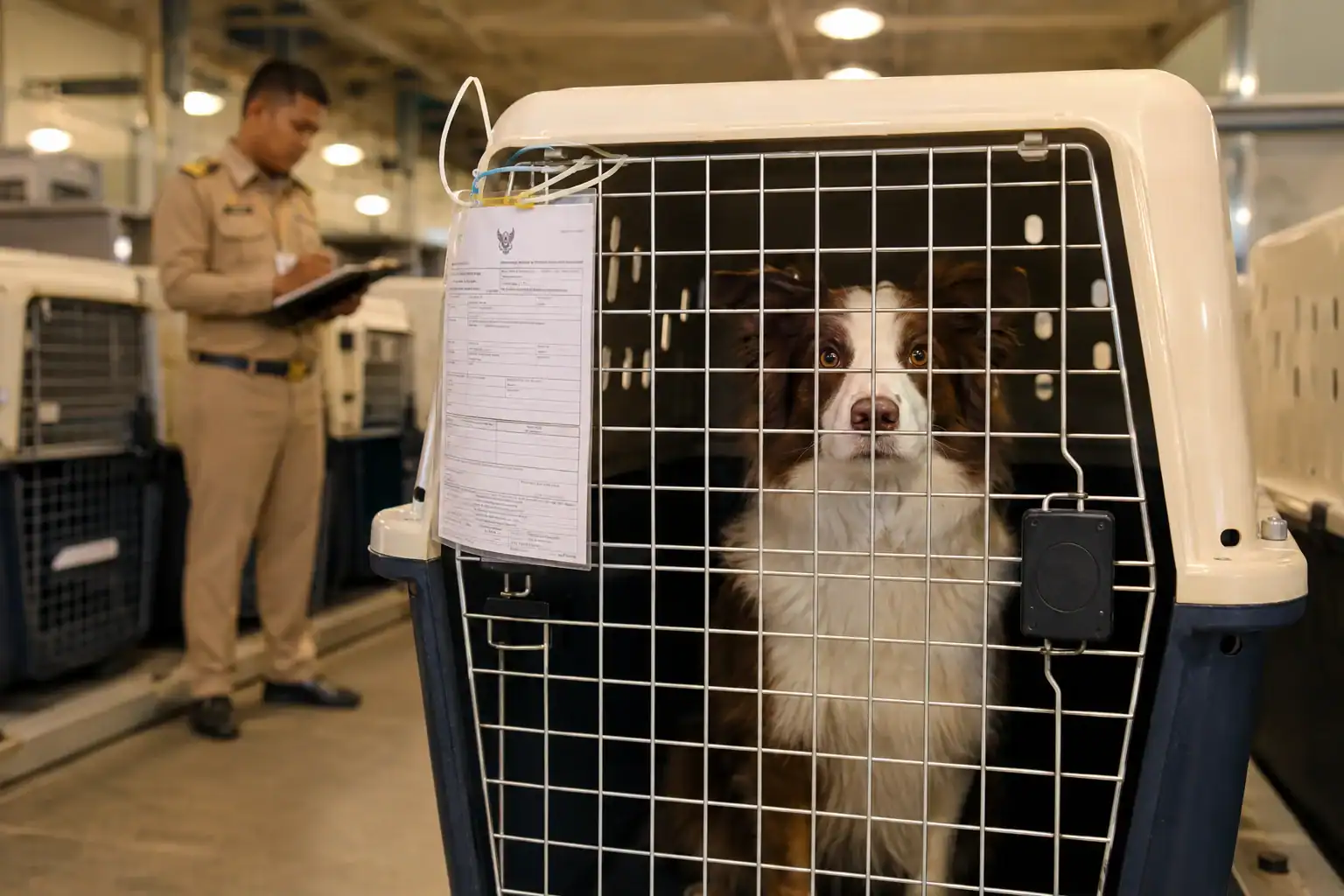
    For FCL containers selected for physical examination (Red Lane), Thai customs may require the container to be unstuffed at a nominated examination facility. The entire contents of the container are unloaded, inspected, and then repacked. Container transport, unstuffing, restuffing, and the examination fee together typically run THB 8,000–18,000 for a 20ft container. This is one reason accurate and detailed packing lists matter: a well-described shipment is less likely to be selected for full examination.

    For personal effects duty relief on FCL moves, all the standard conditions apply: valid Thai long-term residency permit at the time of customs clearance, goods must be used personal effects, goods must arrive within six months of establishing Thai residence, and this is a one-time relief per change of residence. See our full guide to duty-free import rules in Thailand for the complete conditions and documentation list.


    A sealed FCL box still lives or dies on the packing list.

    If you are not sure your declared value and item descriptions would survive a documentary check, that is worth confirming before the container is sealed.

    How Thai customs treats FCL

    Five Practical Points for FCL Container Moves to Thailand

    1. Get a home survey, not a self-estimate

    Self-estimated volumes are almost always underestimates. A professional removals surveyor who has loaded hundreds of containers will give you a reliable CBM figure. Underestimating the volume means the container has to be repacked at the depot, which costs more in time and money than booking a slightly larger container upfront.

    2. Declare goods accurately on the packing list

    Thai customs uses the packing list to decide which containers to examine. A packing list that says “household effects: 200 items” tells the customs officer nothing. A packing list that says “bedroom furniture, kitchenware, clothing (used), electronics, books” gives the officer enough information to assess risk. Accurate, specific descriptions reduce the probability of a full container examination, which adds cost and delay.

    3. Confirm your Thai visa before the container sails

    For personal effects duty relief, the Thai residency permit must be in place when the goods arrive at Thai customs. For Europe-origin moves, there are roughly 45–60 days between container sailing date and Thai customs clearance. If you are in the process of obtaining a Thai visa, confirm with your Thai agent whether the timing works. If there is any risk the visa will not be in place by the time the container arrives, factor potential duty costs into your budget.

    4. Plan the delivery address access before the vessel arrives

    A 20ft container truck is approximately 13 metres in total length. Not all Bangkok streets can accommodate this vehicle, and not all provincial locations can either. If there is a road access question at your destination address, confirm with your Thai agent before the container arrives. Otherwise, goods have to be transferred from the container to a smaller vehicle at a depot, which adds cost and time.

    5. Allow for container return time

    After delivery and unloading, the shipping line’s container must be returned to a nominated depot. Free time for container return is typically 3–5 days after delivery in Thailand. Beyond this, container detention charges apply (THB 800–2,000 per day). Plan the unloading date with enough buffer to return the container within the free period.


    We price your container layer by layer, the way this guide does.

    Tell us your route and container size and our team prices the full stack. The form takes about 60 seconds, and we come back with a free estimate.
    Get your container estimate

    So why does one 20ft container clear Laem Chabang in three days while the one behind it, carrying almost the same furniture, sits for a fortnight? It is almost never the contents. Thai customs assigns every entry to a lane before an officer has looked inside anything, and that assignment runs off the declaration: who the importer is, what visa status was claimed, whether the duty relief application was filed ahead of arrival, and how specific the packing list is. Green Lane means the entry clears on the paperwork alone. Red Lane means the container is moved to an examination area and opened, which costs days and yard charges. The practical consequence is worth being blunt about: by the time your container is on the water, you have already decided which lane it is going to get. The paperwork you filed weeks earlier is the shipment’s clearance speed. Nothing you do at the port changes it.

    Related reading: FCL to Thailand: Container Costs, Sizes, and the LCL Break-Even

    Frequently Asked Questions

    How much does it cost to ship a container to Thailand?

    The all-in cost of shipping a container to Thailand depends on the origin country, container size, and whether Thai customs duty applies. For a 20ft FCL from the UK to Bangkok, the total all-in cost (origin charges, Cape of Good Hope ocean freight and surcharges, Thai destination THC, customs broker, last-mile delivery) is typically USD 3,500–6,000 (approximately £2,800–4,800), assuming personal effects duty relief is granted. A 40ft FCL from the UK runs USD 5,500–9,000 all-in. From Australia, costs are significantly lower, because the ocean transit is shorter and surcharges are smaller. The specific total depends on the origin port, departure month (peak season surcharges apply July–September), and Bangkok or provincial delivery destination.

    What is the difference between a 20ft and 40ft shipping container?

    A 20ft container has approximately 25–28 CBM of usable space, sufficient for a two-bedroom apartment move (18–22 CBM of packed goods). A 40ft container has approximately 55–67 CBM, suitable for a three-to-four bedroom house (35–55 CBM). The 40ft container is roughly 40–50% more expensive than a 20ft on ocean freight and surcharges, but the per-CBM cost is lower once volume exceeds 25 CBM. A 40ft High Cube container adds 30cm of internal height, useful for tall wardrobes, artwork, or other items that benefit from the extra clearance.

    How long does a container take to reach Thailand?

    Port-to-port transit times to Laem Chabang, Thailand: from UK/Europe (via Cape of Good Hope), 35–50 days; from Australia, 12–18 days; from Singapore, 3–5 days; from the US West Coast, 20–28 days. Add 5–15 working days for Thai customs clearance after vessel arrival, and 1–3 days for last-mile delivery within Thailand. Total door-to-door for a UK-origin move is typically 65–90 days from packing day to Bangkok delivery.

    Can I pack a container myself, or do I need a removals company?

    You can pack a container yourself (known as an owner-packed or “said to contain” container), but this affects your marine insurance coverage. Most marine cargo insurers apply restrictive conditions or exclude claims for owner-packed containers unless a professional packing certificate is provided. For a 60-day ocean transit, professional packing and loading significantly reduces the risk of transit damage through proper furniture wrapping, carton stacking, and void-fill bracing. The cost of professional packing is small relative to the potential replacement cost of damaged furniture and personal items.

    Does a full container go through Thai customs the same way as a small shipment?

    Yes. The customs entry process and duty relief conditions are the same for FCL and LCL. The Thai customs broker files an import declaration, customs assesses the entry, and either Green Lane (automatic release) or Red Lane (physical examination) is assigned. The key operational difference is that for FCL containers selected for physical examination, the entire container may need to be unstuffed and inspected at a customs examination facility, a process that adds THB 8,000–18,000 in cost and 2–5 additional days. Accurate and detailed packing lists reduce the probability of Red Lane selection.

  • UK to Thailand Removal Cost: All Six Cost Layers Explained

    UK to Thailand Removal Cost: All Six Cost Layers Explained

    Most comparison sites give the same version of the UK-to-Thailand removal cost: a wide range (usually something like £1,500 to £8,000), with little explanation of what determines where in that range a specific move lands. The number is technically accurate and practically useless.

    Four inputs determine the actual cost of shipping household goods from the UK to Thailand: the volume of goods in cubic metres, the service level chosen (packing-included vs self-pack, door-to-door vs port-to-port), the departure port and month (which affects surcharge levels and transit time), and whether Thai customs duty applies (which depends on your Thai residency status when goods arrive). Once you know these four inputs, the cost range narrows considerably.


    A wide view down a logistics facility's length shows three distinct zones in one frame, a packing station in the foreground, a floor scale in the middle distance, and a

    The UK-to-Thailand Route

    The standard sea freight route from UK ports to Laem Chabang, Thailand changed structurally from late December 2023. Before the Houthi attacks on Red Sea shipping that began in late 2023, the standard routing was UK → Suez Canal → Indian Ocean → Strait of Malacca → Laem Chabang: approximately 28–33 days port-to-port.

    Since late December 2023, the great majority of UK-origin container shipping to Thailand is routed via the Cape of Good Hope, rounding the southern tip of Africa rather than transiting the Red Sea. BIMCO’s analysis of the disruption documented an additional 10–14 days of transit time on this routing, plus a fuel cost uplift that carriers recover through a War Risk Surcharge and increased Bunker Adjustment Factor. The Cape route is now the standard for most UK-to-Asia shipments.

    The table below gives current UK-to-Laem Chabang transit times:

    UK departure port Transit (port to port) Route
    Southampton 35–45 days Via Cape of Good Hope; direct Laem Chabang call on some services
    Felixstowe (primary) 38–50 days Via Cape of Good Hope + Singapore or Tanjung Pelepas transshipment
    Liverpool / Tilbury 40–52 days Via Cape of Good Hope + feeder and transshipment

    The single biggest driver of the spread is not the carrier, it is where your UK port sits in that carrier’s European rotation. Yang Ming’s published June 2026 schedule shows Southampton at 40 days to Laem Chabang on a single vessel with no transshipment, and lists Rotterdam at 36 days on one service and 49 on another in the same week, because Rotterdam is the last European call on one rotation and an early call on the other. Ask which service the booking is on. As of August 2026 the Red Sea picture is also mixed rather than settled: Suez transits are at their highest since January 2024 but still around 41% below pre-crisis levels, and the carriers running the direct Laem Chabang calls remain on the Cape. A Suez-routed sailing runs roughly 10 to 14 days quicker.

    Port-to-port transit does not include time at origin (packing, export clearance, container loading: typically 3–7 days) or at destination (Thai customs clearance, last-mile delivery: typically 7–15 working days). Total door-to-door from packing day to Bangkok delivery is 65–90 days for a full container, and longer for groupage.


    Volume and the LCL/FCL Decision

    The most significant cost variable in a UK-to-Thailand removal is the volume of goods, measured in CBM (cubic metres). Volume determines whether the shipment moves as LCL (less than container load, consolidated with other shippers’ cargo in a shared container) or FCL (full container load, a dedicated 20ft or 40ft container). For what those volumes look like in practice, room by room and with box counts, see the CBM size guide.

    These are approximate volume guidelines for furnished household goods (packed):

    Property size Approximate packed volume Recommended mode
    Studio / bedsit 3–7 CBM LCL
    1-bedroom apartment 8–14 CBM LCL
    2-bedroom apartment 15–22 CBM LCL or 20ft FCL
    3-bedroom house 23–38 CBM 20ft FCL
    4-bedroom house 38–55 CBM 40ft FCL

    The LCL/FCL crossover point for UK-to-Thailand removals is approximately 15–17 CBM. Below this volume, LCL is typically more cost-effective. Above it, a 20ft FCL container becomes competitive on price and you get better handling control, because only your goods occupy the container, which reduces the risk of damage from loading and unloading of adjacent consignments.

    For moves in the 15–20 CBM range, request quotes for both LCL and 20ft FCL before deciding. The total cost difference at the crossover point is often smaller than expected, and the FCL advantage in handling control can be worth the modest premium.

    At that volume the price gap is small enough that handling risk, not price, is the deciding factor: LCL means your boxes share a container and are handled alongside other consignments, which is one of the real reasons shipments get damaged.


    The Six Cost Layers

    A complete UK-to-Thailand removal generates costs across six layers. UK-based removal companies typically quote only some of them. Understanding each layer prevents post-booking surprises.

    Layer 1: UK Origin Costs

    • Packing service: Professional packing of a 2BR apartment by a team of 3: £400–700 for materials and labour. Self-pack (you pack, they collect): £0 packing cost but less protection and potential insurance complications.
    • Origin THC (Terminal Handling Charge): Felixstowe charges a THC for receiving and loading your container. For FCL: £150–250 per container. For LCL: £8–15 per CBM.
    • Export customs declaration: Post-Brexit, all household goods leaving the UK for Thailand require a formal HMRC export declaration. Your removals company files this; cost is typically £60–120 or included in the agent fee.
    • Bill of lading fee: The ocean carrier charges £30–60 for issuing the B/L.
    • LCL origin CFS fee (LCL only): £8–15 per CBM for receiving goods at the UK consolidation warehouse.

    Layer 2: Ocean Freight and Surcharges

    • Base ocean freight: LCL rate from UK to Laem Chabang: £40–80 per CBM. 20ft FCL: £1,200–2,200 all-in freight. 40ft FCL: £1,800–3,200.
    • Bunker Adjustment Factor (BAF): £30–80 per CBM (LCL) or £200–500 per FCL.
    • Low Sulphur Surcharge (LSS): IMO 2020 requirement, passed through at £20–60 per CBM or £100–200 per FCL.
    • War Risk Surcharge: Cape of Good Hope rerouting surcharge. Applies to virtually all UK-origin cargo on Asia trades: £50–150 per CBM or £200–500 per FCL.
    • Peak Season Surcharge (if applicable): Q3 (July–September) and Chinese New Year periods attract a PSS of £100–400 per FCL. Avoid Q3 shipments if cost-sensitive.

    Layer 3: Marine Cargo Insurance

    Marine insurance is not included in freight quotes unless explicitly stated. All-risks marine cargo insurance for household goods: 2–3.5% of the declared replacement value. For goods valued at £20,000, the premium is £400–700. Household goods cover is a different product from commercial marine cargo and is priced far higher: it is written on new-for-old replacement value at destination for used goods, and it extends to mould, mechanical derangement and pairs-and-sets. Commercial containerised cargo runs a fraction of this. Owner-packed cartons are normally restricted to total-loss-only and are not covered at this rate. Ocean carrier liability under the Hague-Visby Rules is capped at approximately £2.10 per kg, far below the value of household goods on a typical removal.

    Layer 4: Thai Destination Port Charges

    • Destination THC: Laem Chabang charges a destination terminal handling fee. 20ft FCL: THB 3,500–5,000 (~£80–115). 40ft FCL: THB 5,500–8,000 (~£125–185). LCL: THB 300–700 per CBM (~£7–16/CBM).
    • CFS deconsolidation fee (LCL only): THB 400–900 per CBM (~£9–21/CBM), charged by the Thai CFS operator, almost never included in UK freight quotes.

    Layer 5: Thai Customs Costs

    • Import duty: Zero if personal effects duty relief is granted (see conditions below). If not qualifying: typically 10–30% of CIF value for household goods categories.
    • VAT: 7% on CIF value plus duty. Even on qualifying personal effects, some VAT administration may apply depending on the broker’s clearance approach.
    • Customs broker fee: THB 3,000–6,000 per personal effects entry (~£70–140). Covers preparing and filing the customs entry.

    Layer 6: Last-Mile Delivery in Thailand

    • Laem Chabang to Bangkok (LCL van delivery): THB 2,000–4,000 (~£45–95).
    • Laem Chabang to Bangkok (FCL truck delivery): THB 4,000–8,000 (~£90–185).
    • Bangkok to provincial cities (Chiang Mai, Phuket, Hua Hin): THB 8,000–18,000 (~£185–415) depending on distance.
    • Building access surcharges: Bangkok high-rise buildings often require advance booking for elevator access and may apply surcharges for restricted delivery windows.

    These six layers are typical ranges for a UK move, and the only way to know where your own shipment lands is pricing your actual volume against them.

    Three distinctly different-sized groups of wrapped household goods sit staged in separate zones of a warehouse floor, a small stack for one, a medium pallet for another,

    Three Full Cost Scenarios

    The following scenarios illustrate all-in cost estimates for three representative UK-to-Thailand moves. All costs are in GBP at approximate current exchange rates (THB 45/£1, USD 1.25/£1). Ocean freight figures reflect current market rates for Felixstowe–Laem Chabang.

    Scenario 1: Studio Move (5 CBM, LCL, Bangkok delivery, personal effects qualify)

    From ~£3,585, door to door. Bangkok delivery, duty relief granted. This package price includes origin pickup, loading, packing, short-term storage, ocean transit and surcharges (including the current Cape of Good Hope War Risk Surcharge), Thai customs clearance, destination port charges, last-mile delivery, removal of packaging, and marine insurance.

    Scenario 2: One-Bedroom Apartment (12 CBM, LCL, Bangkok delivery, personal effects qualify)

    From ~£5,920, door to door. Bangkok delivery, duty relief granted. This package price includes the same inclusions as above, scaled for a larger load.

    Scenario 3: Two-Bedroom Apartment (20 CBM, 20ft FCL, Chiang Mai delivery, personal effects qualify)

    From ~£6,700, door to door. Chiang Mai delivery via Bangkok transshipment, duty relief granted. This package price includes origin pickup, loading, full packing, short-term storage, ocean transit and surcharges, Thai customs clearance, destination port charges, last-mile delivery, removal of packaging, and marine insurance.

    Treat every figure here as a budget to plan around, not a fixed quote. Nobody in this industry can responsibly price a move without knowing the details. Real costs move with things a blog post can’t account for: building access (a third-floor walk-up costs more to load than a ground-floor pickup), the time of year, and events like storms or global shipping disruptions that move freight rates with little warning. Fragile, oversized, or high-value items that need custom crating or special handling can add substantially to the total as well. The scenarios above assume a straightforward household load. Declared value also isn’t tied to room size or CBM: some people value ordinary furniture and electronics very low, while a small load of antiques or collectibles can be worth far more than a full container of everyday items. Our team works with you on your specific job and situation to give accurate, current pricing when it’s actually time to move.


    Thai Customs Duty Relief: The Conditions That Determine Whether You Pay

    Within the Thai customs layer, everything turns on whether personal effects duty relief applies. The difference between qualifying and not qualifying can be £800–3,000 in duty and VAT on a typical one-bedroom removal.

    The conditions are strict. All of the following must be true at the time goods arrive at Thai customs:

    1. Valid Thai residency permission: A tourist visa or 30/60-day visa-exempt entry never qualifies. A Non-Immigrant B visa held alongside a valid one-year work permit, or a Long-Term Resident (LTR) visa, meets the standard criteria directly. Thailand’s official relocation criteria does not name retirement (O-A/O-X), marriage-based Non-Immigrant O, or Thailand Elite among the qualifying groups, so none of those routes qualifies and duty plus 7% VAT applies.
    2. Six-month window: Goods arrive within six months before or after the importer establishes residence in Thailand.
    3. Used personal effects: Goods must be demonstrably used and for personal use: not new goods, not commercial goods, not goods intended for resale.
    4. One shipment per change of residence: The relief applies once. A follow-up shipment from the same move is assessed at standard duty rates.

    The practical implication is this: if you arrive in Thailand on a tourist visa intending to convert later, your goods will arrive at customs before your long-term visa is issued. Request duty relief and it will be denied. The duty and 7% VAT will be assessed on the CIF value of the goods.

    The solution is to apply for your long-term Thai visa at a Thai embassy or consulate in the UK before departure. Non-Immigrant B (business), O (retirement/family), and OA (retirement) visas can all be obtained in the UK, but only the B route paired with a work permit puts you inside the standard duty-relief criteria without further substantiation. For a full breakdown of qualifying conditions, see our guide to duty-free import rules in Thailand.


    Retirement and marriage visas need extra evidence to qualify.

    If your visa route isn’t Non-Immigrant B with a work permit, it’s worth confirming what evidence Thai customs will actually accept before your goods sail.

    How Thai duty relief is assessed

    At a UK export warehouse's loading bay on an overcast morning, a driver checks the final strap tension on a loaded curtain-sided trailer before departure, breath faintly

    Post-Brexit UK Export Requirements

    Since January 2021, all goods leaving the UK for non-EU destinations, including Thailand, require a formal HMRC customs export declaration (gov.uk: export goods from the UK). For household goods on a personal removal, this is filed by your removals company or freight forwarder on your behalf using the CDS (Customs Declaration Service) system.

    What you need to provide for the UK export declaration:

    • Detailed inventory of goods and estimated values
    • Your name and UK address
    • Your Thai destination address
    • A commodity code for the main goods categories (e.g. 9903.00.00 for removal goods, or specific codes for electronics, furniture)

    The export declaration must be filed before the goods are loaded for export. Goods that leave the UK without a valid export declaration face complications at the point of export, and potentially at Thai customs where import documents must match export records. Confirm with your removals company that export declaration is included in their service (most professional companies include it; some budget operators do not).


    FX Exposure: Three Currencies in One Bill

    A UK-to-Thailand removal bills you in three currencies: GBP at origin (packing, UK agent, export services), USD for ocean freight and surcharges (ocean freight is universally USD-denominated), and THB for Thai destination charges (port handling, customs broker, last-mile delivery).

    The time between booking and final payment can be 90–120 days, from the UK packing date to the final Thai last-mile invoice. During this period, GBP/USD and GBP/THB exchange rates will move. On a £4,000 total move, a 5% USD appreciation against GBP adds approximately £130 to the USD-denominated components. Build a 5–8% FX buffer into your total cost estimate if your budget is set in GBP.


    Three currencies move independently between booking and delivery, and locking in a real quote for your route is the only way to know your actual GBP total.

    Five Ways to Reduce the Total Cost

    1. Get an all-in quote before confirming

    Request a quote that explicitly itemises every cost layer: UK origin THC, B/L fee, ocean freight, named surcharges, marine insurance, Thai destination THC, CFS deconsolidation (if LCL), customs broker fee, and last-mile delivery to your specific Thai address. A quote that covers the full chain lets you compare providers on a like-for-like basis and eliminates post-arrival invoice surprises.

    2. Reduce volume before the pre-move survey

    In international removals, every unnecessary CBM adds cost at every layer: UK THC, ocean freight, surcharges, and Thai destination THC all scale with volume. A pre-move declutter that reduces a 1BR move from 14 to 10 CBM saves approximately £800–1,200 across the full cost stack on a UK-to-Thailand LCL shipment. Sell or donate furniture and appliances that you will replace in Thailand, where good-quality equivalents are readily available at lower prices than the UK.

    3. Secure your Thai long-term visa before shipment departure

    As noted above, the difference between qualifying and not qualifying for Thai personal effects duty relief can be £800–3,000 for a typical household removal. Apply for the correct Thai non-immigrant visa at the Thai Embassy in London before your goods depart. Retirement, marriage, and LTR visas are all obtainable in the UK. This is the highest-return single action available to a UK-to-Thailand mover.

    4. Avoid Q3 departures and Songkran arrivals

    Q3 (July–September) departures attract Peak Season Surcharges of £100–400 on FCL shipments. Songkran-window arrivals (goods reaching Laem Chabang in April) add 7–14 days to clearance and generate storage costs of THB 500–1,500 per CBM per week. Both are avoidable with timing. If you must move in Q3, request the PSS rate upfront and factor it into your comparison.
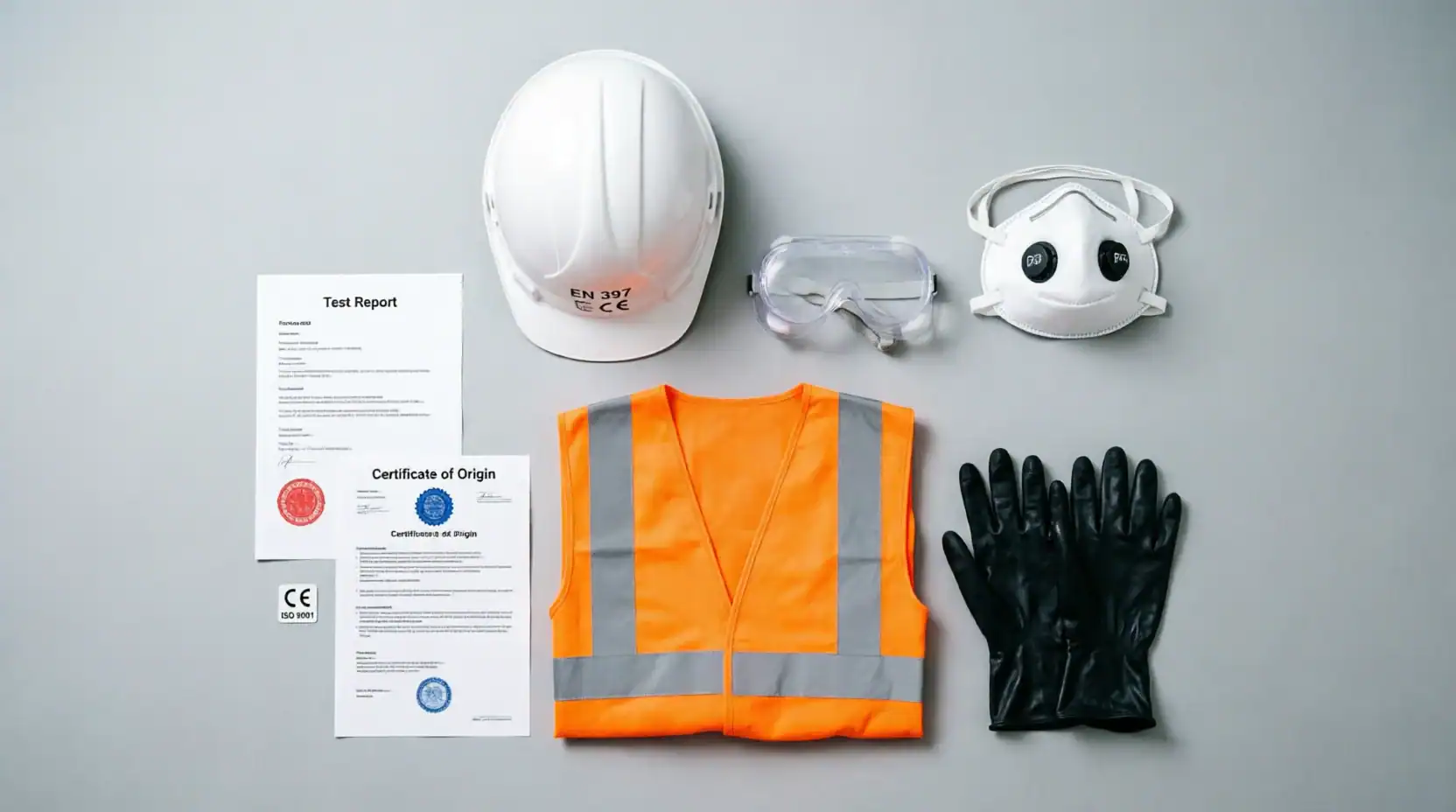
    Inside a warehouse, a stack of household boxes and furniture nearly fills a clearly outlined floor area marked with removable tape on the concrete, one worker adding

    5. Consider FCL at the 15 CBM threshold

    For moves in the 14–18 CBM range, the cost difference between LCL and 20ft FCL is often £300–600. The FCL option eliminates the CFS deconsolidation fee, reduces handling risk (your goods are not moved twice at Thai port), and typically keeps transit times more predictable. Request both quotes and compare all-in before assuming LCL is cheaper at this volume range.

    Most shipping quotes are written like they’re hiding something, and often they are. “From £2,400” tells you nothing except the cheapest possible number the company can legally print. The real cost of a UK-to-Thailand move is six separate line items: freight, origin handling, destination handling, customs clearance, duty (if it applies), and delivery. Ask any quote to break out those six lines before you sign anything. If a company can’t or won’t itemise them, that’s not a red flag about their pricing so much as a red flag about what happens when your shipment hits an unexpected charge halfway through the journey. A good quote reads like a receipt, not a headline. Ask for the receipt version.

    Related reading: Part Load Removals to Thailand: Sailing Dates, Duty and Crates

    Frequently Asked Questions

    How much does it cost to move from the UK to Thailand?

    The all-in cost of a UK-to-Thailand removal depends primarily on volume and whether Thai duty relief applies. A studio move of 5 CBM with duty relief typically runs from about £3,585, door to door. A one-bedroom move of 10–12 CBM starts closer to £5,920, and a two-bedroom move of 18–22 CBM closer to £6,700 for an LCL or FCL option. These figures include UK origin charges, ocean freight and surcharges (including the current Cape of Good Hope War Risk Surcharge), Thai destination port fees, customs broker, and Bangkok delivery.

    How long does shipping from the UK to Thailand take?

    Ocean transit to Laem Chabang is currently 35–45 days from Southampton and 38–50 days from Felixstowe, which transships, both via the Cape of Good Hope. Total door-to-door from UK packing day to Bangkok delivery is 65–90 days. Add 7–15 days for Thai customs clearance after vessel arrival, and last-mile delivery time within Thailand.

    Do I need to pay Thai import duty on my household goods from the UK?

    Not if you qualify for personal effects duty relief. The conditions: you must hold a valid Thai long-term residency permit (not tourist or visa-exempt) at the time goods arrive at Thai customs, and retirement or marriage-based Non-Immigrant O entrants fall outside the standard criteria and do not qualify; goods must be used personal effects; they must arrive within six months of you establishing Thai residence; and this is a one-time relief per move. If conditions are not met, duty of 10–30% on CIF value plus 7% VAT applies to household goods categories.

    What port do UK removals to Thailand depart from?

    Felixstowe is the primary UK export port for Thailand-bound container shipments. Southampton and Liverpool are used by some carriers and removals companies. Most removal companies collect from your property and transport goods to their partner port, and the specific departure port affects transit time by 1–3 days.

    Is a 20ft container enough for a two-bedroom move from the UK to Thailand?

    For most two-bedroom apartment moves, yes. A 20ft container has 25–28 CBM of usable load space, which comfortably accommodates 18–22 CBM of packed household goods from a two-bedroom apartment. A pre-move survey confirms actual volume. If the packed volume exceeds 22 CBM, a 40ft container avoids the risk of overpacking.

  • International Removals to Thailand: What Each Stage Costs, and the Duty Relief Rule

    International Removals to Thailand: What Each Stage Costs, and the Duty Relief Rule

    International removals to Thailand - what to expect from booking to delivery

    Most people moving to Thailand book international removals the same way they book a domestic move: find a company, get a quote, hand over the keys. The first surprise comes two weeks after the cargo leaves, when the questions start. Where is it now? What does that document mean? Why is there an extra charge? When will it actually arrive?

    International removals to Thailand are not complicated, but they are unfamiliar. The process runs through seven sequential stages, each handled by a different party. It crosses two regulatory systems, your origin country’s export rules and Thailand’s import rules, and it includes a sea voyage that runs from under a week out of Singapore to about ten weeks from northern Europe. Understanding each stage before the move starts is the difference between a process that feels managed and one that feels out of control.

    Total cost depends on origin and volume, but it is far from an afterthought: a UK move of this kind typically runs from about £1,754 for a studio-sized shipment to roughly £4,491 for a two-bedroom household. See the full UK to Thailand removals cost breakdown for all six cost layers and three scenarios. Our real cost of shipping to Thailand guide breaks down the multi-origin picture. For what door-to-door service covers at each stage, see the door-to-door shipping to Thailand explainer.


    Removals Company vs Freight Forwarder: Understanding Who You Are Booking

    Most movers do not realise their first decision is who they book the move with. International removals companies and international freight forwarders both handle cargo from your origin country to Thailand. They are not the same service.

    An international removals company is a full-service provider: they send staff to your home to inventory and pack goods, supply specialist packing materials (wardrobe boxes, dish packs, custom crating for fragile items), load the truck, manage the export process, arrange the sea freight, clear Thai customs on arrival, and deliver to your new address in Thailand. The service is designed for household goods, including furniture, and the team understands the handling requirements. FIDI-accredited removals companies operate to international quality standards across the full chain.

    An international freight forwarder handles the logistics of moving cargo: booking vessel space, managing customs documentation, arranging port handling. They typically require goods to arrive at their warehouse or depot already packed, and their service often terminates at the destination port rather than the final address. Freight forwarders are efficient and cost-effective for commercial cargo and for movers who are comfortable with self-packing and local last-mile arrangements in Thailand.

    Neither is inherently better. The right choice depends on how much of the process you want managed versus how much you want to coordinate yourself. Know which one you have booked before the move starts, so you are clear on which stages are covered and which you need to arrange independently.


    Stage 1: The Pre-Move Survey

    Every professional international removal starts with a pre-move survey, either a video call or a home visit. The survey produces an accurate inventory and volume estimate, which drives the freight quote.

    Volume is measured in cubic metres (CBM). A single room in a furnished apartment typically yields 3–7 CBM of packed goods. A full two-bedroom apartment might be 18–28 CBM. A four-bedroom house can reach 50+ CBM. These numbers matter because they determine whether your move is shipped as LCL (less than container load, consolidated with other shippers’ cargo) or FCL (full container load, a dedicated container). Not sure what your volume is? The CBM size guide shows what 3, 8, 12 and 18 CBM look like room by room.

    The LCL/FCL crossover is typically 15–18 CBM: below this threshold, LCL is usually more economical; above it, an FCL container becomes cost-competitive and you get better handling control, because your goods are the only cargo in the container. See our full explanation of shipping household goods to Thailand for the volume and service level analysis.

    At the survey stage, flag any items that require special handling: antiques, artwork, pianos, motorcycles, wine collections, high-value electronics. These require custom crating, specialist packing, or in some cases separate customs declarations. Flagging them at survey prevents problems at packing and customs.

    At this stage, also confirm the destination address in Thailand. Removal companies need to know whether delivery is to a Bangkok apartment building (requiring elevator access coordination), a villa in Phuket (truck access), or a provincial address (requiring local sub-contractor coordination in Thailand). Access conditions affect cost and scheduling.


    Professional packer wrapping a wooden dining chair in protective blanket material inside a client's home

    Stage 2: Packing

    For full-service removals, the packing team arrives one to two days before the agreed collection date. Packing a typical two-bedroom apartment takes one day with a team of three packers. A four-bedroom house typically takes two days.

    Professional international packing uses double-walled cartons, tissue and foam wrapping for fragile items, and specialist materials for specific categories: mirrored boxes for framed art and mirrors, wardrobe boxes for hanging clothing, mattress bags, and custom timber crates for high-value or oversized items.

    Every carton is inventoried by the packing team and assigned a number that matches the packing list, the document that accompanies the shipment and that Thai customs will review. The packing list describes what is in each box. A packing list that says “household miscellaneous” is less useful at Thai customs than one that says “kitchen utensils, ceramic dishes, glass tumblers × 12.” The more specific the description, the less likely a customs officer is to request an examination.

    Items you cannot ship to Thailand include firearms and ammunition (without specialist permits), illegal drugs, and certain plant and animal products. Prescription medications in quantity may require documentation. If you are unsure about a specific item, confirm with your removals company before packing day. Removing a problematic item from a packed container is expensive.


    Stage 3: Collection and Export

    Once packed, goods are loaded onto the removal truck and transported to the freight station or container loading facility. For FCL moves, the container may be loaded directly at your property if access allows. For LCL moves, goods go to the consolidation warehouse where they are combined with other shippers’ cargo into a shared container.

    The goods clear export customs at this stage. In most origin countries, an export customs entry is required. This is a government declaration of what is leaving the country and its value. In the UK, for example, the post-Brexit customs regime requires a full export declaration for household goods leaving for Thailand, including a commodity code (HS code) for the main categories of goods. Your removals company or freight forwarder handles this, but they need your passport, address details, and in some cases a packing list approved by you. UK movers will find full GBP cost scenarios in the UK to Thailand international removals cost guide.

    Export documentation for household goods typically includes:

    • Commercial invoice or inventory (describing the goods and their value)
    • Packing list (itemising every carton)
    • Bill of lading (the title document for the cargo, issued by the ocean carrier)
    • Export customs declaration (country-specific)
    • Certificate of origin (if needed for Thai customs preferential duty purposes)

    The full documentation checklist lives in our required documents for shipping to Thailand guide.


    Every stage above assumes a typical move, but real transit times, customs treatment and total cost all shift with your actual route and volume, and pricing your own Thailand move starts with those real numbers.

    Stage 4: Sea Freight, the Ocean Transit

    Once goods are loaded and export cleared, the container or LCL consolidation is handed to the ocean carrier. This is the longest stage of the move and the one with the most variability.

    The table below gives typical transit times from common origin countries to Thailand (Laem Chabang port), current as of the Cape of Good Hope rerouting:

    OriginMain departure portTransit time (port to port)Notes
    United KingdomFelixstowe / Southampton35–48 daysVia Cape of Good Hope (Red Sea rerouting since late December 2023)
    Germany / NetherlandsHamburg / Rotterdam36–49 daysVia Cape of Good Hope
    FranceMarseille / Le Havre33–45 daysVia Cape of Good Hope
    AustraliaSydney / Melbourne12–18 daysDirect or via Singapore transshipment
    SingaporeSingapore3–5 daysDirect feeder service
    ChinaShanghai / Shenzhen8–14 daysVia Singapore or direct
    USA (West Coast)Los Angeles / Long Beach20–28 daysTrans-Pacific + transshipment

    The Cape of Good Hope rerouting for Europe-origin cargo is a structural change introduced in late December 2023 following Houthi attacks on Red Sea shipping. BIMCO analysis confirms this adds 10–14 days to Europe–Asia transits compared to the historical Suez Canal route. The added fuel cost is passed through to shippers as a War Risk Surcharge and increased BAF. The Cape route is now the standard for most European carriers on the Asia trade lane.

    During the ocean transit, your goods are not accessible. The bill of lading is the legal title document. The carrier will only release the container to the holder of the original B/L or to a party with a telex release or express B/L. Keep a copy of the B/L number. You will need it for tracking and for Thai customs.

    Vessel tracking is available through the carrier’s website using the container number or B/L number. Most removals companies send weekly updates during the transit period. For a full overview of how Swift Cargo manages Thailand shipments, see the Thailand shipping process.


    Abstract editorial illustration of a household removal in transit, shifting from cool European tones to warm tropical amber, representing the journey from origin packing through to arrival in Thailand

    Stage 5: Arrival at Laem Chabang

    The great majority of international removals to Thailand arrive at Laem Chabang, Thailand’s main deep-water port, approximately 130 km south of Bangkok in Chonburi province. A smaller volume arrives at Bangkok Port (Klong Toey), which handles smaller vessels and some LCL cargo.

    When the vessel arrives at Laem Chabang, your Thai agent or the Thai branch of your removals company is notified by the shipping line. The arrival triggers a sequence of events that must be completed before goods can be released:

    1. The Thai agent receives the arrival notice and confirms documents are in order
    2. The original bill of lading is surrendered to the shipping line (or a telex release is confirmed)
    3. The Thai licensed customs broker prepares a customs import entry
    4. Thai customs processes the entry, either Green Lane (automatic release) or Red Lane (physical examination)
    5. Duty and VAT are assessed and paid (see Stage 6 for personal effects duty relief)
    6. The container or LCL cargo is released from port
    7. Goods are transported to the delivery address

    The time from vessel arrival to cargo delivery in Bangkok is typically 5–10 working days under normal conditions. This extends to 10–20 days if goods are examined, if documents require correction, or if the arrival coincides with the Songkran period (mid-April).


    Editorial illustration for the Thai customs/personal-effects clearance stage — a customs officer's desk with a typed inventory list and stamped documents, port cranes

    Stage 6: Thai Customs, Personal Effects and Duty Relief

    How Thai customs treats your removal goods depends on whether the shipment qualifies for personal effects duty relief.

    Personal effects that qualify for duty-free entry must meet all of the following conditions:

    • Qualifying status: The importer must hold a qualifying status at the time the goods arrive at Thai customs, not at the time of booking or shipment departure. Thai Customs grants the relief against documented status: a one-year Thai work permit (in practice with a Non-Immigrant B visa), a non-immigrant visa with a confirmed working period of not less than one year, Thai permanent residence, a full one-year Smart Visa, or returning-Thai-national status after 12 or more consecutive months abroad. A retirement visa is not one of them: Non-Immigrant O, O-A and O-X holders are excluded by name and pay duty plus VAT on the whole shipment.
    • Six-month residency window: The goods must arrive within six months before or after the importer establishes residence in Thailand.
    • Used goods only: Goods must be demonstrably used personal effects. New or near-new goods, particularly electronics, appliances, and clothing, may be assessed at their commercial value with duty applied.
    • One shipment only: The duty relief applies to one shipment per change of residence.
    • Owner or broker present at clearance: The Thai customs declaration for personal effects requires the importer or their authorised broker to be present.

    Goods that do not qualify for duty relief are assessed at their CIF (cost + insurance + freight) value, with import duty (typically 10–30% for household goods categories, per the Thai Customs Department) and 7% VAT applied. What qualifies, and the paperwork it requires, is explained in our duty-free import rules in Thailand guide.

    The practical implication is this: if you are moving to Thailand on a retirement visa, a tourist visa or a visa-exempt entry (30 days for UK, US, Australian and most EU passports since 15 September 2026), your goods do not qualify for duty-free entry at customs. Retirees are the largest group caught by this. The qualifying status must be in place at the time of customs clearance, not at the time of arrival in Thailand as a person.

    Your Thai customs broker will prepare and present the entry. However, the broker needs your passport copy, your visa/residency documentation, the bill of lading, the packing list, and the commercial invoice or inventory. Providing these documents before the vessel arrives prevents delays at the port stage.

    Whether your move qualifies for duty-free entry comes down to timing.

    The residency-permit timing condition catches more movers than any other rule in Thailand’s personal effects allowance.

    See the duty-relief conditions


    A delivery crew carrying a wrapped sofa up the front steps of a Thai home, warm late-afternoon light, tropical garden greenery softly visible at the edges of frame, one mover holding the door open while the other guides the sofa's base.

    Stage 7: Delivery in Thailand

    After customs release, goods are transported from Laem Chabang to the delivery address. For Bangkok addresses, this is typically a same-day or next-day truck move. For addresses in Chiang Mai, Phuket, Koh Samui, or other provinces, the delivery adds 1–3 days and a higher transport cost.

    For apartment buildings in Bangkok, the removals team coordinates with building management for truck access, elevator reservation, and move-in time slots. Many Bangkok buildings restrict deliveries to weekday daytime hours and require advance notice of 24–48 hours.

    Unpacking service (where the removals team removes goods from cartons and places furniture) is available from full-service removals companies at additional cost. Carton removal is typically included. Confirm in advance who disposes of the packing materials, boxes and wrapping, as Thai apartment buildings have variable rules.


    With the logistics mapped, build the full picture of what this move costs: the Thailand relocation cost breakdown maps every financial commitment from visa fees to first-year living costs so the shipping decision fits inside a real budget rather than sitting isolated from it. And before goods leave port, confirm marine cargo insurance for the Thailand transit. A personal effects shipment on a 55-to-70-day Cape route without coverage is a gamble on a high-stakes voyage.

    What Surprises First-Time Movers

    Five things consistently catch people off-guard on their first international removal to Thailand:

    1. The gap between the freight quote and the total cost

    The quote from a removals company typically covers packing, collection, ocean freight, and delivery. It often excludes destination port charges (THC), customs duty and VAT if goods do not qualify for relief, customs broker fee, and final-mile delivery within Thailand if the quote terminates at the port. Request an itemised all-in quote that names each cost layer before confirming the booking.

    2. The transit time

    Europe to Thailand currently takes 35–49 days port-to-port on Cape of Good Hope routing, plus packing and delivery time. Total door-to-door from the UK or Germany is typically 70–85 days. The wide port-to-port spread is mostly rotation position: the same carrier can publish 36 days from Rotterdam on one service and 49 on another in the same week, depending on whether Rotterdam is the last European call before the ocean leg or an early one. Ask which service the booking is on.

    3. The visa timing requirement for duty relief

    Many movers arrive in Thailand on a tourist visa or visa-exempt entry, intending to convert to a long-term visa once settled. If their goods arrive at customs during this period, they do not qualify for personal effects duty relief. The goods are assessed commercially. This is not correctable after the fact. The fix is to ensure the long-term visa is in place before the goods arrive in Thailand, which means applying before departure or at the Thai consulate in the origin country.

    4. Songkran delays in April

    Goods arriving at Laem Chabang between approximately 10 and 18 April encounter extended clearance times due to reduced port and customs staffing during Thailand’s Songkran festival. A move timed to arrive in April may wait 14–21 days for customs clearance instead of the typical 5–10 days. Avoid planning arrivals in this window if possible.

    5. The prohibited and restricted items list

    Thai import restrictions cover a wider range of goods than most origin countries. Beyond the obvious prohibitions (firearms, drugs), items that cause problems include soil or earth attached to plant pots, certain wooden items without phytosanitary certificates, high-value alcohol in commercial quantities, and certain electronic items without Thai regulatory approval. Review the Thai Customs prohibited goods list on the Thai Customs Department website before you move. It takes 20 minutes and prevents costly problems at the border.


    A moving folder and a passport-sized document resting beside a coffee cup on a sunlit kitchen table

    Timeline Summary: What to Do and When

    Timeline before Thailand arrivalAction
    12+ weeks beforeBook removals company or freight forwarder. Schedule pre-move survey. Confirm visa status and type required for duty relief.
    8–10 weeks beforeComplete pre-move survey. Receive and confirm quote. Arrange marine cargo insurance. Apply for Thai long-term visa if not already in hand.
    4–6 weeks beforePacking and collection. Export clearance. Cargo departs on vessel. Receive B/L number and container tracking details.
    During transit (3–70 days, by origin)Provide documents to Thai agent: passport copy, visa/residency documentation, B/L, packing list, inventory. Confirm delivery address access with building management.
    On vessel arrival at Laem ChabangThai broker files customs entry. Duty assessed. Payment arranged. Typical release: 5–10 working days.
    After customs releaseDelivery to address. Unpacking (if service included). Carton removal.

    Related reading: Part Load Removals to Thailand: Sailing Dates, Duty and Crates


    Frequently Asked Questions

    How long does an international removal to Thailand take?

    Total door-to-door time depends on the origin country. From the UK or Europe, allow 70–90 days from packing day to delivery in Thailand. The ocean transit from UK/European ports is 35–49 days via the Cape of Good Hope route (the current standard since the Red Sea rerouting of late December 2023), plus packing, export clearance, Thai customs (typically 5–10 working days after vessel arrival), and last-mile delivery. From Australia, the total is typically 25–40 days. From Singapore, 10–18 days. Build in additional buffer if your arrival coincides with Thai Songkran (mid-April) when customs clearance is slower.

    Do I need to pay customs duty on my household goods when moving to Thailand?

    Used personal effects may qualify for duty-free entry under Thai customs regulations, but specific conditions must all be met: you must hold a qualifying status at the time the goods reach Thai customs (a one-year Thai work permit, a non-immigrant visa with a confirmed working period of at least one year, Thai permanent residence, a full one-year Smart Visa, or returning-Thai-national status after 12 or more consecutive months abroad); retirement visas (Non-Immigrant O, O-A, O-X), tourist visas and visa-exempt entries do not qualify; the goods must arrive within six months before or after you establish residence; they must be demonstrably used goods (not new); and this is a one-time relief per change of residence. Goods that do not qualify are assessed for import duty (typically 10–30% for household goods categories) plus 7% VAT on the CIF value. Holding the wrong status, not missing the timing window, is the most common source of unexpected duty charges for retirees.

    What is the difference between an international removals company and a freight forwarder?

    An international removals company provides an end-to-end household goods service: a team packs your home, loads the truck, manages export customs, arranges sea freight, handles Thai customs clearance, and delivers and unpacks at your new Thailand address. A freight forwarder focuses on the logistics of moving cargo: booking vessel space, managing documentation, and arranging port handling. But a forwarder typically requires goods to arrive at their depot already packed, and their service may terminate at the destination port rather than the final address. Both can handle moves to Thailand; the choice depends on how much of the process you want managed versus self-coordinated.

    Can I ship a car or motorcycle with my household goods to Thailand?

    Importing a vehicle to Thailand is technically possible but subject to high import duty. Thai import duty on passenger vehicles is typically 80% of CIF value, with additional excise tax and VAT (see Thai Excise Department rates). The total tax burden on a mid-range European car can exceed 200–300% of the vehicle’s value. For motorcycles, duty is similarly high. Most movers find it economical to sell the vehicle at origin and purchase locally in Thailand. RHD (right-hand drive) vehicles from Australia are somewhat more practical as Thailand drives on the left, but the duty burden remains prohibitive for most. Confirm current rates with a Thai customs broker before making this decision.

    What documents do I need for my international removal to Thailand?

    The core document set for a personal effects removal to Thailand includes a detailed packing list (itemising every carton by contents), a commercial invoice or household goods inventory with declared values, the bill of lading (issued by the ocean carrier), your passport copy, your Thai visa or residency permit documentation, and your origin country export declaration. If goods include any plant-based items, wooden furniture, or used machinery, additional phytosanitary certificates or treatment documentation may be required. Your removals company or freight forwarder will advise on country-specific export requirements, but the Thai residency documentation must come from you.

  • Hidden Costs of Shipping to Thailand

    Hidden Costs of Shipping to Thailand

    The freight quote covers the vessel. Everything else arrives on a separate invoice.

    This is not a complaint about dishonest forwarders. It is how international freight pricing is structured. Ocean carriers quote the sea leg. Origin agents quote their local services. Thai customs brokers quote their clearance fee. Port operators charge their terminal handling. And none of these parties is in the same room when your shipment is booked.

    Duty and VAT mechanics referenced throughout are set by the Thai Customs Department. Check current rates there before budgeting.

    The result: a shipment with a headline freight quote of USD 800 can generate a total-cost invoice of USD 1,900 to USD 2,600 by the time the cargo reaches a Bangkok warehouse or a Chiang Mai residence. The gap is not a scam. It is the sum of legitimate, documented charges that were never part of the original quote. Swift Cargo’s Thailand shipping overview includes the cost ranges for a standard sea freight move.

    Our shipping costs to Thailand by route and volume guide breaks down the base freight rate components and current market ranges. If you have booked a door-to-door service, see our explainer on what door-to-door shipping to Thailand actually means, because “door to door” covers a range of service levels that determines which of these costs are included and which are not.


    Hidden Costs of Shipping to Thailand

    Why the Gap Exists: The Multi-Party Invoice Problem

    International freight does not have a single provider. A typical shipment to Thailand passes through four to seven separate commercial relationships: the origin freight forwarder, the ocean carrier, the transshipment terminal operator (if relevant), the destination agent or Thai customs broker, the port operator at Laem Chabang or Bangkok port, and the last-mile delivery company. Each charges separately. Each issues its own invoice.

    The freight quote you receive at the start captures one or two of these layers: usually the ocean freight and, sometimes, the origin agent’s handling fee. The rest emerge later, as the shipment moves.

    Most shippers price-compare on the quoted number and discover the real number two weeks after the cargo arrives. Know what the quote excludes before you accept it, not after.

    The categories below cover every layer. Not all will apply to every shipment. A small commercial consignment and a full-container relocation move have different cost profiles. Air freight’s hidden cost structure differs substantially from ocean shipping; the air vs sea freight comparison covers both modes in full. But the categories here are exhaustive, and the ranges are specific enough to let you build a working total-cost estimate before the first invoice lands.


    Layer 1: Origin Charges (Before the Cargo Leaves)

    Origin charges are levied at the departure country and are often excluded from ocean freight quotes unless the quote explicitly says otherwise.

    Origin Terminal Handling Charge (THC)

    The origin port charges a terminal handling fee for receiving, stacking, and loading your container or LCL consignment. For FCL (full container load) shipments, origin THC typically runs USD 120–250 per container depending on the port and carrier. For LCL (less than container load), it is charged per CBM and typically ranges from USD 8–18 per CBM.

    Bill of Lading (B/L) Fee

    Every ocean shipment requires a bill of lading, the title document for the cargo. The carrier charges a documentation fee of USD 25–75 per B/L. If the B/L needs to be amended after issue (because of a description change, weight correction, or address adjustment), amendment fees of USD 50–100 per change are typical.

    Export Documentation and Customs Clearance

    The origin freight agent handles export customs filing. This is often included in the agent’s handling fee, but on some quotes it is itemised separately at USD 50–150 per shipment. For goods that require export permits, certificates of origin, phytosanitary certificates, or fumigation certificates, additional government or inspection body fees apply, typically USD 30–100 per document.

    Cargo Receipt / CFS Origin Fee (LCL only)

    For LCL shipments, your cargo must be delivered to a Container Freight Station (CFS) at the origin port where it is consolidated with other shippers’ goods. The CFS charges a receiving fee (typically USD 10–20 per CBM) in addition to the origin THC. This fee is separate from the ocean freight rate and is frequently not included in initial LCL quotes.

    Origin chargeApplies toTypical range
    Origin THCFCL and LCLUSD 120–250 per FCL; USD 8–18/CBM LCL
    B/L feeAll shipmentsUSD 25–75
    B/L amendmentIf changes neededUSD 50–100 per change
    Export customs filingAll shipmentsUSD 50–150 (sometimes included)
    Origin CFS feeLCL onlyUSD 10–20/CBM
    Certificates (CoO, phyto, fumigation)As requiredUSD 30–100 per certificate

    Container ship at berth in a Thai port terminal in late-afternoon light

    Layer 2: Ocean Freight Surcharges (The Charges Added After Booking)

    Ocean freight rates are quoted as a base rate per container (FCL) or per CBM (LCL). On top of that base, carriers apply a series of named surcharges. Some are stable and predictable; others are applied reactively to market conditions and can change between quote and shipment.

    Bunker Adjustment Factor (BAF) / Fuel Surcharge

    Fuel is the largest variable cost for ocean carriers. The BAF is applied per container or per CBM to recover fuel cost fluctuations above the baseline assumed in the base rate. BAF rates vary by trade lane and carrier. On Asia–Thailand routes, BAF typically adds USD 50–200 per FCL or USD 3–10 per CBM for LCL. On Europe–Thailand routes, the BAF is larger: USD 200–600 per FCL.

    Low Sulphur Surcharge (LSS)

    Since January 2020, IMO regulations under MARPOL Annex VI require ocean carriers to use low-sulphur fuel (0.5% sulphur cap globally, 0.1% in Emission Control Areas). The additional fuel cost is passed through as an LSS, sometimes called a Low Sulphur Fuel Surcharge (LSFS) or IMO 2020 surcharge. The LSS applies in addition to the BAF and typically adds USD 30–100 per FCL on mid-range trade lanes.

    War Risk Surcharge (WRS)

    Since the Houthi attacks on Red Sea shipping that began in late 2023, carriers have applied a War Risk Surcharge on cargo transiting through or near the Red Sea zone. For Europe-origin cargo rerouted via the Cape of Good Hope (which remains the standard routing for most Europe–Asia trade as of mid-2026, with only partial and carrier-dependent Suez resumption), the WRS can add USD 100–400 per FCL depending on origin port and carrier. BIMCO’s ongoing Red Sea analysis has documented the structural uplift in both cost and transit time that this rerouting created.

    Peak Season Surcharge (PSS)

    Carriers apply a PSS during periods of high demand, typically Q3 (July–September) when pre-Christmas production peaks, and around Chinese New Year. The PSS adds USD 100–500 per FCL on busy trade lanes. Importers who book outside peak windows avoid this charge entirely.

    General Rate Increase (GRI)

    Carriers periodically implement GRIs: announced rate increases applied on a specific date. If your shipment moves after a GRI date but was quoted before it, the higher rate applies. Quotes are typically valid for 7–14 days, which limits the exposure on most bookings, but on slow-moving shipments the timing risk is real.

    Currency Adjustment Factor (CAF)

    Ocean freight is priced in USD, but origin and destination costs are invoiced in local currencies. The CAF is a carrier surcharge designed to hedge against USD exchange rate movements. It is small (typically 0–3% of the base rate) but adds to the total.

    SurchargeWhen appliesTypical range (per FCL)
    BAF / Fuel SurchargeAlwaysUSD 50–600 depending on trade lane
    Low Sulphur SurchargeAlways (post Jan 2020)USD 30–100
    War Risk SurchargeRed Sea / Cape reroutingUSD 100–400
    Peak Season SurchargeQ3, CNYUSD 100–500
    GRIPeriodic carrier increasesUSD 100–300
    CAFUSD/local FX movement0–3% of base rate

    Layer 3: Thai Destination Port Charges (Laem Chabang and Bangkok Port)

    Once cargo arrives at a Thai port, a separate set of charges applies at the destination before customs clearance can begin. These are charged by the port operator (the Port Authority of Thailand for Laem Chabang and Bangkok Port) and by the CFS operator for LCL shipments.

    Destination Terminal Handling Charge (THC)

    The destination THC mirrors the origin THC. It covers unloading, handling, and storage at the receiving terminal. At Laem Chabang, destination THC for FCL is typically THB 3,500–5,500 per 20ft container and THB 5,500–8,000 per 40ft container. For LCL, it is typically THB 300–700 per CBM.

    CFS Deconsolidation Fee (LCL only)

    LCL cargo arrives in a consolidated container and must be broken down at a Container Freight Station before individual consignments can be released for customs clearance. The CFS deconsolidation fee at Thai ports typically runs THB 400–900 per CBM. This is in addition to the destination THC and is frequently not included in LCL freight quotes from overseas forwarders, because it is charged by a separate Thai party.

    Port Entry / Import Declaration Fee

    A government customs entry processing fee applies to every import declaration. This is typically THB 200–500 per entry and is separate from the customs broker’s professional fee.

    Examination / Inspection Fee

    Thai Customs selects some shipments for physical examination. The rate of selection varies by HS code, shipper history, and declared value. If a shipment is selected for examination, an examination fee of THB 500–2,500 applies, along with the cost of unstuffing and restuffing a container if required, which can add THB 3,000–10,000 for an FCL container.

    Storage and Demurrage

    Containers at Laem Chabang receive a free time period of three to five days after vessel discharge. Beyond free time, demurrage (storage charges on the container itself, billed by the carrier) and detention (charges for the container leaving port without being returned) accumulate. Typical demurrage at Thai ports: USD 30–80 per container per day after free time. For LCL cargo at a CFS, storage runs THB 500–1,500 per CBM per week. Clearance delays (caused by incomplete documentation, customs queries, or the Songkran backlog) convert quickly into material storage costs.

    Thai duty and VAT are calculable in advance, not a guess.

    The ranges above are published averages. Your actual number comes from running your goods’ HS code and CIF value against Thailand’s own duty and VAT tables.

    How duty and VAT get calculated


    Boxed cargo moving along a roller conveyor toward a holding bay inside a Thai customs-processing warehouse

    Layer 4: Thai Customs (Duty, VAT, and Excise Tax)

    Thai customs costs are deterministic once you know your HS code, declared CIF value, and goods category. They are not hidden in the sense that they are unpublished. The Thai Customs Department publishes full tariff schedules. They are hidden in the sense that no freight quote mentions them, and many shippers discover them for the first time when their broker sends the duty assessment.

    Import Duty

    Thailand’s import duty rates are set by HS code. The range is wide: zero percent for some raw materials and goods covered by ASEAN free trade agreements; 5–20% for most manufactured goods; up to 80% on some agricultural goods, vehicles, and alcohol. For goods shipped from China, ASEAN-China FTA (ACFTA) rates may reduce the applicable rate to zero or near-zero if a valid certificate of origin (Form E) accompanies the shipment. For goods from other origins, the MFN rate applies.

    The base for duty calculation is the CIF value: the declared cost of goods plus insurance plus international freight. A USD 5,000 consignment shipped at USD 800 freight becomes a CIF value of approximately USD 5,840, and duty is calculated on that higher figure, not just the goods value.

    Value Added Tax (VAT)

    Thailand charges 7% VAT on imports. VAT is calculated on the CIF value plus the import duty payable, so it is a tax on a tax. For a consignment with CIF USD 5,840 and duty at 10% (USD 584), the VAT base is USD 6,424, and the 7% VAT is USD 450. The Thai Revenue Department sets and administers import VAT, and it applies to virtually all commercial goods.

    Excise Tax

    Certain goods attract excise tax in addition to import duty and VAT. Thailand’s Excise Department administers excise on tobacco, alcohol, vehicles, luxury goods, electronic appliances, and some categories of cosmetics. Excise rates vary from 5% to 400% depending on the product. Alcohol, for example, is subject to both ad valorem and specific (per-unit) excise. That combination makes the effective duty-plus-excise rate substantially higher than the tariff schedule suggests. Shippers of any goods in these categories must obtain excise tax clearance in addition to customs clearance.

    Customs Broker Fee

    Thai customs clearance requires a licensed customs broker. Broker fees range from THB 2,000–5,000 for a straightforward commercial consignment to THB 8,000–15,000 for complex shipments involving excise, multiple HS codes, or an examination. Some brokers charge a percentage of shipment value (typically 0.3–0.5%) in place of or in addition to a flat fee. The broker’s fee covers customs entry preparation, filing, and liaison with customs officers during examination. It does not cover duty, VAT, or examination fees, which are government charges paid separately.

    Thai customs costBasisTypical range
    Import dutyHS code × CIF value0–80% (5–20% for most goods)
    VAT7% × (CIF + duty)7% (fixed)
    Excise taxCategory-specific rates5–400% (selected goods only)
    Customs broker feePer entry + complexityTHB 2,000–15,000
    Entry processing feePer declarationTHB 200–500

    For goods that qualify for duty relief (personal effects accompanying a change of residence, or specific exempted categories), the duty and VAT obligations change, a shift our duty-free import rules in Thailand guide walks through condition by condition, including the paperwork it takes to qualify.


    Layer 5: Last-Mile Delivery Within Thailand

    International freight quotes almost never include last-mile delivery within Thailand. The quote terminates at the port, either at Laem Chabang or Bangkok Port. The cost of moving cargo from port to the final destination is a separate charge negotiated in Thailand.

    The range is wide:

    • Laem Chabang to Bangkok (commercial address): THB 3,500–7,000 per truck move (standard 4-wheel truck). Transit time: same day or overnight.
    • Laem Chabang to Bangkok (residential building): Add 20–40% for residential handling, floor access, elevator coordination, and weekend or time-specific delivery.
    • Bangkok to provincial cities (Chiang Mai, Phuket, Khon Kaen, Hat Yai): THB 8,000–20,000 per truck move, depending on distance and access conditions.
    • LCL delivery from CFS: LCL shipments are collected by van or small truck from the CFS. Delivery within Bangkok: THB 1,500–3,500. Outside Bangkok: higher, based on distance and access.

    For multi-piece or heavy shipments, charges for additional porters, equipment hire (pallet trucks, forklifts), or wrapping services may be added. A “door-to-door” quote that terminates at the Thai CFS is not truly door-to-door. It stops at the port-side facility, and the final leg must be separately arranged and costed.


    Inside a warehouse packing bay

    Layer 6: Marine Insurance (The Cost of Going Uninsured)

    Marine cargo insurance is not included in any freight quote unless explicitly stated and priced as a separate line item. Many shippers skip it and discover the gap when a claim event occurs.

    Ocean carrier liability under the Hague-Visby Rules (the international convention governing sea freight liability) is limited to the lower of the declared value or 2 SDR per kilogram of gross weight or 667 SDR per package. At current SDR-to-USD exchange rates, 2 SDR per kg equates to roughly USD 2.70 per kg. A 500 kg shipment worth USD 15,000 is covered for a maximum of USD 1,350 under carrier liability, less than 10% of the goods value. The carrier’s obligation ends there.

    Marine cargo insurance closes this gap. A standard all-risks marine insurance policy on goods being shipped to Thailand typically costs 0.3–0.8% of the insured CIF value. On a USD 10,000 consignment, the premium is USD 30–80. The coverage is comprehensive: loss or damage from vessel sinking, container damage, theft, and general average contributions. Read the full marine insurance breakdown for Thailand-bound shipments in our cargo insurance when shipping to Thailand guide.

    The arithmetic is straightforward. The premium is a small, known cost. The alternative (no insurance, carrier liability only) exposes the shipper to a very large, uncertain cost if something goes wrong. You are not paying the insurance premium because you expect a loss. You are paying it because the premium is modest and the cost of the unhedged outcome is not.

    None of the eight layers above disappear by ignoring them, and the only way to see the real total before you book is pricing your actual shipment against the current rate stack, not a benchmark quote.


    Layer 7: Songkran Timing (The Seasonal Storage Cost)

    Thailand’s Songkran festival (Thai New Year) runs in mid-April, typically 13–15 April, with commercial disruption extending from approximately 10 April to 18 April. During this period, Thai customs operations slow, port staffing drops, and CFS operations at Laem Chabang run on reduced capacity.

    The practical effect on shipments arriving at this time:

    • Customs clearance delay: 7–14 additional days for shipments that arrive in port during the Songkran window. Consignments that would typically clear in 3–5 days may sit for 10–14 days.
    • Storage cost accumulation: At THB 500–1,500 per CBM per week, a 5 CBM LCL shipment held for an extra 10 days incurs THB 3,500–10,500 in additional storage.
    • FCL demurrage: An FCL container held past free time during Songkran accumulates demurrage at USD 30–80 per day. This adds USD 210–560 for a week of additional delay.

    The avoidance strategy is simple: book shipments to arrive at Laem Chabang before 5 April or after 20 April. Cargo that arrives 5 working days before Songkran has a reasonable chance of clearing before the slowdown; cargo arriving 5 working days after has a clean run. Cargo arriving in the middle pays the storage penalty.


    Layer 8: Three-Currency FX Risk

    A single international shipment to Thailand routinely generates invoices in three currencies: EUR or CNY at origin, USD for the ocean freight and most surcharges, and THB for destination port charges, customs duty/VAT, broker fees, and last-mile delivery. The time between booking and final payment can be 30–60 days.

    If your budget is set in a single currency (AUD, GBP, EUR) and rates move during this window, the total cost in your home currency will differ from the estimate. On a USD 5,000 total freight invoice, a 5% USD appreciation against AUD adds AUD 250 to the cost without any change in the freight market.

    The mitigation options are: forward contracts (for large, regular shippers), booking and paying promptly on a confirmed rate, or simply building a 5–8% FX buffer into the total cost estimate for any shipment booked more than two weeks in advance of payment.


    Thai delivery truck mid-motion on a quiet Bangkok side street near a row of residential shophouses at golden hour

    The Five Avoidable Costs (And How to Avoid Them)

    Not all of the costs above are controllable. Import duty and VAT are fixed by HS code and declared value. Origin THC is levied by the port. Ocean freight surcharges are carrier pricing decisions. But several categories are genuinely avoidable with planning:

    1. Ask for an all-in quote in writing before booking

    Specify that you want a quote that includes: origin charges (THC, B/L fee, CFS if LCL), ocean freight and named surcharges, destination THC, CFS deconsolidation if LCL, and last-mile delivery to your specific address in Thailand. A forwarder who can provide this gives you a real number. A forwarder who cannot shouldn’t offer it at quote stage, because it will appear at invoice stage.

    2. Time the arrival to avoid Songkran

    A cargo with a Laem Chabang arrival date of 8–18 April generates preventable storage costs. An identical cargo arriving 25 April does not. The booking decision that determines arrival date is made 25–45 days before arrival. The Songkran window is published and predictable every year.

    3. Confirm the HS code with your Thai broker before the shipment leaves origin

    The HS code determines the duty rate. A misclassification (common when origin agents apply a code without checking Thai tariff specifics) can result in the wrong duty rate being applied. That requires amendment at the Thai customs stage. A two-minute conversation with your Thai broker, sending the product description before the shipment departs, eliminates this risk, and our required documents for shipping to Thailand guide has the complete documentation checklist.

    4. Buy marine insurance before booking, not after

    Marine insurance must be arranged before the cargo is loaded. It cannot be arranged retrospectively if damage occurs in transit. The premium is deterministic (0.3–0.8% of CIF value) and small relative to the goods value. Arranging it at booking, not as an afterthought, costs USD 30–80 on a typical commercial consignment and eliminates the carrier-liability exposure.

    5. Consolidate shipments to reduce per-unit CFS costs

    LCL shipments incur a CFS deconsolidation fee per consignment, not per CBM beyond a threshold. A shipper sending three small LCL consignments in successive weeks pays three CFS fees. A shipper consolidating those goods into one larger LCL shipment pays one CFS fee. For regular shippers with predictable cargo volume, a monthly consolidated booking pattern reduces CFS cost, origin CFS fees, B/L fees, and broker fees proportionally.


    Putting It Together: A Worked Cost Example

    To illustrate how the layers stack, consider a 6 CBM LCL commercial consignment of manufactured goods (HS code with 10% duty rate), shipped from Hamburg to Bangkok, arriving in May 2025.

    Cost layerItemEstimated cost
    Goods value (CIF basis)USD 8,000 goods + USD 1,200 freight + USD 60 insurance = CIF USD 9,260N/A
    Origin chargesOrigin THC (6 CBM × USD 12), CFS origin fee (6 × USD 15), B/L fee, export filingUSD 322
    Ocean freight + surchargesBase rate + BAF + LSS + WRS (Cape routing) + PSS (not applicable, May)USD 1,200
    Marine insurance0.5% × CIF USD 9,260USD 46
    Destination THC6 CBM × THB 500/CBM ≈THB 3,000 (~USD 84)
    CFS deconsolidation6 CBM × THB 650/CBM ≈THB 3,900 (~USD 109)
    Thai import duty10% × CIF THB 333,360 (USD 9,260 × ~36)THB 33,336 (~USD 926)
    Thai VAT7% × (CIF + duty) = 7% × THB 366,696THB 25,669 (~USD 713)
    Customs broker feeStandard LCL commercial entryTHB 4,500 (~USD 125)
    Last-mile delivery, BangkokVan delivery, commercial addressTHB 3,500 (~USD 97)
    Total estimated cost~USD 3,622

    The ocean freight quote for this shipment (if quoted only as the sea leg) might have been USD 600–800. The all-in total is USD 3,622, or 4.5–6x the headline freight number. None of the additional costs are unusual, unexpected, or the result of any error. They are the standard cost stack for a LCL commercial shipment to Bangkok.


    A logistics office desk in warm late-afternoon light: an open laptop with its screen softly out of focus, a small stack of shipping folders being squared into alignment

    The Documentation That Prevents Surprises

    Several of the cost categories above (examination fees, HS code amendments, duty reassessments) are triggered by documentation gaps. A commercial invoice with an inadequate goods description forces customs to reclassify. A missing certificate of origin means no FTA rate can be applied. A packing list that disagrees with the B/L triggers an examination.

    The preparation cost (verifying documents before the shipment departs origin) is zero. The correction cost, once cargo is in port, can run THB 3,000–15,000 in reclassification, examination, and re-entry fees, plus the delay cost of keeping a container in port while queries are resolved.

    The practical rule: send your commercial invoice, packing list, and product descriptions to your Thai broker before the shipment sails. Ask them to confirm the HS classification and the expected duty rate. A 15-minute email exchange before departure eliminates the most common source of post-arrival cost escalation.


    The importer does not hire a freight forwarder to move cargo. They hire a freight forwarder to eliminate cost surprises. These are different jobs. A forwarder can deliver efficient cargo movement and still send a final invoice 40 percent above the opening quote. That forwarder has succeeded at the stated task and failed at the actual one. Most freight quotes leave out origin THC, CFS fees, and customs broker charges. The reason is not dishonesty. It is that the quoting system was designed by carriers optimising for their own cost transparency, not the importer’s. Until importers define the job correctly (all-in cost to warehouse), the quote they receive will remain an incomplete answer to a question they did not fully ask.

    We quote every layer this article names, not the freight line alone.

    Tell us your route and volume and we price the full stack for your shipment: fixed pricing, no hidden costs, before you book.

    Get your full-stack quote

    The freight quote you see first is almost never the number you actually pay. That isn’t dishonesty so much as a very old trick of perception. The first figure you’re shown anchors your sense of what the move should cost, and every layer after it (port charges, VAT, last-mile delivery) gets judged against that anchor rather than against the true total. A forwarder who quotes the base ocean rate hasn’t necessarily hidden anything. The quote just answers the question you asked, not the one you meant. The fix isn’t suspicion of every number you’re given. It’s asking for the all-in figure before the cheap one has a chance to anchor you. Once a low number is sitting in your head, every honest line item that follows feels like a betrayal, even the ones that were always going to be there.

    Related reading: Thailand Relocation Costs 2026: Full Budget by Scenario

    Frequently Asked Questions

    Why is my total shipping bill to Thailand so much higher than the original quote?

    International freight quotes typically cover only one or two cost layers: usually the ocean freight and sometimes the origin agent fee. Destination port charges, Thai customs duty and VAT, customs broker fees, CFS deconsolidation (for LCL), and last-mile delivery are charged by separate parties and billed separately. A six-layer cost stack (origin charges, ocean freight + surcharges, marine insurance, destination port charges, Thai customs, last-mile) is standard for a complete shipment to Thailand. The total is typically 3–6x the headline freight quote depending on goods value, HS code, and volume.

    What is a destination THC and why do I pay it twice (origin and destination)?

    Terminal Handling Charges (THC) are port operator fees: the charge for receiving, handling, and loading/unloading containers. The origin port charges a THC to load your cargo onto the vessel; the destination port charges a THC to unload it. These are two separate port operators in two different countries, so two separate charges apply. Neither is included in most ocean freight base rate quotes. At Laem Chabang, destination THC is typically THB 3,500–5,500 for a 20ft container or THB 300–700 per CBM for LCL.

    Does Thailand charge VAT on imports?

    Yes. Thailand charges 7% VAT on imports, administered by the Thai Revenue Department. VAT is calculated on the CIF value of goods (cost + insurance + freight) plus the applicable import duty. This means VAT is effectively levied on a higher base than just the goods cost. For example, goods with a CIF value of THB 300,000 and 10% duty (THB 30,000) attract 7% VAT on THB 330,000 = THB 23,100. VAT applies to nearly all commercial goods imports and is paid as part of the customs clearance process before goods are released from port.

    What is a CFS deconsolidation fee and when does it apply?

    A Container Freight Station (CFS) deconsolidation fee applies to LCL (less than container load) shipments. LCL cargo from multiple shippers is consolidated into one container for the ocean voyage. At the destination port (Laem Chabang or Bangkok Port), the container must be broken down (deconsolidated) by a CFS operator before individual consignments can be released for customs clearance. The CFS charges a deconsolidation fee for this service, typically THB 400–900 per CBM at Thai ports. This fee is charged by the Thai CFS operator and is almost never included in overseas freight quotes.

    How do I avoid Songkran-related storage charges?

    The simplest way is to time your booking so the cargo arrives at Laem Chabang before 5 April or after 20 April. Thai customs operations slow during the Songkran period (approximately 10–18 April), adding 7–14 days to typical clearance times. Cargo held at a CFS incurs storage at THB 500–1,500 per CBM per week; FCL containers in port incur demurrage at USD 30–80 per day after the free period. Working backward from the desired arrival date: count 35–50 days from the origin port departure date (for Asia-origin cargo) or 55–70 days (Europe-origin via Cape route) to determine the latest acceptable vessel departure date that avoids a Songkran arrival.

    Is marine insurance included in my freight quote?

    No, unless your quote explicitly includes it as a named line item. Most freight quotes do not include marine cargo insurance. Ocean carrier liability under the Hague-Visby Rules is limited to approximately USD 2.70 per kg of gross weight or 667 SDR per package (whichever is lower), which is far below the value of most commercial consignments. Marine cargo insurance (all-risks) typically costs 0.3–0.8% of the insured CIF value and must be arranged before the cargo is loaded. It cannot be purchased retrospectively after damage occurs.

  • DAFF Biosecurity Requirements for Australian Imports: By Product

    DAFF Biosecurity Requirements for Australian Imports: By Product

    Australia’s biosecurity system asks a consistent question about every imported shipment: what biological risk does this carry, and what treatment or verification eliminates that risk before the goods enter Australian territory? The question applies equally to a container of steel pipes and a box of wooden picture frames. The answer depends entirely on what the goods are made of, whether they have been used, and where they came from. It could be nothing, a phytosanitary certificate, a heat treatment stamp on the pallet, an import permit, or a referral to a DAFF inspection facility on arrival. Federal clearance, however, is only one layer: destination state biosecurity rules apply in Western Australia, Tasmania, and the Northern Territory, and these can impose additional requirements beyond the DAFF federal threshold.

    Most importers understand that Australia has biosecurity requirements. Far fewer understand which requirements apply to their own product category and what they need to prepare before the shipment leaves the origin country. Getting this wrong is expensive: biosecurity holds at Australian ports can mean storage costs, treatment costs, and delays that cascade through the rest of the supply chain. Getting it right means the shipment clears cleanly, and the only biosecurity variable in the landed cost calculation is the one you planned for.

    This guide is organised by product category. For each category, it identifies the biosecurity risk level, the treatment or documentation typically required, and the points in the supply chain where the requirement must be addressed. It is a companion to the BICON explainer, which covers how to use the DAFF biosecurity import conditions database, and to the Australia biosecurity rules overview, which provides the legislative framework.

    DAFF Biosecurity Requirements for Australian Imports: By Product

    The Risk-Based Logic Behind the Requirements

    Before mapping requirements by category, understand the principle behind them. DAFF (the Department of Agriculture, Fisheries and Forestry) administers biosecurity at Australia’s border under the Biosecurity Act 2015. The Act is Australia’s primary legislation for managing the risk that imported goods introduce exotic pests, diseases, or invasive species into Australian territory.

    The risk assessment is pathway-based, not goods-based. The same product (timber, for example) carries different biosecurity risk depending on whether it is raw or processed, whether it has been kiln-dried or air-dried, whether it was packed in another timber product or in cardboard, and what country it came from. A finished hardwood furniture item is lower risk from a country with no exotic wood-boring beetles of concern than from a country where known invasive beetle species are present in commercial timber stands.

    BICON, DAFF’s Biosecurity Import Conditions database, exists to make this pathway-specific risk assessment available to importers before they ship. The database records the current import conditions for specific goods from specific countries, including whether a treatment is mandatory, what that treatment must be, what documentation must accompany the shipment, and whether an import permit is required.

    The categories below map the general landscape. BICON provides the specific conditions for your particular goods from your particular origin country. The border-side import requirements sit with the ABF: see ABF import requirements for the current framework.

    Timber and Wood Products

    Risk level: High to Very High (raw timber); Medium (processed/finished wood products)

    Timber and wood products attract Australia’s most complex biosecurity requirements. Wood is a natural habitat for insects, fungi, and bark pathogens, and many of them can establish in Australian forests and cause ecological and economic damage. The requirements differ substantially between raw and processed timber.

    Timber packaging (all shipments)

    This requirement catches importers of all product categories. Timber packaging covers any timber used to pack, support, or protect goods in international shipment: wooden pallets, crates, dunnage, and wooden spools. All of it must comply with ISPM 15. Compliance means the timber has been heat-treated (HT) to a core temperature of 56°C for 30 minutes, or fumigated with methyl bromide (MB), and marked with the IPPC mark. The mark is a stylised wheat stem symbol with the country code, the producer/treatment provider code, and the treatment code (HT or MB).

    Australia enforces ISPM 15 strictly and without exception. Without the correct IPPC mark, timber packaging is treated as non-compliant when it arrives at an Australian port, regardless of what the goods inside are. Non-compliant timber packaging leaves two options: approved treatment at the importer’s cost, or destruction of the packaging. Neither is cheap, and treatment may mean the shipment is held at a port biosecurity facility while it is arranged. Require ISPM 15-compliant pallets and packaging in the purchase order, before the goods are packed. That is the only way to manage this risk.

    A hi-vis-clad warehouse worker in safety glasses and gloves inspects the cut ends of a stacked timber bundle.

    Sawn and processed timber products

    Sawn timber, engineered wood products (plywood, MDF, LVL), bamboo products, rattan, and similar items are assessed against origin-specific import conditions in BICON. Many require:

    • A phytosanitary certificate from the exporting country’s National Plant Protection Organisation (NPPO) confirming the goods have been inspected and treated in accordance with Australian import conditions
    • Evidence of heat treatment (HT) or kiln-drying (KD) to the specified time/temperature schedule
    • A declaration that the goods are free from bark, soil, and live insects

    Timber from countries with higher exotic pest risk faces more stringent conditions than timber from countries with lower risk profiles. Those higher-risk origins include certain parts of Asia, Africa, and South America. Check BICON for the specific conditions applicable to your timber product and origin country.

    Finished wood products

    Furniture, flooring, picture frames, wooden kitchenware, and other fully manufactured, finished wood products present lower risk than raw timber because the manufacturing process (drying, finishing, coating) makes viable pests less likely to be present. However, if the product retains bark, appears to contain soil, or comes from a high-risk origin, it may still be referred for inspection on arrival. The key risk management steps are declaring the goods accurately (as finished furniture, not timber) and ensuring the timber packaging is ISPM 15-compliant.

    ISPM 15 catches every shipment with a timber pallet, not just timber.

    If you are not sure your supplier’s pallets carry a valid IPPC mark, that is worth confirming in the purchase order, not after the container lands.

    Get help with biosecurity prep

    Plant Material: Cut Flowers, Seeds, and Dried Plants

    Risk level: High (fresh/dried plant material, seeds); Low–Medium (processed plant products without viable reproductive material)

    Plant material is anything that was once a living plant and retains biological material. It is subject to DAFF biosecurity assessment because it may carry plant pathogens, seeds of invasive species, or insects. The requirements vary by whether the material is fresh, dried, or processed.

    • Fresh cut flowers and foliage: Import conditions vary by species and origin. Some species require phytosanitary certificates, some require treatment (cold treatment, fumigation), and some are prohibited from specific origins. Check BICON by species name and origin country before placing an order.
    • Dried flowers, dried plant parts, and potpourri: Generally require declaration and may require inspection. Products may be directed to DAFF inspection if they retain seeds, berries, or bark elements from plants not known in Australia.
    • Seeds for planting: Require an import permit from DAFF for most species. Seeds without a valid import permit will be seized and destroyed at the border.
    • Processed plant products (essential oils, dried spices, herbal extracts): Lower risk because the processing destroys most biological material. Typically clear without specific biosecurity treatment, though labelling compliance (ingredients, country of origin) is required for food products.
    Inside a bonded food-import warehouse, a staff member checks the temperature-indicator strip on a single sealed carton pulled from a pallet of imported packaged food,

    Food Products

    Risk level: Variable, from Low (packaged processed foods) to Very High (fresh produce, animal-origin products)

    Food imports to Australia span a wide risk spectrum depending on whether the product is of animal or plant origin, how processed it is, and where it came from. Australia’s food biosecurity framework sits within DAFF’s broader biosecurity mandate and is also subject to Food Standards Australia New Zealand (FSANZ) food safety standards.

    Packaged and processed food products

    Fully processed, commercially packaged food products generally present low biosecurity risk and clear without specific DAFF treatment. This category includes canned goods, dried goods, confectionery, sauces, condiments, noodles, and snack foods. The primary requirements are accurate declaration of the goods (including all ingredients) and compliance with Australian food labelling standards (English-language labels, allergy declarations, country of origin). An import value above AUD 1,000 also triggers a formal customs entry declaration. Certain nuts, seeds, and spices may trigger DAFF inspection even in processed form.

    Meat and animal-origin food products

    Products of animal origin include meat, poultry, seafood, dairy, eggs, and honey. These are subject to the most complex Australian import conditions of any food category. Most require:

    • An import permit issued by DAFF before the goods are shipped
    • A health certificate from the competent authority in the exporting country confirming the goods meet Australian import conditions
    • Compliance with Australia’s specific conditions for the species and origin (which may require the producing establishment to be DAFF-approved)

    Certain cuts of fresh beef, pork, and poultry from specific countries are prohibited or face highly restricted import conditions due to exotic animal disease risk. BICON is the authoritative source for current import conditions by product and origin. Without a valid import permit, animal-origin food products must be destroyed at the importer’s cost.

    Fresh fruit and vegetables

    Fresh horticultural produce faces some of the most restrictive import conditions in Australia’s biosecurity system, because fresh plant material is a primary pathway for exotic pests and diseases. Many fresh fruit and vegetable lines are prohibited from specific origins, or permitted only after treatment that must occur before or during shipment: vapour heat treatment, cold treatment, or methyl bromide fumigation. The specific conditions for each commodity and origin combination are recorded in BICON and can be highly technical, involving approved treatment facilities, temperature and time schedules, and phytosanitary certification by the exporting NPPO.

    A gloved worker lifts a folded gray garment from an open box of neatly folded clothing under a glass warehouse roof.

    Textiles, Leather, and Apparel

    Risk level: Low (new finished goods); Medium (second-hand clothing and textiles)

    Clothing, footwear, bags, upholstery fabric, and other new, finished textile and leather goods generally present low biosecurity risk and do not require specific DAFF treatment before importation. The manufacturing and finishing process removes or destroys most biological material that was present in the raw fibre or hide. Cardboard packaging (rather than timber) avoids the ISPM 15 requirement entirely.

    Second-hand clothing and used textiles are a different matter. Used garments may carry soil, seeds, or other biological material embedded in the fabric, particularly in the seams and pockets. DAFF requires that second-hand clothing be laundered and heat-dried before importation, with documentary evidence of the treatment provided with the shipment. Second-hand clothing arriving without treatment evidence will be directed to on-arrival treatment or to destruction.

    Leather goods from crocodile, python, ostrich, and other exotic animals may also require CITES permits, depending on the species and the origin country’s regulatory status. CITES is the Convention on International Trade in Endangered Species, and its permits are administered separately from DAFF biosecurity permits.

    Every category above has its own document, its own timeline, and its own cost if you miss it, and pricing your import with prep built in avoids finding out the hard way.

    Used Machinery and Equipment

    Risk level: High to Very High (outdoor, agricultural, mining, construction use); Medium (indoor/office equipment)

    Used machinery is among the highest-risk import categories in Australia’s biosecurity system. Equipment used in outdoor, agricultural, mining, or construction settings has been in contact with soil, plant material, seeds, water, and potentially insects over its working life. Some of that contamination is very difficult to clean completely. Exotic weed seeds, soil-borne pathogens, or insects embedded in machinery can survive transit and establish in Australian environments.

    DAFF requires used machinery to be cleaned to a “visually clean” standard before shipment. This means:

    • All soil, plant material, seeds, and organic debris removed from all surfaces, including undercarriages, wheel arches, engine compartments, and concealed internal cavities
    • High-pressure washing with attention to hard-to-reach areas
    • A cleaning declaration accompanying the shipment, confirming the date, location, and method of cleaning

    On arrival at an Australian port, used machinery is routinely referred to DAFF for inspection. If the inspector finds residual contamination, the machinery is directed to an approved treatment facility for on-arrival cleaning, fumigation, or heat treatment. This happens at the importer’s cost, with storage costs accumulating while the treatment is arranged. The best evidence of compliance is a pre-export cleaning report from a reputable cleaning contractor in the origin country. That report often avoids on-arrival referral.

    Office equipment, IT hardware, and medical equipment used in indoor environments are lower risk but should still be declared accurately. Even indoor equipment can be referred for inspection if it has soil or organic residue from use near plant materials.

    The same standard applies to used vehicle parts: engines, gearboxes, and suspension assemblies collect the same soil and organic contamination as machinery undercarriages. See our guide to importing auto parts to Australia for the cleaning and inspection rules that apply specifically to used automotive components.

    Biosecurity inspection of goods arriving in Australia

    Stone, Ceramics, and Minerals

    Risk level: Very High (soil-contaminated or raw mineral products); Low (manufactured stone and ceramic goods)

    Tiles, stone countertops, ceramic tableware, decorative stone items, and other manufactured stone and ceramic products are generally low biosecurity risk because the manufacturing process kills biological material. Standard declaration and accurate goods description are the primary requirements.

    Raw minerals, rocks, and geological specimens are different. Soil is a prohibited import into Australia. It is one of the highest-risk pathways for exotic soil-borne pathogens, nematodes, and plant diseases. Minerals and rocks with visible soil contamination will be seized. Even mineral specimens that appear clean may be referred for inspection and treatment. Importers of rocks, minerals, and geological specimens should ensure goods are cleaned of all soil and organic material before export and declare them accurately on the import entry.

    Mandatory DAFF intervention on arrival applies to soil attached to roots, bulbs, potted plants, agricultural equipment, and any other soil-contaminated products.

    Animal Products (Non-Food)

    Risk level: Medium to High (depending on species and processing)

    Feathers, bones, shells, untanned hides, horn, antler, natural bristles, and other animal-derived products used in manufacturing or retail carry biosecurity risk because they may harbour exotic diseases or parasites. The biosecurity requirements depend on the species of origin, the country, and the degree of processing:

    • Feathers (commercial, cleaned, and sterilised): Require a phytosanitary or veterinary health certificate confirming treatment. Pillow fill and duvet feathers from approved manufacturers in major origin countries (China, Europe) generally clear with appropriate certificates.
    • Untanned hides and raw leather: High biosecurity risk; require specific import conditions that may include treatment and veterinary certification.
    • Bone and horn products: Require health certificates from the exporting country’s competent authority. Products from countries with foot-and-mouth disease or BSE status concerns face more restrictive conditions.
    • Shells (cleaned and treated): Lower risk but must be declared accurately. Shells with organic residue may be directed to inspection.

    Chemicals and Industrial Products

    Risk level: Low (finished industrial products); the chemical content is an MSDS and customs classification issue rather than a DAFF biosecurity issue for most categories

    Most finished industrial chemicals, paints, lubricants, adhesives, and similar products do not present significant biosecurity risk because they are inorganic or fully processed materials without biological content. The primary compliance requirements for chemical imports are customs classification (which determines duty rate), dangerous goods classification for transport (which determines freight mode and documentation), and Australian chemical regulation (AICIS, the Australian Industrial Chemicals Introduction Scheme, for industrial chemicals).

    Some fertilisers and agricultural chemicals may contain biological material, such as compost, manure, or biological pesticides. These products are assessed under DAFF biosecurity requirements and may require import permits.

    An elevated view of a warehouse floor shows separate zones of stacked timber, boxed goods, wrapped textile bales, and machinery crates.

    The Summary Reference Table

    Product category DAFF biosecurity risk Typical requirement Key document
    Timber packaging (all shipments) High ISPM 15 treatment (HT or MB), mandatory IPPC mark on packaging
    Raw / sawn timber Very High Heat treatment / phytosanitary certificate Phytosanitary certificate (NPPO)
    Finished wood products / furniture Medium ISPM 15 packaging + accurate declaration Packing list, IPPC mark
    Fresh cut flowers and foliage High Species and origin-specific: check BICON Phytosanitary certificate (NPPO)
    Seeds for planting Very High Import permit required DAFF import permit
    New finished textiles / clothing Low Accurate declaration only Commercial invoice / packing list
    Second-hand clothing Medium Laundering and heat-dry treatment + declaration Treatment declaration
    Meat and animal-origin food Very High Import permit + health certificate (mandatory) DAFF import permit, health certificate
    Packaged processed food Low–Medium Accurate declaration + labelling compliance Commercial invoice, labels
    Fresh fruit and vegetables Very High Commodity-specific: check BICON; may be prohibited Phytosanitary certificate, treatment records
    Used machinery (outdoor use) Very High Pre-export cleaning + cleaning declaration Cleaning declaration
    Raw minerals / rocks (soil present) Very High Cleaning of all soil; may be referred on arrival Cleaning declaration
    Finished stone / ceramics Low Accurate declaration Commercial invoice
    Feathers (cleaned / commercial) Medium Veterinary/phytosanitary health certificate Health certificate
    Soil (any amount) Prohibited Cannot be imported into Australia N/A

    What Happens When Biosecurity Requirements Are Not Met

    When a shipment arrives at an Australian port and DAFF determines that biosecurity requirements have not been met, the options are set by the Biosecurity Act 2015 and directed by biosecurity officers authorised by DAFF, who work with ABF officers to inspect cargo at the border. The four possible outcomes are:

    1. Re-export. The goods are sent back to the origin country at the importer’s cost. Freight, port storage, and re-export logistics accumulate quickly.
    2. On-arrival treatment. The goods are directed to an approved treatment facility for fumigation, heat treatment, or wash-down, at the importer’s cost. Storage costs run from the day of arrival to the day treatment is completed and the goods are released. For large shipments requiring specialist treatment, this can take days to weeks.
    3. Modification or re-packing. For packaging non-compliance (e.g., ISPM 15-non-compliant pallets), the goods can sometimes be re-packed in compliant materials at the port at the importer’s cost.
    4. Destruction. A biosecurity officer can require destruction when the goods cannot be effectively treated. It is also an option the importer can take: if a required treatment is likely to damage the goods and the importer does not agree to it, DAFF can ask the importer to arrange destruction or export instead.

    None of these outcomes is free. All of them are more expensive than correctly preparing the shipment before it leaves the origin country. The cost of a pre-export phytosanitary certificate is typically USD 50–200. The cost of an on-arrival treatment and hold for a 20-container shipment can run AUD 5,000–20,000 or more, plus the cascading cost of delayed delivery to the buyer.

    These four outcomes are also a major cause of the customs holds importers report after cargo arrives. For the full breakdown of what a hold costs and how to prevent one, see what causes customs delays when importing to Australia.

    A hi-vis-vested worker studies a laptop at a warehouse side desk beside a single plain-labeled cardboard box.

    Checking BICON Before Every New Product Line

    The BICON database, accessible at bicon.agriculture.gov.au, is the operational tool that maps the specific import conditions for specific goods from specific countries. It is searchable by goods description, HS code, and country of origin. Each search returns the current import conditions, including whether a permit is required, what treatment documentation must accompany the goods, and whether the goods are prohibited.

    For established import programs, BICON should be checked when adding a new product line, changing a supplier country, or changing the goods category, not just once at program inception. Biosecurity import conditions change when pest or disease risk assessments are updated, and conditions that applied 18 months ago may have been revised.

    For a detailed walkthrough of how to use BICON to check import conditions for your specific goods, the BICON explained guide covers the database structure, search methodology, and how to interpret the conditions returned.

    The broader legislative framework is set out in full in the Australia biosecurity rules overview. That overview covers the Biosecurity Act 2015, DAFF’s role, and the historical context of Australia’s strict approach.

    To discuss biosecurity documentation for a specific import program, get a quote from Swift Cargo. We work with customs brokers experienced in DAFF compliance across timber, food, textiles, and used goods categories.

    Most importers fail the biosecurity screen because they asked the wrong question, not because they chose a prohibited product. The question “is this product allowed into Australia?” has a technically correct answer that is almost useless in practice. The right question is: “what does DAFF need to see before this product will be released?” Those questions produce different preparation. The first leads to a yes/no lookup. The second leads to a pre-shipment checklist: the certificate of fumigation, the phytosanitary paperwork, the import permit application lodged four weeks before arrival. The product category tables in this guide are built around the second question.

    Product teams run discovery sprints before committing to delivery timelines because some risks take longer to resolve than others. DAFF biosecurity routing works on the same logic. Untreated timber, used machinery, live plant material, and other high-risk product categories require more than additional documentation. They require inspection time that a freight booking cannot compress. Build it in at the discovery phase. A product that needs heat treatment or ISPM 15 certification adds days to the pre-shipment stage. A product that needs an import permit may add weeks.

    Importers routinely get one discipline point wrong here: the biosecurity outcome is yours to own, not your broker’s. When a container is held for a treatment order or a failed inspection, the storage bills, the demurrage, and the missed sales window all land on your account, no matter who filled in the paperwork. Owning that means you check the BICON case for a commodity before you place the purchase order, not after the vessel has sailed. It also means you build the treatment cost and the inspection lead time into your landed price from the start.

    We build your biosecurity prep into the quote, not a surprise later.

    Most SMEs receive a detailed, all-inclusive quote within 24 hours, no hidden fees, with the biosecurity documentation mapped out from day one.

    Start your import quote

    A shipment that clears Australian biosecurity without a hold is not proof the paperwork was right. It is one outcome, and a good outcome does not always mean a good process. Suppose an importer skips the BICON check on a new product line and gets waved through. That importer has learned nothing about whether the next shipment on the same line will clear too. DAFF’s inspection rate is itself a probability, not a guarantee, and treating an unchecked pass as validation is the error to avoid.

    Related reading: Packing Declaration Accuracy, Not Cargo, Triggers DAFF Biosecurity Inspections

    Frequently Asked Questions

    What biosecurity requirements apply to timber and wood products imported into Australia?

    All timber packaging (pallets, crates, dunnage) on every shipment must comply with ISPM 15, regardless of what the goods are. That means heat treatment or fumigation, plus the IPPC mark. Sawn and processed timber products require phytosanitary certificates from the origin country’s NPPO and often heat treatment evidence. Finished wood products (furniture, flooring) are lower risk but must be free of soil and bark, and their timber packaging must still be ISPM 15-compliant. Raw logs are very high risk and face the most restrictive conditions.

    Do finished textile goods require biosecurity treatment to enter Australia?

    New finished textiles (clothing, fabric, footwear) generally do not require biosecurity treatment and clear with standard declaration. Second-hand clothing requires documented laundering and heat-drying treatment before import, as used garments may carry soil, seeds, or other biological material. Cardboard packaging (used by most apparel exporters) avoids ISPM 15 timber packaging requirements entirely.

    What is the biosecurity risk for used or second-hand machinery imported into Australia?

    Very high. Machinery used outdoors or in agriculture, mining, or construction may carry soil, seeds, and insects in hard-to-reach areas. DAFF requires pre-export cleaning to a visually clean standard, supported by a cleaning declaration. On-arrival inspection is routine for used machinery, and any residual contamination must be treated on arrival at the importer’s cost. Pre-export cleaning by a professional contractor with documentation is the most cost-effective approach.

    Is my biosecurity requirement based on what the product is, or on something else?

    On the pathway, not just the product category. DAFF’s risk assessment follows the specific pathway your goods took, not a fixed label attached to the product type. The same timber item can sit at opposite ends of the risk scale depending on whether it’s raw or kiln-dried, what it was packed in, and which country, even which region within that country, it shipped from. A finished hardwood item from a country with no reported exotic wood-boring beetle of concern is a different risk than the identical item from a country where one is established in commercial timber stands. That is also why a condition that applied to your supplier eighteen months ago can be wrong today: the pathway’s risk rating gets reassessed on new evidence; the product description on your old paperwork doesn’t update itself. Check BICON by HS code, goods description and country of origin together, every time a product, supplier or origin changes, not just once when you onboard a new line.

    What does ISPM 15 mean and does it apply to my shipment?

    ISPM 15 is the international standard for timber packaging materials (wooden pallets, crates, dunnage). It requires that all timber packaging used in international shipments be heat treated (HT) or methyl bromide fumigated (MB) and marked with the IPPC stamp showing the treatment code. Australia enforces ISPM 15 strictly: non-compliant timber packaging is directed to treatment or destruction on arrival at the importer’s cost, regardless of whether the goods inside are low risk. ISPM 15 applies to the packaging, not the product. Every shipment using timber packaging must comply.

  • Moving Dogs and Cats from Europe to Thailand: DLD Permit, Quarantine, and Costs

    Moving Dogs and Cats from Europe to Thailand: DLD Permit, Quarantine, and Costs

    Moving Pets from Europe to Thailand: DLD Permit, Quarantine, and Costs

    Dog and Cat Transport from Europe to Thailand: What the Process Requires

    Your pet is coming with you. That decision is made. The paperwork and the timeline are what make it possible. Get both right and your dog or cat clears the Animal Quarantine Station at Suvarnabhumi in an afternoon and travels home with you the same day. Get it wrong and the consequences range from your pet being detained for up to 30 days to being refused entry and flown back to Europe at your expense, while you work out what went wrong from the arrivals hall. Getting it wrong is usually something small: a missing permit, a vaccine administered too close to the departure date, a health certificate issued one day outside the 10-day window.

    Thailand’s pet import process is manageable, but it is specific, sequential, and unforgiving of shortcuts. This applies to dogs and cats only, the most common pets brought by European relocators. Birds, reptiles, rabbits and rodents fall under different Thai rules, covered in their own section below.

    Pet carrier at Thailand airport with customs DLD inspection in background

    Thailand’s Pet Import Authority: The DLD

    All pet imports to Thailand are regulated by the Department of Livestock Development (DLD) under the Ministry of Agriculture and Cooperatives. The DLD’s Animal Quarantine Inspection Office is the authority that issues import permits, specifies the documentation requirements, approves quarantine facilities, and inspects your pet when it arrives at the Thai port of entry.

    The DLD is the starting point for the entire process. You need to understand what the DLD requires for your specific origin country and your specific animal before you book your flight, before your vet issues any certificate, before you contact an airline about pet transport. Requirements can change, so the DLD’s official position on specific countries’ documentation is the only authoritative source. A pet relocation agent or freight forwarder who works regularly with the DLD will know about any recent changes to requirements.

    The Five Documents You Need Before Departure

    A pet moving from Europe to Thailand requires five documents, and three of them must be completed in a specific order, at specific times. Getting the sequence wrong means starting again.

    1. ISO-standard microchip

    Your pet must be implanted with a microchip conforming to ISO standards 11784 and 11785: a 15-digit passive transponder readable by a universal scanner. Most European pets already carry an ISO-standard microchip. The EU pet passport system has required them for travel within Europe since 2011, and the UK maintained this requirement post-Brexit.

    The sequencing here is critical: the microchip must go in before the rabies vaccination, not after. Thai authorities and most European official veterinarians will not accept a certificate linking a vaccination to a microchip that was implanted after the vaccination date. If the chip went in after the vaccination, the vaccination record cannot be linked to the microchip at the point of implantation, and the entire vaccination history restarts from a new primary vaccination.

    If your pet is already chipped and vaccinated in the correct order, you are ready to proceed. If not, the timeline resets to the date of the new rabies vaccination.

    2. Rabies vaccination certificate

    Your pet must have a current, valid rabies vaccination. The requirements:

    • Primary vaccination: If this is your pet’s first rabies vaccination, it must be administered at least 21 days before the scheduled arrival date in Thailand. A vaccination given less than 21 days before arrival will not be accepted, because the immune response is considered incomplete.
    • Booster vaccination: If your pet has had previous rabies vaccinations and this is a booster within the valid period of the previous vaccination, the 21-day waiting period does not apply, but the vaccination must still be current (not expired) at the time of arrival in Thailand.
    • Validity: Rabies vaccinations are typically valid for one or three years depending on the vaccine used. The certificate must show the vaccination date, the vaccine product name and batch number, and the administering veterinarian’s details.
    A veterinarian gently checking a calm medium-sized dog on an exam table in a bright European clinic, the dog relaxed and attentive with ears up, natur

    3. Thai DLD import permit

    This is the document most European pet owners discover too late. The Thai DLD import permit is a mandatory authorisation that must be obtained before your pet departs Europe. Without it, your pet cannot be legally imported into Thailand. Airlines will not accept a pet for transport to Thailand without confirmation that the import permit has been arranged or is in process.

    Submit the permit application to the Thai DLD Animal Quarantine Inspection Office. The application requires your pet’s microchip number, the current rabies vaccination certificate, your Thai destination address, your intended port of entry (Suvarnabhumi for most European arrivals), and your intended travel dates. Processing takes approximately 2–4 weeks. Apply as early as possible. The recommended lead time is 8–10 weeks before your intended departure date.

    The permit specifies the port of entry and the Animal Quarantine Station that will clear your pet on arrival. You cannot arrive at a different airport than the one stated on the permit. If your travel dates change after the permit is issued, you will need to contact the DLD to amend it, which takes additional time; the permit itself is valid for 60 days from issue.

    4. Official health certificate

    The health certificate must be issued by an Official Veterinarian: a veterinarian registered with the national veterinary authority in your country and authorised to issue export health certificates. In EU member states, this is a veterinarian registered with the national competent authority (equivalent to APHA-registered in the UK). A certificate issued by a regular private vet, even a well-qualified one, is not acceptable. It must be an Official Veterinarian.

    The timing is strict: the certificate must be issued within 10 days of the scheduled arrival date in Thailand. Not 10 days before departure: 10 days before arrival. If your journey from Europe to Bangkok takes 15 hours with a layover, and your certificate was issued 9 days before your Bangkok arrival date, it is valid. If it was issued 11 days before your Bangkok arrival date, it is out of window and will be rejected by Thai customs.

    The health certificate must confirm the animal’s species, breed, age, sex, and colour; the microchip number; current rabies vaccination details including the date, vaccine name, and batch number; the animal’s freedom from signs of infectious or contagious disease on the date of examination; and fitness for air travel. Use the format specified by the Thai DLD. Your Official Veterinarian can obtain it from the DLD or from a pet relocation agent.

    5. Airline transport documentation

    Each airline sets its own forms, declarations, and booking requirements for pet transport. These are separate from the Thai DLD documentation and must be arranged directly with the airline. The airline documentation typically includes booking confirmation for the pet (which must be made separately from your passenger booking and is subject to availability), the airline’s own health declaration form (often required at check-in), and the IATA Live Animals Regulations label and container requirements confirmation (see the airline section below).

    Quarantine in Thailand: When It Actually Applies

    Thailand does not routinely quarantine imported dogs and cats. A pet that arrives healthy, carrying a valid DLD import permit, an ISO microchip that scans and matches its paperwork, and vaccination and health certificates inside their validity windows, is inspected at the Animal Quarantine Station at the port of entry and released to its owner the same day. The Royal Thai Embassy states the position plainly: as long as pets do not show any sign of illness, they would not be quarantined.

    What happens on arrival is an inspection, not a detention. A DLD officer at the Animal Quarantine Station checks the documents against the animal, scans the microchip, and confirms that the microchip number matches the number on the permit, the vaccination record and the health certificate. The DLD’s own instruction sheet for arriving pets is explicit about the outcome: if the documents are complete, the animal is released on the arrival date, and a processing fee of 500 baht per pet is charged with a receipt provided.

    Quarantine is a discretionary power, not a standing requirement. Under the Animal Epidemics Act B.E. 2558 (2015), the quarantine officer at the port of entry may detain an animal for up to 30 days for whatever tests or treatment the officer judges necessary. That discretion is exercised for a short and predictable list of reasons:

    • The microchip will not scan, or its number does not match the paperwork
    • The import permit is missing, expired, or names a different port of entry
    • The health certificate falls outside its 10-day validity window
    • A required vaccination is missing, out of date, or was given inside the 21-day waiting period
    • The animal shows clinical signs of disease at inspection

    Detention is not the only failure outcome, and it is not the worst one. The DLD warns that where an animal does not meet the import requirements on arrival, the importer may be fined or the animal returned to the country of export at the owner’s expense. A paperwork error can put your pet back on a plane to Europe.

    Where a pet is detained, it is held at an approved Animal Quarantine Inspection Station, and for arrivals into Suvarnabhumi that is the station operated by the DLD at the airport. Owners can normally visit during station hours and bring familiar items such as a blanket or a toy. Costs are charged per day per animal and fall to the owner. Daily rates are set at facility level rather than published as a single national tariff, so treat the following as indicative and confirm the current figure with the Animal Quarantine Station when you apply for your permit:

    • Dogs: approximately THB 150–300 per day
    • Cats: approximately THB 100–200 per day

    On that basis, a 14-day detention for one dog runs approximately THB 2,100–4,200 (USD 60–120), and a 30-day detention approximately THB 4,500–9,000 (USD 130–260). Those are contingency figures, not a line every owner pays. The arrival cost most European owners actually meet is the 500 baht per animal entry fee, in cash, and nothing beyond it. If your pet is detained, the DLD issues a release certificate at the end of the period; bring your passport, the import permit, the health certificate and the fee receipt when you collect.

    Airline Requirements for Pet Transport to Thailand

    Airlines are the second regulatory layer in the pet transport process. The International Air Transport Association (IATA) publishes the Live Animals Regulations (LAR), a set of standards that govern how live animals must be transported on commercial flights. Most international airlines adopt the IATA LAR as their baseline, with additional airline-specific policies on top.

    In-cabin vs cargo hold

    Most airlines cap in-cabin pet transport at around 6–8 kg including the carrier. That means most adult dogs must travel in the cargo hold as accompanied excess baggage or unaccompanied freight. Cats and small dogs under the weight limit may qualify for in-cabin travel on airlines that permit it. Check the specific airline’s policy for the route you are booking.

    For cargo hold transport, the animal travels in the temperature-controlled and pressurised cargo compartment: the same physical environment as the passenger cabin, not an unheated freight hold. This is safe for healthy animals on direct or short-connection flights, but very long multi-leg journeys with multiple transfers add stress, so avoid them where possible. Most pet transport specialists recommend a maximum total journey time of 20–24 hours for dogs and cats.

    A sturdy IATA-approved pet travel crate being lined with bedding inside a bright, organized cargo-prep area, a calm golden retriever sitting beside it

    IATA-approved containers

    Your pet must travel in an IATA-approved container. The container requirements:

    • Hard-sided with ventilation on at least three sides
    • Secure latching that cannot be accidentally opened but can be opened by emergency services
    • Large enough for the animal to stand, turn around, and lie down naturally, but not oversized, which can throw the animal around during turbulence
    • Absorbent bedding
    • Water and food access provisions for journeys over 8 hours (an attached external water container accessible from outside without opening the crate)
    • Live animal labels affixed to the outside, with your name, contact details in Thailand, and “Live Animals” indicators

    Your airline will specify the exact container size requirements based on your pet’s measurements. Measure your pet before you buy a container: length from nose to base of tail, height from floor to top of head when standing, and width at the widest point. Container sizing is specific, and the airline will check it at check-in. A crate that is too small will be refused.

    Booking and availability

    Pet bookings on most airlines are subject to limited availability, typically a maximum number of animals per flight. Book your pet’s transport at the same time as your own ticket, or as soon as possible afterwards. Last-minute pet bookings are frequently unavailable on popular European-to-Thailand routes. Airlines that serve direct and one-stop routes between Europe and Bangkok include Thai Airways, Lufthansa, British Airways, Emirates, Qatar Airways, and Singapore Airlines, among others. Individual airline pet policies vary, so confirm them directly with the airline before booking.

    Airlines cap animals per flight and decide the travel method, so the useful first move is telling us about your dog or cat before you fix a flight date.

    European Export Requirements: EU and UK

    The export documentation requirements differ slightly between EU member states and the United Kingdom.

    European Union countries

    For pets being exported from EU member states to Thailand, an official health certificate must be issued by an Official Veterinarian registered with the national competent authority. The EU has a standard format for third-country export health certificates for dogs and cats; your vet or a pet relocation agent can obtain the specific format required for Thailand from the DLD or from the national competent authority. The EU pet passport is the blue booklet used for travel within the EU and between certain non-EU countries. It is useful as a vaccination record, but it is not sufficient on its own for Thai import. You still need a separate official export health certificate.

    United Kingdom

    Post-Brexit, UK pet owners exporting to Thailand require an Animal Health Certificate (AHC) issued by an APHA-registered Official Veterinarian. The AHC replaced the EU pet passport for export from GB (England, Scotland, Wales) to most non-EU countries. Your Official Veterinarian will need the Thai DLD’s required health certificate format, which is distinct from the standard UK AHC for travel to EU countries. You can find APHA-registered Official Veterinarians on the APHA website.

    If you are moving from the UK, the UK to Thailand relocation guide covers the full relocation process alongside the pet-specific requirements.

    Breed Restrictions

    Official guidance on dog breed import restrictions is not consistent across Thai government channels. Some consular pages state there are no breed-specific import bans; the Royal Thai Embassy‘s own import-requirements notice names two breeds as barred from entry:

    • American Pit Bull Terrier
    • American Staffordshire Terrier

    We found no official, currently published Thai government source for a longer restricted-breed list. The wider list of guard and fighting breeds sometimes cited online, including Rottweilers, Dobermans, and several other breeds, does not appear on any Thai government page we could verify as current. Guidance also varies by embassy post and can change, so if your dog is one of the two breeds above, a closely related cross-breed, or another guard or fighting breed, confirm the current position directly with the DLD or your transport agent before you arrange any travel. Discover a breed restriction after you have booked flights and obtained the health certificate, and there is no easy way out.

    This is separate from Bangkok’s 2026 pet-ownership ordinance, which requires registration, microchipping, and handling precautions for several dog breeds, including Pit Bull Terrier and Rottweiler, kept within the city. That domestic keeping rule is enforced by the Bangkok Metropolitan Administration, not the DLD, applies only after your pet has already entered the country, and is not an import restriction.

    There are no breed restrictions for cats. Because so much of what constrains a dog move has no feline equivalent, from airline breed embargoes to IATA crate sizing across a far wider weight range, our dedicated guide to taking a dog to Thailand covers those dog-only requirements in full.

    Moving pets from Europe to Thailand: pet relocation and import requirements

    Other Species: Birds, Reptiles, and Exotic Pets

    This guide covers dogs and cats only. The import of birds, reptiles, rabbits, rodents, and other animals to Thailand falls under entirely different regulations. Those include CITES controls (the Convention on International Trade in Endangered Species) for many exotic species, species-specific disease controls, and in some cases an outright import ban. If you are moving with a pet that is not a dog or cat, seek specialist advice from a licensed wildlife import agent before making any arrangements.

    The 8–12 Week Timeline

    Plan this process in sequence. Everything depends on everything else: you cannot get the health certificate before the vaccination is current, you cannot get the import permit confirmed without the vaccination certificate, and you cannot book the pet on the flight without the import permit in process. The table below sets out the recommended timeline, working backwards from your travel date:

    Timeline (before travel) Action Notes
    10–12 weeks before Confirm microchip is implanted and linked to vaccination record If not, implant chip and restart vaccination sequence (adds 3+ weeks)
    10–12 weeks before Confirm rabies vaccination is current and correctly sequenced If first vaccination, allow 21 days before travel; if lapsed, restart
    8–10 weeks before Apply for Thai DLD import permit Processing: 2–4 weeks; do not travel before this is confirmed
    8–10 weeks before Book pet transport with airline Subject to availability; book as early as possible
    8–10 weeks before Purchase IATA-approved travel crate; measure pet to confirm size Allow time to acclimatise pet to crate before travel
    4–6 weeks before DLD permit confirmed; port of entry specified Confirm the Animal Quarantine Station hours at your arrival airport
    Within 10 days of Thai arrival Official Veterinarian health certificate issued Must be within 10 days of arrival in Thailand, not the departure date
    Day of departure Check in with pet; provide all documents to airline at check-in Arrive early; pet check-in takes longer than standard check-in
    Arrival in Thailand Pet inspected at the Animal Quarantine Station; pay the 500 baht entry fee Released to you the same day if documents are complete and match the animal
    Only if the officer detains Quarantine ends; collect pet from the DLD station with the release certificate Bring passport, permit, health certificate, and fee receipt

    Cost Breakdown

    Moving a pet from Europe to Thailand is not cheap. The table below gives a realistic cost picture for one dog or cat on a European-to-Bangkok route:

    Cost item Indicative range
    Thai DLD import permit application fee THB 200–500 (approx. USD 6–15)
    Official Veterinarian health certificate (EU/UK) EUR/GBP 100–300
    Rabies vaccination (if due or restarting) EUR/GBP 40–100
    IATA-approved travel crate (if not owned) EUR/GBP 80–350 depending on size
    Airline pet transport fee (cargo hold) EUR/GBP 200–600 depending on airline and route
    DLD entry fee on arrival (cash, per animal) THB 500 (approx. USD 15)
    Thai quarantine, 14 days, one dog (only if the officer detains) THB 2,100–4,200 (USD 60–120)
    Thai quarantine, 30 days, one dog (only if the officer detains) THB 4,500–9,000 (USD 130–260)
    Pet relocation agent fee (if used) EUR/GBP 300–800
    Typical total for one dog, released on arrival Approx. EUR/GBP 700–1,700 equivalent
    Same move if the pet is detained for 14 days Approx. EUR/GBP 800–1,800 equivalent

    Airline pet transport fees vary significantly by airline, route, and animal weight/size. Quarantine lines apply only where the quarantine officer detains the animal; most correctly documented pets clear on arrival and incur the 500 baht entry fee alone. Confirm current rates with the Animal Quarantine Station when applying for your permit.

    Pet Relocation Agents: When to Use One

    An organised, methodical owner can move a pet from Europe to Thailand independently, as long as they are willing to deal directly with the Thai DLD Animal Quarantine Inspection Office, their Official Veterinarian, and their airline. But it is time-consuming, and the sequencing and timing leave no room for error.

    A licensed pet relocation agent is a company specialising in international animal transport. The agent manages the permit application, confirms the documentation format with the DLD, coordinates with the Official Veterinarian, books the airline pet transport, and ensures all documents are in the correct format and sequence. The agent fee (typically EUR/GBP 300–800) reduces the risk of the kind of mistake that means your pet misses the flight or enters an extended quarantine because a document was out of window.

    A relocation agent is worth the cost for owners moving with multiple pets, with large breeds that need oversized cargo crates, or with breeds that draw extra scrutiny at the DLD permit stage. The independent route is manageable for experienced international pet travellers who have an established relationship with an Official Veterinarian and a well-chipped, well-vaccinated animal, provided they allow enough lead time.

    A relaxed, healthy-coated dog lying on a cool tiled floor in a bright Thai home interior, soft tropical daylight filtering through open louvred window

    Settling In: The First Weeks in Thailand

    Once you have cleared the quarantine station and got your pet home, they will likely need time to readjust. A long flight in the cargo hold is stressful for animals regardless of how well the airline handles them. Introduce them to the Thai home quietly, with a familiar blanket or toy from Europe, a consistent routine, and patience with any behavioural changes in the first week or two. Thailand’s tropical climate is a significant adjustment for European pets. Ensure shade, fresh water, and cool rest areas are available at all times, and be alert to signs of heat stress in dogs with thick coats.

    Veterinary care in Bangkok, Chiang Mai, and Phuket is generally of high quality, with several international-standard animal hospitals familiar with European expat pet needs. Your first health priority after arrival is to register with a local vet and confirm which vaccinations Thailand requires or recommends. Rabies remains important, kennel cough is common, and vets strongly recommend heartworm prevention in the Thai climate.

    For the full relocation picture, including shipping your household goods alongside your move to Thailand, the household goods shipping guide for Thailand and the Europe to Thailand shipping guide cover the freight side of the move. For a detailed look at what destination charges actually appear on the final invoice, the hidden costs of shipping to Thailand breaks down what typically falls outside the headline rate. For a full walkthrough of the end-to-end process from collection to delivery, international removals to Thailand covers the seven-stage process in detail.

    Swift Cargo’s international pet transport service can help coordinate the documentation, arrival clearance, and freight scheduling for your move. To discuss shipping your household goods to Thailand alongside your pet, request a freight quote. We can coordinate the freight timing with your arrival date so your belongings arrive when you and your pet are ready to receive them.

    A family relocating from Berlin to Chiang Mai in 2024 travelled with two cats: one microchipped to ISO 11784/11785, one with a chip registered in the EU database but unreadable by the scanner at Suvarnabhumi’s cargo handling facility. The second cat spent four additional hours in cargo while a compatible reader was located. The Thai DLD veterinarian clearing cargo that afternoon had seen the same situation several times that month. The chip standard is not arbitrary; the equipment at the point of verification is built around it. A chip that does not scan does not clear.

    Families who have done this rarely describe the hard part the way they expected to. Before the move, the pet feels like one item on a long inventory, somewhere below the shipping container and the visa. Afterwards, almost everyone says the same thing: the animal’s journey was the piece that set the rhythm of the whole relocation, because it was the one date on the calendar that could not be negotiated. You cannot ask a rabies antibody test to mature faster, and you cannot explain a delay to a cat. The lesson people take from it is quietly useful: plan the move backwards from the pet’s earliest legal travel date, not forward from the day your lease ends. Get that one fixed point right and the rest of the move arranges itself around it.

    We manage the Thai import permit, the crate and arrival clearance.

    Tell us about your dog or cat, and one coordinator sequences the permit, the vaccinations and the flight so nothing is completed out of order.

    Plan your pet’s Thailand move

    Frequently Asked Questions

    Can I bring my dog or cat from Europe to Thailand?

    Yes. Dogs and cats can be imported to Thailand from European countries with the correct documentation. The requirements are a Thai DLD import permit obtained before departure, an ISO-standard microchip implanted before the rabies vaccination, a current rabies vaccination (at least 21 days before travel for a first vaccination), an official health certificate issued within 10 days of arrival in Thailand by a registered Official Veterinarian, and inspection by a DLD officer at the Animal Quarantine Station on arrival. A pet that arrives healthy with complete, matching paperwork is released the same day for a 500 baht per animal entry fee; quarantine is applied only at the officer’s discretion. Allow 8–12 weeks to prepare everything correctly.

    Do pets arriving in Thailand from Europe have to go into quarantine?

    For most European arrivals, no. A dog or cat that arrives healthy, with a valid DLD import permit, an ISO microchip that scans and matches the paperwork, and a health certificate inside its validity window, is inspected at the Animal Quarantine Station and released to its owner the same day, on payment of a 500 baht per animal entry fee. Quarantine is a discretionary power the quarantine officer may exercise, most often when documents are incomplete or do not match the animal, or when the animal shows signs of disease. Detention runs up to 30 days for testing and treatment, at the owner’s expense.

    What is the Thai DLD import permit and how do I get one?

    The Thai DLD import permit is a mandatory pre-travel authorisation from Thailand’s Department of Livestock Development. It must be obtained before your pet departs Europe. Apply by submitting your pet’s microchip number, rabies vaccination certificate, and intended travel details to the DLD Animal Quarantine Inspection Office, or through a licensed pet relocation agent. Processing takes 2–4 weeks. Apply 8–10 weeks before your intended travel date.

    What health certificate do I need to take my pet from Europe to Thailand?

    You need an official health certificate issued by an Official Veterinarian registered with your country’s national veterinary authority, dated within 10 days of the scheduled arrival date in Thailand. In EU countries this is a registered Official Veterinarian under the national competent authority. In the UK this is an APHA-registered Official Veterinarian. The certificate must use the format specified by the Thai DLD and must confirm the microchip number, rabies vaccination status, overall health, and fitness for travel.

    Are there breed restrictions for importing dogs to Thailand?

    Possibly. Official Thai guidance is not consistent. Some consular pages state there are no breed-specific import bans, while the Royal Thai Embassy’s import-requirements notice names two breeds as barred from entry: the American Pit Bull Terrier and the American Staffordshire Terrier. We found no current official Thai government source for a longer list. If your dog is one of those two breeds, a closely related cross-breed, or another guard or fighting breed, confirm the current DLD position directly before booking travel.

  • PPE from China to Australia: ChAFTA Duty and AS/NZS Compliance

    PPE from China to Australia: ChAFTA Duty and AS/NZS Compliance

    PPE from China to Australia: ChAFTA Duty and AS/NZS Compliance

    How to Import PPE from China to Australia: Standards, Duty, and Compliance

    China is the world’s largest manufacturer of personal protective equipment. Chinese PPE production spans helmets, respirators, gloves, safety glasses, protective clothing, and footwear at enormous scale. That scale gives Australian importers a wide, competitive supply base. It also hands them a compliance problem: Chinese PPE is manufactured to Chinese standards, tested by Chinese laboratories, and certified under a Chinese regulatory framework that does not automatically satisfy Australian workplace health and safety requirements. To import PPE from China to Australia without that gap, plan on AS/NZS testing before the bulk order ships, not after it lands.

    The gap is not hypothetical. During the COVID-19 procurement surge, the Australian market was briefly flooded with KN95 respirators certified under Chinese standard GB 2626. That equipment met Chinese specifications, but its performance under Australian AS/NZS test conditions was, in many cases, materially lower than a P2 respirator that met AS/NZS 1716. The Chinese standard and the Australian standard both set a 95% filtration threshold, but the test methods, particle sizes, flow rates, and fit test requirements differ in ways that matter for actual worker protection. An importer who assumed GB 2626 certification meant AS/NZS compliance was exposed commercially, legally, and in terms of worker safety.

    PPE Categories and HS Classification

    PPE spans multiple HS chapters. The classification of a PPE item determines both the ChAFTA duty rate and which mandatory Australian product safety standards apply to it. Misclassification is a common cause of incorrect duty calculation on PPE imports and can also affect whether the goods are subject to additional import controls.

    PPE category HS code(s) General (MFN) rate ChAFTA rate
    Safety helmets (industrial, construction) 6506.10 0% 0%
    Safety glasses, goggles, face shields 9004.90 0% 0%
    Protective gloves (knitted/crocheted) 6116.10 0% 0%
    Protective gloves (rubber) 4015.19 5% 0%
    Protective gloves (plastic) 3926.20 5% 0%
    Disposable face masks / non-woven textile 6307.90 5% 0%
    Respirators (filtering facepiece, half-face) 6307.90 / 9020.00 0–10% 0%
    High-visibility protective clothing 6211.20 / 6211.33 5% 0%
    Chemical-resistant protective suits 6210.10 5% 0%
    Safety footwear (steel-capped boots) 6403.40 / 6404.11 5% 0%
    Ear protection (earmuffs, earplugs) 3926.90 / 6307.90 5–10% 0%
    Breathing apparatus (SCBA, PAPR) 9020.00 0% 0%

    Rates under the Customs Tariff Act 1995 (Cth), Schedule 3. ChAFTA rates for the majority of PPE lines were fully phased in by 2019. Safety helmets, safety glasses and breathing apparatus are already duty-free under the general (MFN) rate; ChAFTA delivers savings primarily on protective clothing and footwear.

    Classification at the 6-digit level can require judgement on PPE that crosses category boundaries. A balaclava-style flame-resistant head covering, for example, sits ambiguously between Chapter 61 (knitted apparel) and Chapter 65 (headgear). A respirator with integral eye protection may be classified as protective eyewear (HS 9004) or as a respirator (HS 9020) depending on its primary function. For PPE products with uncertain classification, an advance tariff ruling from the ABF removes the risk of reclassification at customs entry.

    Warehouse worker driving a forklift past a pallet of open cartons revealing hard hats and folded hi-vis vests.

    ChAFTA Duty Savings and Rules of Origin

    Hi-vis workwear and safety footwear attract a 5% general duty rate but qualify for 0% under ChAFTA, a 5 percentage point saving on the customs value of the goods. Duty is calculated on the customs value, which is the FOB price, so freight and insurance do not enlarge the saving. On a shipment of AUD 100,000 FOB in protective clothing, that is AUD 5,000 in duty avoided.

    To claim ChAFTA, the goods must:

    1. Originate in China under the ChAFTA rules of origin. For most PPE, the rule of origin is a change in tariff classification (CTH): the finished PPE item must be in a different HS heading from its non-originating inputs. PPE manufactured in China from Chinese materials (plastics, fabrics, rubber) straightforwardly satisfies this. Some PPE is assembled in China from pre-fabricated components sourced from third countries. That PPE needs to be assessed against the CTH rule to confirm sufficient transformation occurred in China.
    2. Be supported by a valid Certificate of Origin (Form C/O) issued by an authorised Chinese body, either the China Council for the Promotion of International Trade (CCPIT) or China Customs. The certificate must be obtained before the goods are exported from China. A certificate obtained retrospectively, or a self-declaration without authorised body backing, does not satisfy the ChAFTA requirement under Australian ABF interpretation.

    Build the Certificate of Origin request into the purchase order process, not the freight booking process. For importers running a regular PPE program from Chinese suppliers, that is the single most reliable way to ensure the ChAFTA rate is available at entry. For a complete framework on how import duty and GST interact when calculating the total customs liability on PPE orders, the import duty and GST guide for Australia covers the full four-variable calculation.

    A technician's hand adjusts one of two white safety helmets placed side by side on a lab testing bench.

    The Chinese Standard / Australian Standard Gap

    This is the compliance risk specific to Chinese PPE supply that has no parallel in most other product categories. Chinese PPE is certified against Chinese National Standards (GB standards, named for Guobiao, “national standard” in Mandarin). Australian PPE compliance is assessed against AS/NZS standards published by Standards Australia and Standards New Zealand. These are not the same standards, and a GB certificate does not imply AS/NZS compliance, even when both standards nominally address the same PPE category.

    Respiratory protective equipment: GB 2626 vs AS/NZS 1716

    Chinese particulate respirators certified under GB 2626 (KN95, KN100) are tested using a sodium chloride aerosol at 85 L/min airflow. Australian P-class respirators certified under AS/NZS 1716 are tested under a different particle size distribution, using conditions that include a better representation of the range of human faces through a panel fit test. The 95% filtration efficiency threshold is nominally similar, but the test conditions that produce that 95% number are different enough that a respirator that passes GB 2626 may not pass AS/NZS 1716 at the same efficiency level under the Australian test methodology.

    Safe Work Australia’s guidance on respiratory protective equipment requires that respirators used in Australian workplaces meet AS/NZS 1716 or an accepted equivalent such as NIOSH (USA), EN 149 (Europe), or GB 2626 with demonstrated equivalence. “Demonstrated equivalence” is the key phrase. A supplier may assert that their KN95 is “equivalent to P2.” Without an AS/NZS test report from an accredited laboratory, that claim cannot be verified, and an Australian WHS regulator would not accept it in a serious incident investigation.

    Safety helmets: GB 2811 vs AS/NZS 1801

    Chinese industrial safety helmets are certified under GB 2811. Australian requirements are set by AS/NZS 1801. The standards address similar hazards (penetration resistance, impact absorption, retention system performance) but have different test drop heights, different anvil shapes for impact tests, and different temperature conditioning requirements. A helmet that meets GB 2811 has been tested to a standard. Whether it would also pass AS/NZS 1801 requires AS/NZS testing to confirm. The GB certificate does not confirm that.

    Eye protection: GB 14866 vs AS/NZS 1337

    Safety glasses and goggles certified under GB 14866 have been tested for optical clarity, impact resistance, and UV transmission under Chinese standard conditions. AS/NZS 1337 covers the same product categories with similar requirements, but has specific test methods for optical performance, side shield coverage, and high-impact variants that may differ from the GB test conditions. For most basic safety spectacles, the gap between GB 14866 and AS/NZS 1337 is manageable; for specialised eyewear (arc flash, laser protection, chemical splash), the test conditions diverge enough to require specific AS/NZS verification.

    Close-up of a gloved hand checking the stitching on a folded orange and silver hi-vis safety vest.

    High-visibility clothing: GB/T 20653 vs AS/NZS 4602

    Hi-vis workwear for use in Australian workplaces, particularly road and rail work environments, is assessed under AS/NZS 4602 (High visibility safety garments). The standard specifies retroreflective tape area, fluorescent background material colour, and garment construction. Chinese hi-vis garments may meet similar performance parameters but may use tape widths or background material specifications that do not satisfy the specific AS/NZS 4602 requirements. This is a category where Australian construction and road-works procurement teams regularly specify AS/NZS 4602 Class 2 or Class 3 explicitly in purchase orders, and where a garment that does not carry an AS/NZS test report will be rejected on site.

    Australian Mandatory Standards for PPE

    Australian Consumer Law and Work Health and Safety legislation create two overlapping compliance obligations for PPE importers. Consumer Law mandatory standards apply to goods placed on the general Australian market. WHS standards apply when PPE is supplied for use in workplaces.

    No single Australian mandatory standard covers all PPE. The relevant standards apply by product category, and the applicable standard is determined by the specific PPE item’s HS classification and intended use. The key applicable standards include:

    • AS/NZS 1801:2014: Occupational protective helmets (industrial safety helmets)
    • AS/NZS 1337.1:2010: Eye protectors for industrial applications (safety glasses and goggles)
    • AS/NZS 1716:2012: Respiratory protective devices (particulate, gas, combined)
    • AS/NZS 4602.1:2011: High visibility safety garments for road and general use
    • AS/NZS 2210.3:2019: Safety, protective, and occupational footwear (safety boots)
    • AS/NZS 2161.1:2016: Occupational protective gloves (general requirements)
    • AS/NZS 1891.1:2007: Industrial fall-arrest systems (harnesses and lanyards)

    PPE that falls within a mandatory standard category must comply with that standard before being placed on the Australian market. The importer, as the responsible supplier, bears legal responsibility for compliance. Supplying non-compliant PPE is a breach of Australian Consumer Law. Where workplace use is involved, it may also constitute a breach of Work Health and Safety legislation, with substantially higher penalties and the potential for coronial inquiry involvement if a worker is injured using non-compliant equipment. What triggers a closer ABF customs inspection depends largely on documentation accuracy rather than product category, so get the paperwork right before the shipment reaches the border.

    For a full breakdown of Australian mandatory PPE standards, the applicable test requirements, and the ACCC’s enforcement approach, the PPE import compliance guide for Australia covers each category in detail.

    A gloved lab technician measures a black safety glove with a micrometer gauge beside a hard hat and folded hi-vis fabric.

    Pre-Shipment Testing: Closing the Compliance Gap

    Pre-shipment testing against the relevant AS/NZS standard is the most reliable way to confirm that Chinese-manufactured PPE will meet Australian requirements before it ships. A NATA-accredited laboratory, or an internationally accredited laboratory with a Mutual Recognition Agreement with NATA, should test the PPE.

    The structure of a pre-shipment testing programme for PPE from China:

    1. Obtain the supplier’s existing test reports. Most established Chinese PPE manufacturers hold test reports against relevant GB standards and often against ISO or European (EN) standards as well. These reports establish the product’s baseline performance and identify whether the performance gap between GB and AS/NZS is likely to be material. If a Chinese supplier cannot provide any test documentation, not even a GB standard test report, its quality management processes require scrutiny before an order is placed.
    2. Assess the gap between existing reports and AS/NZS requirements. For some PPE categories (safety glasses, ear protection, many protective gloves), the GB and AS/NZS performance requirements are close enough that a product meeting GB requirements will also meet AS/NZS. For others (P2 respirators, safety helmets, safety footwear), the test conditions are sufficiently different that AS/NZS-specific testing is required to confirm compliance.
    3. Commission AS/NZS testing on production samples before the main run. Before the bulk production run is complete, testing a pre-production sample or an initial production sample against the relevant AS/NZS standard catches problems before they are replicated across thousands of units. If testing happens only after production is complete and the goods are packed for export, a test failure means either a delayed shipment or accepting non-compliant goods.
    4. Maintain test reports for the product lifecycle. AS/NZS test reports do not expire in a formal sense, but they apply to the product configuration and materials that were tested. If the supplier changes the filter media in a respirator, the shell material in a helmet, or the retroreflective tape supplier in a hi-vis garment, the test report no longer covers the current product. For ongoing supply programs, industry practice is periodic re-testing, typically every 2–3 years or at any significant product specification change.

    NATA-accredited laboratory testing for PPE items typically costs AUD 800–3,500 per test depending on the standard and the number of performance parameters assessed. The lead time for testing is typically 3–6 weeks. For a first-time order from a new Chinese supplier, treat the testing timeline as a fixed part of the order schedule, not an optional post-order step.

    Biosecurity and Packaging Requirements

    Most PPE imported from China presents minimal biosecurity risk at the Australian border. Finished goods (helmets, gloves, respirators, safety glasses) are manufactured items that do not carry the biological material that triggers biosecurity examination. However, two areas warrant attention:

    • Wooden packaging and pallets. PPE is frequently palletised on timber pallets for container loading in China. All timber packaging must comply with ISPM 15 (International Standards for Phytosanitary Measures No. 15), the international standard for heat treatment or methyl bromide fumigation of wooden packaging. Non-compliant timber packaging at an Australian port results in mandatory treatment at the importer’s cost, or in some cases, destruction of the packaging. Require ISPM 15 certification from your Chinese supplier as a standard purchase order condition. Most major Chinese exporters are already aware of this requirement, but verification matters.
    • Organic or natural material components. PPE incorporating untreated animal-derived materials (leather work gloves, wool linings in winter PPE, untreated bamboo elements) may attract DAFF biosecurity examination. Finished leather goods and tanned leather products are generally low risk, but declaration is required on the import entry.
    A worker's hand rests on a stack of strapped cartons printed with safety-gear icons at a warehouse dispatch point.

    Import Documentation Checklist for PPE from China

    Freight and customs documents (required for clearance):

    • Commercial invoice, with HS codes, quantities, FOB value, and buyer/seller details
    • Packing list, itemised by carton, with weights and dimensions
    • Bill of lading or airway bill
    • ChAFTA Certificate of Origin (Form C/O), required to claim 0% duty rate
    • ISPM 15 certificate, for all timber packaging

    Compliance documents (held by importer, produced on request):

    • AS/NZS test report from an accredited laboratory, for each PPE category being imported
    • Supplier’s Chinese GB standard certificate, as supplementary evidence of the quality management process
    • Pre-shipment inspection report, if a PSI was conducted
    • Declaration of conformity, a signed statement from the supplier or importer confirming the goods meet the applicable AS/NZS standard

    The ACCC and Safe Work Australia do not routinely test PPE at the border. They act on complaints, incidents, and targeted market surveillance. The importer’s risk is not primarily at the border; it is in the market, in the workplace, and in the event of a worker injury involving PPE that is later found to be non-compliant. Holding the compliance documentation on file is the evidentiary foundation of a defensible position if a product is ever investigated.

    Freight Options for PPE from China

    PPE from China is typically non-hazardous freight with no dangerous goods classification. Respirator canisters containing activated carbon are an exception, as some may be classified as hazardous under IATA DGR for air freight. Standard PPE items (helmets, gloves, glasses, hi-vis clothing) ship as general cargo without restriction on sea or air freight.

    • LCL sea freight for trial orders and smaller volume programs, typically 15–40 days port-to-port from Chinese ports to Australian capitals, with door-to-door adding 5–10 days. Economical for orders below 12–15 CBM.
    • FCL sea freight for established volume programs. A 20ft container typically holds 20–25 pallets of PPE. This makes FCL viable for regular replenishment orders. For PPE categories with high unit volume (disposable masks, gloves), FCL is cost-effective at relatively modest SKU counts.
    • Air freight for urgent replenishment, seasonal demand spikes, or small high-value orders (specialist respirators, powered air-purifying respirators). Cost is typically 6–10x sea freight per kg, but the 3–7 day transit versus 25–35 days sea makes it the right choice when supply continuity has a direct cost.

    For the LCL vs FCL decision framework, including the volume crossover point and how the destination handling fee affects the total, the LCL vs FCL guide for Australian importers covers the analysis applicable to PPE and other general cargo.

    For a complete overview of the Australia import process from supplier to warehouse (the nine stages, the documentation at each, and the cost implications), the China to Australia import guide and the total landed cost framework cover the full picture.

    Working With a Freight Forwarder on PPE from China

    PPE imports from China have a compliance dimension that most general freight forwarders do not manage: the AS/NZS testing, the supplier GB certificate review, the declaration of conformity. A forwarder’s role is the logistics and customs clearance; the compliance responsibility sits with the importer. A good forwarder can flag when a shipment description raises a classification question (a respirator that might be HS 9020 or HS 6307), ensure the ChAFTA Certificate of Origin is in order before clearance, and connect the importer with a customs broker who knows which PPE categories attract targeted examination at Australian ports.

    Swift Cargo’s Australia import service covers China-sourced PPE freight with ChAFTA documentation review and licensed Australian customs brokerage. For a quote on your China-to-Australia PPE freight program, sea or air, LCL or FCL, request a quote from Swift Cargo.

    A hi-vis-clad warehouse worker wheels a pallet of hard hats and vests from a delivery truck into a loading dock.

    The Structural Advantage in PPE Compliance

    AS/NZS testing before the first bulk order costs AUD 800–3,500 per standard. Skipping it and receiving non-compliant goods at the Australian warehouse costs the same freight, duty, and customs charges on stock that cannot legally be sold, plus the risk of a mandatory recall that exposes the failure to customers and regulators at once.

    A Checklist to Import PPE from China to Australia

    Classify each item and arrange the ChAFTA Certificate of Origin through the purchase order, then ask for AS/NZS test reports from a NATA-accredited laboratory rather than relying on GB certificates. Budget AUD 800 to 3,500 per standard and 3 to 6 weeks for testing, and hold the compliance file yourself.

    Frequently Asked Questions

    What is the import duty on PPE from China to Australia?

    Under ChAFTA, most PPE originating in China is duty-free. Disposable masks (HS 6307) and hi-vis protective clothing (HS 6211) are 0% under ChAFTA, compared to a general MFN rate of 5%. Safety helmets (HS 6506), safety glasses (HS 9004) and breathing apparatus (HS 9020) are already duty-free under the general rate, so ChAFTA provides no additional saving on those categories. A valid Certificate of Origin (Form C/O) from CCPIT or an authorised Chinese body is required to claim the 0% ChAFTA rate.

    Do Chinese GB standards meet Australian AS/NZS requirements for PPE?

    Not automatically. Chinese GB standards are designed for the Chinese regulatory environment and have different test methods, performance thresholds, and marking requirements than Australian AS/NZS standards. A GB certificate confirms the product has been tested. It does not confirm the product would pass AS/NZS testing. For PPE sold into Australian workplaces, an AS/NZS test report from a NATA-accredited or internationally accredited laboratory is the required evidence of compliance. Some GB standards align closely with ISO standards that underlie AS/NZS equivalents, but alignment must be verified for each PPE category, not assumed.

    Is respiratory protective equipment from China safe to import to Australia?

    Respirators can be imported from China and used in Australian workplaces, provided they meet AS/NZS 1716 or an accepted equivalent. KN95 respirators certified under Chinese standard GB 2626 are not automatically equivalent to AS/NZS P2 respirators: the filtration efficiency threshold is similar but test methods differ. For Australian workplace safety use, Safe Work Australia requires respirators to meet AS/NZS 1716. Importers risk non-compliance with Work Health and Safety legislation if they supply KN95 respirators for workplace use in Australia without AS/NZS 1716 test reports.

    What pre-shipment testing is required for PPE from China?

    Pre-shipment testing against AS/NZS standards is not required by Australian customs at the border, but it is required by the importer’s obligations as responsible supplier under Australian Consumer Law and WHS legislation. The standard approach is to commission AS/NZS testing on production samples from a NATA-accredited laboratory before the bulk production run ships. Testing cost is typically AUD 800–3,500 per standard, with 3–6 week lead times. Testing after goods arrive in Australia, or not at all, shifts all non-compliance risk to the importer.

    What HS codes apply to PPE imported from China to Australia?

    Key HS codes: safety helmets (6506.10), safety glasses and goggles (9004.90), knitted protective gloves (6116.10), rubber gloves (4015.19), plastic gloves (3926.20), disposable face masks and respirators (6307.90), breathing apparatus including SCBA and PAPR (9020.00), hi-vis workwear (6211.20 / 6211.33), safety footwear (6403.40 / 6404.11). Classification at the 4-digit heading level determines both the duty rate and which ChAFTA rule of origin applies.