
People shipping goods to Australia often run into the same reaction: the inspection process feels stricter than expected.
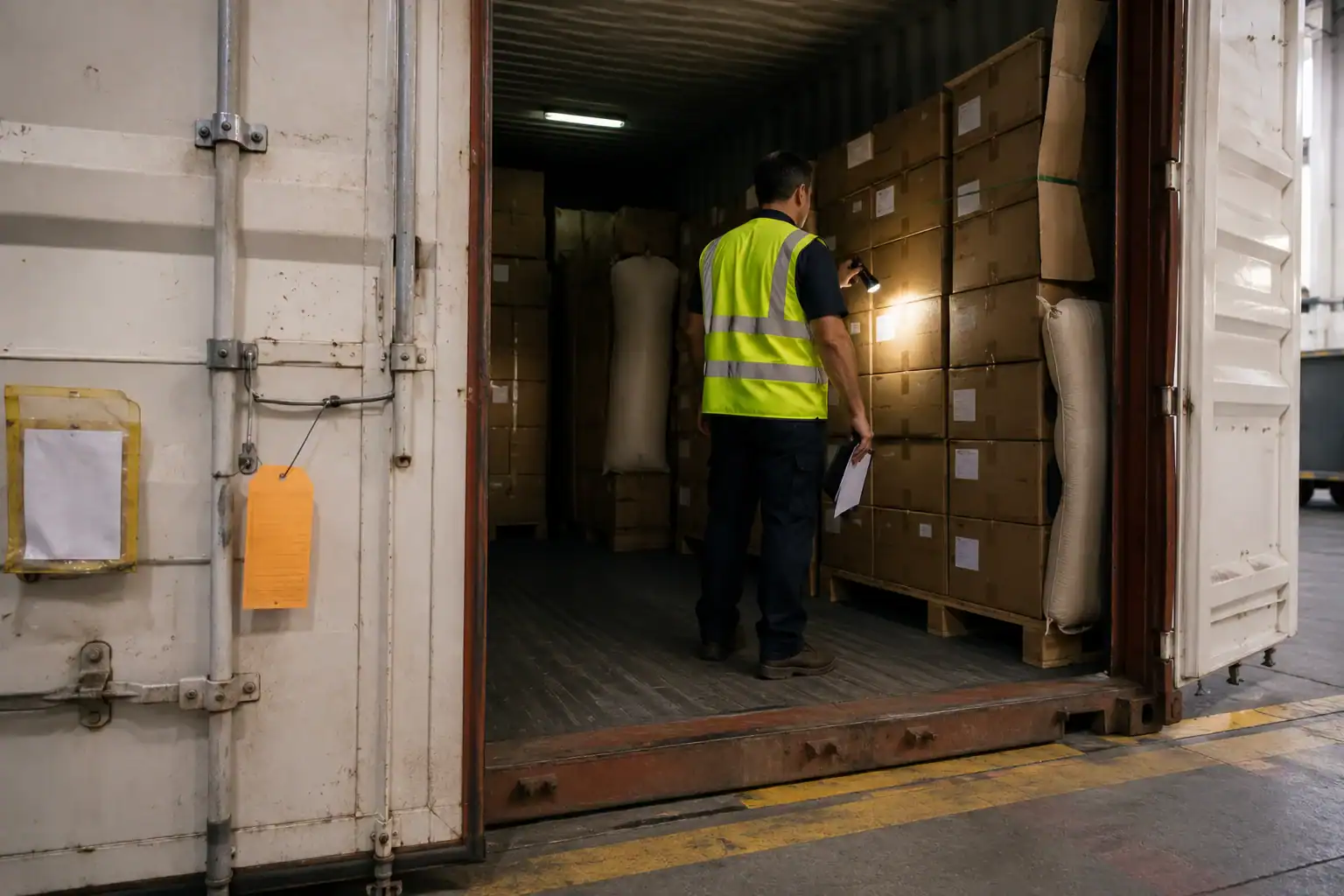
Used bicycles may be examined for soil. Outdoor furniture may be checked for organic residue. Wooden items may be flagged for further assessment. Personal effects that look clean in a household sense may still be treated as biosecurity risks at the border.
That strictness is not bureaucratic theater. It is the result of a long policy arc shaped by Australia’s geography, agricultural exposure, and environmental isolation. Over time, Australia built a biosecurity system designed to reduce import risk to a very low level, even when the goods involved are ordinary household or commercial items.
That history matters because it explains how the system works today. If you know why Australia treats contamination risk seriously, BICON conditions, inspections, treatment orders, and clearance delays stop looking random. They start to look predictable.
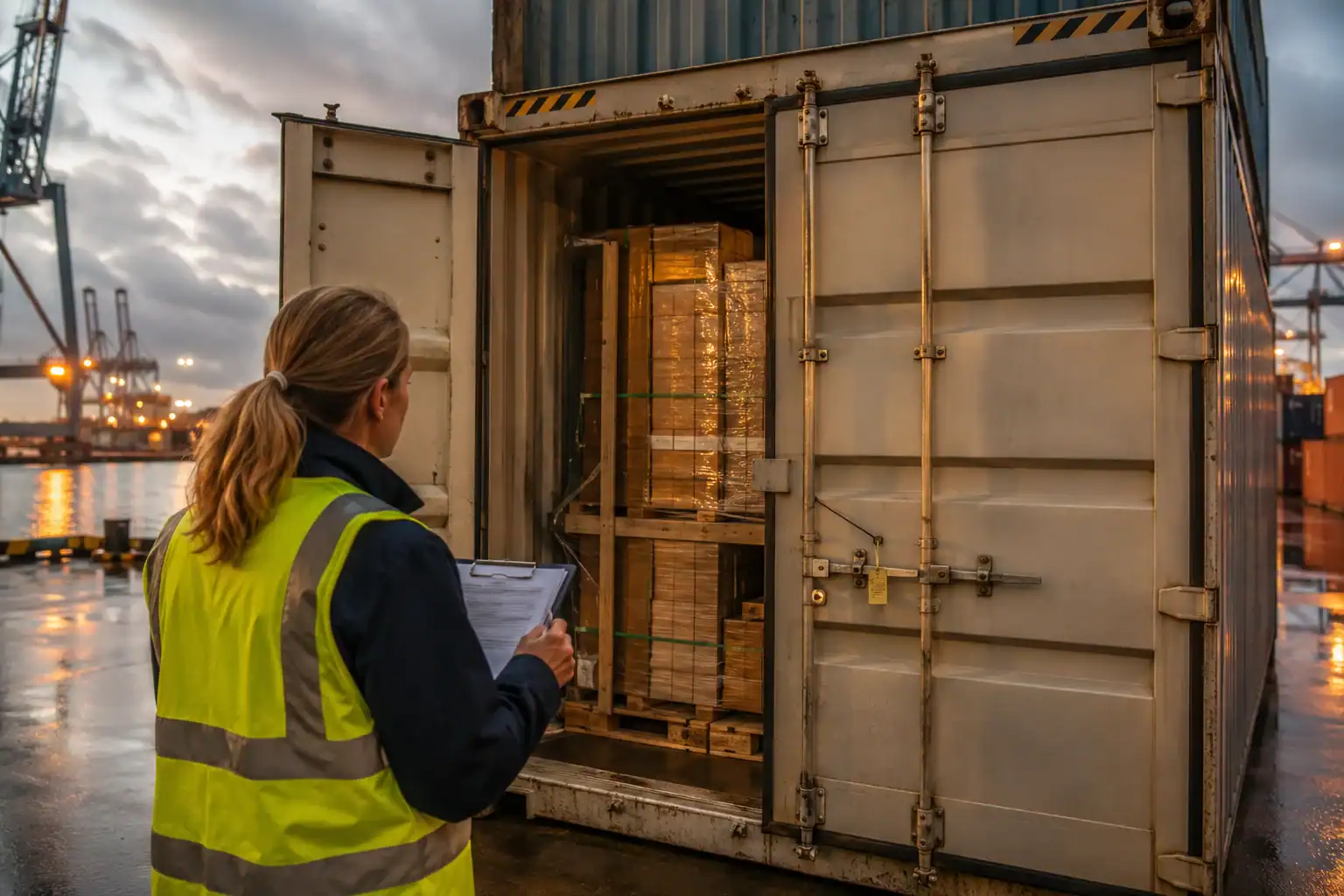
Why Australia Built One of the World’s Strictest Biosecurity Systems
Australia’s biosecurity posture starts with geography. It is an island continent with ecosystems, plant life, and agricultural industries that evolved in relative isolation. That isolation creates value, but it also creates vulnerability. A pest, disease, or invasive organism introduced through trade can trigger outsized consequences because it is entering an environment that may not be resilient to it.
That is why Australia treats imported contamination pathways seriously. The system is not only trying to protect farms. It is also trying to protect native ecosystems, food production, export markets, and the broader economy that depends on them.
The policy logic is captured in Australia’s Appropriate Level of Protection, or ALOP. DAFF defines it as a high level of sanitary and phytosanitary protection aimed at reducing risk to a very low level, but not to zero. That single definition explains a lot about how the system behaves in practice. Goods do not have to look dirty to attract attention. They only have to present a non-trivial pathway for contamination risk. DAFF: Appropriate Level of Protection
For importers and relocation clients, this is the core idea to understand: Australia’s system is designed to intervene before contamination enters the country, not after it causes damage.
Australia’s biosecurity system reads as strict until you ask the Taleb question: what is fragile here, and who bears the cost if it breaks? An island ecosystem that evolved without these pests is fragile by definition, and a shipment that clears customs today because inspectors happened to be lenient is not evidence the pathway is safe. It is evidence the pathway has not been tested yet. The asymmetry is the whole point. An importer who skips a BICON check and gets lucky bears none of the downside if a pest establishes itself; that cost lands on farmers, ecosystems, and export markets years later, and it lands on someone else. A system that lets the overwhelming majority of shipments through without incident is not “mostly safe” if the small remainder it misses includes something like khapra beetle, which needs only one uninspected consignment to establish permanently. Australia’s strictness is not the country hedging against probability. It is the country pricing in the one outcome it cannot reverse.
The Quarantine Era: Australia’s Early Biosecurity Laws
For most of the twentieth century, Australia’s quarantine framework sat under the Quarantine Act 1908. The act was part of an early federal effort to control the entry of diseases, pests, and other threats through ports and border systems. Quarantine Act 1908
The concerns driving that framework were practical. Australia depended heavily on agriculture and livestock, and policymakers understood that plant pests and animal diseases could damage both domestic production and export trade. That made quarantine a commercial issue as much as a public-policy one.
Over time, the system expanded beyond classic port quarantine in the narrow historical sense. Imported goods, food products, equipment, containers, and a wider range of cargo pathways all became part of the risk picture. The underlying purpose stayed the same: stop harmful organisms and contaminants before they establish themselves inside Australia.
That is why modern import inspections still carry some of the logic of the older quarantine era. The names and agencies have changed, but the strategic aim is continuous. Australia has spent more than a century treating import controls as a frontline protection tool.
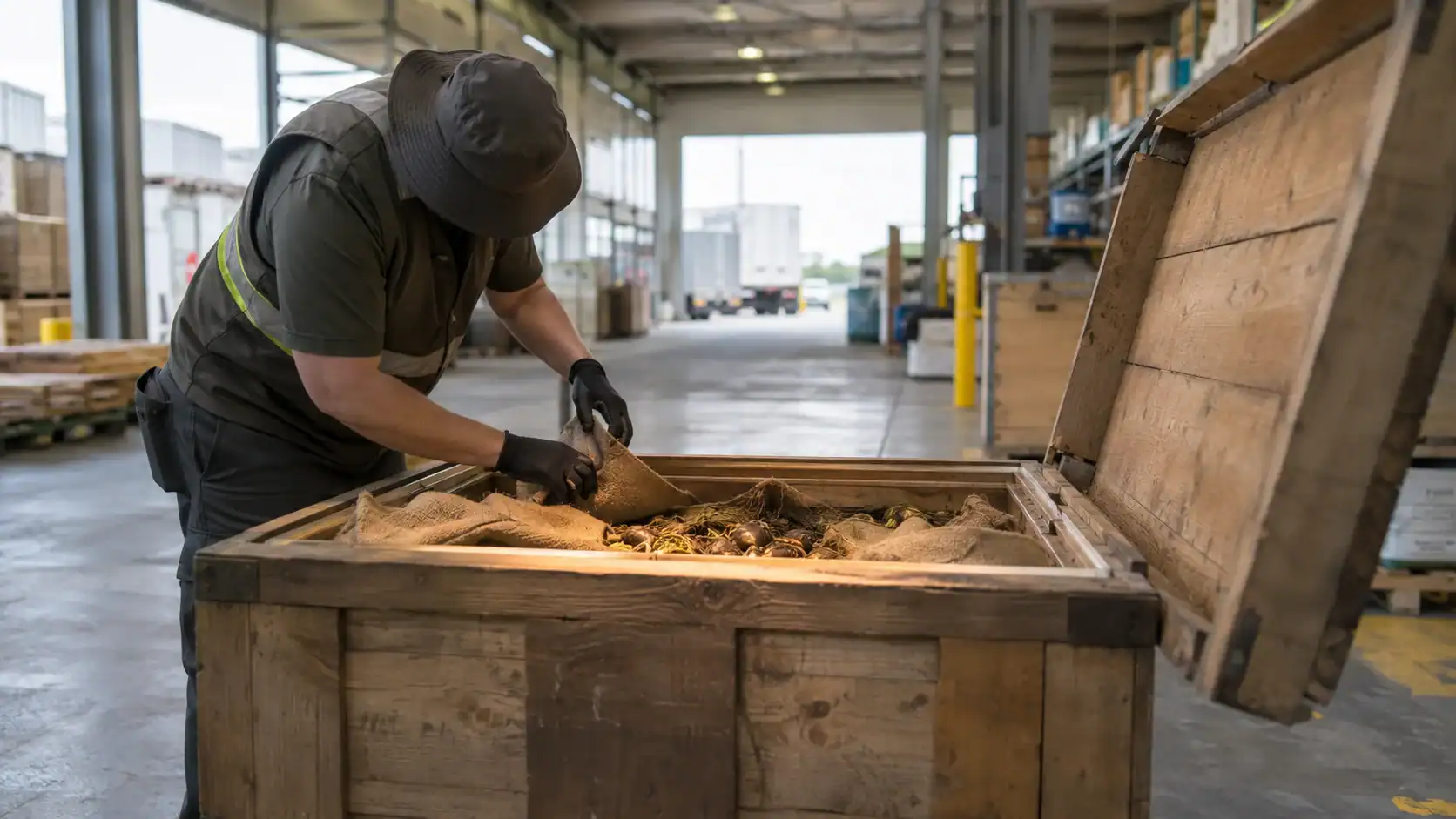
The Biosecurity Act Revolution
The biggest legal shift came with the Biosecurity Act 2015. The act received Royal Assent in 2015, and its main operative provisions commenced on 16 June 2016. That same date is also the repeal point shown on the Quarantine Act register entry. Biosecurity Act 2015 commencement Quarantine Act 1908 repeal details
The change mattered because the new act modernized the framework. Instead of relying on an older quarantine model, Australia moved to a broader biosecurity model built around risk analysis, updated powers, and clearer tools for managing contemporary trade pathways.
It also better aligned the law with the way modern import systems actually work. International supply chains are more complex than they were in the early 1900s. Cargo moves faster. Commodities are more varied. Biosecurity risk now has to be managed across containerized trade, mail, personal effects, high-volume freight, and digitally administered import processes.
For importers, the practical meaning of the Biosecurity Act is simple: the system is more formally risk-based than the older quarantine model, but it is not looser. If anything, it is clearer about what can trigger controls, assessments, directions, inspection, treatment, or refusal.
BICON and the Modern Import Rulebook
In day-to-day import practice, BICON matters more to most shippers than the legislative history. BICON is DAFF’s Biosecurity Import Conditions system. It tells users whether a product is permitted, whether import conditions apply, whether documents are required, whether treatment is needed, and whether a biosecurity import permit is necessary. DAFF: Biosecurity Import Conditions system (BICON)
That makes BICON the operational rulebook for many import decisions. If you want to know whether a commodity can enter Australia, what preparation is required, or whether a permit has to be in place before arrival, BICON is the starting point.
This is also where many importers underestimate the system. They treat biosecurity as something that happens after the goods land. In practice, Australia expects importers to understand the conditions before shipment. DAFF states clearly that importers are responsible for complying with the applicable biosecurity import conditions. DAFF: BICON
For household goods and relocation shipments, that same logic applies even if the cargo is not commercial stock. The system is still assessing risk pathways. Personal effects do not sit outside biosecurity rules just because they are familiar household items.
BICON conditions are checked by product category, not by guesswork.
If you do not know whether your specific items need treatment, a permit, or nothing at all, that is worth confirming before the container is packed.
Why Used Household Goods Are Treated as Biosecurity Risks
Many people assume that personal belongings are low-risk because they are not agricultural products. Australia’s system does not view them that way.
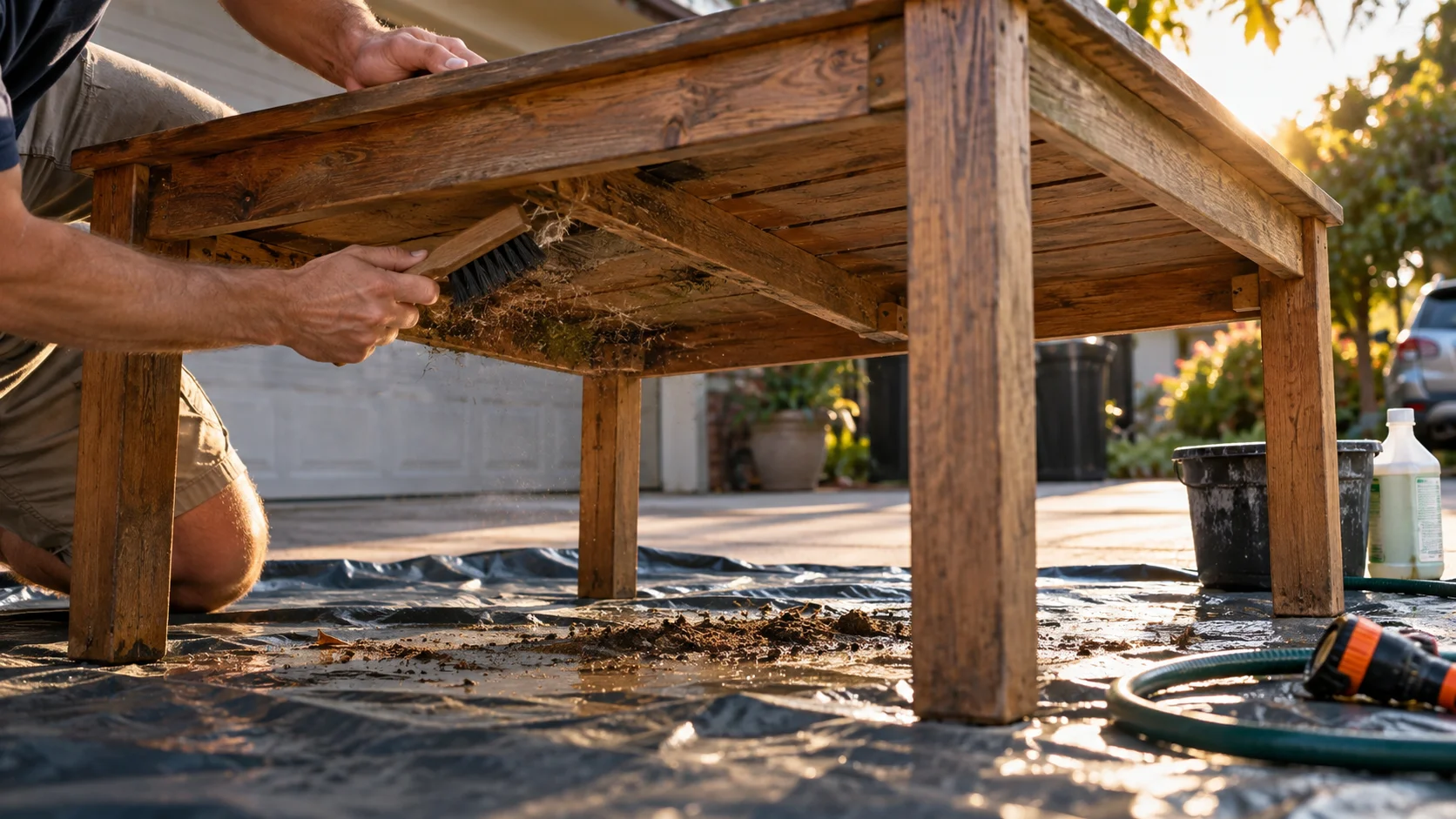
Used household goods can carry soil, seeds, plant fragments, insects, mould, or organic residue in places ordinary cleaning misses. The risk is often not visible at first glance. A bicycle tire can trap soil. A camping chair can hold grass seed in seams. Gardening tools can carry residue in joints or blades. Outdoor furniture, sports gear, and children’s equipment can all function as contamination pathways.
That is why the difference between visually clean and biosecurity clean matters. An item may look acceptable in a domestic context and still fail the practical test of border risk management.
If you want the operational version of those rules, the next step is not more legal history. It is learning how BICON translates policy into shipment-level conditions, why used household goods get inspected so aggressively, how state biosecurity rules in WA, TAS and NT can add a second compliance layer after federal clearance, how the Unaccompanied Personal Effects concession interacts with this same biosecurity screening, and why the brown marmorated stink bug season can reshape treatment and inspection expectations even when cargo was packed correctly.
Australia’s own cargo and inspection guidance clarifies the operating principle: goods can be released based on declarations and documents, but if risk remains, the department can direct inspection, treatment, isolation, or other action. To reduce the chance that goods will be opened and inspected, DAFF tells importers to provide the required documents and comply with the import conditions that apply to the goods. DAFF: Clearance and inspection of goods
For relocation shipments, the practical lesson is obvious. Outdoor-use items should be cleaned to a standard that anticipates quarantine scrutiny, not just household presentation. Accurate declarations matter. So does understanding which categories of goods are inherently more likely to attract attention.
Why Some Australian States Feel Even Stricter
Part of the confusion around Australian biosecurity is that the experience can feel inconsistent across the country. One reason is that the national framework is not the only layer that matters. Federal biosecurity controls sit alongside state and territory controls, and some jurisdictions are more sensitive than others because of local agriculture, environmental exposure, or geographic isolation.
That is why places such as Western Australia and Tasmania are often perceived as especially strict. Even when a shipment clears one layer of national requirements, local controls can still matter depending on the goods and destination.
For shippers, the key point is not memorizing every state rule in advance. It is understanding that “Australia clearance” is not always the end of the practical compliance story. In some cases, the destination state still shapes how risk is treated.
National rules are only one layer, and whether your destination state adds its own conditions is worth checking before pricing your move to Australia.
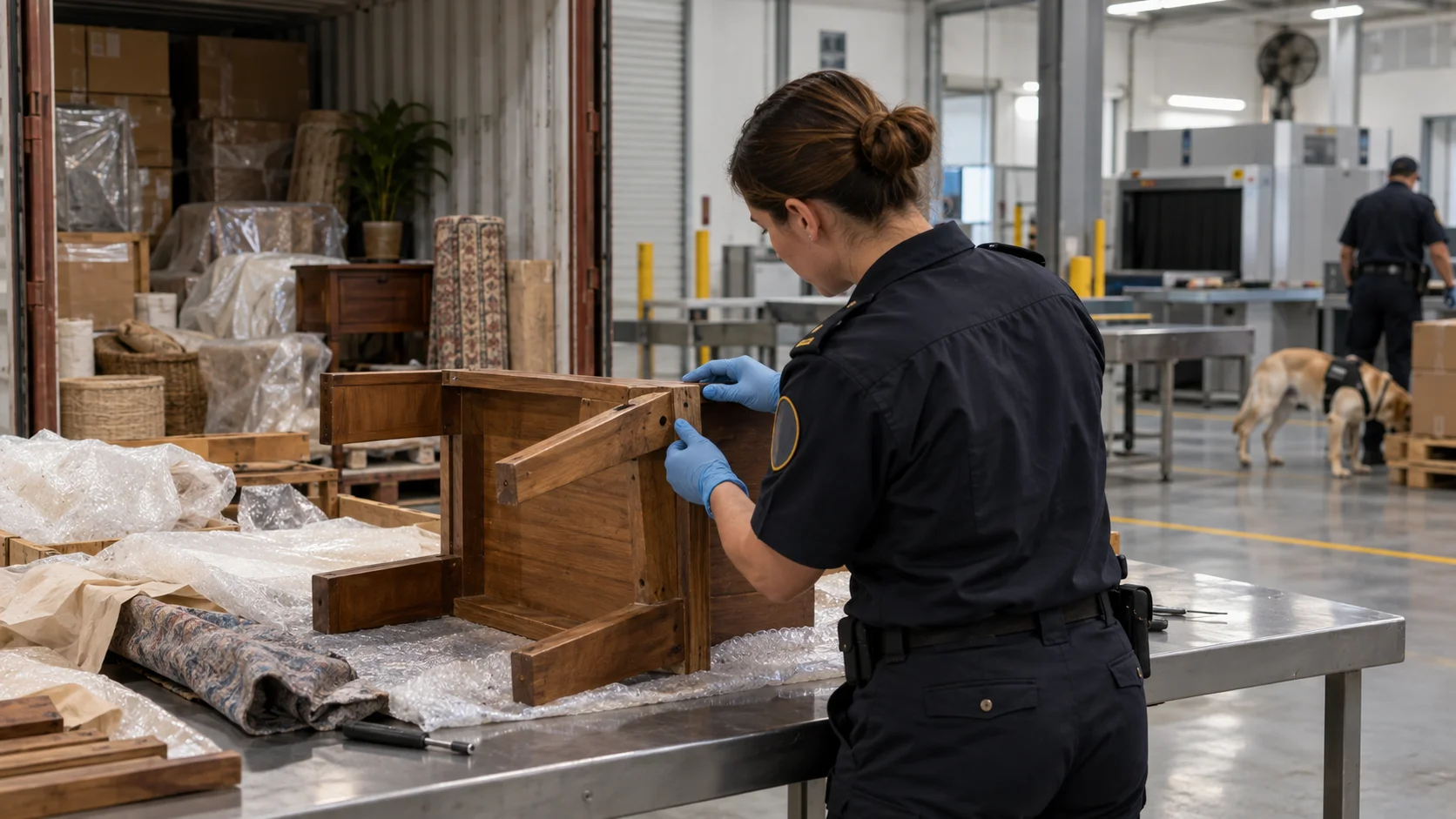
How Biosecurity Inspections Work Today
Here is a question that puzzles almost everyone shipping to Australia for the first time: why does one container of used furniture clear in a few days while an almost identical one gets held, inspected, and sent for fumigation? It looks like luck. It isn’t. Australian biosecurity runs thousands of consignments through the same risk logic every day. The gap between a fast clearance and an expensive hold is almost never random: it is the commodity, the country of origin, the season the goods shipped in, and how accurately the shipment was declared. Understand that logic and the workflow below stops looking like a lottery. The six specific triggers DAFF screens for, and what the outcome gap actually costs in real cases, are broken down separately.
The modern inspection process is more structured than many clients expect. Cargo arriving in Australia can sometimes be cleared using declarations and accompanying information. When risk remains, DAFF can issue a direction for inspection, treatment, isolation, hold pending more information, or release from biosecurity control. DAFF: Clearance and inspection of goods
That means the practical workflow often looks like this:
- arrival of the shipment
- document and declaration review
- biosecurity risk assessment
- inspection if required
- treatment, isolation, release, or another direction depending on findings
Inspection does not automatically mean something has gone wrong. It means the system still sees a pathway that needs to be checked. Problems usually become expensive when cargo was poorly prepared, inaccurately declared, or sent without understanding the relevant conditions in advance.
DAFF also notes that fees generally apply to inspections, and that goods which do not meet import requirements and cannot be treated may be exported or disposed of at the importer’s expense. DAFF: Clearance and inspection of goods
On the customs side, ABF applies import processing charges and collects certain biosecurity charges on behalf of DAFF when declarations are made for imported goods. That matters because the cost picture at the border is not only about duty or GST. Biosecurity administration and intervention can add cost and delay if the shipment is not well prepared. ABF: Import processing and biosecurity charges
What This Means for Anyone Shipping to Australia
The practical lesson is not that Australia is impossible to ship into. It is that Australia rewards preparation more aggressively than many other destinations do.
If a shipment contains outdoor equipment, wooden goods, garden tools, sporting equipment, camping gear, or any item with obvious contamination pathways, prepare it with inspection in mind. Food is its own, stricter category entirely, run by a second regulator (FSANZ) alongside DAFF, with new importers facing inspection of every consignment until a compliance history is built: see importing food to Australia for the FSANZ/DAFF breakdown. If the goods fall under product-specific conditions, check those conditions in BICON before shipment, not after arrival. If documents or permits are required, put them in place early. DAFF: BICON
This is where a lot of unnecessary delay comes from. Clients assume “personal effects” means low friction. Australia’s system assumes “personal effects” can still be biological pathways. That mismatch is what creates surprise inspections, treatment orders, and extra cost.
The better approach is to plan around the system instead of reacting to it. Thorough cleaning, accurate declarations, realistic timelines, and early condition checks do not eliminate risk, but they reduce the chance that the shipment gets pulled into a more expensive part of the process. For a quote on shipping to Australia with an operator who handles the biosecurity preparation side, see Swift Cargo’s Australia shipping page.
In August 1999, a consignment of dried spices arrived at Melbourne from South Asia. Inspection found khapra beetle: the most destructive stored-product pest in the world, capable of surviving in cargo holds for years without food. Australia had intercepted khapra in 14 separate consignments since 1992. Each interception was a successful outcome. Each was also evidence of a system solving the wrong problem: if the same pest kept arriving through the same declared commodity pathway in the same container type, the inspection rate was holding the line while the pathway itself remained open. The Biosecurity Act 2015 attempted to close that gap. It shifted the legislative frame from border interception to pathway risk analysis, from catching infestations to closing the routes that generated them. That shift is why a BICON check on dried spices today returns treatment requirements and country-of-origin conditions, not just a permitted-or-prohibited binary.
Australia’s biosecurity rules are not an accident of geography: they are the product of a collective decision, encoded in successive pieces of legislation, to price biosecurity protection permanently into every supply chain that touches Australian territory. Most countries with high import volumes have accepted some degree of biosecurity risk as the structural cost of trade participation. Australia has not. The Biosecurity Act 2015 represents a political and institutional choice to set the price of protection higher than the friction it imposes on trade. That choice has costs: it makes importing into Australia materially more complex than importing into comparable economies. But it also reflects something unusual: a population that decided, repeatedly and through democratic means, that the ecological baseline is worth defending at trade-route scale. An importer who treats this system as bureaucratic friction is applying the wrong mental model. It is a deliberate design that has been maintained for generations precisely because the alternative (a biosecurity failure) is irreversible.
We build biosecurity prep into your Australia move.
Tell us what you’re shipping and we build the biosecurity prep into your move from the start: fixed pricing, no hidden costs.
Related reading: DAFF Biosecurity Requirements for Australian Imports: By Product
Frequently Asked Questions
Why is Australia’s biosecurity system one of the strictest in the world?
Geography and economics, not caution for its own sake. Australia has never had an outbreak of foot-and-mouth disease and is rabies-free, and both of those facts protect agricultural and animal-product export markets worth billions of dollars a year that would face immediate restrictions if either got loose. DAFF’s own stated goal is to hold biosecurity risk to a “very low level,” not zero, and that distinction is the policy: zero risk would mean zero trade. DAFF: Appropriate Level of Protection
What actually changed when the Biosecurity Act 2015 replaced the Quarantine Act 1908?
More than a rename. The 2015 Act made every overseas-origin good automatically subject to biosecurity control the moment it enters Australian territory, which eliminated the step where an officer had to formally order goods into quarantine before anything could happen; that form doesn’t exist anymore. It also extended control across a pre-border, border and post-border continuum instead of stopping at the port gate, and it drew on a broader set of constitutional trade powers than the single quarantine power the 1908 Act relied on. For importers, the practical effect is that biosecurity risk activates automatically on arrival. The only question left is what intervention, if any, that risk profile earns. Biosecurity Act 2015
What is BICON, and when do I actually need to check it?
BICON is DAFF’s searchable database of what’s permitted, what’s conditional, and what documentation, treatment or permit a specific product from a specific country needs. The mistake most new importers make is treating it as something to deal with after the goods land. DAFF’s position is that compliance is the importer’s responsibility before shipment, not a problem to solve on arrival, and that applies just as much to personal effects in a relocation shipment as to commercial stock. Check BICON while you’re still planning the shipment, not after the container is packed. DAFF: BICON
Does clearing DAFF’s national rules mean my shipment is fully compliant everywhere in Australia?
No, and this is the gap that catches people who only researched the federal rules. Western Australia runs its own state-level biosecurity law, the Biosecurity and Agriculture Management Act 2007, enforced independently of DAFF at checkpoints such as Eucla and Kununurra on the interstate highways, on the Indian-Pacific train, and at the state’s own ports. Tasmania runs a similarly strict regime for the same reason: geographic isolation it has its own reasons to protect. A shipment that clears every federal BICON condition can still be stopped, inspected or have goods seized at a state border if its contents don’t meet that state’s own rules, so check your destination state’s requirements separately. Don’t assume they’re a subset of the federal ones. WA DPIRD: Importing and exporting
Who actually has authority over my shipment: DAFF or Australian Border Force?
They split the job, and importers often credit or blame the wrong one. Australian Border Force handles the customs side: duty, tariff classification and import processing charges, and it collects certain biosecurity-related charges on DAFF’s behalf at the border. DAFF is the actual decision-maker on biosecurity itself: whether your goods need treatment, a permit or further inspection, and whether they’re released, treated or refused. If a shipment is held for a biosecurity reason, that’s a DAFF call that ABF is administering, not an ABF decision you can appeal through customs channels. ABF: Import processing charges