Author: Raphael Rocher

  • Shipping from Hong Kong to Australia: Transit, Costs, Customs and LCL vs FCL

    Shipping from Hong Kong to Australia: Transit, Costs, Customs and LCL vs FCL

    Hong Kong handles more than 18 million TEUs of container traffic every year, making Kwai Chung one of the highest-throughput container terminals in the world. For Australian importers, that throughput is partly an advantage — services are frequent, consolidation options are broad, and the port infrastructure is mature. It is also a complexity. Frequent sailings mean you have options. Options mean decisions. And the decisions that matter most on the HK-to-Australia route — container mode, documentation structure, customs strategy — have real cost consequences that most importers don’t model until something goes wrong.

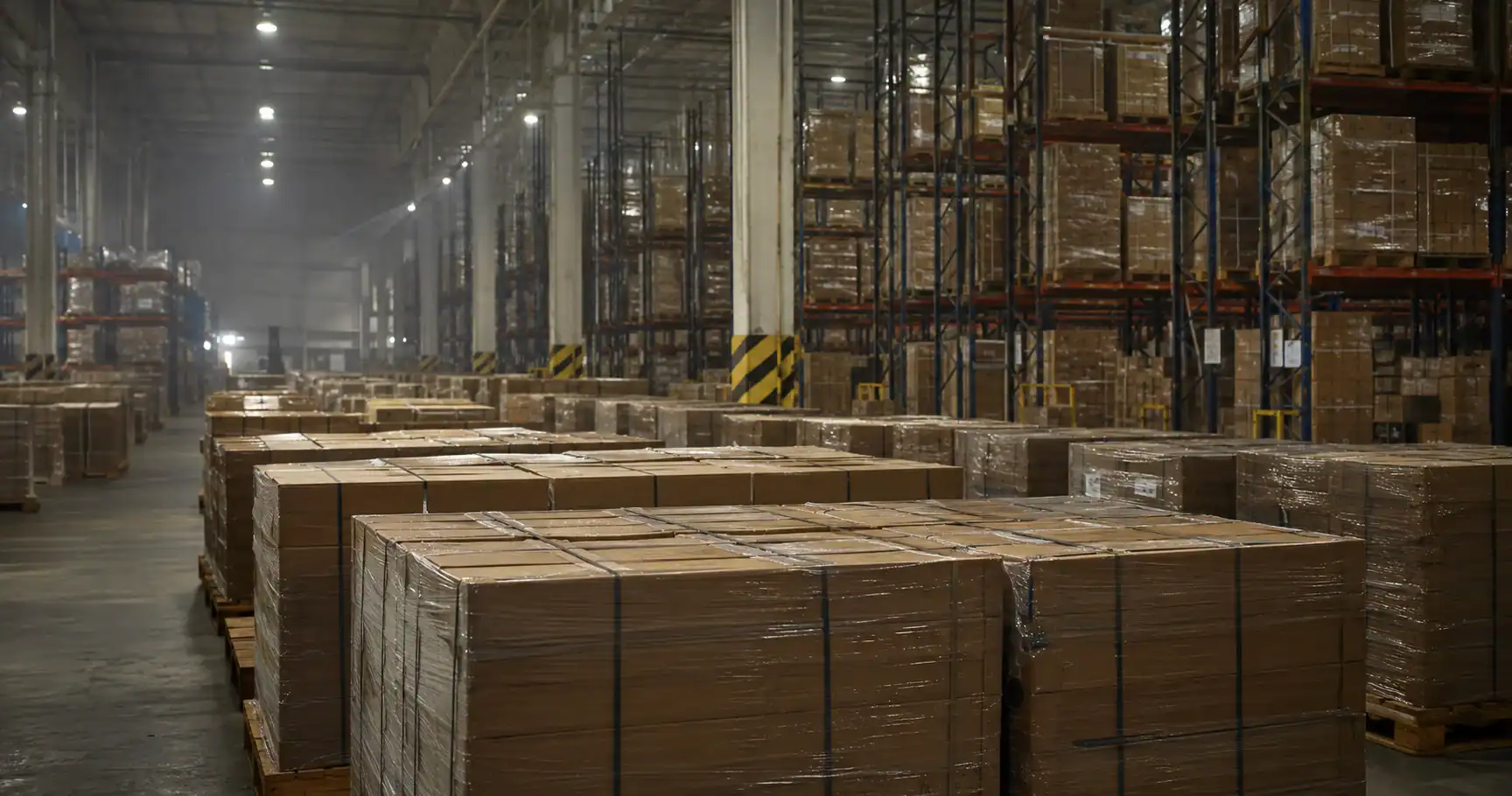
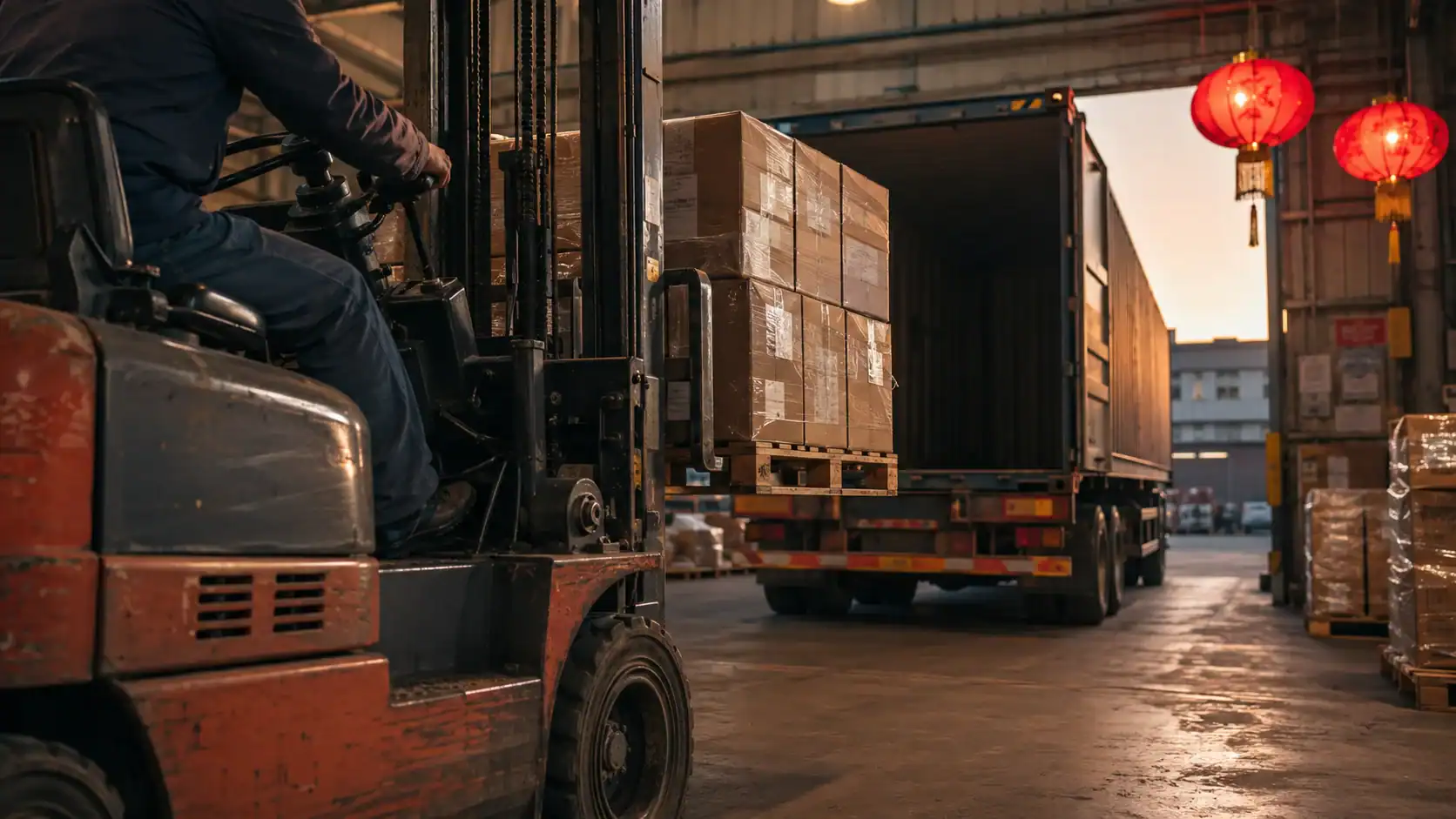
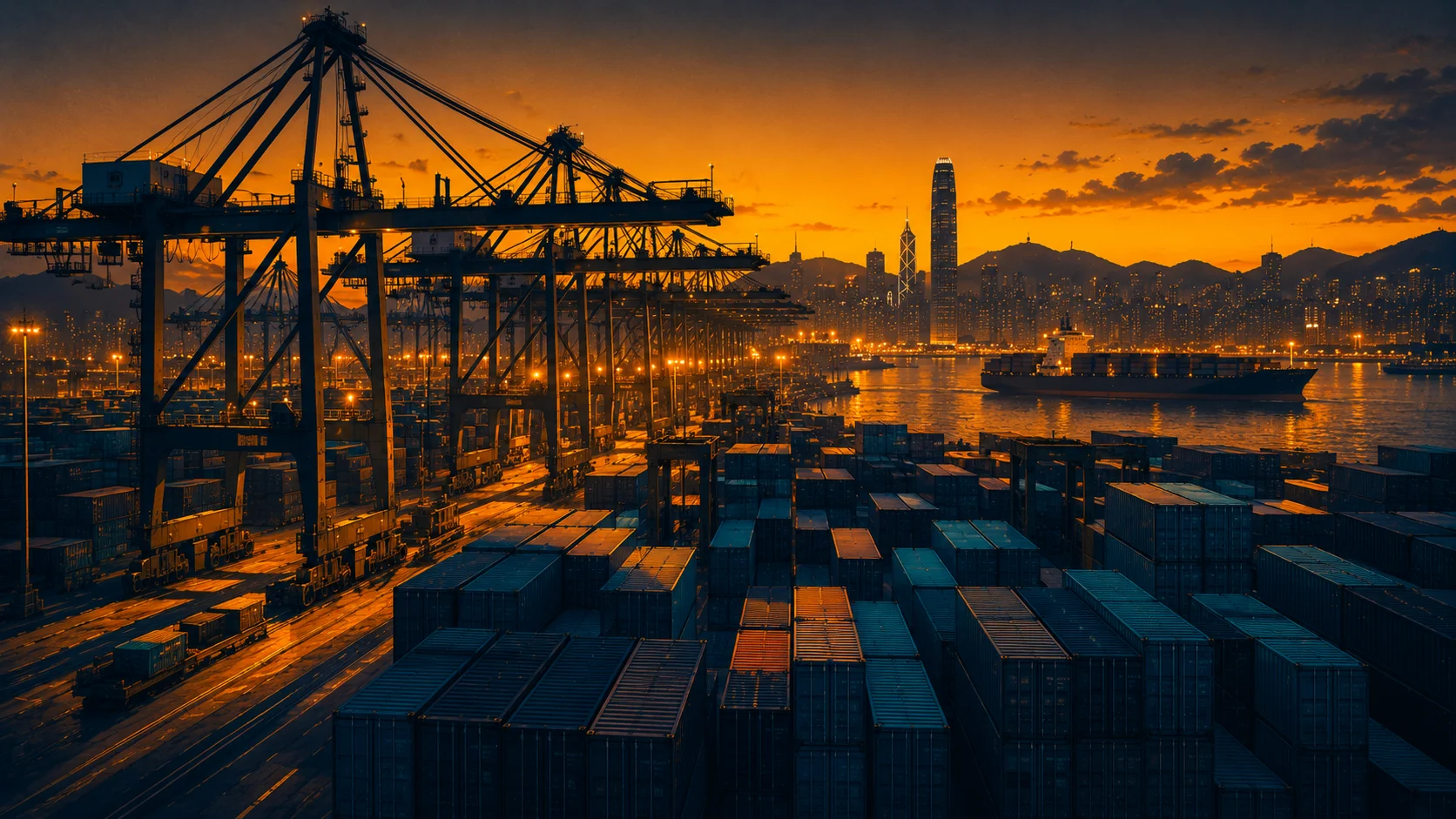
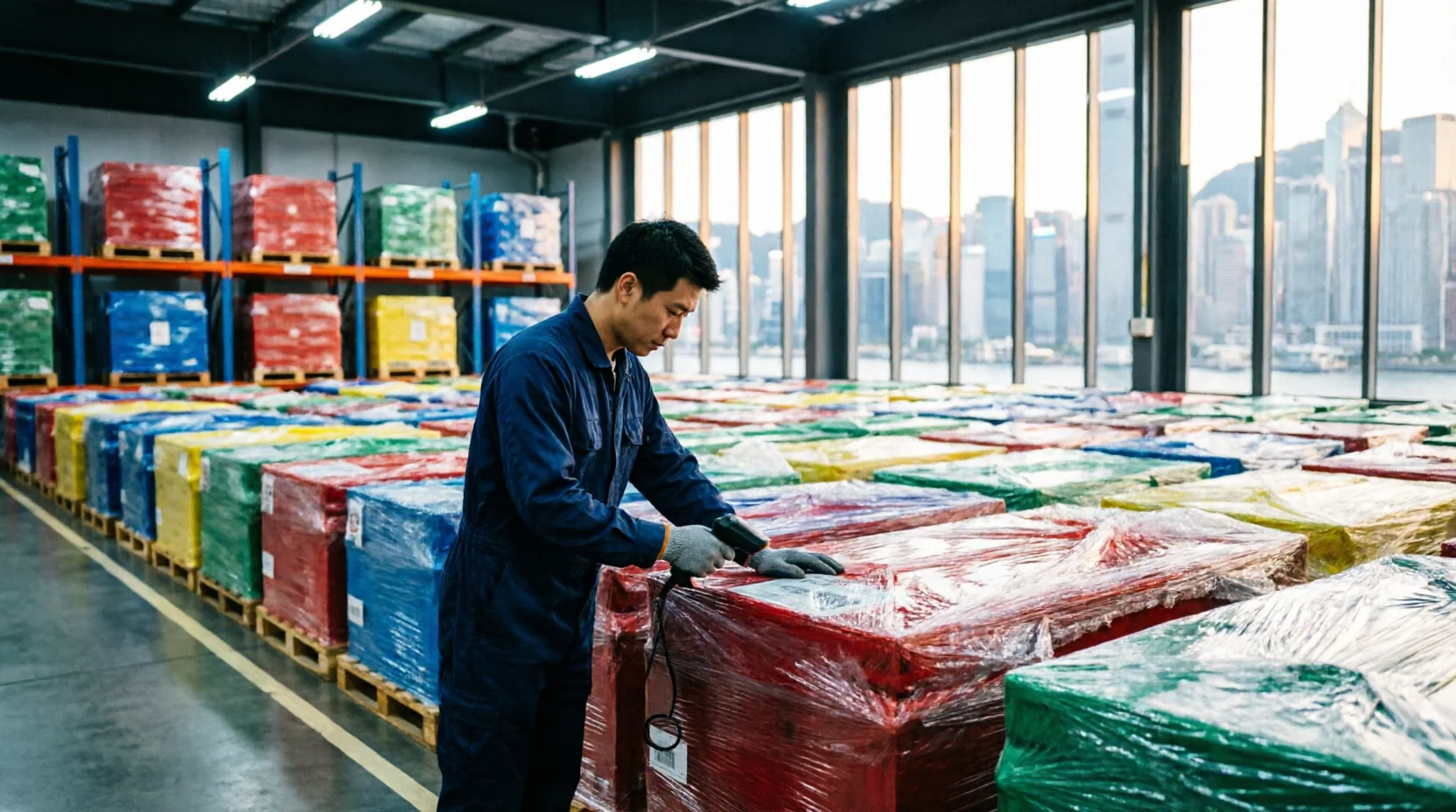
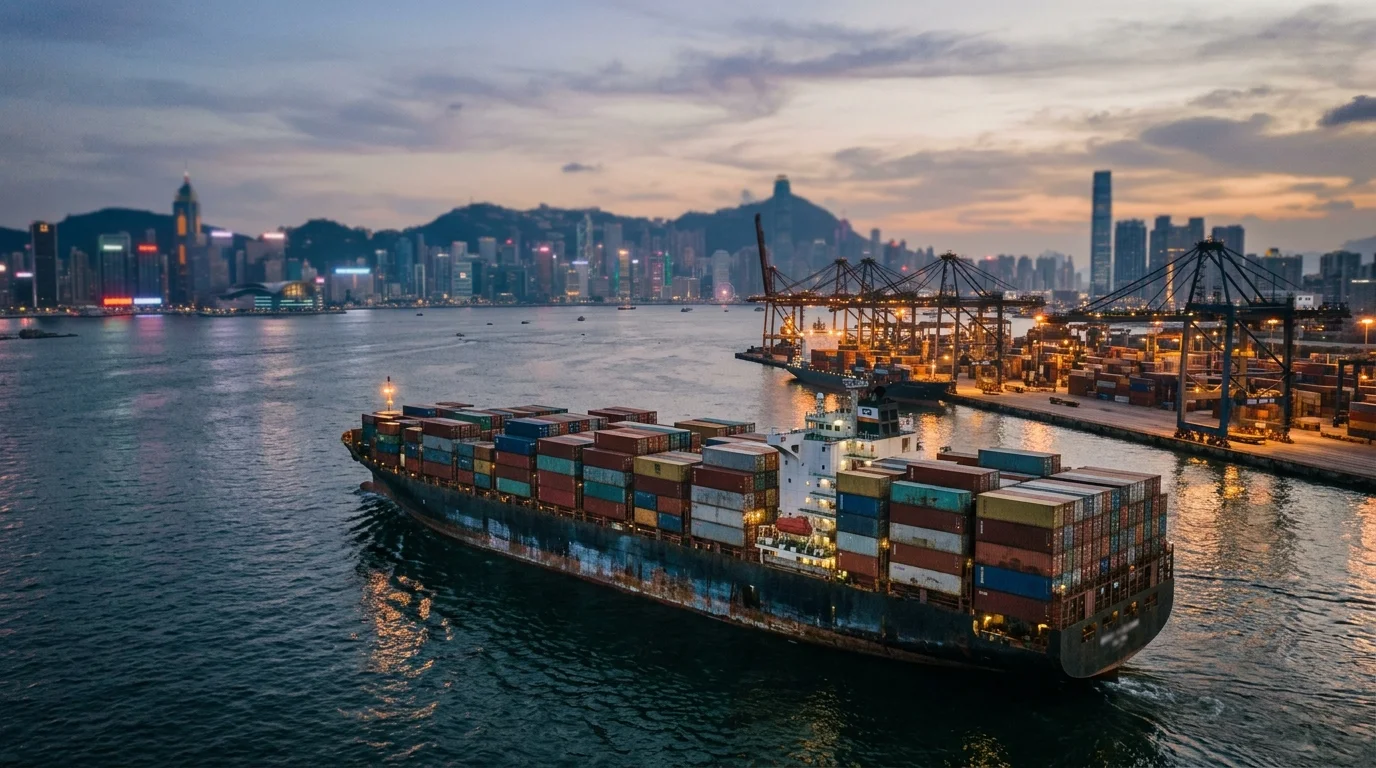
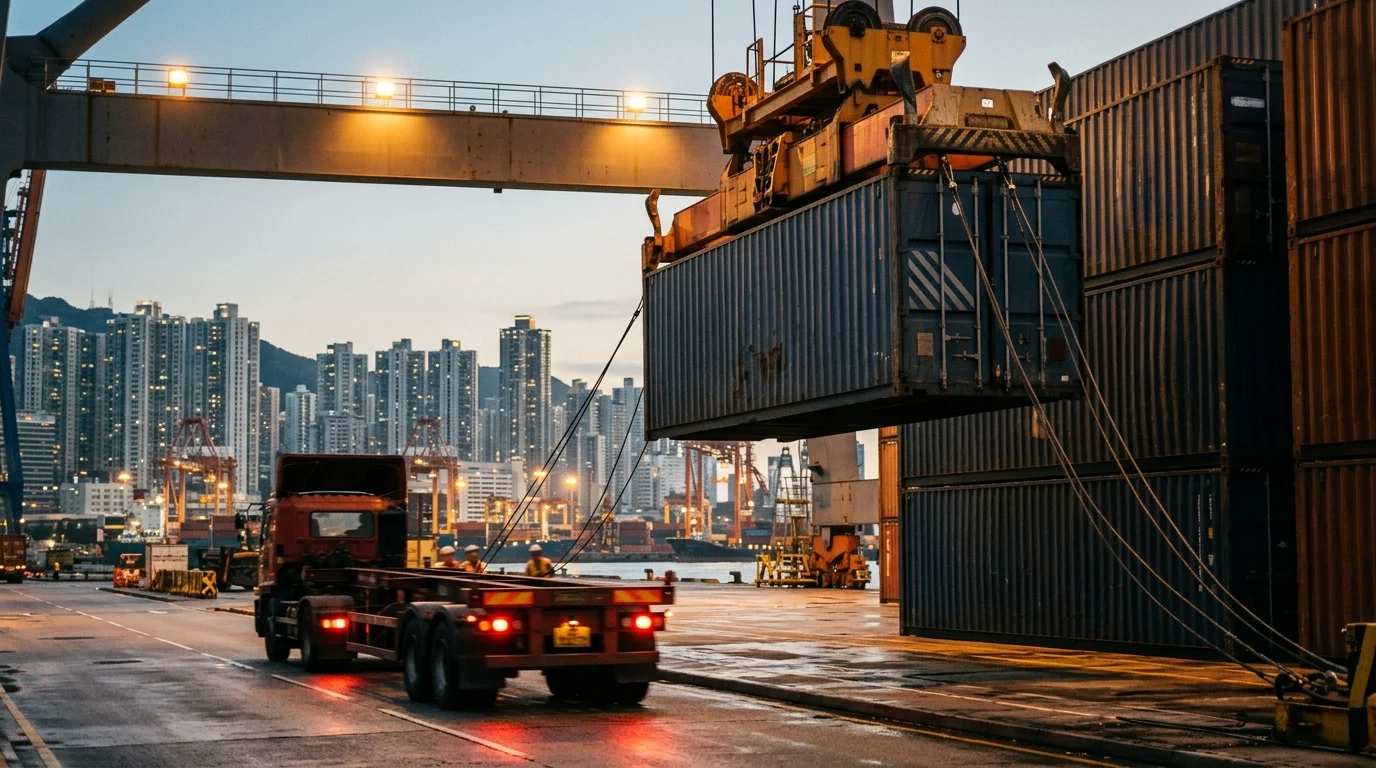
    Kwai Chung container terminal Hong Kong shipping to Australia

    Why Hong Kong Still Matters as a Shipping Origin

    Hong Kong is not China, and that distinction matters more than most importers realize. As a Special Administrative Region, Hong Kong maintains its own customs territory, its own port authority, and its own export documentation system — separate from mainland China’s. Goods manufactured in Guangdong or Shenzhen are frequently consolidated at HK terminals before being loaded onto deep-sea vessels bound for Australia. The result is that a significant share of what Australian businesses call “China sourcing” actually departs from Hong Kong waters.

    According to the Hong Kong Census and Statistics Department, Australia consistently ranks among Hong Kong’s top 20 export destinations, with trade flows covering electronics, clothing, watches, machinery, and re-exported Chinese consumer goods. The U.S. International Trade Administration’s Hong Kong commercial guide notes that the territory’s status as a free port — with no tariffs on imports or exports — makes it a natural consolidation hub for goods flowing between mainland China and global markets including Australia.

    For Australian importers, this structure has a practical implication: goods shipped from Hong Kong may be manufactured in mainland China, assembled in Hong Kong, or genuinely originating from HK-based manufacturers. The country of origin determines how Australian Border Force applies duty rates and whether biosecurity requirements differ. Getting this right before the shipment moves is considerably easier than correcting it after goods arrive at Port Botany or Swanson Dock.

    Transit Times: What to Expect and How to Plan Around Uncertainty

    Sea freight from Hong Kong to Australia takes between 12 and 22 days port-to-port, depending on the destination port and the specific shipping service. The range is meaningful — a 10-day spread represents real planning risk for businesses managing inventory cycles or responding to seasonal demand. Treating the midpoint as a certainty is the kind of overconfidence that creates stockouts.

    A more useful frame is to think about the distribution rather than the average. Direct services to Sydney (Port Botany) typically run 12–16 days. Services routing via Singapore or another transhipment hub add 3–7 days and introduce an additional connection risk — if the feeder vessel misses the connection, that margin disappears entirely. Melbourne (Webb Dock / Swanson Dock) services are broadly similar to Sydney, running 13–17 days on most schedules. Brisbane (Fisherman Islands) is slightly longer at 15–20 days on direct services.

    Air freight compresses this to 3–5 days door-to-door, with premium services handling urgent cargo in under 72 hours. The cost premium is substantial — typically 4–6x sea freight on a per-kilogram basis. The economics of air freight from Hong Kong to Australia work when time sensitivity is the primary driver: perishable goods, stock replenishment to avoid a stockout, or high-value, low-weight items where freight cost is a small fraction of cargo value.

    What the published transit-time charts consistently understate is port dwell time at the Australian end. Australian customs clearance adds time beyond the sailing schedule, and the variability at major Australian ports runs from 1 business day for pre-cleared low-risk cargo to 5–10 business days when a physical inspection is triggered. Building a realistic delivery window means adding port dwell time to the transit estimate, not just reading a carrier’s timetable.

    Sea Freight Options: LCL vs FCL from Hong Kong

    Hong Kong is one of the world’s strongest LCL (less-than-container-load) consolidation markets. Weekly LCL services to all three major Australian ports give importers who don’t fill a full 20-foot container access to regular sailing schedules without paying for space they don’t use. The trade-off is handling: LCL cargo passes through more hands, is co-loaded with other importers’ goods, and carries a slightly higher damage exposure than FCL (full-container-load) cargo, which moves from shipper to receiver in a sealed box.

    The decision framework for most Australian importers is straightforward. LCL makes sense when cargo volume is below roughly 10–15 CBM and the per-unit value doesn’t justify the FCL premium. FCL makes sense when volume clears the threshold, when goods are fragile or high-value, or when the business needs a predictable sealed-container chain of custody for quality assurance or insurance reasons.

    From Hong Kong specifically, FCL services have an advantage: many carriers operate weekly FCL sailings from Kwai Chung to Sydney, Melbourne, and Brisbane, with reliable schedules that make booking and inventory planning easier. The port’s efficiency means FCL containers are typically loaded and sealed with fewer delays than comparable operations at some mainland Chinese ports, which adds modest reliability value when schedule adherence matters.

    Cost Benchmarks: What Shipping from Hong Kong to Australia Actually Costs

    Freight rates change with market conditions, fuel surcharges, and seasonal demand, so any specific number in a guide like this is a planning reference, not a quote. The realistic cost bands for sea freight as of mid-2026 are:

    • LCL (per CBM): AUD $80–$150 origin-to-destination, depending on port pair and consolidator
    • FCL 20-foot container: AUD $1,200–$2,500 all-in, port-to-port
    • FCL 40-foot container: AUD $1,800–$3,500 all-in, port-to-port
    • Air freight: AUD $6–$14 per kilogram depending on weight, volume, and service level

    These numbers do not include customs duty, GST, terminal handling charges at the Australian port, transport from the Australian port to the delivery address, or customs broker fees. A proper total landed cost calculation adds all of these together before comparing supplier quotes or making sourcing decisions. Importers who skip this step regularly discover that the cheapest ex-works price becomes the most expensive landed cost once duty, GST, and logistics are fully accounted for.

    Peak-season surcharges are a genuine factor on the Hong Kong route. The pre-Christmas shipping peak (August through October) and the Chinese New Year disruption window (January through February) both affect rate levels and space availability. Importers who treat the base rate as a year-round constant tend to get caught by surcharges that can add 20–40% to ocean freight costs during these windows. Working with a freight forwarder who actively monitors the HK-Australia market gives you earlier warning and better options when the market tightens.

    Documentation: What Hong Kong Requires on the Exporter Side

    Hong Kong’s free-port status means export formalities are minimal by global standards. Most commercial shipments require a commercial invoice, a packing list, and a bill of lading or airway bill. For controlled goods — certain chemicals, dual-use items, strategic commodities — Hong Kong Customs and Excise requires an export licence, and the HK Trade and Industry Department maintains a controlled-goods list that exporters must check before shipping.

    The most consequential documentation decision on the HK side is the Certificate of Origin. Because Hong Kong is a separate customs territory from mainland China, goods that truly originate in HK carry a different status than goods manufactured in China and re-exported through HK. Australia’s customs rules — administered by the Australian Border Force — assess duty based on country of origin, not country of departure. A commercial invoice that states “Made in Hong Kong” on goods actually manufactured in Guangdong is not just a documentation error; it is a false declaration to a customs authority, with corresponding legal exposure.

    For goods that genuinely originate in Hong Kong, the Hong Kong General Chamber of Commerce issues Certificates of Origin. These are recognized by Australian customs and can support preferential duty claims where applicable. For goods manufactured in mainland China but exported via HK, the origin documentation should reflect China, not Hong Kong — and the import duty rate at the Australian end will follow Chinese-origin rules accordingly.

    Australian Customs Requirements for HK-Origin Goods

    At the Australian end, Australia’s commercial import rules apply regardless of whether goods depart from Hong Kong, mainland China, or anywhere else. The regulatory stack involves the Australian Border Force for customs clearance, the Department of Agriculture, Fisheries and Forestry for biosecurity screening, and specialist regulators for product categories that require additional compliance — TGA for therapeutic goods, ACMA for electronics, and so on.

    For most commercial goods arriving from Hong Kong, the import process follows a standard pathway:

    1. An import declaration is lodged with ABF (typically by a licensed customs broker) before or on arrival
    2. ABF assesses duty and GST liability based on customs value — the transaction value of the goods plus overseas freight and insurance costs to the Australian port
    3. The Department of Agriculture inspects or clears goods that fall under biosecurity regulations
    4. Duty and GST are paid, or a deferred entry arrangement is used for importers with a duty deferral account
    5. Goods are released for delivery

    The duty rate for goods from Hong Kong depends on origin. Australia does not have a bilateral free trade agreement with Hong Kong covering goods. For most goods, the general rate of duty applies. However, Australia is party to the Regional Comprehensive Economic Partnership (RCEP), and goods that originate in China — even if transshipped through Hong Kong — may qualify for RCEP preferential rates if origin documentation and rules of origin are satisfied. This is an underappreciated planning opportunity for importers who source from Guangdong-province suppliers and route through HK: the origin claim can be China, supporting RCEP duty relief, rather than Hong Kong, which carries no preferential rate.

    GST at 10% applies to the customs value of all imported goods. The low-value import threshold no longer exempts commercial importers; businesses must account for GST on all commercial imports regardless of consignment value.

    Choosing Your Incoterms on the HK-Australia Route

    Incoterms define where responsibility and cost transfer from the Hong Kong seller to the Australian buyer. The practical consequences on this route are significant enough to deserve deliberate attention rather than accepting the seller’s default. Understanding what Incoterms mean for Australian importers is especially relevant when sourcing from HK-based trading companies or manufacturers who may default to EXW or FOB without explaining the implications.

    EXW (Ex Works) places all freight, insurance, and export clearance responsibility on the buyer. From a Hong Kong factory or warehouse, this means your freight forwarder must collect the goods, arrange export documentation, and handle all logistics from origin. EXW gives the buyer maximum control but maximum operational exposure — if the freight forwarder you engage doesn’t have strong Hong Kong operations, problems compound quickly.

    FOB (Free on Board) is the more common commercial arrangement and is generally preferred for Australian importers who have established freight relationships. Under FOB, the HK seller is responsible for export clearance and delivery to the vessel at Kwai Chung or the named port. From the moment the goods cross the ship’s rail, the Australian importer’s freight forwarder takes over. This is a cleaner handoff point and preserves the buyer’s ability to choose their own ocean carrier without bearing origin-side logistics risk.

    CIF (Cost, Insurance, Freight) bundles the freight and insurance into the seller’s quote. It can look attractive because the buyer sees a single delivered price. The disadvantage is that the buyer loses control over freight selection, cannot verify insurance coverage adequacy, and often pays a margin above market freight rates embedded in the CIF price. For regular import programs, FOB with buyer-nominated freight is typically more cost-efficient and operationally transparent.

    Working with a Freight Forwarder on the HK Route

    The HK-to-Australia route is well-served by global and regional freight forwarders, which means importers have genuine choices. The quality differences are real. Choosing the right freight forwarder in Australia matters at both ends of the route: you need Hong Kong-side capability to manage origin consolidation, export documentation, and carrier booking, and you need Australian-side capability for customs clearance, biosecurity coordination, and last-mile delivery.

    On the HK side specifically, look for a forwarder with established relationships at Kwai Chung. The terminal operates at high utilization, and a forwarder with well-managed booking windows and truck slots will consistently get better cut-off adherence than one managing HK operations at arm’s length from a Sydney office. For LCL shipments, the HK consolidation partner matters: consolidators vary in how tightly they manage co-loading, cargo handling standards, and departure schedule adherence.

    Swift Cargo operates on the Hong Kong to Australia corridor and handles both FCL and LCL services. If you’re comparing providers or want to understand current rate levels and transit schedules, a conversation with a Swift Cargo freight coordinator can give you a realistic picture of current market conditions — pricing fluctuates with carrier availability and seasonal demand, and a real quote is always more useful than a guide’s benchmark figures.

    Practical Planning Checklist for HK-to-Australia Shipments

    • Confirm country of origin before the first shipment — HK-origin and China-origin goods carry different duty treatment and CO documentation requirements
    • Choose Incoterms deliberately — FOB is usually the most practical for Australian importers with established freight relationships
    • Plan for port dwell time — add at least 3–5 business days to transit time when building inventory delivery windows
    • Check if your goods need a product-specific permit — electronics (ACMA), therapeutic goods (TGA), and certain textiles carry additional requirements beyond standard customs clearance
    • Engage a customs broker at the Australian end — the complexity of the ABF and DAFF regulatory stack is significant enough that most regular importers save money by using a broker rather than self-clearing
    • Build peak-season rate protection into your buying calendar — Chinese New Year and the pre-Christmas peak consistently drive rate and space pressure on Hong Kong services
    • Calculate total landed cost before comparing supplier quotes — freight, duty, GST, broker fees, and local delivery are all material; the cheapest ex-works price is rarely the cheapest landed cost

    Frequently Asked Questions: Shipping from Hong Kong to Australia

    How long does sea freight from Hong Kong to Australia take?

    Port-to-port transit on direct services runs 12–16 days to Sydney and Melbourne, and 15–20 days to Brisbane. Transhipment services via Singapore or other hubs add 3–7 days and introduce connection risk. Add port dwell time (1–5 business days) and inland delivery to get a realistic door-to-door window.

    Is Hong Kong a free port? Does that mean no export duties?

    Yes. Hong Kong levies no customs tariffs on imports or exports and maintains a separate customs territory from mainland China. Export formalities are minimal for most commercial goods, though controlled items require export licences from Hong Kong Customs and Excise.

    What duty rate applies to goods from Hong Kong when imported into Australia?

    Australia has no bilateral free trade agreement with Hong Kong specifically covering goods. The applicable duty rate depends on the country of origin of the goods, not the port of departure. Goods truly originating in Hong Kong attract the general rate of duty. Goods manufactured in mainland China but transshipped through HK should be documented as Chinese-origin and may qualify for RCEP preferential rates.

    Do I need a Certificate of Origin for shipments from Hong Kong?

    Not always, but it’s worth getting one when the origin claim matters for duty or compliance purposes. The Hong Kong General Chamber of Commerce issues COs for HK-origin goods. If your goods are China-origin transiting HK, the CO should reflect Chinese origin rather than Hong Kong.

    What are the main Australian customs requirements I need to prepare for?

    An import declaration lodged with the Australian Border Force, duty and GST payment based on customs value, and biosecurity clearance for applicable goods. Most commercial importers use a licensed customs broker to manage these steps — the regulatory stack is manageable but has enough moving parts to justify professional handling.

    Should I use LCL or FCL from Hong Kong?

    LCL is practical when cargo volume is below roughly 10–15 CBM and a sealed container chain of custody isn’t required. FCL makes more sense above that threshold, for fragile or high-value goods, or when schedule reliability on a fixed sailing is more important than cost-per-CBM. Hong Kong has strong weekly LCL consolidation services to all major Australian ports, so LCL importers have genuinely good options.

    When is the best time to book HK-to-Australia sea freight?

    Book at least 3–4 weeks before your intended cargo-ready date during normal conditions. During Chinese New Year and the pre-Christmas peak, extend that to 5–6 weeks and be prepared for rate surcharges of 20–40% above base market levels. Hong Kong’s high port utilization means late bookings during peak periods often result in cargo being rolled to later sailings.

  • How to Import Sporting Goods from China to Australia: Compliance, Duty and Freight Guide

    How to Import Sporting Goods from China to Australia: Compliance, Duty and Freight Guide

    China is the origin country for the majority of sporting goods sold in Australia. From recreational equipment and gym supplies to bicycles, team sports gear, and outdoor products, Chinese manufacturing dominates the global sporting goods supply chain. The country’s production capacity, tooling infrastructure, and cost structure have made it the default origin for a category that ranges from AUD 5 skipping ropes to AUD 5,000 carbon-frame road bikes.

    But the China sporting goods lane has several compliance layers that catch importers unprepared. Australian product safety standards for helmets and protective equipment are mandatory. E-bikes and battery-powered equipment carry Dangerous Goods obligations for freight and RCM requirements for electrical components. Wooden sporting goods interact with DAFF biosecurity rules. And the ChAFTA duty benefit — worth 5% on most lines — requires compliant origin documentation from the Chinese exporter.

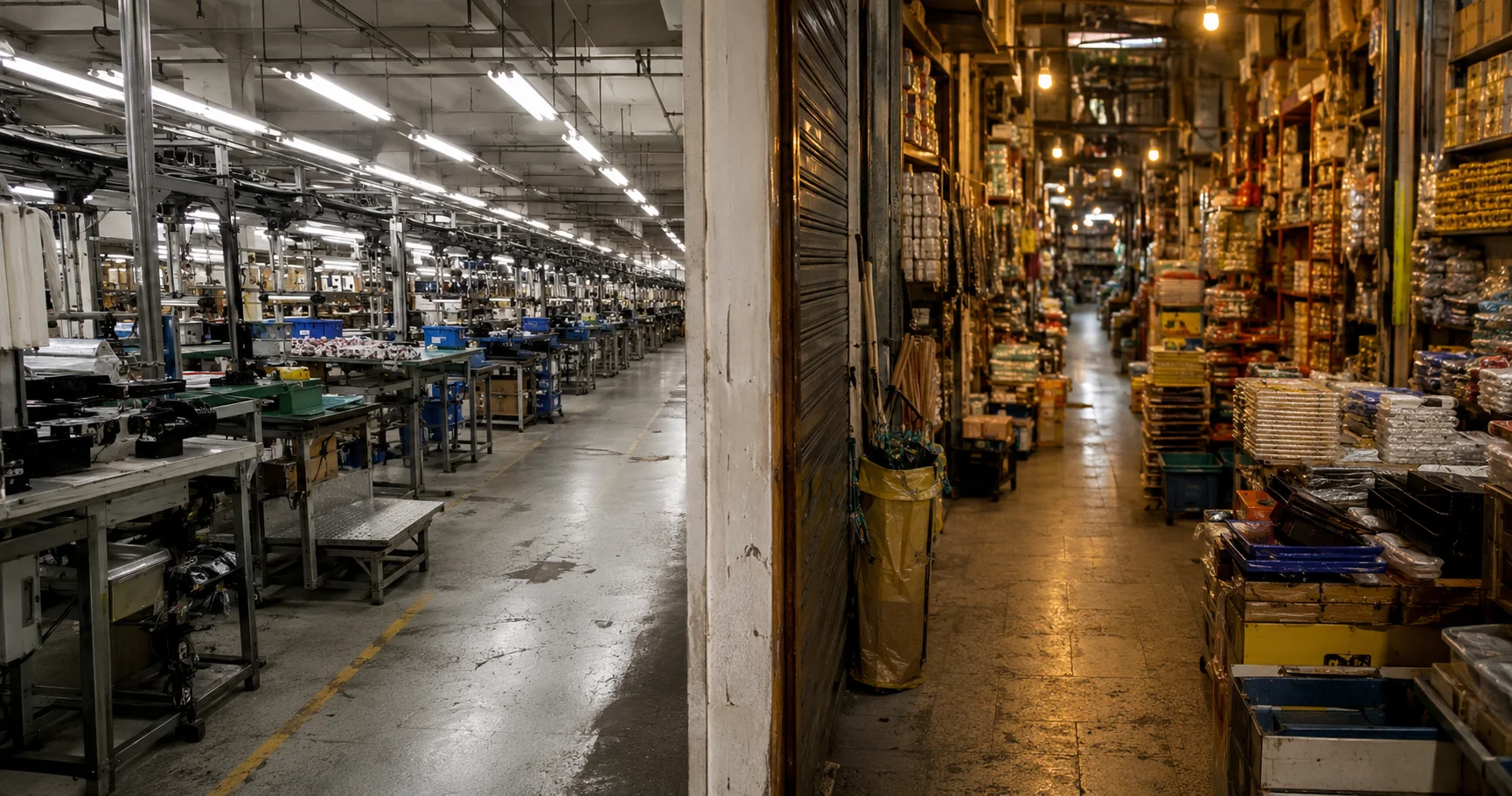
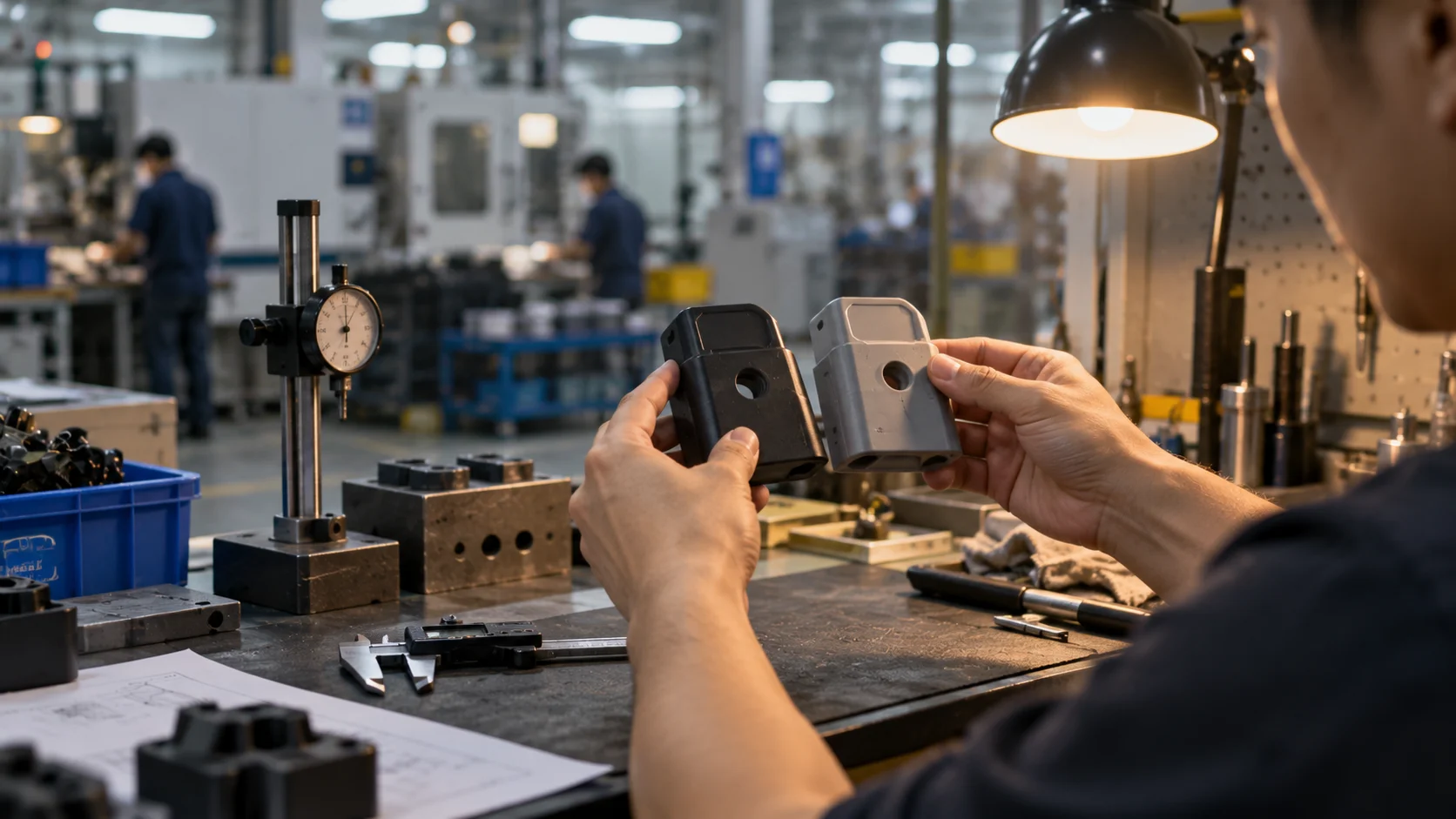
    Chinese sporting goods manufacturing facility with equipment production

    Why China Dominates Sporting Goods Manufacturing

    China’s concentration in sporting goods is not simply a labour cost story. The country has built deep tooling and component infrastructure — aluminium extrusion, carbon fibre fabrication, injection moulding, electronic assembly — that produces economies of scale unavailable elsewhere. A bicycle frame manufacturer in Guangdong is within an hour of carbon fibre suppliers, component manufacturers, paint shops, and export logistics. The vertical integration of the supply chain means faster iteration, lower minimum order quantities, and a shorter path from product design to a finished container-ready shipment.

    The dominant production regions for sporting goods include Guangdong province (bicycles, gym equipment, outdoor furniture, team sports gear), Zhejiang province (fishing equipment, camping gear, outdoor sports), and Fujian province (footwear including sports footwear). Some higher-end equipment — particularly in golf, tennis, and cycling — has production concentrated in smaller specialist clusters that have developed around specific brands’ supply chains over decades.

    For an Australian importer sourcing from China, origin concentration also means that most Chinese sporting goods exporters have well-established familiarity with Australian compliance requirements — ChAFTA Certificates of Origin, ACCC product standards documentation, and Australian electrical safety standards. This is not true of all origins. A Chinese sporting goods supplier who has been exporting to Australia for five years has seen these compliance requirements before; a new supplier from a less established origin may not.

    ChAFTA Duty Rates for Sporting Goods

    Under the China-Australia Free Trade Agreement (ChAFTA), which entered into force in December 2015, the vast majority of sporting goods originating in China are eligible for 0% duty when imported into Australia. The MFN (Most Favoured Nation) rate for most sporting goods categories is 5%, which means a compliant ChAFTA claim saves 5% of the customs value on every shipment.

    On a commercial shipment with an AUD 80,000 customs value, that is AUD 4,000 in duty avoided — directly improving the importer’s margin or pricing position. Over a year of regular imports, the cumulative saving is significant and fully justifies the administrative investment in maintaining compliant ChAFTA documentation.

    To claim ChAFTA preference, the Chinese exporter must provide a Certificate of Origin in the format prescribed by the DFAT ChAFTA framework. The certificate can be issued by an authorised Chinese body (typically the China Council for the Promotion of International Trade, CCPIT, or China Inspection and Quarantine, CIQ) or, for approved exporters, self-declared. The certificate must be presented to the customs broker at the time of lodging the import declaration.

    The ChAFTA Rules of Origin for sporting goods generally require that the goods were manufactured in China and that a minimum level of processing or value addition occurred there. For finished goods produced entirely within China from Chinese inputs, this is straightforward. For goods that involve inputs from third countries (South Korean carbon fibre, Taiwanese components), the value addition calculation requires attention.

    Importers should also confirm classification under the ABF Schedule 3. Sporting goods span several HS chapters — Chapter 94 (furniture and sporting furniture), Chapter 95 (toys, games, sports equipment), Chapter 64 (footwear), Chapter 87 (bicycles and e-bikes), Chapter 85 (electrical sporting equipment). The ChAFTA rate schedule must be checked for each specific HS subheading, as a small number of categories have different treatment.

    Australian Product Safety Standards

    Australia’s product safety regime for sporting goods is administered by the ACCC under the Australian Consumer Law. Mandatory safety standards apply to specific product categories, and supplying goods that don’t meet those standards is a strict liability offence — regardless of whether the importer knew about the non-compliance.

    The key mandatory standards relevant to sporting goods imported from China include:

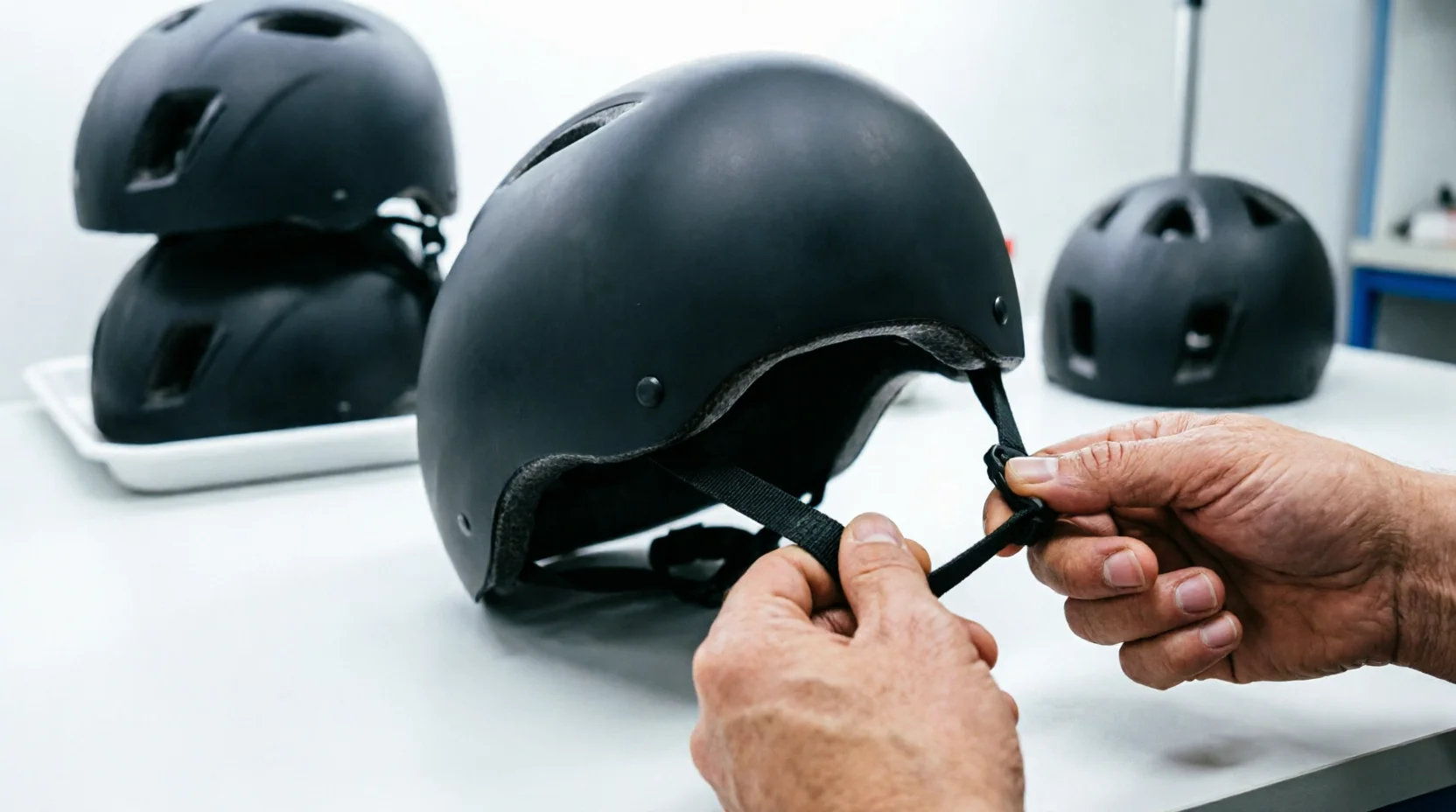
    • Bicycle helmets: AS/NZS 2063:2008 (or equivalent listed international standard). All bicycle helmets sold in Australia must comply. The ACCC conducts regular market surveillance and has issued recalls for Chinese-manufactured helmets that failed the standard.
    • Children’s toys: ACCC Mandatory Standard for Toys (EN 71 or equivalent). Applies to any product marketed for children under 14, which includes many sporting items such as junior equipment, pool toys, and inflatable sports goods.
    • Portable swimming pools and barriers: AS 1926.2 and related standards for pool safety barriers where relevant to water sports or backyard sporting equipment.
    • Electrical equipment: Regulatory Compliance Mark (RCM) for all in-scope electrical goods, covering product safety and electromagnetic compatibility (EMC) testing. Applies to powered gym equipment, e-bikes, electric scooters, and any sporting product with a mains power input or rechargeable battery with a charger sold in Australia.

    The ACCC Product Safety website maintains the current list of mandatory standards and bans. Importers should check this list against their product range before placing orders — not after. A test report from a Chinese exporter issued by an unaccredited laboratory is not sufficient to demonstrate compliance with an AS/NZS standard. The laboratory must be NATA-accredited or an accredited equivalent for the specific standard.

    Bicycle Helmets and Protective Equipment

    Bicycle helmets are among the most frequently recalled consumer goods in Australia, and China is the dominant origin for recalled units. The common failure modes in ACCC helmet recalls include:

    • Impact absorption below AS/NZS 2063 threshold (the helmet doesn’t meet the deceleration test).
    • Retention system failure (chin strap or fastening mechanism breaks under load).
    • Misleading AS/NZS markings on non-compliant helmets (the standard number printed without valid certification).

    The importer — not the Chinese exporter — bears the legal liability for non-compliant helmets sold in Australia. A recall notice naming the importer, combined with the cost of retrieving and destroying distributed stock, typically costs AUD 50,000–250,000 depending on the volume distributed before detection.

    Due diligence for helmet imports must include: a test report from an accredited laboratory for the specific AS/NZS 2063 standard, confirmation of which production batch the test report covers, and a factory inspection to verify that production quality is consistent with the tested sample. Helmets are not a category where a supplier’s self-declaration of compliance is acceptable.

    The same principle applies to other protective equipment sold with safety claims — knee pads, wrist guards, skateboard and cycling helmets. Where a product is marketed as protective equipment in an activity context, the ACCC treats it as a safety-relevant product regardless of whether a specific mandatory standard exists. Misleading safety claims trigger ACL enforcement powers independently of the product standards regime.

    E-Bikes, Electric Scooters, and Lithium Battery Compliance

    Powered sporting equipment — e-bikes, electric scooters, electric skateboards — is one of the fastest-growing import categories on the China-Australia lane. It is also one of the highest-compliance-complexity categories.

    Dangerous Goods classification in freight. Lithium-ion batteries above certain watt-hour thresholds are classified as Dangerous Goods Class 9 under IMDG (sea) and IATA (air) regulations. E-bike batteries typically fall in the 200–700 Wh range — well above the thresholds for unrestricted shipment. For sea freight, DG declaration is required; the battery must be packed in accordance with IMDG packing instructions (typically P903 or P908 for lithium batteries with equipment), and documentation must correctly identify the battery chemistry, watt-hour rating, and quantity. Errors in DG documentation can result in port refusal of the container or, in severe cases, seizure.

    RCM for electrical components. The e-bike’s charger, and any in-scope electrical components, must carry the Regulatory Compliance Mark. The RCM certifies that the product has been tested to Australian electrical safety and EMC standards. The testing and certification is managed through the Electrical Regulatory Authorities Council (ERAC) framework. A Chinese e-bike exported without RCM-certified electrical components cannot legally be sold in Australia. The certification process typically takes 6–12 weeks and should be completed before the first commercial shipment.

    Motor power and road classification. Australian states regulate e-bikes by motor power output. A pedelec (pedal-assist) e-bike with a motor not exceeding 250W nominal output is classified as a bicycle in most Australian states and can be ridden without registration or a licence. An e-bike with a motor exceeding 200W (throttle-controlled, seated) or 250W (pedelec) may be classified as a motor vehicle, requiring registration and insurance in some jurisdictions. For importers marketing e-bikes through retail channels, the motor power specification must be correctly represented, and marketing materials should reflect the state-by-state regulatory position to avoid creating misleading impressions about where the product can legally be used.

    Wooden Sporting Goods and ISPM 15

    Sporting goods with solid wood components — cricket bats, wooden hockey sticks, baseball bats, wooden gym equipment, wooden table tennis tables — interact with DAFF’s biosecurity import requirements. China is a high-risk origin for timber biosecurity, and wooden sporting goods from China are subject to documentary and potentially physical inspection on arrival.

    The ISPM 15 phytosanitary treatment standard (heat treatment to 56°C core temperature for 30 minutes, or methyl bromide fumigation as a less common alternative) applies to solid wood used in product components and to the wood packaging (pallets, crates, dunnage) used to ship any cargo. The IPPC mark stamped on treated timber is the required evidence of compliance.

    Importers of wooden sporting goods should check the DAFF BICON database for the specific biosecurity import conditions applicable to their HS code and origin. Some wooden sporting goods require a phytosanitary certificate from the Chinese competent authority (the entry-point quarantine service); others require only that the ISPM 15 treatment mark be present. The BICON conditions are specific to product type and origin and must be checked for each new product category.

    Untreated solid wood components arriving from China without the IPPC mark will be held for treatment on arrival at the importer’s cost (typically AUD 2,000–5,000 per container for treatment plus associated holding costs) or destroyed. Biosecurity clearance is a mandatory step before goods can be released, and the costs of failing it fall on the importer.

    Pre-Shipment Inspection for Quality-Critical Goods

    Sporting goods purchased from Chinese manufacturers involve a production quality risk that is different from off-the-shelf commodity goods. A gym equipment set, a bicycle, or a set of tennis racquets represents a finished product with performance and safety requirements. Defects discovered after a container arrives in Australia — incorrect specifications, finish failures, component quality below sample standard — are expensive to remediate and potentially impossible to return.

    Pre-shipment inspection (PSI) is the systematic solution. A third-party inspection firm (Bureau Veritas, SGS, Intertek, or a specialist sports goods inspector) visits the factory before goods are loaded, inspects a statistically representative sample of the production run, and issues a report covering:

    • Quantity verification (carton count and unit count match the purchase order).
    • Specification check (dimensions, materials, finish, colour match against approved sample).
    • Functional testing (for products with moving parts or electrical components).
    • Safety check (AS/NZS compliance markings present, no obvious safety defects).
    • Packing check (carton strength, inner packing protection, label accuracy).

    PSI on a full container typically costs USD 300–600 for a standard commercial inspection, plus travel time if the factory is remote from a major city. Against the cost of receiving a container of defective sporting goods — the freight, the duty, the storage, the disposal — the inspection cost is negligible. The inspection also creates leverage with the supplier: defects identified pre-shipment can be remediated before loading; defects identified after arrival are the importer’s problem to negotiate.

    Finding and Qualifying Chinese Sporting Goods Suppliers

    The dominant sourcing channel for Chinese sporting goods remains Alibaba and Global Sources for initial contact, with trade shows (China Import and Export Fair, Guangzhou) as the primary venue for relationship development and competitor scanning. Neither channel provides automatic quality assurance — they are discovery tools, not qualification tools.

    Supplier qualification for a sporting goods import program involves several steps beyond the initial sample exchange:

    • Factory audit: an on-site assessment of production capability, quality management systems, and compliance documentation. For first-order volumes above AUD 30,000, a self-conducted or third-party audit is standard practice. The audit should verify that the factory produces the same goods sold at the quoted price — not that they source from subcontractors who do.
    • Documentation review: can the supplier provide ChAFTA Certificates of Origin? Do they have existing test reports for the Australian standards relevant to the product category? Have they exported to Australia before?
    • Reference checks: other importers in the same category who use this supplier. A Chinese exporter with a track record of compliant Australian supply is materially less risky than one exporting to Australia for the first time.

    The broader China import process covers supplier due diligence in detail across categories. For sporting goods specifically, the ACCC’s history of recalls from Chinese-origin products makes compliance-focused supplier qualification essential, not optional.

    Freight Structure: LCL for Samples, FCL for Commercial Orders

    The freight structure for sporting goods from China depends on the volume and density of the goods.

    Lightweight sporting goods — inflatable equipment, foam padding, textile products, most team sports consumables — are volume-heavy and reach FCL thresholds on a CBM basis without approaching container weight limits. A 40-foot container carries 55–60 CBM of usable volume and around 26 tonnes of payload; for light sporting goods, CBM will be the binding constraint.

    Dense goods — weight training equipment, dumbbells, kettlebells, weight plates, steel gym equipment — reach weight limits before volume limits. A 20-foot container holds 21–22 tonnes; at 100 kg/CBM average density for weight training goods, that’s approximately 20–22 CBM before the container is at maximum payload. Planning a dense-goods container requires a weight calculation as well as a volume calculation.

    For initial orders and sample shipments, LCL freight is cost-effective. The LCL rate on China-Australia lanes runs approximately AUD 120–200 per CBM, making it appropriate for shipments below 12–15 CBM. Above that threshold, FCL economics improve on a per-CBM basis, particularly on high-volume direct services between Chinese ports (Ningbo, Shanghai, Guangzhou) and Australian ports (Melbourne, Sydney, Brisbane).

    Transit time on direct China-Australia services runs 18–24 days port-to-port. Transshipment services (via Singapore or Port Klang) add 5–10 days and are typically used to fill vessel space gaps — they are not the default for regular commercial imports.

    Landed Cost Breakdown for a Sporting Goods Container

    Understanding the full landed cost is the foundation of wholesale pricing for any import program. For a typical 40-foot container of sporting goods from China to Australia, the cost stack looks like this:

    • FOB China value: AUD 80,000 (the customs value for duty purposes).
    • Freight (ocean + origin charges): AUD 3,500–5,500 for a 40-foot FCL on China-Australia lanes, including origin handling and documentation fees.
    • Marine insurance: approximately 0.3–0.5% of cargo value, so AUD 240–400 on an AUD 80,000 shipment.
    • Import duty: 0% with valid ChAFTA Certificate of Origin. Without ChAFTA, 5% MFN = AUD 4,000. This is the most controllable cost differential.
    • GST: 10% on the sum of customs value + duty + 10% of freight and insurance = approximately AUD 8,400–8,600 (recoverable by a registered business via input tax credit).
    • Customs brokerage: AUD 250–450 for a standard import entry, higher for complex multi-line or DG declarations.
    • Destination charges (port fees, container release): AUD 300–600.
    • Cartage to warehouse: AUD 400–800 for metro delivery.

    Total landed cost on an AUD 80,000 FOB order with ChAFTA: approximately AUD 92,500–95,000. Without ChAFTA: approximately AUD 96,500–99,000. The ChAFTA benefit of AUD 4,000 is recoverable simply by obtaining and submitting the correct origin documentation — the highest-return, lowest-effort compliance task in this import program.

    Common Problems on the China Sporting Goods Lane

    Four failure patterns account for the majority of problems encountered by importers of Chinese sporting goods:

    1. Product safety non-compliance discovered after arrival. The most costly failure mode. A shipment of helmets, children’s sports equipment, or electrical sporting goods that fails Australian mandatory standards cannot be sold and must be destroyed or exported. Detection typically occurs either at an ABF examination (for flagged categories) or in post-sale ACCC market surveillance. The remediation cost is the full freight, duty, and clearance cost — sunk — plus the destruction or export cost. Prevention: verify test reports against the specific AS/NZS or mandatory standard before placing the order; do not accept supplier self-declarations as compliance evidence for regulated categories.

    2. ChAFTA claim rejected on documentation grounds. A ChAFTA Certificate of Origin issued in a non-compliant format, or without a valid authorisation number, will not be accepted by ABF. The result is duty assessed at MFN (5%) with no right to claim the preferred rate retrospectively in most circumstances. Prevention: confirm with the Chinese exporter that they are authorised to issue ChAFTA CoOs, and request a sample of their CoO format before placing the order.

    3. Lithium battery DG documentation errors. E-bike and powered equipment shipments without correct Dangerous Goods declarations are refused by carriers or detained at origin ports. Common errors include incorrect watt-hour rating, wrong packing instruction reference, and missing shipper’s declaration. Prevention: ensure the Chinese exporter has a compliant DG packing and documentation procedure before booking the shipment; confirm with the freight forwarder that the DG declaration is reviewed before container booking.

    4. ISPM 15 packaging failures on wooden goods. The outer cartons or pallets used to pack wooden sporting goods arriving without the IPPC treatment mark trigger DAFF inspection and potential treatment or destruction. Prevention: include ISPM 15 packaging compliance as a specific purchase order requirement and verify before the container is loaded.

    Frequently Asked Questions

    What duty rate applies to sporting goods from China under ChAFTA?

    Most sporting goods originating in China are eligible for 0% duty under ChAFTA, versus 5% MFN without ChAFTA. The saving on a AUD 50,000 order is AUD 2,500. A valid ChAFTA Certificate of Origin from the Chinese exporter is required to claim the preference.

    Do bicycle helmets from China need AS/NZS 2063 certification?

    Yes. Bicycle helmets sold in Australia must comply with AS/NZS 2063:2008 or a listed equivalent international standard. An accredited laboratory test report is required. Supplier self-declarations are not sufficient. Non-compliant helmets are prohibited from sale and subject to ACCC recall.

    What are the lithium battery requirements for e-bikes from China?

    E-bike batteries are Dangerous Goods Class 9 in both sea and air freight and require compliant DG documentation and packaging. In Australia, the e-bike’s charger and electrical components must carry the RCM mark. Motor power specifications must reflect state road regulations — a pedelec e-bike above 250W may be classified as a motor vehicle in some states.

    Do wooden sporting goods require ISPM 15 treatment?

    Solid wood components in sporting goods from China are subject to DAFF biosecurity requirements. Many categories require ISPM 15-treated wood (IPPC mark) for both product components and outer packaging. Check DAFF BICON for the specific conditions by HS code and origin before shipping.

    What is the LCL vs FCL threshold for sporting goods from China?

    For most sporting goods, LCL is cost-effective below 12–15 CBM. Above that threshold, FCL per-CBM rates on China-Australia lanes become competitive. Dense goods (weight equipment) reach container payload limits before volume limits — weight calculation is required in addition to CBM for these categories.

  • Moving from France to Australia: How to Ship Your Belongings

    Moving from France to Australia: How to Ship Your Belongings

    Moving from France to Australia means crossing roughly 17,000 kilometres of sea. The physical distance is one constraint. The other is time: a container of household goods takes five to seven weeks to arrive, which means your planning calendar, your lease start date, and your customs paperwork all need to work in alignment.

    The Basic Decision: What to Ship, What to Sell, What to Leave

    The first useful exercise before booking a container is sorting your belongings into three groups: what comes with you, what you sell or give away in France, and what you replace in Australia. This is not a sentimental exercise — it is a cost calculation.

    Shipping costs for household goods from France to Australia are real money. For the sea freight component alone, a 20-foot container runs AUD 3,800 to AUD 6,500. Add origin charges, destination fees, customs broker fees, and delivery in Australia and a full door-to-door move is typically AUD 7,000 to AUD 12,000 for a container-sized household. For a detailed breakdown of freight costs on this route, see the companion guide on shipping from France to Australia: costs, time and customs.

    The comparison that matters is cost to ship versus cost to replace. Flat-pack furniture, basic kitchen equipment, and inexpensive electronics are almost always cheaper to replace in Australia than to ship from France. High-quality furniture, family heirlooms, art, books, custom or made-to-order items, and anything with sentimental value are better candidates for the container.

    Australian retail prices for major furniture, appliances, and electronics are broadly comparable to Europe, and the range of quality goods available in Australian cities is wide. The calculation changes for antique or artisan furniture, bespoke items, or goods that have specific personal value.

    Sea Freight Options for Household Moves

    Full Container Load (FCL)

    A 20-foot container holds roughly 25 to 28 CBM of household goods when professionally packed — approximately the contents of a three-bedroom apartment. A 40-foot container holds 55 to 60 CBM, suitable for a large house.

    FCL gives you exclusive use of the container — no waiting for others’ cargo, no consolidation delays. Once the container is sealed and on its way, it moves as a single unit from origin to destination. This is the faster and usually more cost-effective option if your volume fills most of a 20-foot box.

    Less Than Container Load (LCL)

    LCL places your belongings alongside other shippers’ cargo in a shared container. It is the right choice when your volume is 10 to 18 CBM — enough that air freight is prohibitively expensive, but not enough to justify a full container. LCL costs are quoted per cubic metre, typically AUD 280 to AUD 420 per CBM from France to Australia including basic handling.

    The trade-off with LCL is time. Your cargo is consolidated with others at an origin depot before sailing, and de-consolidated at an Australian depot on arrival. This adds 7 to 14 days to door-to-door time compared with FCL on the same route. LCL also requires slightly more careful packing — goods are handled more times — and the biosecurity inspection burden falls on each shipper’s portion separately.

    For guidance on how to calculate your shipment’s cubic volume accurately, the CBM guide for moving shipments explains the measurement process.

    Air Freight

    Air freight for household goods is rarely economical on a route this long. The rate is AUD 8 to AUD 18 per kilogram, which means a 500 kg shipment — not much for a household — costs AUD 4,000 to AUD 9,000 in freight alone, and that does not include the Australian destination charges and customs clearance.

    Air freight makes sense for a small box of irreplaceable items you need immediately — documents, medicines, essential electronics — while the main container follows by sea. A mixed strategy (air freight for essentials, sea freight for the bulk of belongings) is common for families with a hard arrival date.

    What the Moving Process Looks Like, Step by Step

    Understanding the sequence takes most of the anxiety out of an international move. The process is well-established; it follows the same steps each time. What varies is how well each step is prepared.

    Step 1: Volume Survey and Quote

    Your freight forwarder arranges an in-home survey — either in person or, increasingly, via video call — to estimate the cubic volume of your goods. This determines whether you need FCL or LCL, gives the forwarder enough information to price the move accurately, and helps you understand what will and will not fit.

    Step 2: Packing

    Professional packing by the removals team is strongly recommended for an international move. Goods packed by the shipper (also called “owner-packed”) are typically excluded from transit insurance claims and are flagged for more scrutiny at biosecurity inspection because the contents are not professionally inventoried. Professional packing also means a detailed packing list is produced at the time of packing — this list becomes an essential customs document.

    All items must be clean and dry before packing. This is a biosecurity requirement. Used items with soil, organic material, or biological residue attached will be held by Australian biosecurity on arrival. The items most commonly flagged are garden tools and equipment, outdoor furniture, sporting goods (particularly camping gear and hiking boots), and musical instruments that have been played in outdoor settings.

    Step 3: Export from France

    Goods with a commercial value over EUR 1,000 leaving the EU require an export customs declaration to French customs (Douanes). Your freight forwarder handles this. For personal effects, the documentation requirement is lower — your forwarder will advise based on the specific goods and the context of your move.

    There is no export duty on personal belongings leaving France. The paperwork is administrative, not a financial burden. But it must be done correctly — errors in the export declaration can create complications at the Australian end when customs cross-references origin documentation.

    Step 4: Sea Freight

    From the time your container is loaded at the French port to arrival at an Australian port, the sea transit is approximately 30 to 45 days. The main departure ports are Le Havre (northern France) and Marseille. Services run to Sydney (Port Botany), Melbourne (Swanson Dock), Brisbane (Fisherman Islands), and Fremantle.

    Your forwarder will book a sailing and issue a bill of lading — the document that proves ownership of the goods during transit and serves as the key customs document at the Australian end. Keep a copy.

    Step 5: Australian Customs and the UPE Concession

    Before your container arrives in Australia, your customs broker (usually the same company as your freight forwarder, or a partner they engage) lodges an import declaration with the Australian Border Force (ABF).

    For relocating individuals and families, the key customs benefit is the Unaccompanied Personal Effects (UPE) concession. Under this concession, Australian residents (or incoming permanent residents) can import used household goods and personal effects duty-free and GST-free if the goods:

    • Have been owned and used abroad for at least 12 months before arrival in Australia
    • Are not being imported for commercial purposes or resale
    • Are accompanied by a statutory declaration from the owner

    The concession does not apply to:

    • Goods purchased new in France and shipped to Australia
    • Alcohol (wine, spirits, beer) — these attract import duty and excise-equivalent charges regardless
    • Tobacco products
    • Commercial or business goods

    For most families moving from France with a container of used furniture, kitchenware, books, clothing, and personal items, the UPE concession applies to the bulk of their shipment. The savings on a AUD 50,000 to AUD 100,000 household contents shipment — duty at 5% plus 10% GST — are substantial. Claiming it correctly requires accurate documentation, which is why working with a licensed customs broker is essential. For a full explanation of eligibility, the 12-month ownership test, and what the statutory declaration must cover, the Unaccompanied Personal Effects concession guide for Australia covers all the requirements in detail.

    Step 6: Biosecurity Clearance

    Every shipment arriving in Australia goes through biosecurity assessment by the Department of Agriculture, Fisheries and Forestry (DAFF). For household goods, this typically involves documentary assessment and may include a physical inspection of the container.

    Australia’s biosecurity system is one of the world’s stricter regimes, and it applies uniformly to goods from France as it does to goods from anywhere else. The reason is straightforward: Australia is an island continent with ecosystems that evolved in isolation. Pests and pathogens that are benign in Europe can be severely damaging in the Australian agricultural or natural environment. The system exists because earlier incidents — the introduction of species through cargo and passenger movements — caused damage that is still being managed decades later.

    For a detailed understanding of what biosecurity inspectors look for and how the risk classification system works, the guide to Australia’s biosecurity rules covers both the history and the practical implications for incoming shipments.

    For incoming household moves, the items that routinely attract biosecurity attention include:

    • Garden equipment: spades, trowels, garden gloves, pots with soil residue — any soil must be removed before packing
    • Outdoor furniture: timber furniture, garden chairs, pergola sections — check for insect activity and clean thoroughly
    • Sporting goods: hiking boots, camping gear, kayaks, bicycles with mudguards — clean all surfaces; remove mud and organic material
    • Wooden items: antique timber furniture, wooden artworks, decorative timber objects — declare in the packing list; may require ISPM 15 treatment depending on origin
    • Food items: do not pack food in the shipping container unless it is commercially packaged, sealed, and declared in full on the packing list

    If a biosecurity inspection finds a problem, the importer is responsible for treatment costs (fumigation, steam cleaning) or for the cost of re-exporting or destroying the affected items. These costs are real. A contaminated garden section of a household container can add AUD 500 to AUD 2,000 to the cost of a move. Prevention — thorough cleaning before packing — is the only reliable control.

    For the full requirements applying to personal effects and household goods arriving in Australia, the biosecurity requirements guide for importing to Australia provides the complete breakdown.

    Step 7: Delivery to Your Australian Address

    Once customs and biosecurity clearance is complete, your container or LCL consignment moves from the port to your delivery address. For a 20-foot container to a major city address, delivery typically takes 1 to 3 days from port release. Regional addresses and addresses requiring specialised crane unloading or shuttle trucks add time and cost.

    Documents You Will Need

    The customs broker needs:

    • Packing list: detailed itemised list of every item in the shipment, with descriptions, quantities, approximate values, and whether each item is new or used
    • Bill of lading: issued by the carrier; your proof of the shipment
    • Passport and visa documentation: proof of your entitlement to enter Australia as a resident or incoming permanent resident
    • Statutory declaration: for the UPE concession, a signed declaration that the goods have been owned and used abroad for the required period
    • Evidence of prior ownership: purchase receipts, insurance documents, or photos showing goods in your French home — particularly for high-value items

    Missing or inaccurate documents are the most common cause of delays at the Australian border. A mismatch between the packing list and the actual container contents is the most common trigger for examination. Customs delays for Australian imports explains how holds work and the charges that accumulate while goods are held in a port terminal.

    Special Categories: What Needs Extra Planning

    Wine and Alcohol

    Wine from France is one of the most common items people want to bring when moving to Australia. The practical reality is that importing wine personally is expensive. Import duty and excise-equivalent charges on wine are material — a bottle of wine valued at EUR 20 attracts approximately AUD 3 to AUD 5 in excise charges plus the import duty rate, and then 10% GST on the total. For a case of twelve bottles, the cost of compliance often exceeds the landed value of the wine.

    Personal wine imports are permitted — there is no prohibition — but the paperwork, duty, and logistics cost make it economical only for significant collections or very high-value wines. Your customs broker can calculate the specific duty and excise costs for your wine before you decide whether to ship it or sell it in France.

    Antiques and Art

    Antiques more than 100 years old attract a zero or reduced duty rate in many categories under the Australian tariff. Original artworks by living or deceased artists are zero-rated for duty. However, the customs value must be declared accurately — and for high-value pieces, a professional valuation from a recognised appraiser is worth having before shipment. The documentation should include provenance records, certificates of authenticity for significant pieces, and condition photographs taken before packing.

    Vehicles

    Shipping a personal vehicle from France to Australia is possible but involves significant compliance. French cars are left-hand drive; Australia is a right-hand drive country. Vehicles imported for personal use can be used in Australia as left-hand drive under certain circumstances, but registration conditions vary by state. The vehicle must also pass biosecurity — it must be clean of soil, plant material, and biological residue, typically requiring professional steam cleaning before loading in France. Import duty and GST apply to the vehicle’s customs value. Many people find that the combined cost of shipping, compliance, and potential conversion makes it more economical to sell the vehicle in France and purchase in Australia.

    Pets

    Pets — dogs, cats, and some other species — can be imported to Australia from France, but the process is document-intensive and time-sensitive. Australia maintains a strict biosecurity protocol for live animals involving veterinary certificates, rabies vaccination documentation, microchipping, blood titre tests, and an approved residency period in an approved country (France qualifies). The DAFF cats and dogs import page is the definitive source. Processing takes months, not weeks. If you are bringing pets, start the process at least six months before your planned move date.

    Medications and Supplements

    Prescription medications for personal use can generally be imported in reasonable personal quantities with supporting documentation (prescription, doctor’s letter). Bring originals and copies. Some medications that are available in France require a permit in Australia (controlled substances, certain anxiolytics). Check the TGA’s (Therapeutic Goods Administration) import conditions for your specific medications before packing them.

    Insurance for Your Move

    Cargo insurance covers the goods during transit. Standard carrier liability under the bill of lading is limited — typically SDR 2 per kilogram under the Hague-Visby Rules, which is far below the replacement value of household furniture and electronics. A comprehensive marine cargo policy provides all-risk, replacement-value coverage for the duration of transit.

    Insurance is also relevant for biosecurity treatment. If items are treated at the port (fumigation, steam cleaning), treatment can cause damage to sensitive materials — electronics, delicate fabrics, some types of furniture. Insurance that covers treatment damage is worth confirming before you sail.

    How Long the Full Process Takes

    Counting from the decision to move to goods delivered to your Australian address, the realistic timeline is:

    • Forwarder survey, packing, and loading in France: 2 to 4 weeks (depending on packing preparation time)
    • Sea freight, France to Australia: 30 to 45 days
    • Australian customs clearance: 1 to 3 days (clean shipment); 5 to 14 days (if inspection or documentation issue)
    • Delivery to Australian address: 1 to 5 days from port release

    Total: 7 to 12 weeks from packing to delivery, assuming clean documentation and no biosecurity holds. Building in 12 weeks gives a realistic buffer. If you are moving to Australia at the end of the year (October to January), allow additional time — this is peak season on the Europe-to-Australia cargo lane and both space and timing become harder to confirm on short notice.

    What to Do Now if You Are Planning a Move

    A few specific actions that make the process cleaner:

    Start early. A France-to-Australia move requires more lead time than a European removal. Eight to twelve weeks of planning before your target sailing date is realistic. For moves involving pets, twelve to eighteen months is not excessive given the biosecurity preparation requirements for animals.

    Do a pre-move inventory. Walk through your home category by category and decide what travels, what sells, and what gets left. The decision made before you pack is easier than the decision made in a container depot after packing is done.

    Document high-value items now. Photographs, serial numbers, purchase receipts, and insurance documentation for furniture, art, electronics, and jewellery. These matter for customs valuation, for insurance claims, and for UPE concession documentation.

    Clean outdoor and garden items before packing. This is the single most effective biosecurity risk reduction step. Remove soil, wash surfaces, check for insect activity, dry thoroughly. A container that arrives in Australia clean clears biosecurity faster and cheaper than one that requires treatment.

    Swift Cargo handles France-to-Australia relocations including sea freight (FCL and LCL), packing services, customs entry and UPE concession handling, and delivery to your Australian address. Request a quote and timeline for your move.

    One angle worth examining before any move: the decision about what to ship is really a question about where value lives. A piece of furniture that cost EUR 800 in France is worth EUR 800 to buy again in Australia — but it costs AUD 350 to AUD 600 in freight, handling, and insurance to cross the ocean, plus the risk of treatment or damage. The economics only favour shipping when the item cannot be replaced at a comparable price, or when the cost of replacement plus the disruption of settling in without it exceeds the shipping cost. Working through this category by category before packing saves real money. French expats weighing other Asia-Pacific destinations alongside Australia — particularly those considering moving from France to Thailand — face the same calculation with different customs concession windows and duty structures.

    Frequently Asked Questions

    Can I ship my household goods from France to Australia duty-free?

    Australian residents and incoming permanent residents can import used household goods duty-free and GST-free under the Unaccompanied Personal Effects (UPE) concession, provided the goods have been owned and used abroad for at least 12 months. Goods purchased new in France do not qualify. Alcohol, tobacco, and commercial goods are excluded from the concession regardless of how long they have been owned.

    How long does it take to ship household goods from France to Australia?

    Sea freight from France takes 30 to 45 days port to port. Door to door — including packing in France and delivery in Australia — typically runs 45 to 60 days for FCL and 55 to 70 days for LCL. Air freight takes 2 to 4 days but is rarely economical for household goods volumes.

    What does Australian biosecurity check in household goods from France?

    Biosecurity inspectors look for soil, seeds, plant material, food, insects, and biological residues on all used goods. High-risk items include garden equipment, outdoor furniture, sporting goods, and wooden items. Goods must be clean and dry before packing. Items found to carry biosecurity risk material may be treated at the owner’s expense, re-exported, or destroyed.

    Can I ship my car from France to Australia?

    Yes, but French cars are left-hand drive and Australia is a right-hand drive country. Import duty, GST, and potential compliance costs apply. The vehicle must be professionally cleaned before loading to pass biosecurity. Many relocators find it more practical to sell in France and buy in Australia.

    What size container do I need to move from France to Australia?

    A one-bedroom apartment fits in LCL (10 to 15 CBM). A two-bedroom apartment needs 15 to 25 CBM. A three-to-four bedroom house typically requires a 20-foot container (25 to 40 CBM). A large family home may need a 40-foot container. Your forwarder will estimate volume from a survey.

    Do I need cargo insurance when moving from France to Australia?

    Yes. Carrier liability under the bill of lading is far below replacement value for household goods. A comprehensive marine cargo policy covers all-risk loss or damage during transit and should include coverage for biosecurity treatment damage. The cost is small relative to the replacement value of a household container.

    What items cannot be shipped to Australia from France?

    Prohibited items include firearms (without permits), drugs, endangered species products, fresh produce without permits, and some chemicals. Restricted items — food, meat, dairy, plant material — may require biosecurity permits. Wine and commercially packaged food are permitted with correct documentation and payment of applicable duties.

  • Shipping from France to Australia: Costs, Time and Customs Explained

    Shipping from France to Australia: Costs, Time and Customs Explained

    France to Australia is one of the longer-haul international cargo routes. It sits at roughly 17,000 kilometres by sea, which means the transit time, the paperwork, and the biosecurity requirements are all scaled up compared to shorter regional routes. If you are planning a shipment — whether it is a household container, a commercial cargo, a few pallets of wine, or personal effects being sent ahead of a move — understanding what this route actually costs and how it works will save you both money and weeks of avoidable delay.

    Sea Freight or Air Freight: The Basic Trade-off

    The route choice for France to Australia is straightforward in principle but depends entirely on the nature of your cargo. Sea freight handles volume and weight efficiently. Air freight is fast but expensive, and on a route of this distance the cost gap is substantial.

    Sea freight from France to Australia runs 30 to 45 days port to port. The main departure points in France are Le Havre (on the Atlantic coast, serving Paris and northern France) and Marseille (on the Mediterranean, handling southern France and transit from Southern Europe). Both ports have regular services to Australian gateways — Sydney, Melbourne, Brisbane, and Fremantle.

    Air freight cuts transit to 2 to 4 days but carries a cost premium that makes it viable mainly for high-value goods, urgent shipments, or consignments where volume is low and time is the governing constraint.

    For a detailed comparison of how to choose between sea and air freight for shipments into Australia, the analysis at air freight vs sea freight for Australian importers covers the decision framework in full.

    France to Australia: Realistic Cost Ranges

    Cost estimates on France-to-Australia shipping vary widely because carriers, seasons, fuel surcharges, and congestion charges all move independently. The numbers below reflect market rates as of mid-2026 and should be treated as planning ranges, not fixed prices. Any specific shipment will need a current quote based on actual cargo details.

    Full Container Load (FCL)

    A 20-foot container from France to Australia currently costs between AUD 3,800 and AUD 6,500 for the ocean freight component. A 40-foot container typically runs AUD 5,500 to AUD 9,200. These figures cover the sea leg only. On top of that, expect:

    • Origin charges in France: packing, cartage to port, origin documentation — typically EUR 600 to EUR 1,400
    • Destination charges in Australia: terminal handling, port authority fees, quarantine fees — typically AUD 800 to AUD 1,400
    • Customs broker fees for import entry: AUD 350 to AUD 700
    • Delivery from Australian port to your address: AUD 400 to AUD 900 depending on distance from port

    A 20-foot container move from Paris to Sydney, door to door, typically lands between AUD 7,000 and AUD 12,000 all-in depending on packing choice, seasonal surcharges, and delivery address. Peak season surcharges (typically October to January for the Australia-inbound direction) can add 15 to 25% to the base ocean freight rate.

    Less Than Container Load (LCL)

    LCL — where your cargo shares space in a container with other shippers’ goods — is the practical choice when your shipment does not fill a 20-foot container. For France to Australia, LCL rates run from approximately AUD 280 to AUD 420 per cubic metre (CBM), including basic origin consolidation charges. A minimum charge of 2 to 3 CBM typically applies, so very small consignments pay for more space than they physically occupy.

    For context on how to calculate your shipment’s cubic volume, the CBM guide for moving shipments explains how to measure and estimate container space accurately.

    LCL adds time compared to FCL because consolidation at the origin depot and de-consolidation at the Australian depot each add 3 to 7 days. A door-to-door LCL shipment from France to Australia realistically takes 45 to 60 days.

    Air Freight

    Air freight from France to Australia is priced by the higher of actual weight or volumetric weight (volume in centimetres divided by 6,000 for most carriers). Rates range from AUD 8 to AUD 18 per kilogram depending on urgency, carrier, and season. A 100 kg shipment might cost AUD 1,200 to AUD 1,800 in freight alone — on top of origin handling, fuel surcharges, destination charges, and delivery.

    Air freight makes sense for goods worth several hundred dollars per kilogram or more, or when a shipping delay would cost more than the premium. It is not the right mode for household furniture, a container of wine, or anything that can tolerate five or six weeks at sea.

    How Long Does France to Australia Shipping Take?

    Transit time estimates on this route require some care. Port-to-port times are one number. The actual time from your French address to your Australian address is a different number — and that is what matters for planning.

    Port-to-Port Times

    Le Havre to Sydney: approximately 28 to 35 days on direct or single-transshipment services. Most services route through Singapore or Port Klang.

    Le Havre to Melbourne: approximately 30 to 38 days.

    Marseille to Sydney or Melbourne: similar times, typically 30 to 40 days.

    Carriers operating on this lane include CMA CGM (the French shipping group with strong France-Australia coverage), Maersk, and MSC. Service frequency from Le Havre is generally weekly on the main services.

    Door-to-Door Time

    Add the following to port-to-port estimates:

    • Pickup in France and delivery to the port or consolidation depot: 2 to 5 days
    • Export customs in France: same day to 2 days for standard shipments
    • Australian customs clearance and biosecurity: 1 to 5 days for a clean shipment, longer if selected for inspection
    • Delivery from Australian port to your address: 1 to 5 days depending on location

    Under normal conditions, a door-to-door FCL shipment takes 37 to 52 days. LCL adds 7 to 14 days for consolidation. A shipment delayed at Australian biosecurity or customs adds further. Planning for 50 to 60 days from pickup in France to delivery in Australia is a sensible working assumption.

    Most planning assumptions treat transit time as a single number. It is a range. The median case for France to Australia might be 45 days, but a biosecurity inspection, a carrier schedule change, or a port congestion event can push the 90th-percentile case to 65 days or more. Bookings, lease starts, and delivery windows that require a precise date on this route consistently come unstuck. Build a buffer.

    Australian Customs: What Applies to Goods from France

    Australia does not have a broad free trade agreement with France or the European Union that significantly reduces import duties on goods. Most commercial goods from France enter under Australia’s general tariff, with a 5% duty rate applying to many categories. Some product categories — electronics, certain machinery, raw materials — have zero or reduced rates. The actual duty rate for your specific goods depends on the tariff classification under the ABF (Australian Border Force) tariff schedule.

    In addition to duty, a 10% GST applies to the customs value plus duty plus insurance and freight charges (the “CIF + duty” basis). For most commercial importers, the GST paid at the border is claimable as an input tax credit if you are GST-registered.

    Import Threshold

    Australia’s low-value import threshold is AUD 1,000. Shipments with a customs value below AUD 1,000 can be cleared informally and are not subject to import duty or GST at the border. Above AUD 1,000, full formal entry is required: an import declaration lodged through the ABF’s ICS (Integrated Cargo System), supported by commercial invoice, packing list, and bill of lading or airway bill. A licensed customs broker typically lodges this on the importer’s behalf.

    Key Documents Required

    • Commercial invoice (accurate description of goods, country of origin, value in AUD or foreign currency with exchange rate)
    • Packing list (itemised, with weights and dimensions)
    • Bill of lading (sea freight) or airway bill (air freight)
    • Import declaration (lodged by a licensed customs broker with ABF)
    • Any applicable permits — required for restricted goods categories (food, plants, animal products, chemicals, firearms, medicines)

    Errors in the commercial invoice are the most common cause of delays and additional charges. The description must match what is in the container. The value must be declared accurately — customs authorities use the transaction value as defined under the WTO Customs Valuation Agreement, and ABF auditors can and do check declared values against market pricing for known categories.

    Biosecurity: The Layer Most Shippers Underestimate

    Australia’s biosecurity rules apply to every shipment entering the country, regardless of where it comes from. France is not a high-risk origin in the same way as some agricultural exporters, but the categories of goods that attract mandatory inspection are the same for all origins.

    The Department of Agriculture, Fisheries and Forestry (DAFF) is the agency responsible for biosecurity border management. Its BICON database holds the import conditions for every category of goods.

    The categories that most frequently cause problems for France-to-Australia shipments include:

    Used Household Goods and Personal Effects

    Used items — furniture, bedding, garden equipment, sports gear, tools — are treated as biosecurity risk regardless of origin. Items with soil contamination, plant material, or signs of pest activity will be held for treatment or destroyed. The key requirement is thorough cleaning before packing. Clean, dry items with no organic material attached typically clear without issue. Items that have been in outdoor storage or garden areas are higher risk.

    For a full understanding of what Australian biosecurity inspectors look for at the border, the detailed guide at Australia’s biosecurity rules explained covers the history, logic, and practical implications of the inspection regime.

    Food, Wine, and Organic Products

    French wine can be imported commercially, but requires compliance with the Wine Australia framework, the ABF tariff and excise obligations, and biosecurity import conditions for bottled wine. Personal imports of wine are subject to the same import duty and GST as commercial imports above the AUD 1,000 threshold. For personal quantities (less than AUD 1,000 customs value) in unaccompanied baggage or postal channels, different rules apply.

    Food products from France — cheese, charcuterie, confectionery, dried goods — have varying biosecurity risk levels. Commercially produced, shelf-stable packaged food typically clears with a standard declaration. Meat products, dairy, and items containing plant material are higher risk and may require permits. Fresh produce cannot be imported without specific permits and treatment.

    Wooden Items and Packing Materials

    Solid wood items — furniture, pallets, crates — may require heat treatment or fumigation under ISPM 15 requirements. France as an EU member state applies ISPM 15-compliant treatment to commercial wooden packaging, but antique furniture, handmade items, or goods in non-compliant wood packaging may be flagged. Disclosing timber contents in the packing list is essential.

    What Happens When Customs or Biosecurity Delays Your Shipment

    Most delays on the France-to-Australia route fall into predictable patterns. Understanding them before you ship avoids surprises and allows you to plan mitigation.

    Documentation inconsistency — a mismatch between the commercial invoice description and the actual goods — is the most common cause of customs holds. Once held, the importer must provide additional documentation or attend an examination. Storage charges accrue at the Australian container terminal while the hold is in place. These charges are typically AUD 80 to AUD 150 per day per container depending on terminal.

    Biosecurity inspection — a random or targeted physical inspection of container contents — adds 2 to 7 days and incurs biosecurity levy charges. Goods found to contain prohibited items may be treated (at the importer’s cost), re-exported, or destroyed. For a household container from France, thorough pre-shipment cleaning and an accurate packing list are the main risk controls.

    For more on what triggers customs examination and how delays accumulate, the guide to customs delays for Australian imports explains the inspection triggers and how to reduce your risk profile.

    Specific Cargo Types: What to Know Before You Ship

    Household Goods and Personal Effects

    Families and individuals relocating from France to Australia are the largest category of non-commercial shippers on this route. The typical move involves 20 to 40 CBM of household contents — enough for a 20-foot container, often a little more.

    Used household goods from France pay standard import duty unless the importer qualifies for the Unaccompanied Personal Effects (UPE) concession. Under the UPE concession, Australian residents (or new arrivals settling in Australia) can import used household goods duty-free and GST-free, provided the goods have been owned and used abroad for at least 12 months. Documentation requirements include proof of prior ownership and a completed TRS (Tourist Refund Scheme) declaration. For the full eligibility conditions, what constitutes acceptable proof of prior use, and how the statutory declaration works, the Unaccompanied Personal Effects concession guide for Australia has the detailed breakdown.

    Goods that have been purchased new in France and shipped to Australia do not qualify for the UPE concession and attract standard import duty and GST.

    Antiques and Art

    Antiques more than 100 years old qualify for a zero or reduced duty rate in many categories under the Australian tariff schedule. Art (paintings, sculptures, original prints) is also zero-rated for duty. GST still applies unless the importer is the original creator. Accurate classification and supporting documentation (certificate of authenticity, valuation) matter for antique and art shipments because duty savings are real and audits of declared values in this category do occur.

    Commercial Cargo

    Businesses importing from France typically handle wine, luxury goods (fashion, cosmetics, accessories), industrial components, and machinery. Each category carries its own tariff classification and potentially its own specialist requirements:

    • Wine: tariff + excise-equivalent charge; Wine Australia compliance for commercial quantities
    • Cosmetics and personal care: TGA (Therapeutic Goods Administration) may apply to borderline products; ACCC labelling requirements
    • Machinery: often zero-rated for duty; biosecurity for used machinery (must be clean and free of soil/biological material)
    • Fashion and textiles: duty rate typically 10%; GST at 10%; labelling requirements under Australia’s mandatory standards

    Choosing a Freight Forwarder for France to Australia

    On a route as long and document-intensive as France to Australia, the freight forwarder’s role covers the full chain: pickup in France, export customs declaration (the export must be declared to French customs for goods over EUR 1,000 leaving the EU), booking and documentation with the carrier, import entry with ABF in Australia, biosecurity management, and delivery to final address.

    Key questions when evaluating freight forwarders for this route:

    • Do they have an office or established agent in France, or are they quoting a price they will subcontract?
    • Which carriers do they use on the France-Australia lane, and what is their typical booking lead time?
    • Do they handle Australian customs entry in-house (licensed customs broker) or outsource it?
    • What is their track record with biosecurity issues — do they understand the inspection categories and help clients prepare documentation?

    Swift Cargo handles France-to-Australia shipments as a specialist on this lane — sea freight (FCL and LCL), air freight for urgent cargo, household moves, and commercial consignments. Request a current quote specific to your cargo.

    Practical Tips Before You Ship

    Book early in the lead-up to peak season. November to January is high demand for the Australia-inbound lane, driven by the Australian Christmas and New Year period combined with consumer goods restocking. Rates and available space both tighten. Booking 8 to 10 weeks ahead of a target December arrival is practical risk management, not excessive caution.

    Clean all used goods before packing. Australian biosecurity inspectors are looking for soil, seeds, plant material, insects, and biological residues. A single contaminated item in a household container can trigger full-container examination. Clean each item individually, inspect garden and outdoor equipment particularly carefully, and document the cleaning in your packing list notes.

    Declare accurately. The most expensive customs outcome is not paying a duty rate — it is underdeclaring value and having ABF query it. The duty on a EUR 5,000 declared-value shipment is small compared to the cost of a customs hold, examination fees, and storage charges while a discrepancy is resolved.

    Get cargo insurance. France to Australia involves multiple handoffs, weeks at sea, and the possibility of biosecurity treatment that could damage goods. Cargo insurance is not a significant cost relative to the value of a typical household or commercial shipment. Cargo that is damaged, treated, or delayed without insurance exposes the shipper to the full replacement cost.

    A pattern worth naming: the documentation errors that cause customs holds on France-to-Australia shipments fall into a small number of predictable categories. Mismatch between the invoice description and what is actually in the container is the most common. A wine case listed as “12 bottles assorted” does not match a packing list that shows specific appellations and declared values per bottle — and when ABF auditors query the value of a declared wine shipment, they do it routinely, not randomly. Accurate documentation is not a formality. It is the document that ABF and DAFF use to decide whether your container goes to examination or clears the terminal. For most commercial importers, the cost of a one-hour delay in transit is acceptable. The cost of a five-day examination hold at AUD 120 per day storage is a different number. The shippers who avoid it consistently are the ones who get the paperwork right at origin, not the ones who plan to fix it at the Australian end.

    For individuals planning a relocation from France rather than a commercial shipment, the companion guide on moving from France to Australia covers the full household-goods process — UPE concession, biosecurity preparation, container sizing, and what happens at each stage from packing in France to delivery in Australia.

    Frequently Asked Questions

    How long does shipping from France to Australia take by sea?

    Sea freight from France to Australia takes 30 to 45 days port to port. Add inland pickup in France and Australian customs clearance and you are looking at 40 to 55 days door to door under normal conditions. LCL (shared container) shipments take longer due to consolidation handling.

    How much does it cost to ship from France to Australia?

    A 20-foot container (FCL) runs approximately AUD 3,800 to AUD 6,500 for ocean freight. LCL rates run AUD 280 to AUD 420 per CBM. Air freight is AUD 8 to AUD 18 per kilogram. Door-to-door costs are higher — add origin charges, destination charges, customs broker fees, and local delivery.

    What does Australian customs require for shipments from France?

    A commercial invoice, packing list, bill of lading or airway bill, and an import declaration lodged with ABF. Goods over AUD 1,000 in value require formal entry. Standard import duty applies to most French goods; GST at 10% applies to the customs value plus duty.

    Does Australia have duty-free thresholds for goods from France?

    Australia does not have a free trade agreement with France. Goods below AUD 1,000 customs value qualify for informal entry without duty or GST. Above AUD 1,000, standard rates apply. Used household goods may qualify for the Unaccompanied Personal Effects concession if eligibility conditions are met.

    Can I ship wine or food products from France to Australia?

    Yes, with the right compliance. Wine attracts import duty and excise-equivalent charges. Food requires biosecurity declarations. Meat products, fresh produce, and items with soil or plant material are higher biosecurity risk and may require permits or treatment.

    Do I need a freight forwarder to ship from France to Australia?

    For anything beyond a small courier parcel, yes. A licensed freight forwarder handles export documentation in France, booking, Australian customs entry (a licensed customs broker is required for formal import entries), biosecurity management, and delivery. Attempting to manage an international shipment from France without a forwarder introduces significant documentation risk and potential delays.

  • Moving from Canada to China: Customs, Shipping Costs and Timelines

    Moving from Canada to China: Customs, Shipping Costs and Timelines

    Moving from Canada to China is a layered, months-long process — and the choices you make in the early stages will ripple through every step that follows. A two-bedroom Canadian apartment typically holds somewhere between 2,000 and 4,000 pounds of household goods. Shipping internationally requires forethought, paperwork, and the right partners from the start.

    Understanding why you are moving also shapes how you should move. A temporary two-year assignment calls for a very different strategy than a permanent relocation. This guide flags those distinctions throughout.


    Why Canadians Are Moving to China

    The flow of people between Canada and China has always been significant, but the reasons behind these moves have shifted considerably. Ten years ago, most relocations were driven by corporate assignments — multinationals sending senior staff to Shanghai or Beijing for two- or three-year stints. Today, the picture is more varied.

    Entrepreneurs are heading to cities like Shenzhen and Guangzhou to be closer to manufacturing supply chains. Canadian university graduates of Chinese heritage are returning to care for aging parents. Remote workers are choosing lower living costs and proximity to family. And a growing number of Canadians are discovering that a modest Canadian pension stretches further in China’s tier-2 and tier-3 cities.


    Your Planning Timeline: Start Earlier Than You Think

    The single most common mistake people make when planning an international move is starting too late. For a Canada-to-China relocation, a comfortable minimum runway is three to four months from the moment you commit to moving. Six months is better.

    Four to Six Months Before Your Move Date

    • Begin sourcing quotes from moving services with verified international shipping experience
    • Research Chinese visa requirements for your specific situation (work visa, family reunion visa, retirement visa)
    • Start decluttering aggressively — every kilogram you don’t ship saves you money
    • Research housing options in your destination city and confirm your arrival timeline
    • Notify your bank and financial institutions about the move

    Two to Three Months Before

    • Book your moving company and confirm shipping method (sea freight vs. air freight)
    • Begin gathering documents: passport, residency records, proof of ownership for high-value items
    • Decide what goes into long-term storage and arrange storage for items staying in Canada
    • Research the specific customs rules for your destination province in China — regulations can vary by port of entry
    • Arrange for someone to handle your Canadian affairs while you are abroad (mail, taxes, property)

    Four to Six Weeks Before

    • Confirm your packing schedule with your moving company
    • Begin preparing your household inventory — itemized lists with approximate values are required for customs
    • Sort medications and confirm what is permitted to bring into China (some common Canadian prescriptions require special permits)
    • Back up all important documents digitally and store copies in at least two cloud locations

    Moving Week

    • Do a final walkthrough with your movers
    • Confirm your Chinese customs agent has all necessary documentation
    • Arrange temporary accommodation in China for the weeks before your container arrives

    This timeline assumes a smooth process. Real life adds complexity — a visa delay, a job start date shift, a landlord dispute. Build buffer wherever you can.


    Choosing the Right Moving Company for This Route

    Not every moving company in Canada is equipped to handle international relocations. A local move gone wrong is stressful; an international move gone wrong — with your belongings stuck at a Chinese port because of missing paperwork — is a crisis.

    What to Look for

    When comparing companies for a Canada-to-China move, the checklist goes beyond price and availability. Ask specifically about:

    • International freight forwarding partnerships — do they work with established forwarders on the China side?
    • Customs expertise — can they prepare or review your customs documentation, or will you be left to navigate that alone?
    • Container options — do they offer both full container loads (FCL) and shared/groupage container loads (LCL)?
    • Insurance coverage — what is the claims process if something is damaged or lost at sea?
    • Destination services — can they arrange customs clearance and final delivery within China, or does their service end at the port?

    Red Flags to Watch For

    Be cautious of unusually low quotes for international moves. International freight has real costs — fuel surcharges, port handling fees, customs brokerage, destination delivery — and quotes that seem too low often reflect services that are not included. Get itemized quotes and ask exactly what is covered.

    Also be wary of companies that cannot provide references for international moves specifically. Moving furniture across Canada is a different skill set than coordinating a 20-foot container through the Port of Vancouver to Shanghai.


    What to Ship, What to Store, and What to Leave Behind

    Generally Worth Shipping to China

    • High-quality furniture — particularly solid wood pieces that would cost significantly more to replace in China
    • Electronics — laptops, cameras, specialized equipment (check voltage compatibility)
    • Children’s items — toys, car seats, strollers branded for the Canadian market can be expensive in China
    • Sentimental and irreplaceable items — family photos, heirlooms, artwork
    • Specialty items — musical instruments, sports equipment, hobby gear with real replacement cost
    • Books and clothing — if you have a large wardrobe or substantial library, the weight-to-value ratio often works out

    Items to Consider Leaving or Selling in Canada

    • Flat-pack or budget furniture (cost of shipping often exceeds replacement cost)
    • Appliances — Chinese apartments typically come furnished with appliances, and voltage differences create compatibility issues
    • Large garden equipment, snow blowers, ice fishing gear
    • Oversized sofas that will not fit in Chinese apartment elevator shafts (measure carefully)
    • Perishables, soil, and most food products (prohibited by Chinese customs)

    Items to Put into Canada Storage

    If there is any chance you will return to Canada — or if you are not yet sure this move is permanent — a storage arrangement in Canada makes considerable sense. Climate-controlled storage protects furniture, electronics, and valuables during extended absences without the cost of international shipping and return shipping.


    Canadian Export Rules and Chinese Customs: What Actually Matters

    Canadian Export Requirements

    Canada has relatively few restrictions on personal household goods leaving the country, but there are important steps. You will need to complete a B4 Personal Effects Accounting Document (if you are a returning resident) or a B4A Estate Accounting Document, per the Canada Border Services Agency (CBSA). These list all goods being exported and establish their value for customs purposes.

    Certain items require export permits regardless of destination: firearms, some cultural property, controlled technology. If any of these apply to your household, flag them with your moving company early.

    Chinese Customs: The Key Rules

    China’s import rules for household goods are more specific than Canada’s export rules. Per the General Administration of Customs of China, the key points are:

    • Duty-free status applies to used personal effects being imported by someone establishing Chinese residency — but you will need to prove the items are genuinely used (not new in boxes)
    • New goods are subject to import duty, sometimes substantially. Avoid packing new, unopened items
    • Restricted items include: fresh food, soil, certain seeds, firearms and ammunition, certain medications, satellite equipment, and religious materials in large quantities
    • High-value items like jewelry, watches, and electronics above certain thresholds require declaration and may be dutiable
    • Vehicles — importing a Canadian car to China involves substantial duties and a complex process; most people sell before leaving

    Working with a freight forwarder or customs broker who specializes in the Canada-China route is not optional. The paperwork requirements are precise, and mistakes result in delays, fines, or goods being held at port. See what Chinese customs requires for household goods shipments before you finalize your inventory.


    Shipping Methods: Sea Freight vs. Air Freight vs. Courier

    You have three realistic options for getting your belongings from Canada to China. The right choice — particularly whether to use sea freight or air freight — depends on volume, urgency, and budget.

    Sea Freight (Container Shipping)

    This is the default method for most household moves. Sea freight from Canada to China runs through either the Port of Vancouver or the Port of Montreal, with Vancouver being faster to Chinese ports.

    • Transit time: Approximately 4–6 weeks from the port, plus 1–2 weeks for customs clearance at both ends
    • Cost: Significantly lower per kilogram than air freight for large volumes
    • Options: Full Container Load (FCL — you fill a 20-foot or 40-foot container) or Less than Container Load (LCL — your goods share a container with others)
    • Best for: Anyone moving the majority of their household

    Air Freight

    • Transit time: 3–7 business days
    • Cost: 4–6× the cost of sea freight per kilogram
    • Best for: Essential items you need before your sea container arrives, or small volumes of high-value goods

    International Courier (DHL, FedEx, etc.)

    • Transit time: 3–5 business days
    • Cost: Highest per kilogram, but practical for small packages
    • Best for: Documents, a few clothing items, small electronics

    Most people end up using a combination: sea freight for the bulk of household goods, air freight or courier for the handful of items they need immediately upon arrival.


    Packing for International: Harder Than It Sounds

    Packing for a sea container is a different discipline than packing for a local move. Your belongings will experience vibration, stacking pressure, temperature fluctuations, and humidity changes over the course of weeks at sea. The standards are higher.

    Professional international movers typically use double-walled cartons, professional-grade wrapping materials, and wooden crating for fragile or high-value items. Furniture is blanket-wrapped and secured to prevent shifting. Electronics are packed in original boxes where possible — customs inspectors in China are accustomed to this and it can streamline inspection.

    Your Role in the Packing Process

    • Label every box with both English and Chinese content descriptions
    • Photograph the contents of each box before sealing, and photograph high-value items with serial numbers visible
    • Do not pack liquids in the same box as electronics or documents
    • Keep your “first week” essentials — important documents, a change of clothes, medications, laptop — in your carry-on luggage rather than the container
    • Create an itemized master inventory with estimated replacement values for every item in the shipment; this is required for customs and also essential for insurance claims

    Settling In: The Life Admin Nobody Warns You About

    Residence Registration

    Within 24 hours of arriving at a new address in China, you are legally required to register with the local Public Security Bureau (PSB). If you are staying in a hotel or serviced apartment, they handle this for you. If you are renting directly, you and your landlord need to go to the PSB together. Failure to register is a fine-able offense.

    Bank Account

    Opening a Chinese bank account typically requires your passport, your residence registration certificate, and a local SIM card at some banks. The major banks — Bank of China, ICBC, China Construction Bank — have English-speaking staff at branches in major cities. Having a local account is non-optional for daily life.

    SIM Card and WeChat

    China’s digital payment infrastructure runs almost entirely through WeChat Pay and Alipay. Getting a local SIM and setting up WeChat immediately is essential — most payments, food delivery, taxi apps, and social connections run through this ecosystem.

    Healthcare

    International health insurance that covers China is strongly recommended. Canada’s provincial health plans do not cover healthcare abroad beyond very limited emergency coverage. If you are employed in China, your work unit will likely provide some coverage, but supplementing it with a private international plan is worthwhile.


    Moving a Business or Office from Canada to China

    Corporate and office moves to China come with a distinct set of requirements beyond household moves. Equipment, inventory, and commercial goods are assessed differently for duty purposes than household items. You will need a licensed customs broker on the China side with commercial import experience.

    Technology export controls are also relevant: certain types of software, encryption technology, and specialized equipment may require Canadian Export and Import Permits Act compliance before they leave Canada. If your business handles any kind of controlled technology, get legal advice on export controls before packing anything.

    Planning a Business Move

    • Engage a customs broker in China early — ideally before you finalize what you are shipping
    • Determine whether your business assets will be imported as corporate property or personal property (the rules differ significantly)
    • Plan for the reality that your team may arrive in China weeks before your office equipment does — interim setups are needed
    • Review your insurance coverage: commercial marine insurance for business equipment is different from personal effects coverage

    The key differentiator for international business moves is whether the freight company has direct relationships with commercial customs brokers at Chinese ports — not just general freight forwarders. Ask specifically about this when getting quotes. Get a quote for corporate freight to China to compare your options.


    Frequently Asked Questions

    How far in advance should I contact movers for a Canada-to-China move?

    Ideally, four to six months before your planned departure. International moving involves more coordination than a domestic move — home surveys, customs documentation, container booking, freight forwarding arrangements, and destination-side coordination all take time. Most reputable moving companies handling international routes will want at least 8–10 weeks between booking and the pack date.

    Can I ship my car from Canada to China?

    Technically yes, but it is rarely practical. Importing a foreign-manufactured vehicle to China involves import duties that can equal or exceed the vehicle’s value, complex modification requirements for regulatory compliance, and significant processing time. Most people moving from Canada to China sell their vehicle before leaving. If your car has significant sentimental value or is a specialty vehicle, consult a commercial customs broker who specializes in China imports before making any decisions.

    What does a door-to-door international move include?

    A door-to-door international move includes: home packing in Canada, transportation to the export port, ocean freight to China, customs clearance at the Chinese port, and delivery to your new address in China. Not every moving company offers all of these services in-house — some hand off to third-party agents after the container leaves Canada. When evaluating your options, ask specifically who is responsible for each stage and what happens if something goes wrong mid-transit.

    Are there items I cannot bring into China from Canada?

    Yes. Prohibited and restricted items include: fresh food and produce, soil and plant material, firearms and ammunition, certain medications (including some common over-the-counter Canadian medications — check the specific active ingredients), satellite receiving equipment, large quantities of religious materials, and goods that infringe Chinese intellectual property laws. Providing your moving company with a complete inventory allows them to flag any potential customs issues before your shipment leaves Canada.

    How long does it take for my belongings to arrive in China after leaving Canada?

    Total door-to-door time typically runs 8–12 weeks. This breaks down roughly as: 1–2 weeks for packing and ground transportation to the port; 4–5 weeks for ocean transit from Vancouver to major Chinese ports (Shanghai, Tianjin, Guangzhou); and 2–3 weeks for customs clearance and domestic delivery within China. These timelines can extend if your shipment is selected for physical customs inspection in China, which adds 1–2 weeks. Plan your first month in China assuming your belongings will not be there yet — ship essential items by air or bring them in checked baggage.