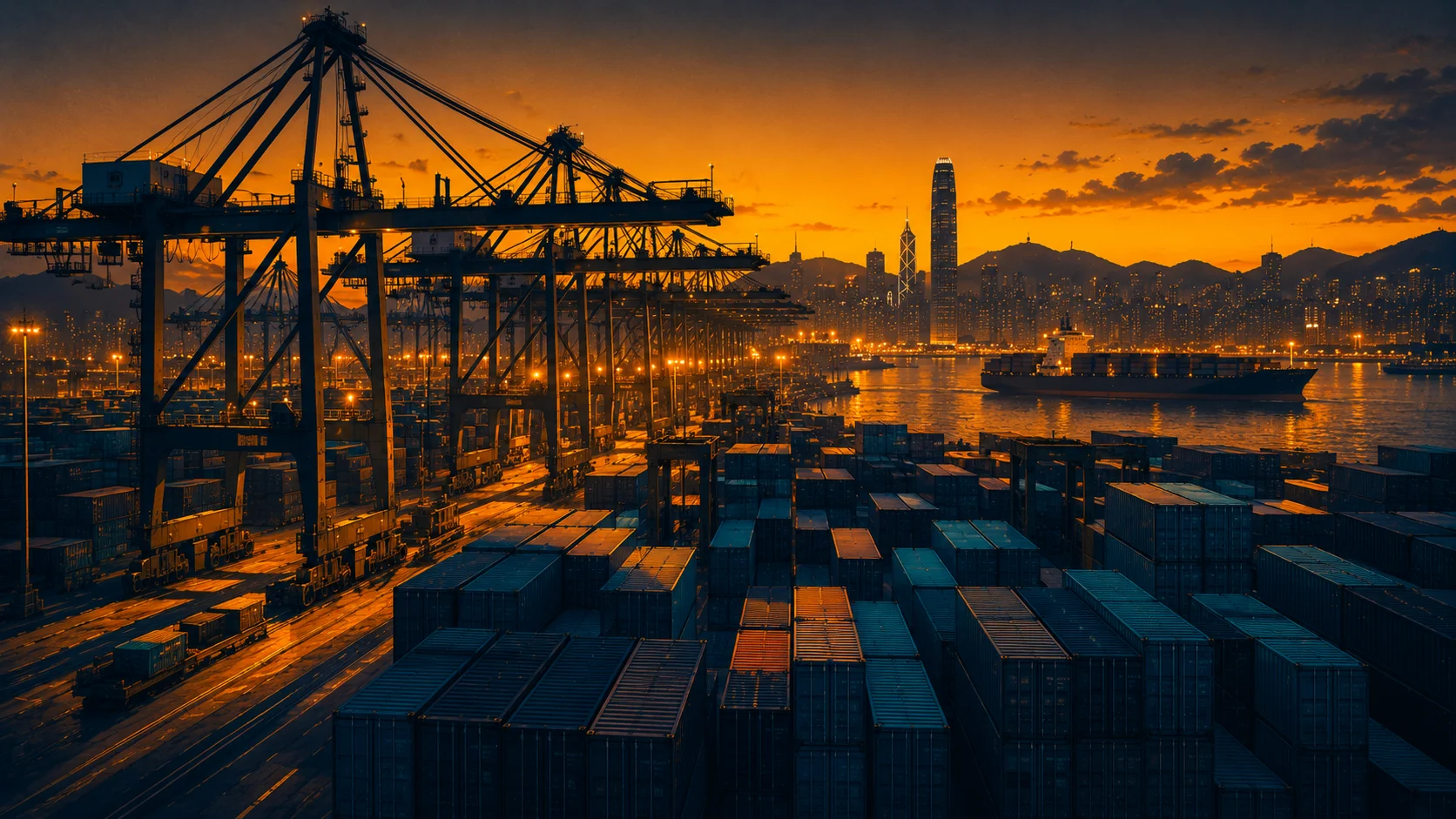
Hong Kong handles more than 18 million TEUs of container traffic every year. That volume makes Kwai Chung one of the highest-throughput container terminals in the world. For Australian importers, that throughput is partly an advantage. Services are frequent, consolidation options are broad, and the port infrastructure is mature. That same throughput is also a source of complexity. Frequent sailings mean you have options. Options mean decisions. And three decisions matter most on the HK-to-Australia route: container mode, documentation structure, and customs strategy. All three carry real cost consequences that most importers don’t model until something goes wrong.
Why Hong Kong Still Matters as a Shipping Origin
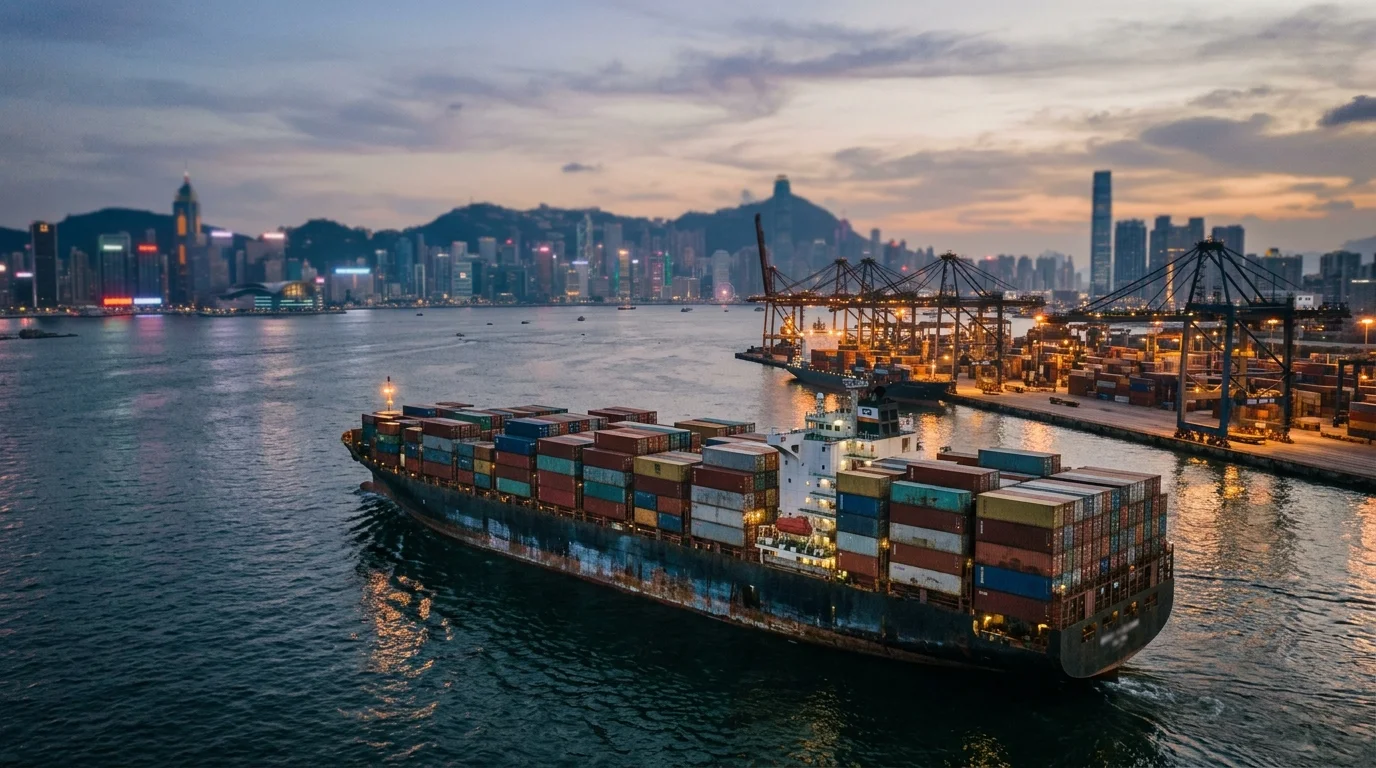
Hong Kong is not China, and that distinction matters more than most importers realize. As a Special Administrative Region, Hong Kong maintains its own customs territory, its own port authority, and its own export documentation system, all separate from mainland China’s. Goods manufactured in Guangdong or Shenzhen are frequently consolidated at HK terminals before being loaded onto deep-sea vessels bound for Australia. As a result, a significant share of what Australian businesses call “China sourcing” actually departs from Hong Kong waters.
According to Hong Kong’s Trade and Industry Department, Australia is a consistent Hong Kong trading partner, and re-exports dominate the trade flowing between them. Telecommunications and sound-recording equipment, office and data-processing machines, and watches and clocks lead the re-export categories to Australia, alongside smaller volumes of clothing and machinery. Hong Kong charges no tariffs on imports or exports, and that free-port status makes the territory a natural consolidation hub for goods flowing between mainland China and global markets including Australia, according to the U.S. International Trade Administration’s Hong Kong commercial guide.
For Australian importers, this structure means something practical: goods shipped from Hong Kong may be manufactured in mainland China, assembled in Hong Kong, or genuinely originate with HK-based manufacturers. The country of origin determines how Australian Border Force applies duty rates and whether biosecurity requirements differ. Getting this right before the shipment moves is considerably easier than correcting it after goods arrive at Port Botany or Swanson Dock.
Transit Times: What to Expect and How to Plan Around Uncertainty
Sea freight from Hong Kong to Australia takes between 12 and 22 days port-to-port, depending on the destination port and the specific shipping service. The range is meaningful: a 10-day spread is a real planning risk for businesses managing inventory cycles or responding to seasonal demand. Treating the midpoint as a certainty is the kind of overconfidence that creates stockouts.
A more useful frame is to think about the distribution rather than the average. Direct services to Sydney (Port Botany) typically run 12–16 days. Services routing via Singapore or another transhipment hub add 3–7 days and introduce a connection risk. If the feeder vessel misses the connection, that margin disappears entirely. Melbourne (Webb Dock / Swanson Dock) services run 13–17 days on most schedules, broadly similar to Sydney. Brisbane (Fisherman Islands) is longer at 15–20 days on direct services.
Air freight compresses this to 3–5 days door-to-door, with premium services handling urgent cargo in under 72 hours. The cost premium is substantial. Rates typically run 4–6x sea freight on a per-kilogram basis. That premium is worth paying when time sensitivity is the primary driver: perishable goods, stock replenishment to avoid a stockout, or high-value, low-weight items where freight cost is a small fraction of cargo value.
The published transit-time charts consistently understate port dwell time at the Australian end. Australian customs clearance adds time beyond the sailing schedule. The variability at major Australian ports runs from 1 business day for pre-cleared low-risk cargo to 5–10 business days when the goods are physically inspected. Building a realistic delivery window means adding port dwell time to the transit estimate, not just reading a carrier’s timetable.
Sea Freight Options: LCL vs FCL from Hong Kong
Hong Kong is one of the world’s strongest LCL (less-than-container-load) consolidation markets. Weekly LCL services run to all three major Australian ports. Importers who don’t fill a full 20-foot container can still book regular sailings without paying for space they don’t use. The trade-off is handling: LCL cargo passes through more hands, is co-loaded with other importers’ goods, and carries a slightly higher damage exposure than FCL (full-container-load) cargo. FCL moves from shipper to receiver in a sealed box.
The decision framework for most Australian importers is straightforward. LCL makes sense when cargo volume is below roughly 10–15 CBM and the per-unit value doesn’t justify the FCL premium. FCL makes sense when volume clears the threshold, when goods are fragile or high-value, or when the business needs a predictable sealed-container chain of custody for quality assurance or insurance reasons.
From Hong Kong specifically, FCL services have an advantage: many carriers operate weekly FCL sailings from Kwai Chung to Sydney, Melbourne, and Brisbane, with reliable schedules that simplify booking and inventory planning. The port’s efficiency means FCL containers are typically loaded and sealed with fewer delays than at some mainland Chinese ports, which is a modest reliability gain when schedule adherence matters.
Cost Benchmarks: What Shipping from Hong Kong to Australia Actually Costs
Freight rates change with market conditions, fuel surcharges, and seasonal demand, so any specific number in a guide like this is a planning reference, not a quote. The realistic cost bands for sea freight as of mid-2026 are:
- LCL (per CBM): AUD $80–$150 origin-to-destination, depending on port pair and consolidator
- FCL 20-foot container: AUD $1,200–$2,500 all-in, port-to-port
- FCL 40-foot container: AUD $1,800–$3,500 all-in, port-to-port
- Air freight: AUD $6–$14 per kilogram depending on weight, volume, and service level
These numbers do not include customs duty, GST, terminal handling charges at the Australian port, transport from the Australian port to the delivery address, or customs broker fees. A proper total landed cost calculation adds all of these together before comparing supplier quotes or deciding where to source. Importers who skip this step regularly discover that once duty, GST, and logistics are accounted for, the cheapest ex-works price becomes the most expensive landed cost.
Peak-season surcharges are a factor on the Hong Kong route. Two windows affect rate levels and space availability: the pre-Christmas shipping peak (August through October) and the Chinese New Year disruption window (January through February). Importers who treat the base rate as a year-round constant tend to get caught by surcharges that can add 20–40% to ocean freight costs during these windows. Work with a freight forwarder who monitors the HK-Australia market, and you get earlier warning and better options when the market tightens.
Documentation: What Hong Kong Requires on the Exporter Side
Hong Kong’s free-port status means export formalities are minimal by global standards. Most commercial shipments require a commercial invoice, a packing list, and a bill of lading or airway bill. Controlled goods need an export licence from Hong Kong Customs and Excise. That category covers certain chemicals, dual-use items, and strategic commodities. The HK Trade and Industry Department maintains a controlled-goods list that exporters must check before shipping.
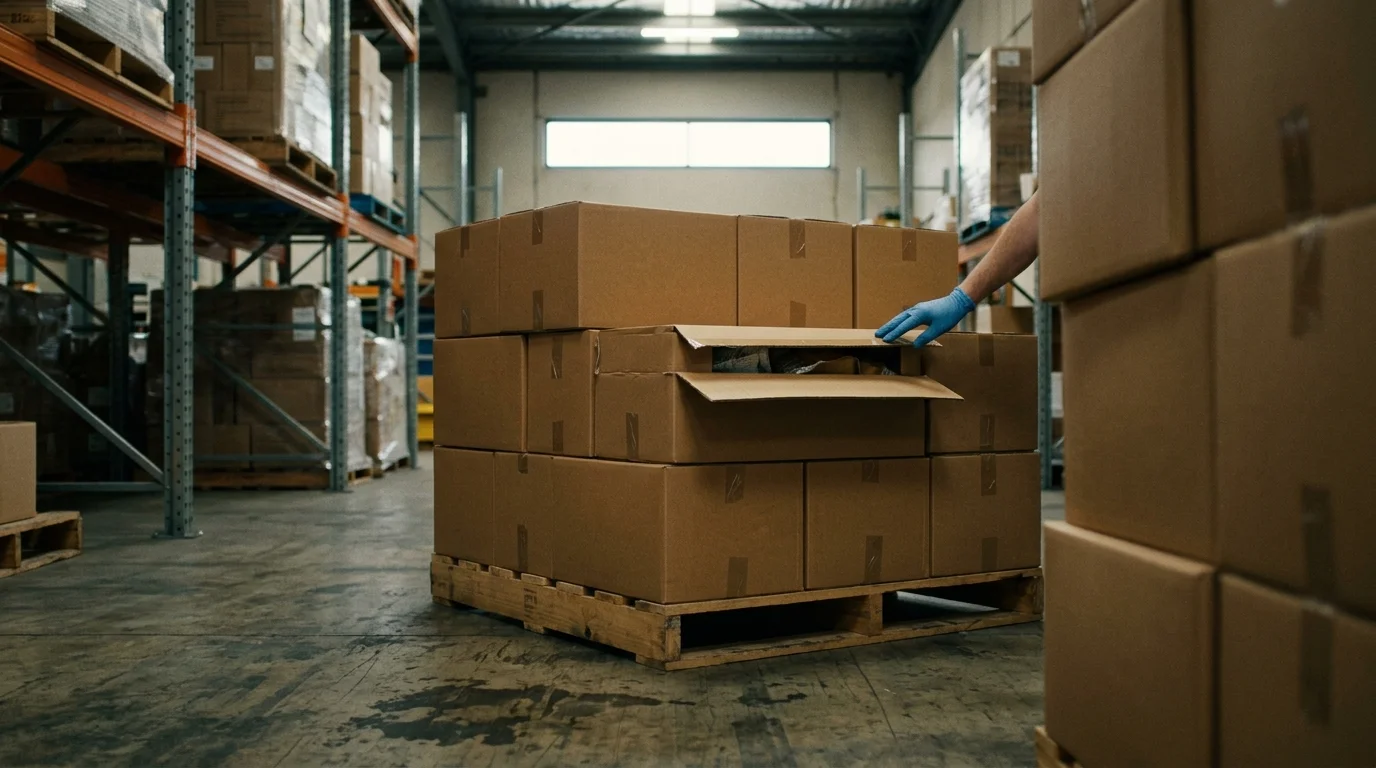
The most consequential documentation decision on the HK side is the Certificate of Origin. Because Hong Kong is a separate customs territory from mainland China, goods that truly originate in HK carry a different status than goods manufactured in China and re-exported through HK. The Australian Border Force administers Australia’s customs rules, and it assesses duty based on country of origin, not country of departure. If a commercial invoice states “Made in Hong Kong” on goods actually manufactured in Guangdong, that is not just a documentation error. It is a false declaration to a customs authority, with corresponding legal exposure.
For goods that genuinely originate in Hong Kong, the Hong Kong General Chamber of Commerce issues Certificates of Origin. These are recognized by Australian customs and can support preferential duty claims where applicable. For goods manufactured in mainland China but exported via HK, the origin documentation should reflect China, not Hong Kong. The import duty rate at the Australian end will then follow Chinese-origin rules.
Australian Customs Requirements for HK-Origin Goods
At the Australian end, Australia’s commercial import rules apply regardless of whether goods depart from Hong Kong, mainland China, or anywhere else. The regulatory stack starts with the Australian Border Force for customs clearance and the Department of Agriculture, Fisheries and Forestry for biosecurity screening. Specialist regulators cover product categories that require additional compliance: TGA for therapeutic goods, ACMA for electronics, and so on.
For most commercial goods arriving from Hong Kong, the import process follows a standard pathway:
- A licensed customs broker typically lodges an import declaration with ABF before or on arrival
- ABF assesses duty and GST liability based on customs value: the transaction value of the goods plus overseas freight and insurance costs to the Australian port
- The Department of Agriculture inspects or clears goods that fall under biosecurity regulations
- The importer pays duty and GST, or defers them under a duty deferral account
- Goods are released for delivery
The duty rate for goods from Hong Kong depends on origin. Australia does not have a bilateral free trade agreement with Hong Kong covering goods. For most goods, the general rate of duty applies. However, Australia is party to the Regional Comprehensive Economic Partnership (RCEP). Goods that originate in China may qualify for RCEP preferential rates even if they are transshipped through Hong Kong, provided origin documentation and rules of origin are satisfied. This is an underappreciated planning opportunity for importers who source from Guangdong-province suppliers and route through HK: the origin claim can be China rather than Hong Kong. A China claim can qualify the goods for RCEP duty relief, where a Hong Kong claim carries no preferential rate at all.
GST at 10% applies to the customs value of all imported goods. The low-value import threshold no longer exempts commercial importers. Businesses must account for GST on all commercial imports regardless of consignment value.
Choosing Your Incoterms on the HK-Australia Route
Incoterms define where responsibility and cost transfer from the Hong Kong seller to the Australian buyer. The practical consequences on this route are significant enough that you should choose deliberately rather than accept the seller’s default. Understanding what Incoterms mean for Australian importers is especially relevant when you source from HK-based trading companies or manufacturers who may default to EXW or FOB without explaining the implications.
EXW (Ex Works) places all freight, insurance, and export clearance responsibility on the buyer. From a Hong Kong factory or warehouse, this means your freight forwarder must collect the goods, arrange export documentation, and handle all logistics from origin. EXW gives the buyer maximum control but maximum operational exposure. If the freight forwarder you engage doesn’t have strong Hong Kong operations, problems compound quickly.
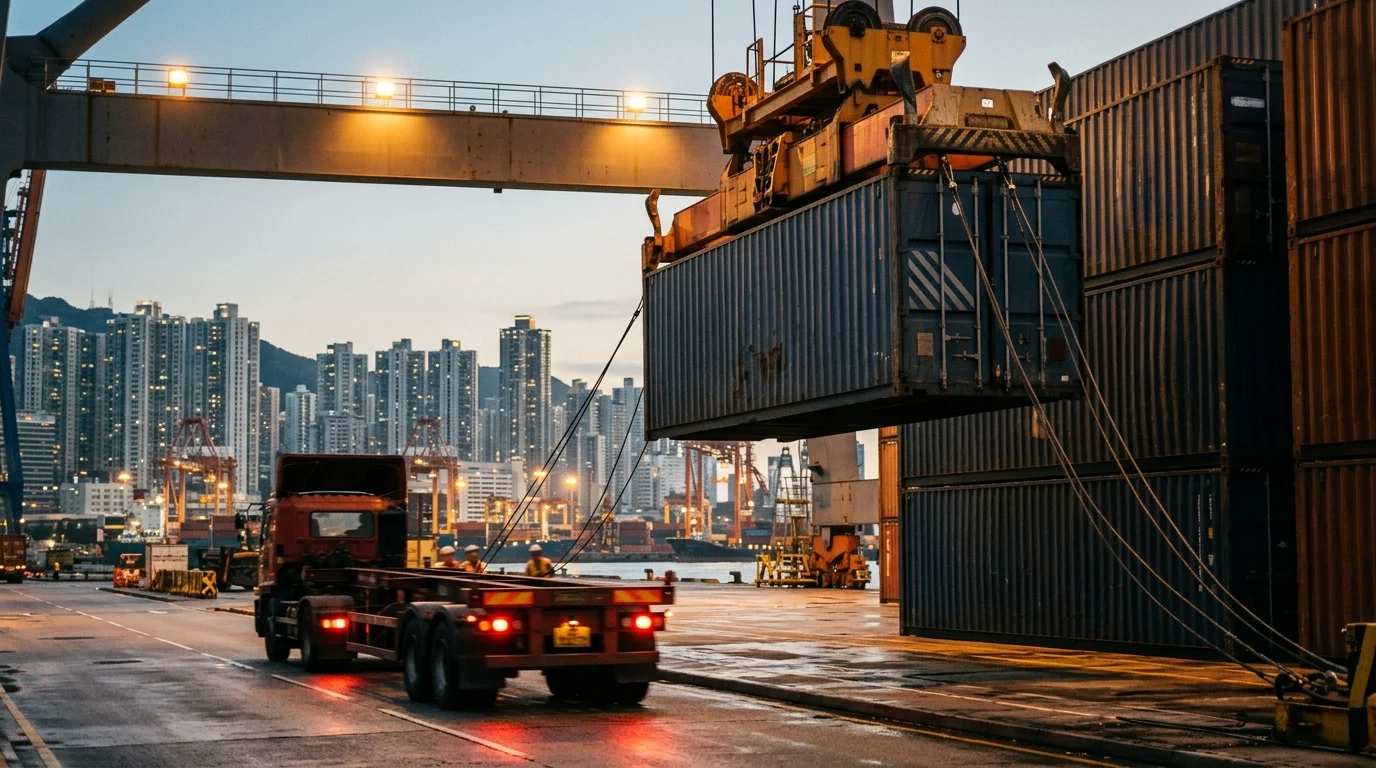
FOB (Free on Board) is the more common commercial arrangement, and Australian importers with established freight relationships generally prefer it. Under FOB, the HK seller clears the goods for export and delivers them to the vessel at Kwai Chung or the named port. From the moment the goods cross the ship’s rail, the Australian importer’s freight forwarder takes over. This is a cleaner handoff point, and it lets the buyer choose their own ocean carrier without bearing origin-side logistics risk.
CIF (Cost, Insurance, Freight) bundles the freight and insurance into the seller’s quote. The buyer sees a single delivered price, which can look attractive. The disadvantage is that the buyer loses control over freight selection, cannot verify that the insurance coverage is adequate, and often pays a margin above market freight rates embedded in the CIF price. For regular import programs, FOB with buyer-nominated freight is typically more cost-efficient and operationally transparent.
Working with a Freight Forwarder on the HK Route
Global and regional freight forwarders both serve the HK-to-Australia route, so importers have genuine choices. The quality differences are real. Choosing the right freight forwarder in Australia matters at both ends of the route: you need Hong Kong-side capability to manage origin consolidation, export documentation, and carrier booking, and you need Australian-side capability for customs clearance, biosecurity coordination, and last-mile delivery.
On the HK side specifically, look for a forwarder with established relationships at Kwai Chung. The terminal operates at high utilization. A forwarder with well-managed booking windows and truck slots will consistently hit cut-offs more reliably than one managing HK operations at arm’s length from a Sydney office. For LCL shipments, the HK consolidation partner matters: consolidators vary in how tightly they manage co-loading, how carefully they handle cargo, and how closely they hold to departure schedules.
Swift Cargo operates on the Hong Kong to Australia corridor and handles both FCL and LCL services. If you’re comparing providers or want to understand current rate levels and transit schedules, talk to a Swift Cargo freight coordinator for a realistic picture of market conditions. Pricing fluctuates with carrier availability and seasonal demand, and a real quote is always more useful than a guide’s benchmark figures.
One discipline separates a clean Hong Kong shipment from a stalled one: get your documentation right before the goods move, not after. The commercial invoice, packing list, and certificate of origin are not paperwork you chase down at the port. They are the operation. If your supplier is still sorting out the origin declaration when the container is booked, you have already lost the timeline. Set the standard early. Tell the exporter exactly which documents you need, in what format, and by what date, and hold them to it. Leave Hong Kong with a complete, accurate document set and your shipment clears Australian customs on schedule. Leave with gaps and it waits. Own the paperwork.
Practical Planning Checklist for HK-to-Australia Shipments
- Confirm country of origin before the first shipment: HK-origin and China-origin goods carry different duty treatment and CO documentation requirements
- Choose Incoterms deliberately: FOB is usually the most practical for Australian importers with established freight relationships
- Plan for port dwell time: add at least 3–5 business days to transit time when building inventory delivery windows
- Check if your goods need a product-specific permit: electronics (ACMA), therapeutic goods (TGA), and certain textiles carry additional requirements beyond standard customs clearance
- Engage a customs broker at the Australian end: the ABF and DAFF regulatory stack is complex enough that most regular importers save money by using a broker rather than self-clearing
- Build peak-season rate protection into your buying calendar: Chinese New Year and the pre-Christmas peak consistently push rates up and squeeze space on Hong Kong services
- Calculate total landed cost before comparing supplier quotes: freight, duty, GST, broker fees, and local delivery are all material, and the cheapest ex-works price is rarely the cheapest landed cost
Most guides on this route will tell you Hong Kong is a free port, and leave it there, as if that settles the question of what the shipment will cost. It’s technically true and almost useless. Hong Kong charging no export duty tells you nothing about what Australian Border Force charges on the way in, and that’s the number that actually determines the shipment’s cost, not the origin side. The importers who get surprised by a duty bill they didn’t expect aren’t the ones who misunderstood Hong Kong. They’re the ones who heard “free port” and stopped asking questions, when the real mechanism, Australian import duty assessed on the goods’ classification and origin, was sitting one step further down the chain the whole time. Hong Kong being a free port is a fact about Hong Kong. It was never a fact about what you’ll owe when the container lands in Sydney.
Frequently Asked Questions: Shipping from Hong Kong to Australia
How long does sea freight from Hong Kong to Australia take?
Port-to-port transit on direct services runs 12–16 days to Sydney and Melbourne, and 15–20 days to Brisbane. Transhipment services via Singapore or other hubs add 3–7 days and introduce connection risk. Add port dwell time (1–5 business days) and inland delivery to get a realistic door-to-door window.
Is Hong Kong a free port? Does that mean no export duties?
Yes. Hong Kong levies no customs tariffs on imports or exports and maintains a separate customs territory from mainland China. Export formalities are minimal for most commercial goods, though controlled items require export licences from Hong Kong Customs and Excise.
What duty rate applies to goods from Hong Kong when imported into Australia?
Australia has no bilateral free trade agreement with Hong Kong specifically covering goods. The applicable duty rate depends on the country of origin of the goods, not the port of departure. Goods truly originating in Hong Kong attract the general rate of duty. Goods manufactured in mainland China but transshipped through HK should be documented as Chinese-origin and may qualify for RCEP preferential rates.
Do I need a Certificate of Origin for shipments from Hong Kong?
Not always, but it’s worth getting one when the origin claim matters for duty or compliance purposes. The Hong Kong General Chamber of Commerce issues COs for HK-origin goods. If your goods are China-origin transiting HK, the CO should reflect Chinese origin rather than Hong Kong.
What are the main Australian customs requirements I need to prepare for?
You need three things: an import declaration lodged with the Australian Border Force, duty and GST payment based on customs value, and biosecurity clearance for applicable goods. Most commercial importers use a licensed customs broker to manage these steps. The regulatory stack is manageable but has enough moving parts to justify professional handling.
Should I use LCL or FCL from Hong Kong?
LCL is practical when cargo volume is below roughly 10–15 CBM and a sealed container chain of custody isn’t required. FCL makes more sense above that threshold, for fragile or high-value goods, or when schedule reliability on a fixed sailing is more important than cost-per-CBM. Hong Kong has strong weekly LCL consolidation services to all major Australian ports, so LCL importers have good options.
When is the best time to book HK-to-Australia sea freight?
Book at least 3–4 weeks before your intended cargo-ready date during normal conditions. During Chinese New Year and the pre-Christmas peak, extend that to 5–6 weeks and be prepared for rate surcharges of 20–40% above base market levels. Hong Kong’s ports run close to capacity, so cargo booked late during peak periods often gets rolled to later sailings.