
This guide walks through all four growth stages, from your first trial order to a full container, and what changes at each one.
Most Australian import businesses start the same way: a sample order, then a small trial shipment, then a few LCL consignments before the question becomes unavoidable: at what point does the freight model that got you started become the constraint that holds you back?
Scaling imports is not just about ordering more product. Each stage of growth changes your freight economics, your compliance exposure, your supplier leverage, and your working capital requirements.
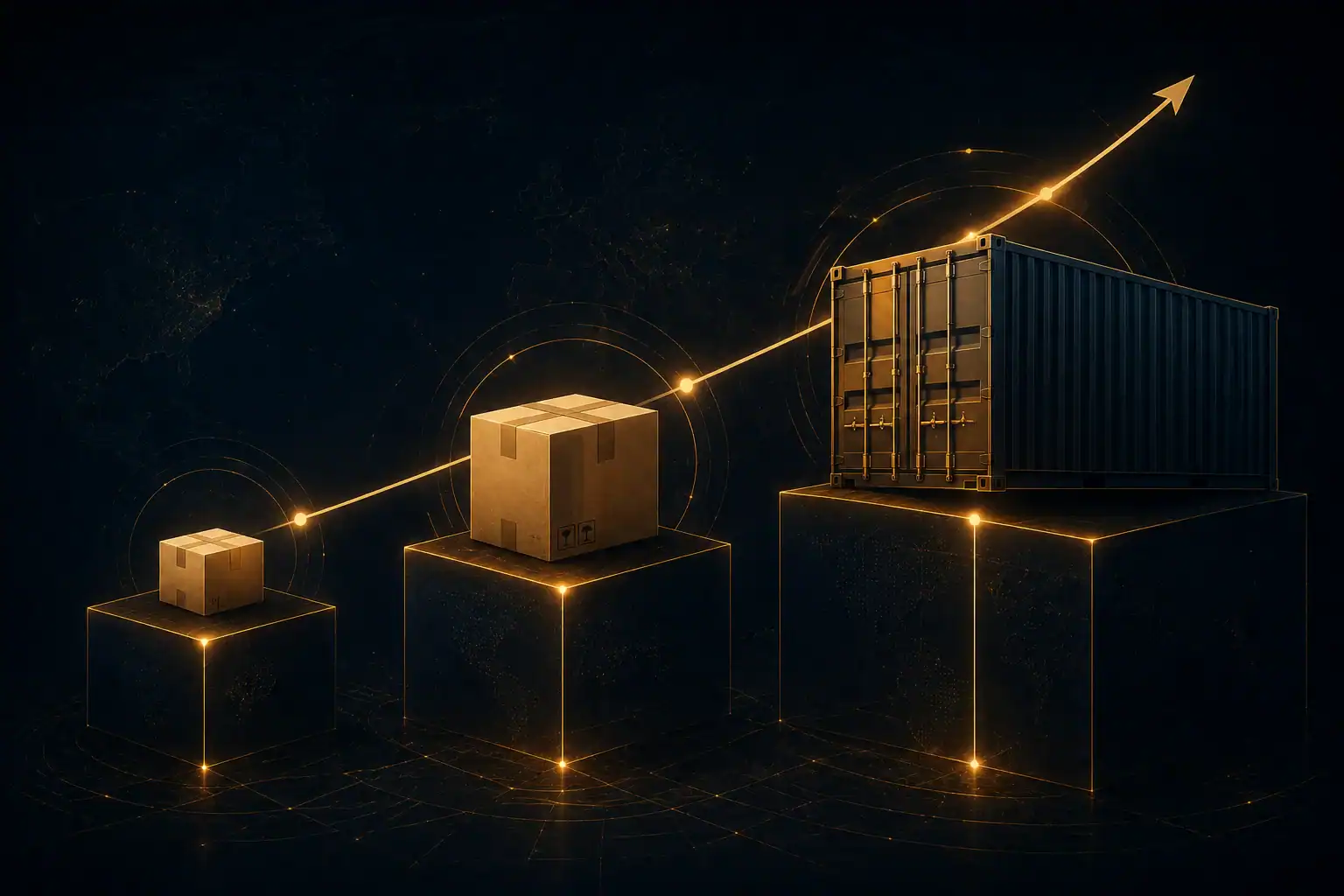
Stage 1: Trial Orders and Samples (Under 1 CBM, Single Supplier)
Every import business begins here. The first order is a validation exercise: does the product meet specification, does the supplier deliver to commitment, and does the quality hold across a production run rather than just the sample?
At this stage, freight is typically air express or a small air cargo consignment. The per-unit freight cost is high (often higher than the commercial unit cost), but that is acceptable because the purpose is validation, not economics. The landed cost calculation at this stage is deliberately unrepresentative of what the business will look like at scale.
What to do at this stage: Document everything. Record the supplier’s production timeline, defect rates on the trial shipment, communication responsiveness, and the accuracy of documentation (commercial invoice, packing list, country of origin). These records become the baseline against which future performance is measured and the evidence base if a dispute arises later.
ABF compliance note: Shipments with a customs value of AUD 1,000 or less can be cleared under a Self-Assessed Clearance (SAC) declaration, which is simpler and lower-cost than a full import declaration. Above AUD 1,000, an import declaration is required for each consignment. At trial order volumes, this threshold often does not apply, but know where it sits.
Stage 2: Repeat LCL Shipments (1–12 CBM per Shipment)
Once the supplier and product are validated, regular LCL (Less than Container Load) shipments are the normal next stage. LCL charges per CBM. This makes it economically appropriate for shipments below the FCL crossover point and operationally flexible: you ship when stock is needed rather than when you have a full container’s worth of product.
At this stage, the key management tasks are:
Establishing a reorder cadence. LCL shipments have a total lead time (production + transit + customs clearance) that must feed your inventory planning. If your transit time from Ho Chi Minh City to Melbourne is 18–22 days and production takes 30 days, your reorder point must be set 50–55 days before you expect to reach minimum stock. See the stockout prevention guide for the calculation method.
Import scaling has its own cold start problem: the freight economics that make FCL attractive only arrive at volumes you cannot reach until sales grow, and sales growth depends on the availability and unit costs that FCL provides. The way through looks the same as it does for marketplaces: do things that don’t scale first. Importers who navigate this stage usually run a deliberately expensive middle period: LCL shipments at spot rates, ordering slightly ahead of demand, treating the extra per-CBM freight cost as the price of generating sell-through data. The data is the asset. Twelve months of consistent monthly demand makes the FCL conversation with your forwarder a formality rather than a forecast.
Locking in documentation standards. At this stage you are learning what your supplier can reliably produce in terms of documentation: commercial invoice accuracy, packing list detail, certificate of origin timing for ChAFTA or AANZFTA claims. Problems discovered now, with small shipments, are cheaper to fix than the same problems at FCL volume. Work with your freight forwarder to establish a documentation checklist that the supplier completes before each shipment.
Building the freight relationship. Your forwarder accumulates knowledge of your product category, your supplier’s origin port, and your customs risk profile as you ship repeatedly. This institutional knowledge (which HTS codes your goods are classified under, which DAFF inspection requirements apply, how your supplier’s documentation tends to arrive) reduces the friction cost of each shipment over time.
Freight costs at this stage: LCL rates on China-Australia and Vietnam-Australia lanes typically range from AUD 90–160 per CBM for the ocean leg, with origin and destination handling adding AUD 150–250 per shipment regardless of volume. A 3 CBM LCL shipment might have a total freight cost of AUD 550–750: a high per-CBM rate that improves significantly as shipment size grows within the LCL range. For current rate context, see the supplier-to-warehouse chain guide.
The LCL-to-FCL Crossover: When the Economics Shift
The single most important scaling decision most Australian importers face is when to move from LCL to FCL (Full Container Load). Getting this timing right saves material freight cost; getting it wrong (moving to FCL before the volume justifies it) ties up working capital in excess stock.
The crossover economics depend on three variables: your current per-CBM LCL rate, the current 20ft FCL box rate on your trade lane, and your shipment volume per order cycle.
On most Asia-Australia lanes in normal market conditions:
- A 20ft FCL holds approximately 25–28 CBM of packable goods (slightly less for bulky or heavy cargo)
- A 20ft FCL box rate typically ranges from AUD 1,800–3,500 depending on lane and season
- LCL rates on the same lane typically range from AUD 90–160 per CBM for the ocean leg alone
At AUD 120/CBM LCL and AUD 2,400 FCL, the crossover point in this specific case is 20 CBM: the volume at which FCL becomes cheaper per CBM than LCL. Below 20 CBM, LCL is cheaper. Above 20 CBM, FCL is cheaper per CBM. These are illustrative rate inputs, not fixed figures: different rates on your own lane will move this number. For a fuller worked methodology using different rate assumptions, see Freight Consolidation Strategies for Australian Importers.
But the crossover is not purely about freight rates. FCL carries additional advantages that change the comparison:
- No co-mingling risk: LCL cargo is consolidated with other shippers’ goods. Damage from adjacent cargo, contamination from a neighbouring consignment, or loss during CFS handling are all risks that disappear with FCL: your container is sealed and opened only at your warehouse.
- No CFS delay: LCL cargo is held at the destination CFS (Container Freight Station) for deconsolidation, typically adding 2–5 days to clearance. FCL clears faster at most Australian ports.
- Predictable container release: FCL clearance timelines are more consistent than LCL, where CFS schedules and co-consignee documentation problems can delay release of an otherwise compliant shipment.
When FCL is within 10–15% of LCL total freight cost at your volume, the operational benefits tip the decision toward FCL. The practical test: ask your forwarder for a current FCL quote alongside your next LCL quote and compare at your actual shipment volume.
For a detailed LCL vs FCL comparison covering Australian importer considerations, see the Incoterms and freight decision guide.
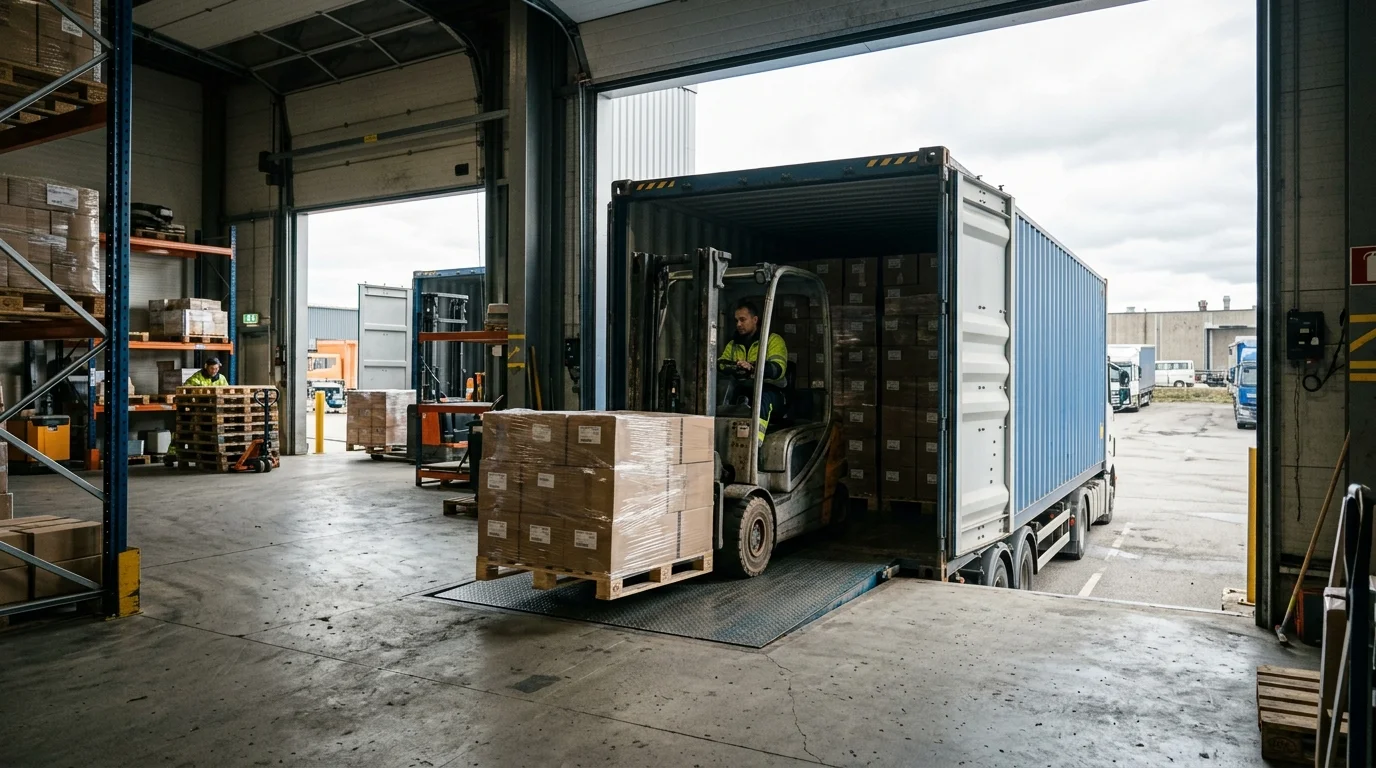
Stage 3: Regular FCL Shipments (1–4 Containers per Year)
Moving to FCL changes several dimensions of the import operation simultaneously. Not all of them are positive in the short term.
Working capital increases. An FCL order is larger than an LCL order, requiring more working capital in inventory and in transit at any given time. A business that ordered 5 CBM every six weeks now orders 20–25 CBM every 10–12 weeks. The inventory investment per cycle is higher, and the risk of a quality problem or delayed shipment affects a larger stock position.
Supplier relationship formalises. FCL volume gives you more leverage with your supplier: you are placing larger, fewer orders rather than frequent small ones, which suits most manufacturers’ production scheduling. Use this leverage to negotiate: longer payment terms (from 100% advance to 30/70 against documents), pricing improvements for confirmed volume, and priority scheduling during peak production periods.
Compliance frequency increases. Each FCL is a separate import declaration to ABF. As declaration frequency grows, so does the importance of consistent, accurate documentation. ABF’s compliance audit program targets importers whose declaration patterns suggest errors: misclassification, undervaluation, or documentation inconsistencies. A customs broker who knows your product category and maintains accurate HTS classification records becomes a compliance asset, not just a transaction service.
Incoterm renegotiation is worth attempting. At FCL volume, you have the freight buying power to negotiate FOB terms if your supplier has been quoting CIF. A single FCL order gives your forwarder enough volume to negotiate competitive ocean freight rates that may undercut the seller’s CIF embedded rate. For the framework for that negotiation, see the EXW vs FOB vs CIF comparison.
DAFF biosecurity consistency matters more. At FCL scale, a DAFF-triggered examination or treatment failure has a proportionally larger operational impact than at LCL scale. Ensure that your supplier’s timber packaging consistently meets ISPM 15 requirements, that fumigation certificates from DAFF-approved providers accompany every shipment, and that your customs broker has a protocol for flagging any new product category that might carry different biosecurity requirements.
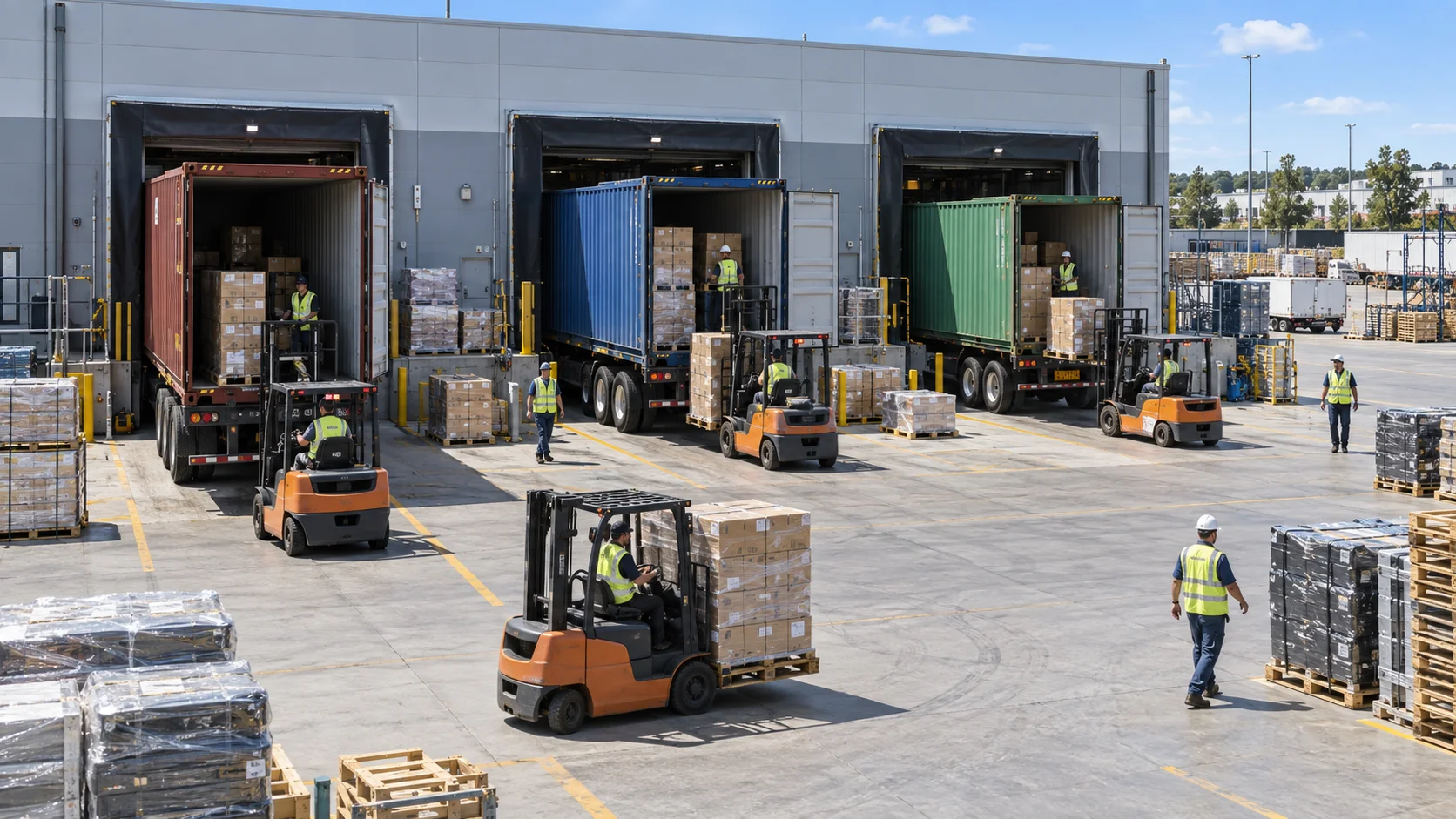
Stage 4: High-Volume FCL Operations (4+ Containers per Year)
At four or more FCL containers per year, the import operation has reached a scale where strategic decisions (about supplier diversification, warehousing, freight procurement, and compliance management) have material impact on business performance.
Freight procurement shifts from reactive to planned. At this volume, annual or quarterly freight rate agreements become possible. Rather than booking each shipment at spot rates, regular-volume importers can negotiate rate agreements with forwarders or carriers that provide rate certainty and sometimes priority capacity access during peak periods when spot capacity is constrained. This is particularly valuable on China-Australia and Vietnam-Australia lanes where seasonal surcharges (Golden Week, Chinese New Year, year-end) can spike spot rates by 30–60%.
Supplier diversification becomes a business imperative. A business running 6+ containers per year from a single supplier is carrying concentrated supply risk. Factory fire, labour disruption, raw material shortage, or a quality failure can halt 100% of supply for the weeks or months it takes to qualify and ramp up a new supplier. At this scale, qualifying a second supplier is not optional risk management. It is basic operational resilience. Run 15–20% of volume through the backup supplier continuously to keep them production-ready.
3PL warehousing becomes economically relevant. At 4–8 FCL per year, inbound receiving, container unpack, and inventory management are consuming significant internal resource. A 3PL (third-party logistics) arrangement moves that operational load to a specialist while often reducing cost per unit handled through economies of scale. The break-even depends on your current internal handling cost versus 3PL rates: get comparative quotes when your inbound volume reaches 4 FCL per year.
FTA utilisation should be systematic. At high volume, the tariff savings from consistently claiming preferential rates under ChAFTA (for China-origin goods) or AANZFTA (for Vietnam and ASEAN-origin goods) are meaningful at scale. A 5% duty saving on AUD 500,000 annual import value is AUD 25,000 per year: recoverable simply by ensuring certificates of origin are obtained from every shipment and presented with every import declaration.
Working Capital Management at Each Stage
The working capital requirement of an import business scales non-linearly with volume. Understanding what is locked up in inventory and in transit at each stage prevents the cash flow surprises that stall otherwise viable scaling plans.
At LCL stage, working capital is relatively contained: a 5 CBM LCL shipment worth AUD 15,000 is in transit for 25–35 days. You have one cycle of stock in transit and one cycle on shelf at most times. The total working capital tied up in the import chain is rarely more than 2–3 times a single order value.
The LCL-to-FCL transition changes this picture sharply. A first FCL order might be AUD 70,000 of product: four to five times a typical LCL order. That order is placed 45–60 days before it arrives (production plus transit), during which time you must also maintain stock to cover sales. On the day the FCL lands, you may have AUD 70,000 in transit plus AUD 30,000 on shelf: AUD 100,000 of capital locked in inventory, where previously the number was AUD 25,000–30,000.
The practical mitigation: model the working capital peak before placing the first FCL, not after. The model should include: production deposit (typically 30% of order value), balance payment (70% before or against documents), transit period working capital (the cost of maintaining shelf stock while the FCL is at sea), and a buffer for any clearance delay. Knowing this number in advance gives you the option to arrange a trade finance facility, a business overdraft, or simply to time the first FCL for a period of strong cash flow.
Payment terms improvement (from full advance to 30/70 against documents) reduces peak working capital by approximately 30–40% of order value, which is the single most effective working capital lever at this scale. Suppliers typically extend these terms once two to three successful FCL transactions have been completed.

Freight Procurement: From Spot Rates to Rate Agreements
Most Australian importers at LCL and early FCL stage book freight at spot rates: the market rate at the time of booking, which varies with capacity and demand. At low volume, this is appropriate: the administrative overhead of maintaining a rate agreement is disproportionate to the savings.
At 4+ FCL per year, the calculation shifts. Ocean freight rates on Asia-Australia lanes fluctuate significantly: by 30–60% between low season and Golden Week / Chinese New Year periods in a typical year. An importer who books all shipments at spot rates in a high-demand quarter can pay materially more than one who has a fixed-rate agreement for the year.
Rate agreements are typically available in two forms. A blanket rate agreement sets a fixed rate per container for a nominated annual volume: the forwarder locks in capacity and rate, the importer commits to a minimum volume. A priority booking arrangement is less formal: the forwarder agrees to prioritise capacity for the importer in exchange for commitment of volume over the year.
The negotiation leverage for rate agreements comes from volume predictability: a forwarder or carrier who knows you will ship 6 FCL over the next 12 months can plan around that commitment. Volume certainty is valuable to the freight chain, and that value is available to import businesses willing to forecast and commit.
The secondary benefit of a consistent forwarder relationship at scale is institutional knowledge. A forwarder who has cleared your product category 20 times knows which DAFF inspection triggers apply, which ABF classification questions are likely, and how to structure documentation to minimise clearance friction. That knowledge reduces the per-shipment cost of clearance in ways that are not visible in the freight rate but are real in total landed cost.
Common Scaling Mistakes
Jumping to FCL before documentation quality is reliable. FCL magnifies documentation problems. An LCL consignment held at port for a packing list correction costs you 3–5 days on a 3 CBM shipment. The same error on a 20ft FCL holding AUD 80,000 of stock costs the same resolution time but proportionally more in demurrage, storage, and working capital exposure. Establish reliable documentation discipline at LCL scale before moving to FCL.
Sole-sourcing while scaling volume. The instinct to concentrate volume with the best-performing supplier is understandable and often correct for the unit economics. It becomes a vulnerability when that single supplier faces any disruption. The time to qualify a backup is when you do not need one, not during a supply crisis.
Ignoring FTA paperwork at small volume, then facing a backlog at scale. Importers who do not establish the certificate of origin habit at LCL scale find that backfilling it at FCL scale is painful. The supplier relationship and documentation process required to obtain Form F (ChAFTA) or AANZFTA declarations needs to be established while shipment volumes are manageable.
Underestimating working capital requirements at the LCL-to-FCL transition. The first FCL is typically a working capital shock: an order three to five times larger than the previous LCL cycle, with longer lead time and more capital tied up in transit. Plan the working capital requirement before placing the first FCL, not after discovering the gap during order confirmation.
For Swift Cargo’s approach to growing importer relationships from LCL to FCL, including freight rate structures at each volume level, see the Australia freight page.
Frequently Asked Questions
When should an Australian importer switch from LCL to FCL?
There is no single fixed crossover point: it depends on your specific LCL and FCL rates on the day, not a universal CBM threshold. The worked example later in this article shows one real case (at AUD 120/CBM LCL and AUD 2,400 FCL, the crossover lands around 20 CBM), but that number shifts meaningfully with your actual rate card and lane. Get a current FCL quote from your forwarder and compare it to the per-CBM LCL rate multiplied by your shipment volume. When FCL is within 10–15% of LCL on a landed cost basis, the additional benefits of FCL (no co-mingling risk, faster CFS clearance, lower damage exposure) tip the decision toward FCL.
How does import frequency affect compliance obligations in Australia?
Each shipment above AUD 1,000 customs value requires an import declaration. Importers with high declaration frequency may be subject to ABF compliance audits reviewing declaration accuracy, valuation methodology, and tariff classification history. DAFF biosecurity assessments apply per shipment: importing the same product more frequently does not reduce the per-shipment assessment, but does mean documentation or treatment errors are discovered and corrected faster.
What payment terms should I aim for as my import volume grows?
The progression typically moves from 100% advance payment through 30/70 against bill of lading documents, to open account terms for trusted suppliers, and eventually to net-30 or net-60 credit terms for importers placing regular significant volume. The leverage for negotiating better payment terms is volume consistency: a supplier who receives predictable monthly orders will extend credit terms they would not offer for sporadic purchases.
How do I manage sole-supplier risk when scaling imports?
Qualify a second supplier before you need one. When your primary supplier handles 80% of your volume comfortably, use 10–15% of volume to qualify an alternative. The cost of the backup order is the insurance premium against a disruption that could halt supply for 8–16 weeks: the time required to find, qualify, and ramp up a new supplier from scratch under emergency conditions.
When should an Australian importer consider using a 3PL warehouse?
The 3PL decision becomes relevant when inbound volume exceeds what can be efficiently handled by your own receiving operation, typically at 4–8 FCL per year. Key triggers: if container unpack at your facility takes more than 2 days per container, or if you are holding more than 60 days of stock because you lack space to receive more frequently, a 3PL arrangement typically reduces total logistics cost while improving receiving efficiency and inventory visibility.