
If you are shipping personal effects into Australia, the most expensive misunderstanding is assuming household goods are automatically low-risk. They are not.
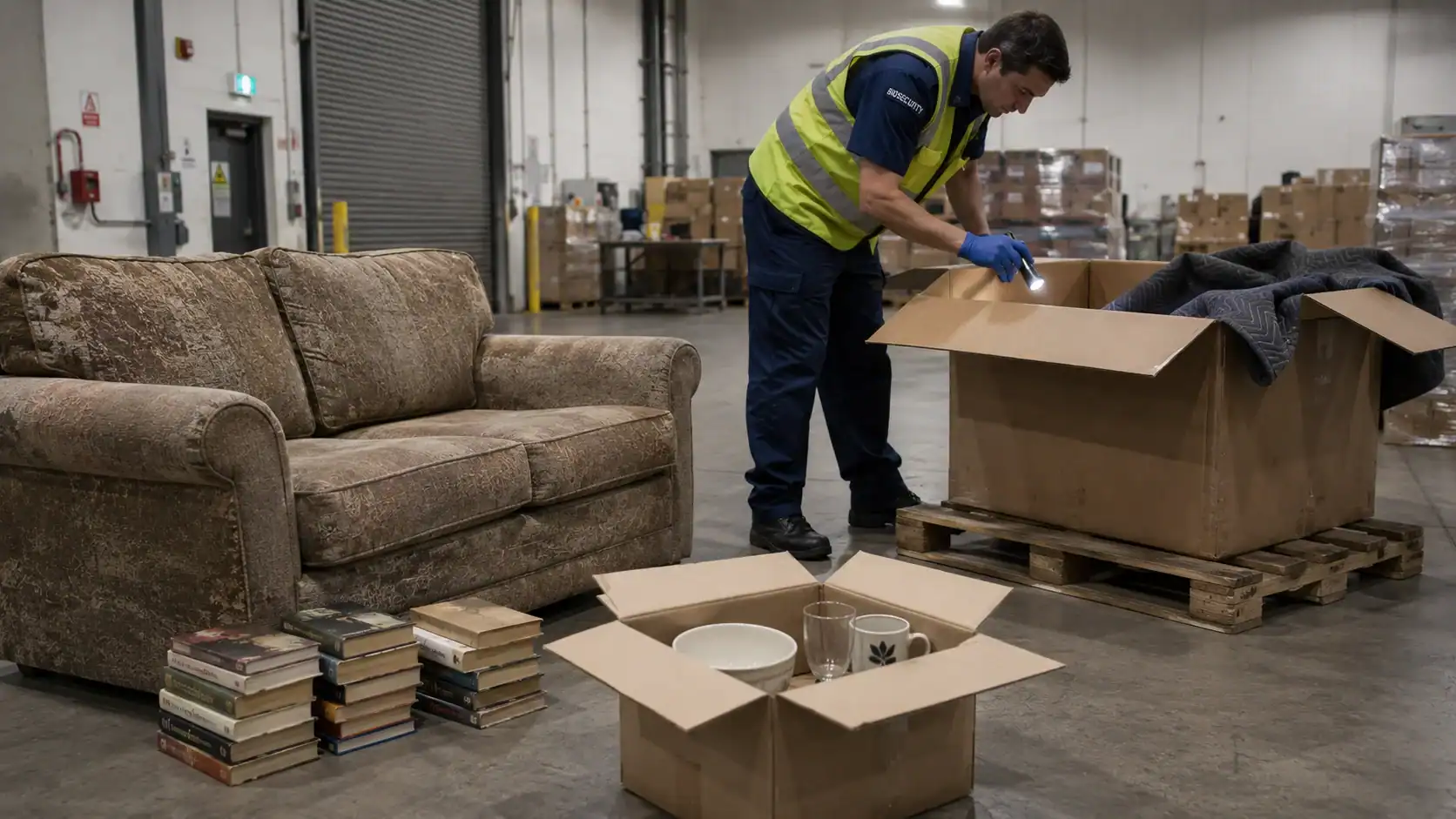
From a client’s point of view, the shipment may contain ordinary things: bicycles, garden tools, camping gear, sports equipment, furniture, prams, and household boxes. From Australia’s biosecurity point of view, those same items can carry soil, seeds, plant residue, insects, mould, or organic contamination hidden in seams, wheels, joints, and fabric.
That is why used household goods get inspected so often. The question is whether they present a biological pathway Australia does not want crossing the border, not whether they look neat in a domestic sense.
Inspection risk drives cost, delay, treatment orders, and sometimes disposal or re-export decisions. Once you understand what the system is actually trying to stop, the process feels much less arbitrary.
Key Takeaways
- Used household goods are subject to biosecurity control because personal effects can carry contamination pathways even when they are not commercial goods.
- DAFF treats soil, plant matter, seeds, insects, mould, and organic residue as practical border risks. DAFF: Clearance and inspection of goods
- Outdoor-use items such as bicycles, boots, tools, camping gear, and outdoor furniture are more likely to attract scrutiny.
- The difference that matters is visibly clean versus biosecurity clean, not tidy versus untidy.
- The best way to reduce delays is to clean contamination-prone goods thoroughly, declare them accurately, and check relevant conditions before shipping. Australia Biosecurity Rules Explained
Jump to a Section
- Why personal effects are not automatically low-risk
- What biosecurity officers actually look for
- Why cleaned goods still fail inspection
- Which household items attract the most scrutiny
- How to prepare used household goods properly
- How inspections create cost and delay
- What happens when goods fail: treatment and who pays
- Why declaring more can cost you less
- Frequently Asked Questions
Why Personal Effects Are Not Automatically Low-Risk
Australia’s biosecurity system does not start by asking whether goods are commercial or personal. It starts by asking what risk pathway they create.
Personal effects and household goods can be subject to biosecurity control, DAFF’s own import guidance confirms. That is because household items often arrive after being used outdoors, stored in garages, moved through gardens, or packed with residue still trapped in corners and surfaces. DAFF: Clearance and inspection of goods
This is the core misunderstanding many relocation clients have. They assume personal ownership reduces inspection intensity. In practice, personal ownership changes the category of shipment, but it does not eliminate the contamination problem.
What Biosecurity Officers Actually Look For
The most common triggers are simple and physical. Officers are looking for soil, plant fragments, seeds, insect presence, mould, animal residue, and general organic material that could introduce pests or disease pathways.
DAFF’s guidance on recreational and outdoor items is useful because it shows the principle clearly. Boots, fishing gear, camping equipment, and similar items are treated seriously because small traces of soil, plant matter, or water are enough to create risk. DAFF: Recreational, camping, hiking and fishing goods
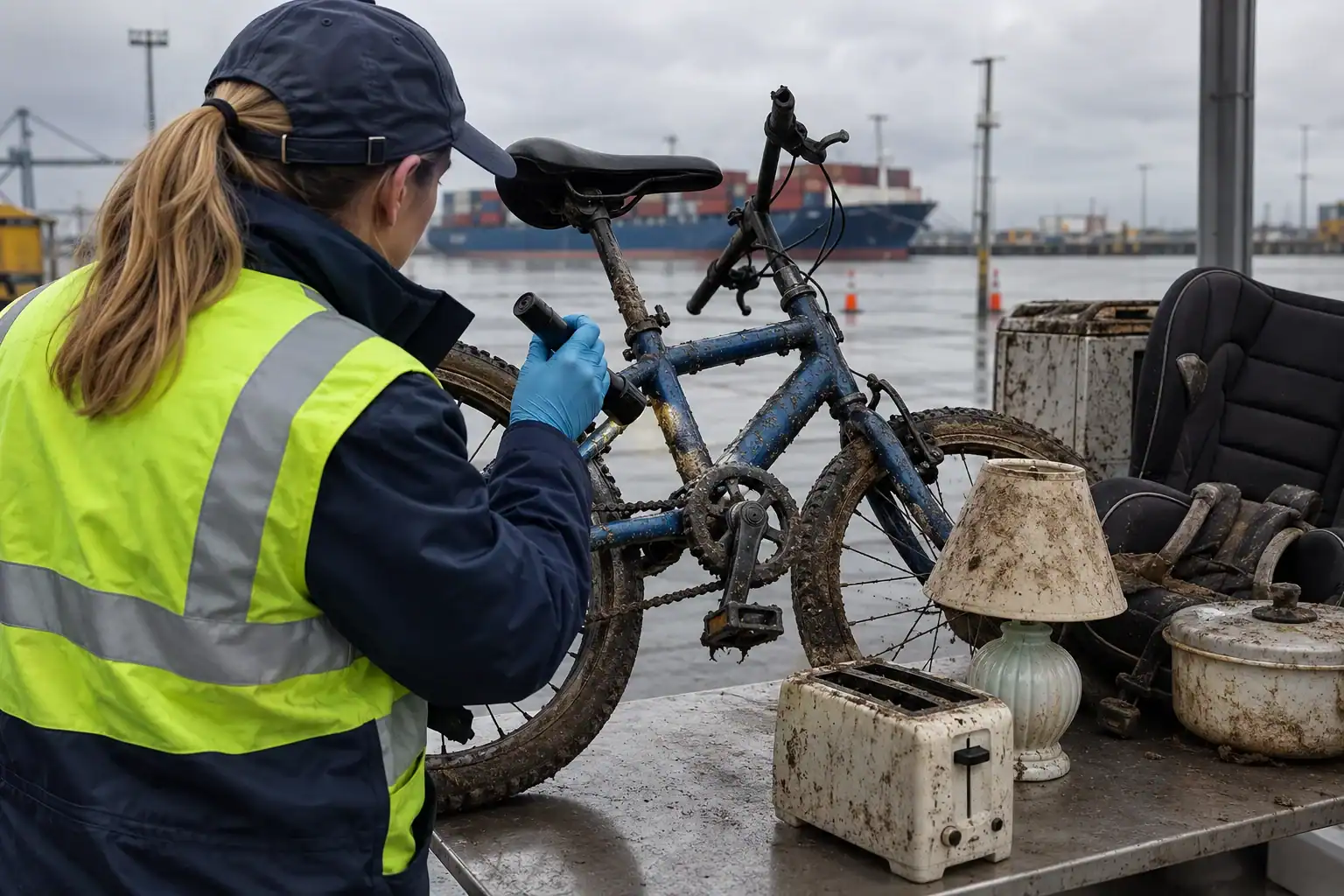
That same logic extends into household shipments. A used lawn mower is obvious. A child’s scooter with dried mud in wheel housings is less obvious, but the risk logic is the same. So are bicycles, golf clubs, hiking poles, garden furniture, sports bags, and anything that has spent time on soil, grass, or in damp storage.
Why Cleaned Goods Still Fail Inspection
A common cause of surprise is false confidence. Items were “cleaned,” but they were cleaned to a household standard, not to a border-risk standard.
Contamination often hides in places normal cleaning ignores: under screws, inside wheel treads, in rubber seals, beneath fabric edging, inside toolbox corners, or behind detachable panels. An item can look clean on the surface and still fail once inspected closely.
That is also why some shipments feel inconsistent. One container may pass with little interference while another gets opened and parts of it are treated. The difference is often whether unresolved risk remains visible once the shipment is assessed, not luck.
Which Household Items Attract the Most Scrutiny
Not every personal item carries the same inspection risk. In household shipments, scrutiny is usually higher for items with an outdoor, agricultural, or contamination-prone history.
- bicycles and scooters
- camping and hiking gear
- garden tools and outdoor furniture
- sports equipment used on grass or soil
- prams, wheelchairs, and wheeled items used outdoors
- wooden goods, baskets, and natural-fibre items
- garage equipment and stored machinery parts
These categories do not guarantee a problem. They simply have more ways to carry hidden residue. That is why they tend to attract more attention than clothes, books, kitchenware, or boxed indoor goods.
How to Prepare Used Household Goods Properly
The practical goal is to reduce the chance that inspection reveals something preventable. That means cleaning goods with the inspection standard in mind, not merely preparing them for packing.
For contamination-prone items, that usually means:
- removing all visible soil, dust, plant matter, and residue
- cleaning wheel housings, seams, undersides, hinges, and crevices
- drying items fully so moisture and mould risk are reduced
- separating high-risk outdoor items from low-risk household contents where possible
- declaring the nature of the goods accurately on shipping documents
It is also worth checking whether specific commodities or materials have conditions in BICON before shipping. Household cargo may still contain goods that attract product-specific rules. DAFF: BICON
How Inspections Create Cost and Delay
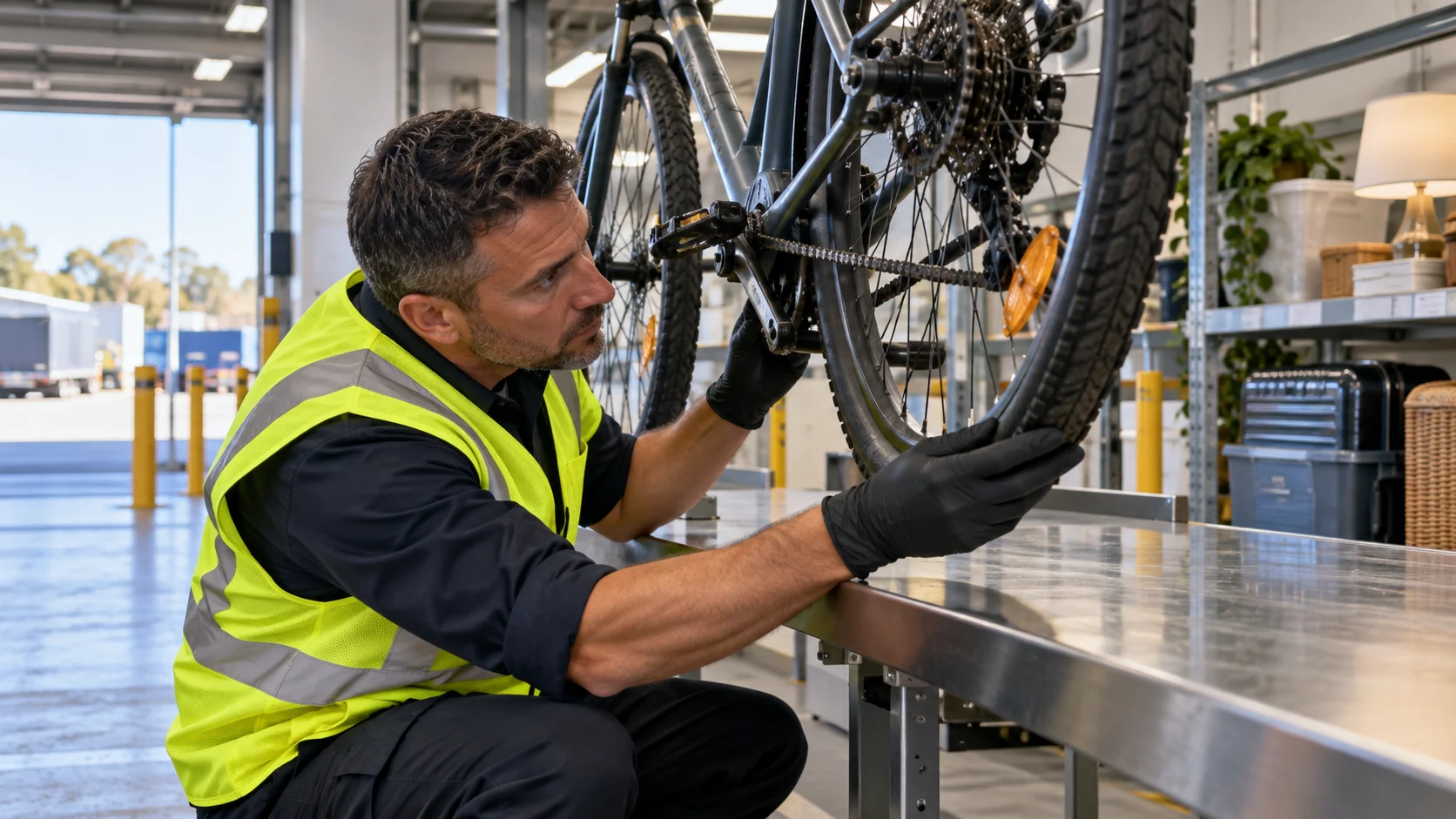
Inspection is not automatically bad news, but it does put the shipment into a slower and more expensive path. DAFF can direct inspection, treatment, isolation, or other action depending on what it finds. If goods do not meet import requirements and cannot be treated, they may be exported or disposed of at the importer’s expense. DAFF: Clearance and inspection of goods
The real cost of poor preparation goes beyond the inspection fee to the chain reaction that follows: extra handling, missed delivery windows, storage exposure, treatment costs, and longer uncertainty at the exact moment clients want the move finished. These are the same holds that explain why shipments get held at the Australian border, and biosecurity is one of the most common reasons they start.
Australia does not charge you for owning used goods. It charges time and money when those goods arrive with unresolved risk.
The rules behind these inspections are set out in full in Australia’s biosecurity rules, with the item-level import conditions in BICON. For a household move, the unaccompanied personal effects concession sets out what clears duty-free.
What Happens When Goods Fail: Treatment Options and Who Pays
Whether your shipment passes hinges on biosecurity clean, not tidy.
If DAFF flags contamination, treatment and a second inspection stack onto your timeline and your bill before the container reaches you.
Preparation sometimes falls short anyway, and the department’s response is rarely a flat refusal. It directs a remedy, and the remedy has a price list.
DAFF sets out four treatment routes for personal effects and household goods:
- Steam cleaning or washing to remove soil contamination. Goods treated this way need a second inspection before release, so this route buys you two inspections rather than one.
- Fumigation, a gas treatment used to kill live insect pests in timber goods and untreated timber.
- Gamma irradiation, used where goods carry risk material that cannot physically be removed.
- Heat treatment, used to devitalise plant material, including bark.
You do not choose your own contractor. Treatment has to be carried out by a department-approved treatment provider, or by the site facilitating the treatment, and that provider bills you directly. DAFF: Moving to Australia or importing personal effects
What makes this expensive is that the charges stack rather than substitute. The bill can include document assessment, the officer’s assessment and inspection time, the treatment provider’s fee, a second inspection where cleaning was the remedy, and depot or container storage running underneath all of it. Biosecurity charges are cost-recovered and indexed annually, and most legislated charges rose 3.8 per cent on 1 July 2026. Households without a departmental account pay a minimum fee up front for document assessment, with the final amount set by how long the assessment and inspection actually take. Officer time is the billing unit, so a shipment that resolves slowly costs more for that reason alone. All of it lands on the importer’s total landed cost, alongside the days a hold adds to the delivery timeline.
Set that against the alternative and the arithmetic gets uncomfortable. Scrubbing dried mud out of a mountain bike’s wheel housing before it goes into the container costs an hour and a hose. The same mud found at the wharf costs a treatment provider’s fee, a re-inspection, and every day of storage in between, on a container you cannot open and a delivery date you can no longer promise. That hour never gets priced honestly at packing time, which is exactly why it keeps getting skipped.
Why Declaring More Can Cost You Less
Here is an observation that seems backwards. The households that get through DAFF fastest are often the ones whose inventories look the most alarming on paper: “garden tools, used, soil removed by pressure washer”, “mountain bike, mud cleaned out of the wheel housings”. The households that get held tend to be the ones whose paperwork reads cleanly and says almost nothing: “household goods, 40 boxes”.
The conventional instinct is to describe a shipment in the blandest terms available, on the theory that detail invites questions. At the Australian border the opposite holds. An officer deciding whether to open a container is reading the inventory for one thing: can the risk be resolved from the documents, or does it have to be resolved by hand? A blank description cannot resolve anything, so the container gets opened. A specific one often can. DAFF’s own list of inspection triggers is built around exactly those gaps: undeclared outdoor goods, timber with no treatment history, anything the file leaves ambiguous.
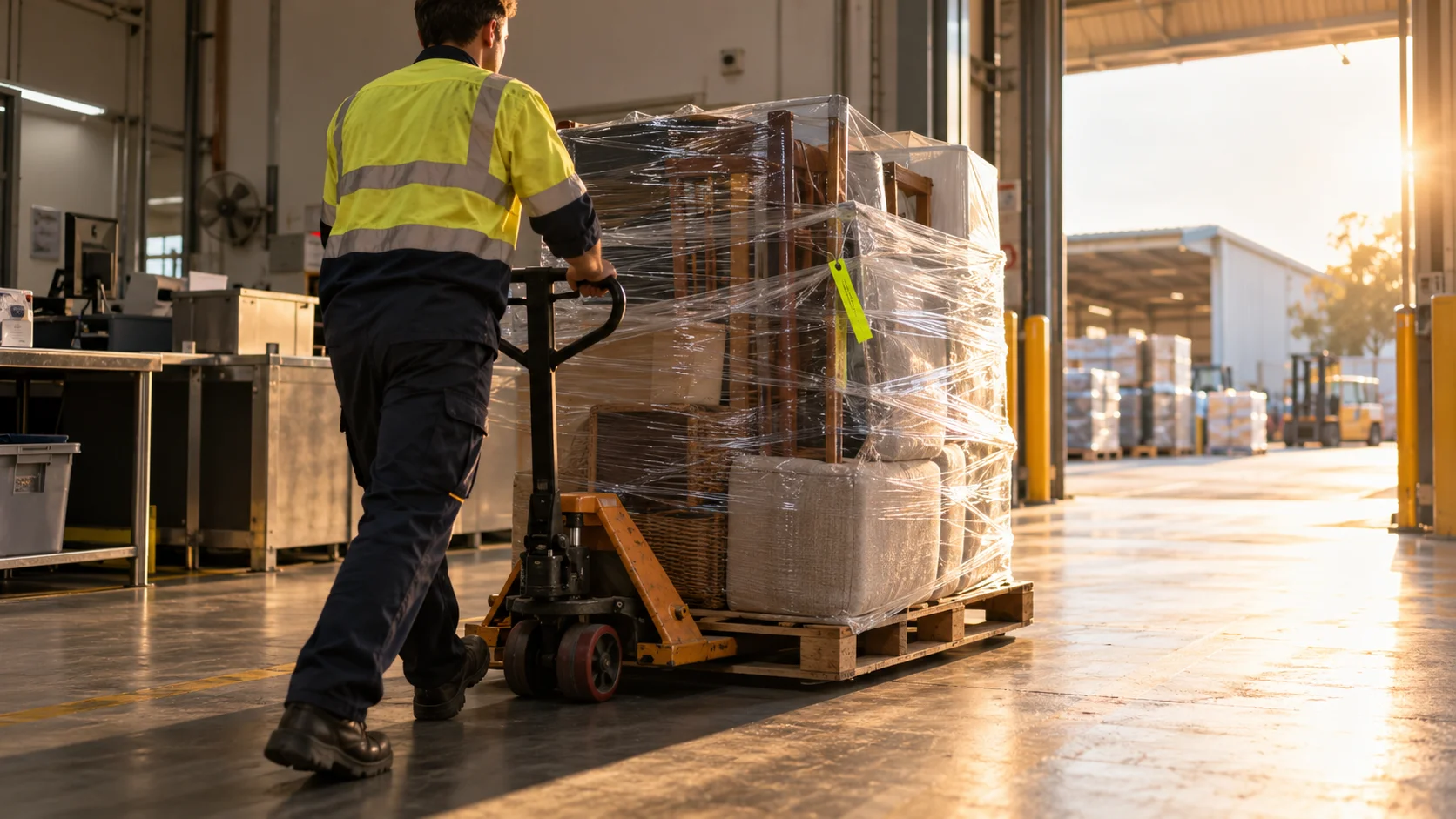
Try the simple version. Two identical bicycles arrive on the same day. One is listed as “bicycle”. The other is listed as “bicycle, used, tyres and wheel housings washed and dried before packing”. Both are clean. Only one has told the officer so. Which would you open?
If the honest answer is “the first”, then the question worth asking before packing day is what an officer would need to read to leave this container shut.
The Border Is Testing for Risk, Not Tidiness
One decision rule prevents most household-goods inspection surprises: package goods so an inspector can read the cargo profile in one pass. In practice, that means used items grouped by room, with consistent descriptions, age-of-use noted where it helps, and any cleaning treatments mentioned upfront; new items separated, declared, and accompanied by their own paperwork; and anything ambiguous (partially-used, recently-cleaned, possibly-contaminated) flagged proactively rather than discovered. The inspection seeks resolution, not confrontation. If your inventory resolves the questions before they get asked, the inspection completes quickly.
We manage Australia shipments with DAFF compliance built in.
The form takes about 60 seconds. We handle the inventory detail that keeps inspections quick, with fixed pricing and no hidden costs.
Frequently Asked Questions
Are personal effects exempt from biosecurity inspection in Australia?
No. Personal effects can still be inspected because household goods may carry contamination pathways such as soil, seeds, insects, mould, or plant residue.
Why are bicycles and outdoor items checked so often?
They are more likely to carry soil and organic residue in wheels, joints, seams, and surfaces exposed to outdoor use.
What does Australia mean by clean?
In practice it means biosecurity clean, not merely household clean. Goods should not contain visible soil, plant matter, moisture-related contamination, or residue that creates a biological risk pathway.
Can a cleaned item still fail inspection?
Yes. Items often fail because contamination is hidden in crevices, undersides, housings, fabric seams, or other places routine cleaning missed.
How do I reduce the chance of delay?
Clean high-risk goods thoroughly, declare them accurately, separate contamination-prone items where possible, and check BICON for any specific conditions before the shipment moves.
Who pays for treatment if household goods fail inspection?
The importer. Treatment must be carried out by a department-approved treatment provider, or by the site facilitating the treatment, and that provider charges you directly. Steam cleaning or washing to remove soil also requires a second inspection before the goods are released.
For a quote on shipping used household goods to Australia with a freight operator that handles DAFF biosecurity compliance, Swift Cargo manages Australia-bound household goods shipments.