
When clients ask how long shipping to Australia takes, they are asking one question and need the answer to another. They ask for a transit number. The real answer is a workflow.
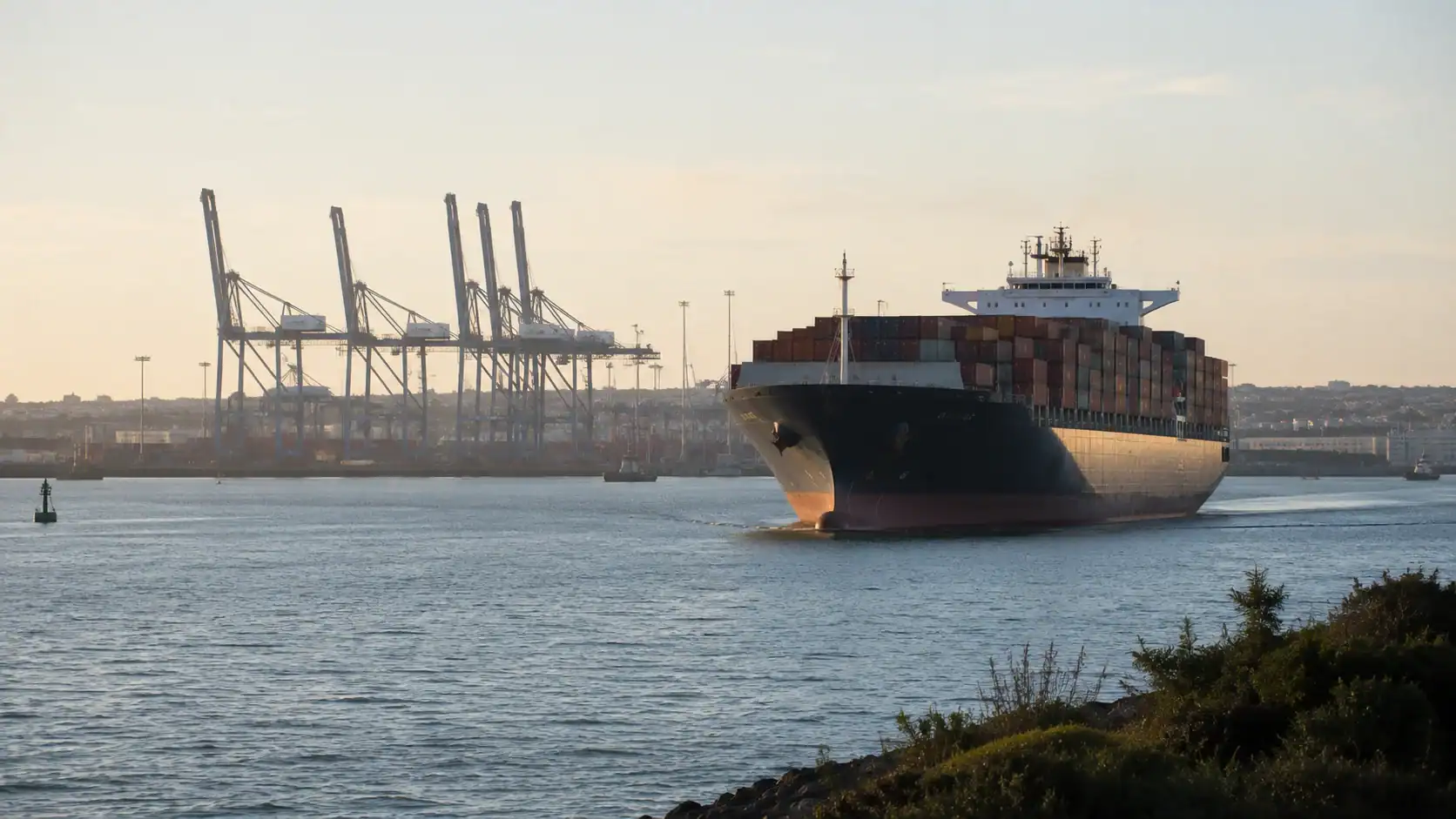
The vessel leg matters, but it is only one part of the timeline. Australian clearance, biosecurity inspection risk, seasonal controls, port handling, and inland delivery can all stretch the move or hold it steady, depending on how well the shipment was planned.
Ocean Transit Times by Origin Region
The figures below are typical vessel transit times for sea freight to major Australian ports. These figures cover port-to-port; the full door-to-door timeline is longer once customs, inspection, and inland delivery are included.
- Southeast Asia (Singapore, Thailand, Vietnam): 10–18 days to Sydney or Melbourne
- Northeast Asia (China, Hong Kong, Japan): 14–22 days
- South Asia (India, Sri Lanka): 18–25 days
- Middle East (UAE, Oman): 20–28 days
- Europe (UK, Germany, Netherlands): 28–40 days (via Suez) or 35–45 days (Cape route)
- North America (USA West Coast): 14–22 days
Air freight is 2–5 days airport to airport from Asian origins and US West Coast gateways, and 5–7 days from the US East Coast or Europe, with customs clearance adding 1–3 working days after arrival. The spread is departure frequency rather than flying time: a daily consolidation adds a day, a weekly one can add six before the cargo leaves. These are vessel-only figures; they do not include the time from door to port of loading, or from port of discharge to final delivery address.
The Real Stages in an Australia Shipping Timeline
A realistic door-to-door timeline usually includes at least these stages:
- booking and cargo preparation (1–5 working days depending on readiness)
- inland transport from origin address to port of loading (1–3 days)
- port cut-off and vessel departure (typically 3–7 days after cargo arrives at origin port)
- ocean transit (see figures above)
- arrival at Australian port and document review (1–2 days)
- biosecurity and customs assessment (1–5 days, depending on risk flag)
- inspection or treatment if required (add 3–10 days if triggered)
- release and inland delivery to final address (1–5 days depending on destination)
A reasonably clean shipment from Bangkok to Melbourne, for example, might look like this: 5 days cargo prep, 2 days inland to Laem Chabang, 4 days to vessel departure, 12 days ocean transit, 2 days arrival processing, 2 days customs clearance, 1 day truck to warehouse, for a total of 28 days. Add a biosecurity inspection and that adds 5–7 days. That is a realistic outcome range, not a worst case.
The European equivalent stacks differently, and the 8 to 14 week door-to-door range for Europe comes from this arithmetic rather than from the ocean leg alone. Rotterdam to Melbourne on the Cape routing runs roughly 5 days cargo prep, 2 days inland to the port, 4 days to vessel departure, 40 days ocean transit, 2 days arrival processing, 3 days customs and biosecurity assessment, and 2 days inland delivery, for about 58 days, or a little over 8 weeks. That is the clean end. A biosecurity inspection adds 5 to 7 days, a treatment order on top of it can add another week, and a Perth or Brisbane delivery off a Melbourne discharge adds several more. Stack all three and the same shipment reaches the 13 to 14 week end of the published range without anything going wrong at sea. The width of that range is not uncertainty about the vessel. It is the number of conditional stages the cargo has to clear after it lands.
How Clearance and Inspection Shape Timing
Australia’s clearance process is one of the biggest variables in the timeline. The Australian Border Force import overview sets out the documentary requirements: commercial invoice, bill of lading or airway bill, packing list, and where applicable an import permit or import declaration. If the documents are clean, the cargo profile is low-risk, and the shipment fits the declared conditions, the process usually moves smoothly. If risk flags remain, timing starts to widen.
Biosecurity is usually the most misunderstood part of the answer. Personal effects, used household goods, machinery, wood products, and contamination-prone goods can all attract review or inspection. For more on that exposure, see Why Used Household Goods Get Inspected in Australia.
That means the real timeline is often won or lost before arrival, when the shipment is being prepared. The DAFF clearance and inspection overview details the conditions that trigger examination and the categories of goods most likely to be selected for treatment.

Documentation That Protects the Timeline
Missing or incorrect documents are one of the most common avoidable causes of clearance delay. The standard set required for a commercial import into Australia includes:
- Commercial invoice: must state the value, description, country of origin, and terms of trade accurately. Discrepancies between the invoice and the goods trigger scrutiny.
- Bill of lading or airway bill: the transport document issued by the carrier. Must match the invoice description.
- Packing list: itemised contents, weights, and dimensions per carton or pallet.
- Import declaration: lodged electronically with ABF via a licensed customs broker before goods arrive. For household effects, a separate form covering the nature and origin of goods.
- Import permits (where required): for certain goods including food, biological products, weapons, and chemicals. Check the BICON database for biosecurity import conditions before shipment.
For personal effects being imported by a returning resident or new migrant, the key additional requirement is evidence of overseas residence, typically a passport showing the period abroad and proof of employment or residence overseas, which supports the duty-free entry claim under the traveller’s exemption.
How Seasonality Can Create Extra Delay
Australia’s shipping timeline is not only about weather. It is also about compliance seasons.
BMSB is the clearest example. During the seasonal measures window, certain goods can move into a more controlled compliance path even if the physical route is unchanged. The measures window typically runs September through May, covering the Southern Hemisphere warm season when BMSB is most active.
In Australia the date of movement can therefore matter almost as much as the place of movement. The seasonal rules themselves are set out in the BMSB shipping season guide.
Why Inland Delivery Changes the Answer
Even after release, the shipment is still not finished. Australia is large, so domestic delivery can add meaningful time depending on the gateway and the destination. Freight released at Sydney but destined for Brisbane adds road transport time. Freight released at Melbourne for Perth adds much more, sometimes a week or longer by road, depending on mode and carrier scheduling.
That is why the port choice matters so much. A route that looks efficient to the coast can still create a slower overall move once the goods have to travel domestically. For a gateway-by-gateway comparison, see Sydney vs Melbourne vs Brisbane: Which Port Is Best for Inbound Cargo?.
The inland leg drives more of the variance in actual delivery dates than the ocean leg does. Two containers that left Shanghai on the same vessel can reach a Sydney warehouse three days apart because of how each one moved through Port Botany, road haulage, and final-mile delivery. An importer negotiating faster ocean services is probably optimising the wrong variable. The leverage is in the inland network, and most importers do not see it because the freight industry sells the ocean leg as the product and treats the inland leg as an afterthought.
Who Owns the Timeline?
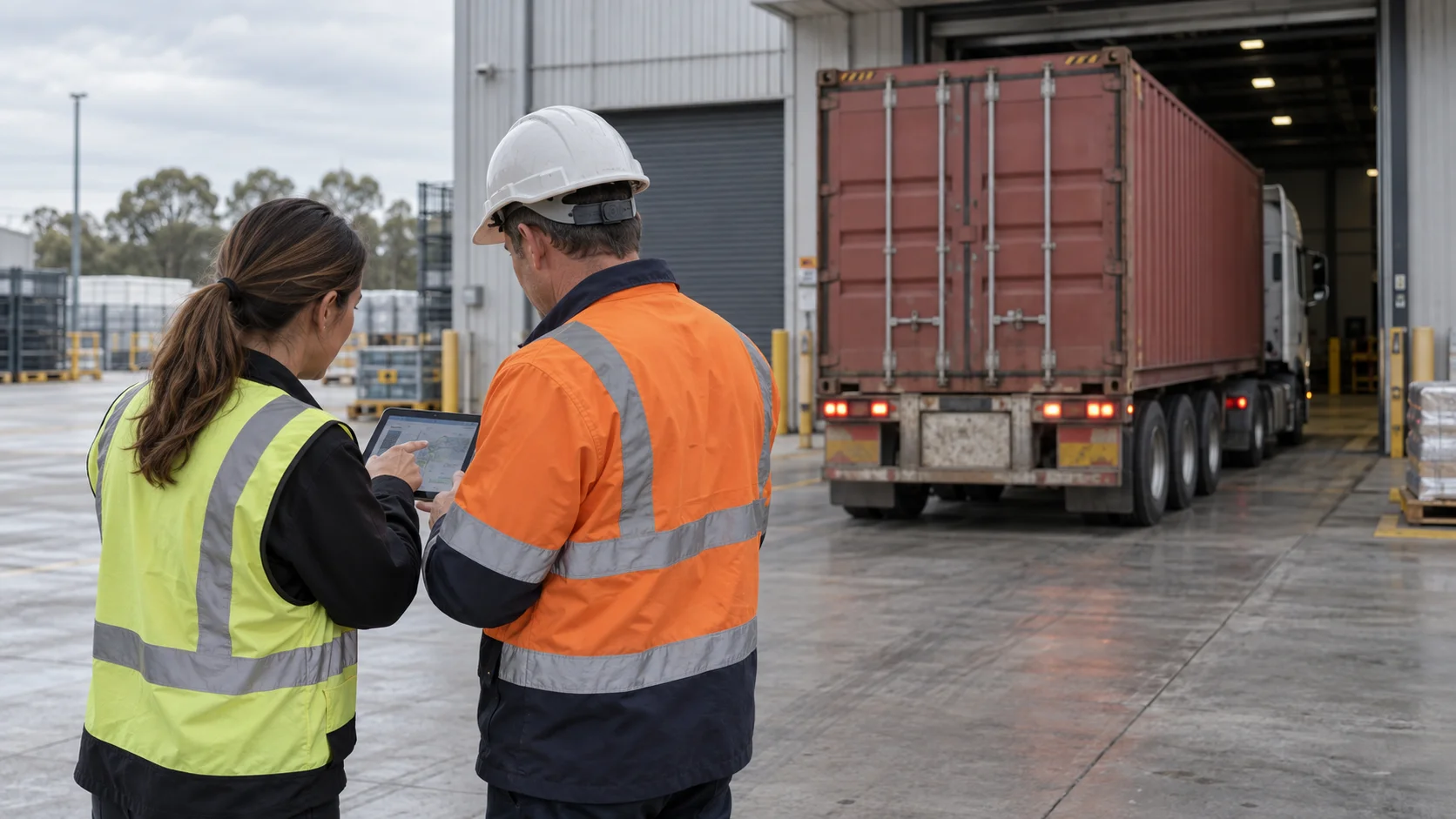
Here is the uncomfortable part of shipping to Australia: by the time a container is on the water, most of the timeline has already been decided. The documents were either prepared to Australian standards or they were not. The goods were either cleaned, declared, and classified correctly or they were not. Nobody at the destination port can recover time that was given away at origin.
That is why the importers with the most reliable timelines treat pre-departure preparation as their own responsibility rather than something the supplier or the forwarder will handle by default. They confirm the packing declaration before the container is sealed. They check seasonal measures against the actual sailing date, not the booking date. They ask the broker to review the commercial invoice while there is still time to fix it.
If you take one action from this article, take this one: two weeks before your cargo ships, sit down with the document set and read it the way an Australian border officer will. Every inconsistency you find at that table is a delay you will not experience at the wharf.
How to Reduce Avoidable Delay
- Prepare goods for Australian biosecurity standards, not just for packing.
- Check whether any product-specific conditions or seasonal controls apply before departure.
- Use declarations that match the goods actually in the container.
- Choose the gateway with the final delivery route in mind.
- Build some buffer into the plan if the goods are high-risk or seasonally affected.
Delivery time is one of the few variables an importer can design rather than accept: chosen route, chosen handler, chosen inland arrangement, chosen documentation discipline. See how Swift Cargo structures the Australia shipping process.
The Clock Inside the Clock: Free Time
Every shipping line and terminal gives a container a fixed number of free days to be collected after it clears, usually somewhere between five and ten calendar days. The carrier and the terminal set that number, not the importer. That number is the real deadline behind the headline transit time, and it is the one almost nobody mentions until the invoice for detention and storage arrives.
The transit-time estimate quoted at booking answers “when does the ship arrive.” It does not answer “how many days do I have to actually collect the container once it does.” Those are two different clocks running on two different rules. A shipment that clears customs and biosecurity in three days after a five-week ocean voyage has used most of its free time before the importer has even confirmed delivery arrangements at the destination end. The ocean leg does not pause the free-time clock, and neither does a slow customs broker or a delayed transport booking. Confirm the free-time allowance and book destination transport before the vessel arrives, not after clearance completes. That is the difference between a shipment that lands on budget and one that quietly accrues a few hundred dollars a day in charges nobody planned for.
Run the numbers on a typical case and the exposure stops being abstract. Say the terminal allows seven free days and clearance and biosecurity inspection together take three. That leaves four real days to get destination transport booked and the container collected, not seven. If transport falls through and the container sits an extra five days past the free-time window, detention and storage charges commonly run somewhere in the AUD 150–300 per day range depending on the terminal and container size. Call it AUD 750–1,500 on a shipment where nothing in the shipping contract itself went wrong. The clearance was clean, the vessel was on schedule, and the importer still paid a four-figure penalty because destination transport wasn’t confirmed until after the ship had already docked.
That penalty is entirely avoidable, and avoiding it costs nothing but a phone call made a week earlier than habit suggests. Ask your forwarder for the exact free-time allowance in writing at booking, not at arrival, and treat destination transport as something to lock in the moment the vessel departs origin, not the moment it reaches the wharf.
Related reading: China to Australia Shipping Time: Port-by-Port Transit Guide
Related reading: Moving from France to Australia: How to Ship Your Belongings
Frequently Asked Questions
How long does shipping to Australia take?
Sea freight from Asia takes 10–22 days vessel-to-vessel; from Europe, 28–45 days. Add clearance, inspection risk, and inland delivery, and the door-to-door timeline is typically 5–10 weeks from Asia and 8–14 weeks from Europe.
What causes the biggest delays?
Biosecurity inspection risk, poor preparation, missing or inaccurate documents, seasonal measures, and inland delivery complexity are common causes.
Is the ocean schedule the most important part?
No. It matters, but many Australia delays happen around the border and after discharge, not just during transit. The inland leg typically drives more delivery date variance than the ocean leg does.
How can I make the timeline more reliable?
Prepare high-risk goods properly, check conditions early, choose the right gateway, and build the plan around the whole chain instead of just the transit leg.
Does the BMSB season affect transit time?
It can. Goods covered by the seasonal measures, typically metalwork, machinery, and certain vehicles from BMSB-risk countries, must comply with treatment or inspection requirements that add time. The measures window runs approximately September through May each year.