
Urgent shipments attract a particular kind of simplification. People talk as if speed in air freight is mainly about finding a flight. In reality, airport cargo is an infrastructure and handling problem as much as a flying problem. The aircraft is the part of that system an importer chooses; almost nothing else is.
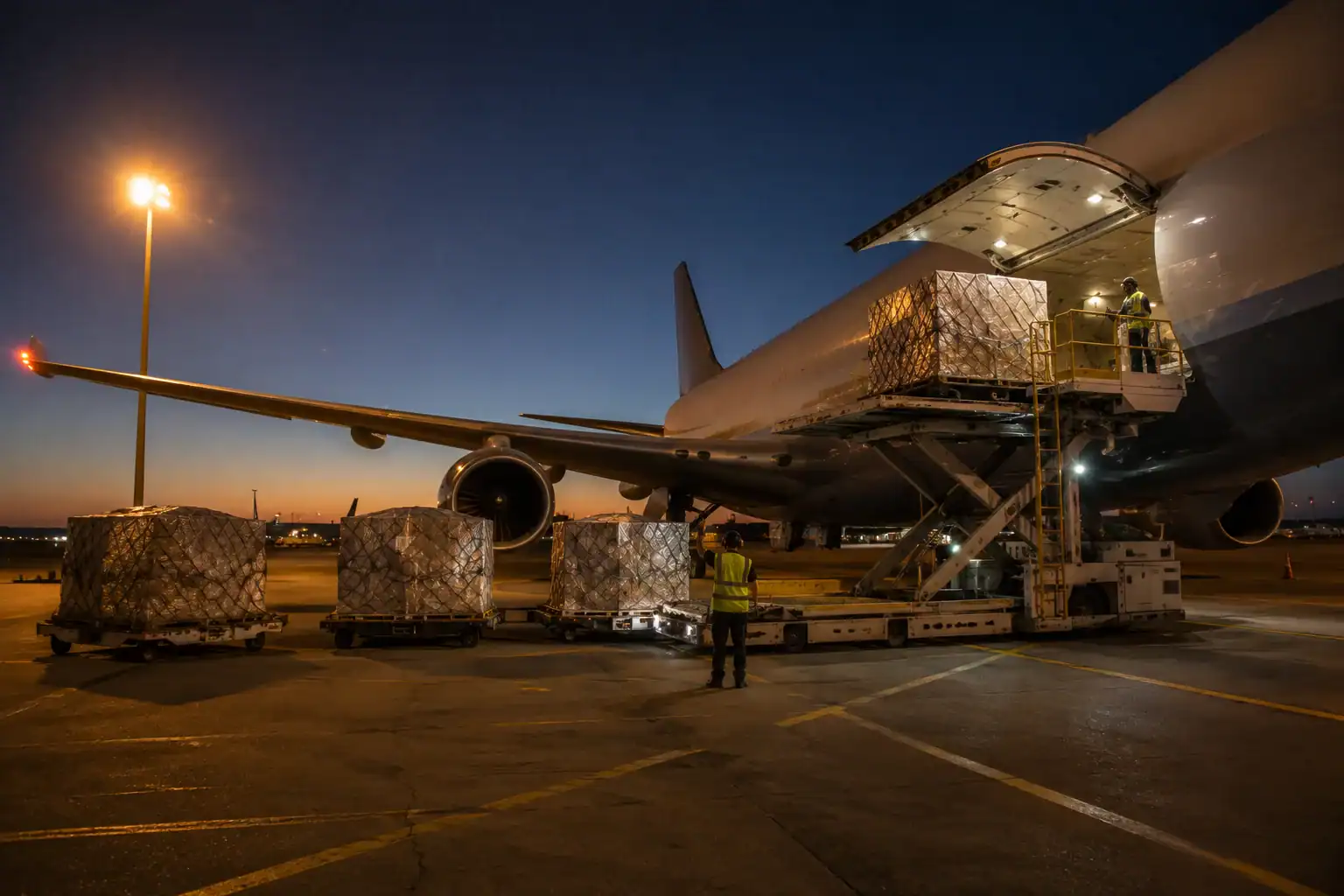
That system includes cargo terminal capacity, customs handling, screening, truck access, warehousing coordination, and airline space pressure. What ties them together is whether the airport ecosystem can absorb volume without turning urgency into queueing. For Australia-bound urgent cargo, the question is therefore not only “can this fly?” It is “can this move cleanly through the airport cargo system at both ends?”
Hidden friction penalises urgent shipments hardest. A regular sea-freight job can absorb some softness in the chain. A medical component, project spare, premium replenishment, or business-critical replacement often cannot. Capacity is not just a volume concept. It is a reliability concept.
Why Airport Cargo Capacity Matters More Than Airline Schedules Alone
When people imagine airfreight speed, they usually imagine the airborne part. That is natural, but incomplete. An urgent shipment is only fast if the cargo terminal can receive, process, clear, and release the freight quickly enough for the air leg to remain commercially meaningful.
Airport cargo systems are therefore bottleneck systems. If screening, handling, documentation, customs sequencing, or landside transfer becomes constrained, the shipment can lose hours or days that were supposedly purchased through airfreight pricing. This is one reason urgent shipments disappoint even when the flight itself looked ideal on paper.
Australia’s main gateways matter because they sit inside larger cargo ecosystems. They are not only airports. They are airport-plus-terminal-plus-trucking-plus-warehousing systems. Urgency should be designed against that whole chain rather than against the departure board.
Reliability is also spread unevenly across gateways. A gateway can be large and still be commercially awkward for a specific urgent job if the terminal, release pattern, or delivery handoff creates the wrong kind of friction.
How Australian Airport Gateways Differ
Sydney, Melbourne, and Brisbane dominate attention because they serve the largest cargo and business corridors. That usually makes them the default answers for urgent imports. But the default is only correct when it matches the destination logic. BITRE: Australian Aviation Statistics
If the shipment is genuinely Sydney-facing, Sydney’s scale and connectivity may make sense. If the cargo needs to land inside Victoria’s commercial base, Melbourne may be cleaner. If the urgency is Queensland-specific, Brisbane may avoid the false speed of flying into the wrong state and rebuilding the route on the ground.
How much cargo an airport can touch matters less than how useful that touchpoint is for the specific shipment. The fastest plane into the wrong city is often a slower commercial answer than a slightly less glamorous route with a cleaner release and delivery chain.
Good urgent-airfreight planning starts with the delivery outcome, not with the airport brand name. The best gateway is the one that preserves speed through the full chain rather than through the air leg alone. Importers who default to the largest airport out of habit pay for that habit: scale is helpful, but it does not erase the cost of landing in the wrong geography and rebuilding the route by truck.
Where Urgent Shipments Actually Lose Time
The main time losses in urgent airfreight are often unromantic: documentation errors, clearance sequencing, screening queues, truck-booking delays, warehouse handoff confusion, and arrival outside workable delivery windows. These do not sound dramatic, but they are exactly the losses that convert premium freight into mediocre performance.
Australia also adds the usual border complexities. Customs, biosecurity, and commodity-specific controls do not vanish because the goods are urgent. In some cases, urgent cargo is even more sensitive to weak paperwork because the chain leaves less slack for rework. A high-functioning cargo gateway is one where the urgency bought in the air can still survive the ground environment. A weak gateway or weak ground plan can destroy value after the aircraft has already done its job.
Importers should watch the handoff points closely. Airfreight loses its advantage most often at the interfaces: terminal to broker, broker to truck, truck to final consignee, or documentation to release. For urgent jobs, importers should design those interfaces rather than hope they hold. Who is receiving the freight at terminal level? When can the truck actually collect? What release conditions still need to be met? Can the consignee take delivery inside the real working window? These questions sound operational because they are operational. They are also where urgency is won or lost.
Australia’s commercial import rules apply regardless of shipment urgency, and the ABF publishes current clearance requirements at abf.gov.au.
Tracing Where the Hours Actually Go
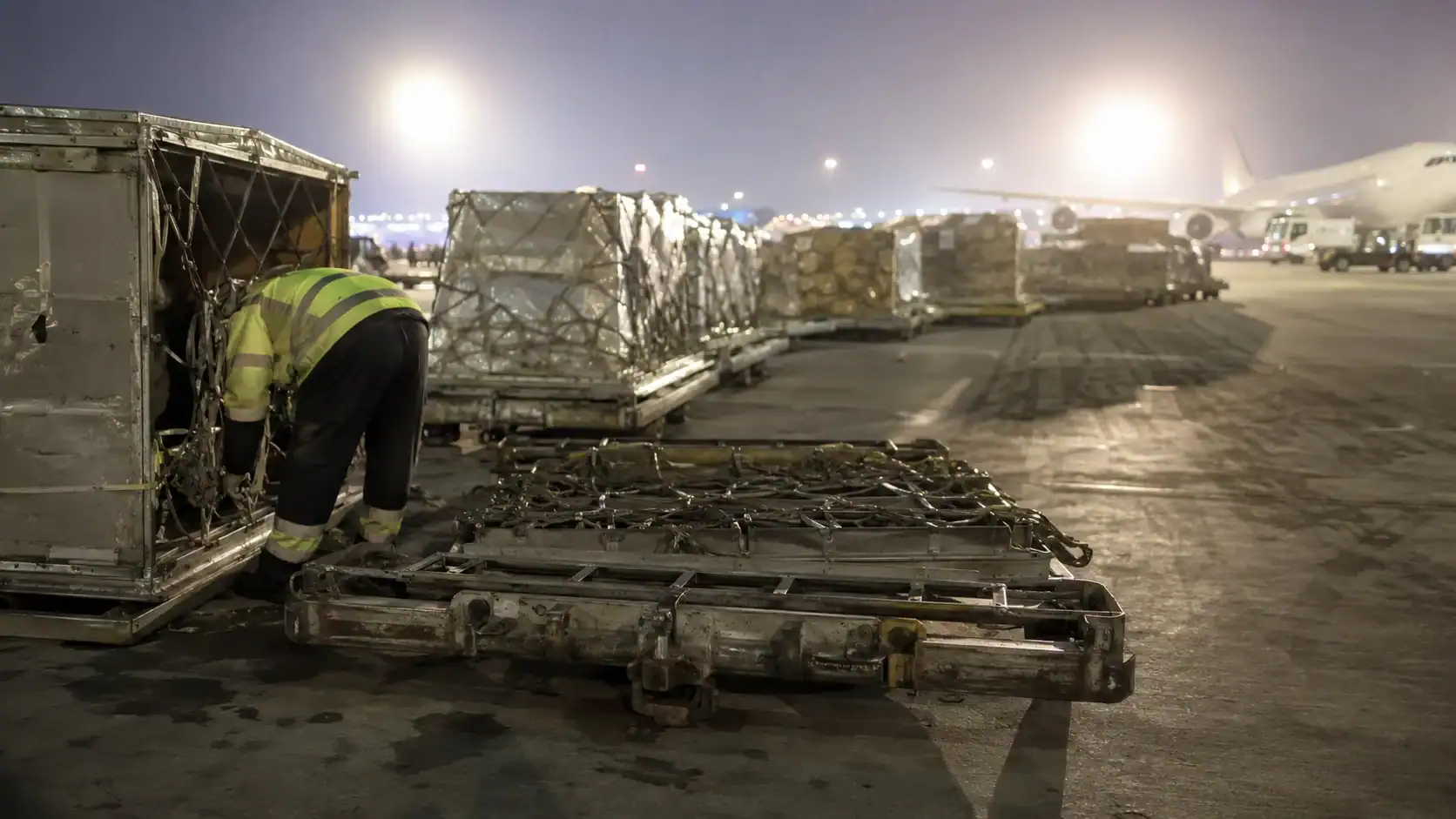
Pull the timestamps on almost any “next flight out” shipment and the story the invoice tells starts to come apart. The flight is the part everyone watches, and it is usually the part that behaves. A wide-body from Asia is wheels-down in Sydney nine or ten hours after departure, on schedule. Then the shipment stops being an aviation event and becomes a ground event. The ground is where the hours quietly disappear.
Follow one box. The aircraft lands at 6am. The unit-load devices come off, but the freight is not “available” the moment the wheels touch. The cargo terminal operator has to break down the ULDs, and during a busy morning bank that deconsolidation can run three to six hours before a single carton is ready to be picked. Now the border. If the import declaration was pre-lodged and clean, clearance can be near-immediate; if biosecurity flags the commodity for inspection, the shipment joins an inspection queue that can add most of a day, urgent or not. Then release: the broker issues the delivery order, a transport slot is booked at the terminal, and slots are finite. Miss the window and the next one may be tomorrow. Finally the consignee. Its receiving dock may only accept deliveries by appointment between 7am and 3pm. Land your “urgent” freight at 4pm and it waits until morning to be received.
Add those segments up and a nine-hour flight routinely sits inside a wheels-down-to-dock time of eighteen to thirty-six hours. None of it is dramatic. No single step looks like a failure. That is exactly the point: the delay is systemic, distributed across half a dozen handoffs that each seem reasonable in isolation, and it does not show up anywhere on the airway bill. The importer paid for the plane and inherited the terminal, the queue, the slot, and the dock.
That is also the honest test of whether a shipment should fly at all. When the ground chain is going to eat a day and a half regardless, the premium over sea freight sometimes buys less real time than it appears to. Run that calculation deliberately against the air-versus-sea decision framework rather than reaching for air reflexively because a deadline feels close.
Which Shipments Should Care Most About Airport Capacity
Not every airfreight move is equally sensitive to airport-capacity quality. The jobs that should care most are spare parts for a stalled operation, project-critical goods, medical or regulated cargo, premium retail replenishment, and shipment chains with hard delivery commitments.
These are the jobs where time lost in a terminal is not just inconvenient. It changes the economics of the shipment. A delayed production restart, missed installation slot, or service outage can make the cargo cost far more than the freight invoice suggests.
For those importers, choosing an airport is not just a route decision. It is a risk decision. The importer is choosing which ground system to trust with the urgency after landing.
Some cargo is not physically sensitive at all, but the business consequence of delay is still severe. Airport capacity and gateway quality stay commercially material even when the goods themselves are durable.
How to Plan Urgent Airfreight More Intelligently
The best urgent-shipment planning into Australia usually follows a few rules that are easy to state and harder to enforce.
- Choose the airport for the delivery chain, not for the glamour of the flight map. A major gateway is useful only if it serves the consignee’s actual location and release path.
- Treat customs, screening, and terminal documents as part of the urgent job. They are not admin afterthoughts.
- Stress-test the landside handoff. This is where much purchased speed disappears.
- Use the gateway that best matches the destination state and final-mile urgency. National hub logic is weaker than route-fit logic.
- Accept that some apparently faster options are commercially slower once ground friction is included. Time bought badly is still wasted time.
Urgent airfreight works best when the importer stops treating the airport as a magical speed portal and starts treating it as a constrained operating system. Most urgent-shipment failures look like infrastructure problems: a congested terminal, a missed slot. In retrospect they are planning failures. The importers who consistently land urgent freight on time are disciplined: they run pre-flight checks the same way every time, confirm gateway capacity, verify the handler, track the booking, and fix anything that looks weak before the cargo moves.
To get a quote for urgent air freight into Australia, Swift Cargo handles time-sensitive import shipments through Sydney, Melbourne, and Brisbane.
What the Gateway-by-Gateway Record Actually Shows
The scheduling record behind Australia’s major cargo airports is not identical, and the differences matter more for freighter capacity than for passenger flights. Sydney operates under a legislated curfew restricting most aircraft movements between 11pm and 6am. The rule was built for noise management around a runway system close to residential areas, not for freight planning, but it directly limits when a dedicated freighter can land or depart there. Melbourne has no equivalent curfew, which is one reason freighter operators have historically favoured it for overnight operations feeding next-morning delivery windows. Brisbane sits in between: fewer curfew restrictions than Sydney, but a thinner schedule of dedicated freighter services than either Sydney or Melbourne, which shows up as fewer daily uplift opportunities rather than a hard time-of-day restriction.
None of this shows up in a carrier’s advertised transit time, because the quoted transit time assumes a slot is available on the day the cargo is ready. An urgent shipment quoted against Sydney’s schedule can lose a full day to the curfew window alone if the cargo misses the last pre-curfew slot. That delay has nothing to do with customs, biosecurity, or the ground handler, and everything to do with which airport was booked. Check the destination gateway’s operating hours against the cargo’s actual ready time before the flight is booked, not after it is missed. That five-minute check is one the schedule itself will never surface unprompted.
Related Timing and Risk Pages in the Swift Cargo Cluster
Urgent shipments belong inside the wider timing-and-risk side of the Australia cluster. Readers who need the general timing model should continue to Shipping Timeline to Australia. Readers thinking about disruption exposure should move to Climate and Seasonal Shipping Risks. Readers dealing with regulated or more complex imports should also read Australia’s Commercial Import Rules Explained, because urgency does not remove the border system.
Frequently Asked Questions
Is urgent airfreight mainly about getting a flight booking?
No. Flight space matters, but terminal handling, customs sequencing, and delivery coordination often determine whether the urgency actually survives.
Are Sydney and Melbourne always best for urgent shipments?
Not always. They are major gateways, but the best answer still depends on the real destination and the full delivery chain after landing.
What is the biggest hidden delay in urgent air cargo?
Ground-system friction such as documentation errors, screening queues, terminal handling, or delayed landside transfer.
Who should care most about airport cargo capacity?
Importers moving business-critical, time-sensitive, or high-consequence cargo where even a short delay has meaningful commercial cost.
How long does urgent air cargo take to clear the terminal after landing?
Longer than most importers expect. After the aircraft lands, the cargo terminal operator still has to break down the ULDs, which takes three to six hours during a busy bank. Only then is the freight available, and clearance, terminal release, a transport slot, and the consignee’s receiving window all still follow. A nine-hour flight commonly sits inside a wheels-down-to-dock time of eighteen to thirty-six hours.
Does urgent cargo skip biosecurity inspection?
No. Urgency does not change how biosecurity selects consignments for inspection. If the commodity is flagged, the shipment joins the inspection queue like any other, which can add most of a day. That is one reason clean, pre-lodged documentation matters more on urgent jobs, not less.