
The container had been sitting at Laem Chabang for eleven days when the call came. The shipment was an expat’s household: sofas, kitchen equipment, a decent collection of photography books, a fourteen-year-old guitar. All of it packed and labelled and wrapped with the careful attention people bring to moving their lives across an ocean. The problem was not the items themselves. The problem was a single line on the inventory: two cases of wine, listed at declared value, claimed under personal effects.
Thai Customs does not grant duty-free status to alcohol. It does not matter how long you owned the bottles. It does not matter that you are genuinely moving to Thailand rather than running a commercial import. The excise law is separate from the personal effects exemption, and it applies regardless of the visa category, the volume, or the stated intention. The shipment was released after eleven days, the wine assessed at Thai excise rates, and the owner paid a duty bill that cost more than the wine was worth to ship in the first place.
The personal effects duty-free exemption at Thai Customs is real, and for most people relocating with a full household, it removes a substantial tax liability. But it is not automatic, and several categories that seem obviously personal are excluded.
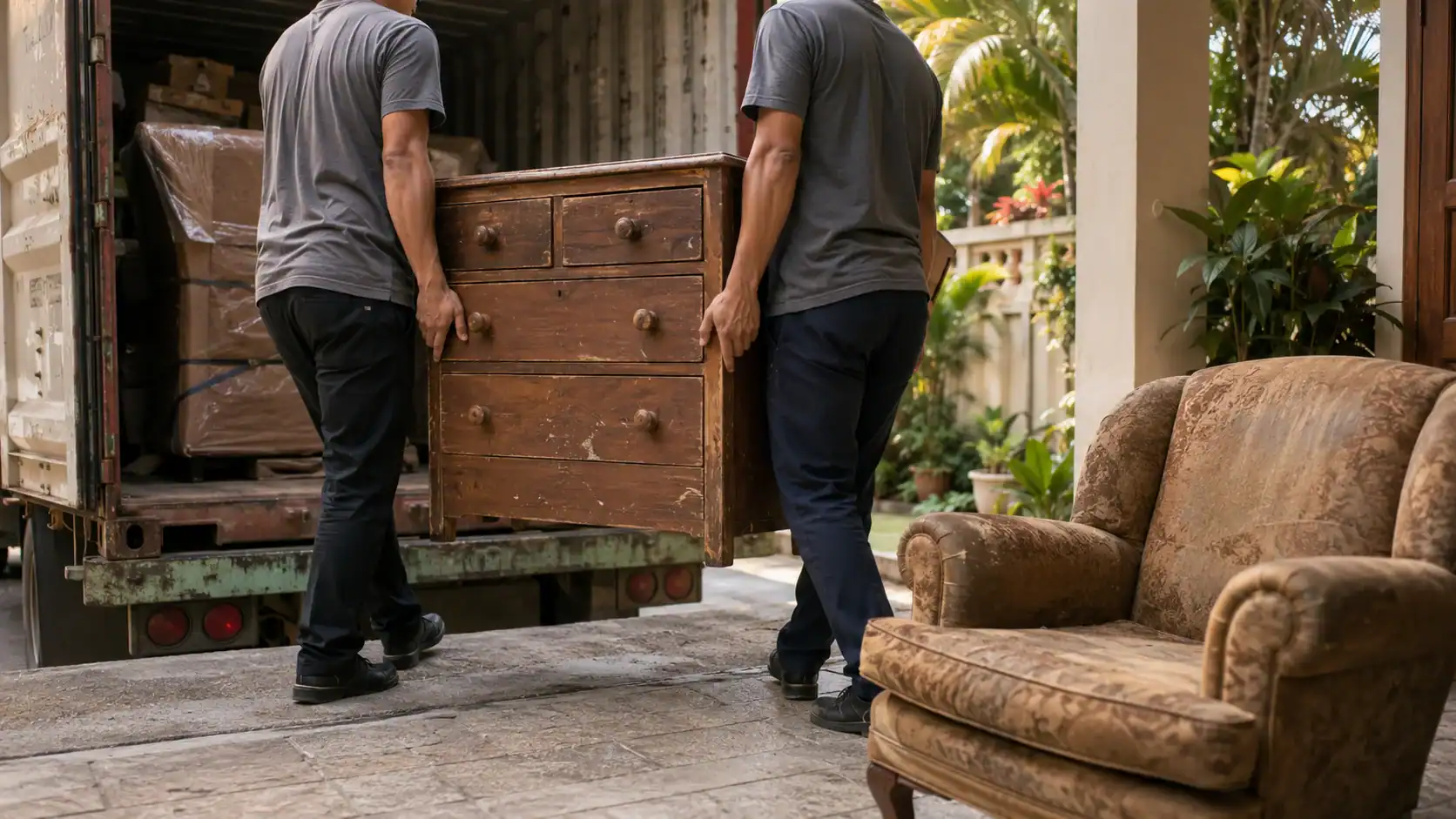
What “Duty-Free” Actually Means in Thai Customs Law
The exemption is governed by the Thai Customs Act B.E. 2560 (2017) and associated Revenue Department regulations covering excise tax and VAT. The legal framework creates a carve-out for personal effects imported by individuals taking up residence in Thailand. Qualifying goods can enter without import duty, VAT, and certain other charges that would otherwise apply.
The exemption attaches to specific categories of goods, and only when specific eligibility conditions are met. Thai Customs officers at Laem Chabang Port and Suvarnabhumi Airport cargo terminal have authority to inspect, reclassify, and assess duty on any goods they determine do not meet the criteria, and they exercise that authority regularly.
Multiple units of the same item invite reclassification as commercial goods, regardless of how they are labelled on the inventory. That includes six laptops, twelve kitchen knives, or forty identical shirts.
The Core Eligibility Rule: The 1-Year Test
Goods must have been owned and used by the importer for at least 12 months before the date of importation into Thailand. That single requirement is the exemption’s most important rule, the one most often misunderstood, and the legal threshold separating qualifying personal effects from dutiable imports.
New goods do not qualify, whether bought in the weeks before a move or still sealed in the manufacturer’s packaging, even when they are genuinely for personal use. A new espresso machine purchased the month before departure and still in its box will be assessed at the standard household appliance import duty rate. The same espresso machine purchased three years ago, used daily, and showing the reasonable wear of a working appliance qualifies for duty-free treatment.
Thai Customs officers apply three tests when evaluating personal effects at inspection:
- Condition: Used goods show wear. Furniture has scratches. Electronics have smudged screens and worn keyboard lettering. Clothing has been washed. Officers are trained to distinguish genuinely used household items from items staged to appear used.
- Purchase documentation: You do not need receipts for every item. But for high-value goods (electronics worth more than a few hundred dollars, quality furniture, musical instruments), purchase documentation strengthens the claim if it predates the shipment by at least 12 months.
- Inventory consistency: The declared inventory should match what a household of the stated size would reasonably own. Quantities that suggest commercial stock rather than domestic use will draw scrutiny.
The 12-month rule creates a practical planning constraint: shipping household goods to Thailand works best when the move is planned well in advance, with documentation gathered during the months before departure rather than assembled in a rush at the port.

What Qualifies as Personal Effects
Within the exemption, Thai Customs recognises the following categories as legitimate personal effects for an individual or family relocating to Thailand:
Household furniture and furnishings. Sofas, beds, dining tables, wardrobes, shelving, rugs, curtains, lamps. These are the most commonly shipped items and typically the least problematic, provided they show reasonable evidence of prior use. Quantities must match the household: one sofa, not five; one king bed, not four identical beds in boxes.
Clothing and personal items. Wardrobe contents, shoes, personal accessories, jewellery for personal use. Fifty identical garments of the same size in the same colour count as commercial stock.
Kitchenware and appliances. Used kitchen equipment, small appliances, pots, utensils, tableware. Appliances that are new and unused attract different treatment.
Personal electronics already in use. A laptop you have worked on for two years, a camera you have used, a television from your living room: all straightforward personal effects. Sealed retail boxes do not meet the used-goods standard.
Books, artwork, and decorative items. Libraries travel well through Thai Customs. Artwork for personal display, family photographs, musical instruments that have been played all establish the authentic domestic character of a shipment.
Sports and hobby equipment. Bicycles, surfboards, golf clubs, fitness equipment. Used personal items generally qualify; commercial quantities of the same item do not.
What Does Not Qualify
Several categories people expect to include in a personal effects shipment are excluded, some by the Thai Customs framework itself, others by separate excise or regulatory rules.
Alcohol. Beer, wine, and spirits are subject to Thai excise tax regardless of the personal effects exemption. The allowance is 1 litre per adult. Anything above 1 litre per adult is assessed at Thai excise rates, which on spirits run to roughly 400% of combined import duty and excise on a per-litre basis. Two cases of wine shipped “as personal effects” will generate a duty bill. The wine in the Laem Chabang case at the start of this article cleared at a cost that exceeded what the same wine would have cost to purchase in Bangkok.
Tobacco. 200 cigarettes per adult (one standard carton), or 250 grams of cigars or rolling tobacco. Amounts above these limits are assessed at Thai excise rates.
New goods and goods in original packaging. The 12-month personal use rule is absolute. Goods in manufacturer’s packaging are treated as new commercial goods unless compelling documentation establishes otherwise: sealed boxes, foam inserts intact, plastic wrap undisturbed. The safest approach is to bring new purchases separately, declared honestly, rather than attempting to include them in a personal effects claim.
Vehicles. Private cars, motorcycles, and other registered vehicles require a separate import process: either a Temporary Import Permit (for stays under six months) or a full vehicle import license for permanent importation. Full import duty on private vehicles ranges from 80% to 328% depending on engine size, with additional excise tax. The economics rarely support it. Most people who relocate permanently to Thailand sell their vehicle before departure and purchase locally. For a detailed look at the vehicle import process separately, see the guide on the Thailand temporary vehicle import permit.
Commercial quantities of any item. The personal effects framework is built for individual households, not inventory. A single household does not need 200 identical items of the same product. Thai Customs has authority to reclassify shipments where quantities suggest commercial intent, and does so when the evidence supports it.
Gifts for Thai residents. Items brought as gifts for people already living in Thailand, as distinct from your own household goods, do not qualify for the personal effects exemption. They are dutiable imports from the perspective of Thai Customs.
The Documentation Requirement
Documentation is where many claims fail: not because the goods don’t qualify, but because the paperwork doesn’t support the claim. The importer carries the burden of demonstrating eligibility.
The required documentation package for a personal effects claim at Thai Customs includes:
Passport copy. Current, valid, showing the importer’s identity clearly.
Visa proof. This is where the most expensive assumption in the whole process gets made. A tourist visa (category TR) does not establish residency for customs purposes, but neither does every long-stay visa. Thailand’s published criteria for duty exemption on used household effects reach two groups of foreigners: those holding an immigration quota or residence certificate, and those permitted to work in Thailand with immigration permission to stay at least one year, which in practice means a Non-Immigrant B visa alongside a valid one-year work permit when the shipment lands. The same guidance states that foreigners who entered on a non-Immigrant O visa for retirement, or who stay on the basis of a Thai spouse, do not fall under that category (Thailand.go.th: criteria for duty exemption on used household effects).
That exclusion is the operative rule, not an opening position. Budget for full duty and 7% VAT on a retirement-track move. If you believe your case is exceptional, ask Thai Customs for a written ruling before the goods ship rather than after they land. The detail is set out in what retirement-visa holders can and cannot ship duty-free.
Formal itemised inventory list. This must be in English or Thai. It must list every item in the shipment with descriptions, approximate dimensions for large items, and declared values. The declaration format used at Laem Chabang is Customs Form 130/1, which your customs broker will assist in preparing. Vague inventory entries (“miscellaneous household items” without further description) attract inspection. Precise, item-level inventories are processed more smoothly and more quickly. The link between clean documentation and clearance speed is documented consistently in how to avoid customs delays when moving to Thailand.
Value declarations for high-value electronics. Laptop computers, cameras, audio equipment, smart devices: declare these individually with make, model, and approximate value. Do not attempt to hide high-value electronics in the general household goods category. Undeclared high-value items discovered at inspection generate additional scrutiny across the entire shipment.
Proof of prior overseas residence. This is evidence that you genuinely lived outside Thailand and are now relocating. Acceptable documents include: a deregistration certificate from your home country (Germany’s Abmeldung, the Netherlands’ BRP uitschrijving, France’s attestation de radiation, Spain’s baja padronal), a rental agreement or mortgage statement from your former address, utility bills from your prior home in the 12 months before departure, or an employer letter confirming your departure from your prior country.
The Process at Laem Chabang Port and BKK Airport
Personal effects arriving by sea typically enter through Laem Chabang, Thailand’s major container port on the Eastern Seaboard. Personal effects arriving by air typically come through the cargo terminal at Suvarnabhumi Airport in Bangkok.
At Laem Chabang, the process works differently depending on shipment size. A full container load (FCL), typically 15–20 CBM or more, arrives as a sealed container assigned to a single consignee. The customs declaration is filed before or at arrival, and the container may be released without physical inspection if documentation is complete and the importer’s record is clean. A less-than-container load (LCL) goes through a Container Freight Station (CFS) consolidation facility. These are typically smaller personal effects shipments that share container space with other shippers. At the CFS, goods are deconsolidated, your shipment is separated, and it is then subject to customs clearance as a distinct consignment. LCL shipments go through more handling points and the CFS stage adds cost and time. The Thailand relocation checklist breaks down the timing of each stage for both modes.
The role of the customs broker is central to this process. You are not personally filing Customs Form 130/1. Your licensed Thai customs broker files it on your behalf, based on the inventory and documentation you provide. The broker’s experience with Laem Chabang’s customs division matters. An experienced broker knows which HS codes attract inspection and which documentation gaps delay release. This is not a step to economise on.
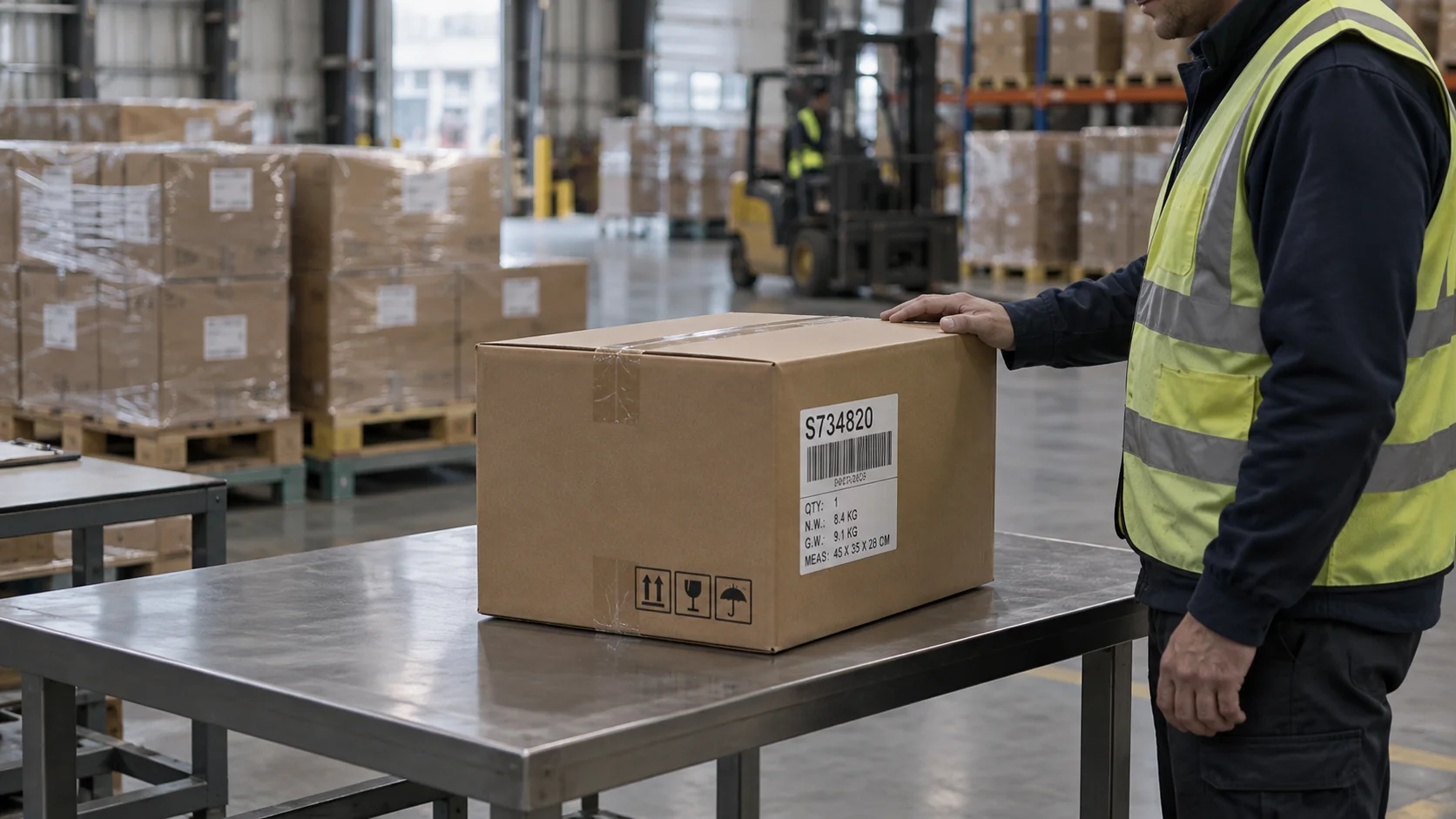
Physical inspection happens when Thai Customs selects a shipment for examination, either at random or because something in the documentation or manifest raises a question. When inspection occurs, customs officers physically open boxes and check the shipment against the inventory declaration. Discrepancies between the declared inventory and the actual contents generate delay and potential duty assessments. An accurate, detailed inventory prepared before packing reduces this risk substantially.
At Suvarnabhumi Airport cargo terminal, the process is faster but the customs clearance structure is essentially the same. Air freight shipments are smaller by definition, usually a few boxes of urgent items sent ahead while the main household shipment travels by sea. The documentation requirement is identical.
Common Mistakes That Void the Exemption
Arriving on a tourist visa and importing goods later. The exemption requires a qualifying status, and that list is narrower than the list of long-stay visas. Arriving on a tourist visa, then attempting to claim duty-free treatment for goods shipped separately, does not work. Thai Customs checks visa status against the date of importation. If your visa category does not establish residence at the time the goods clear customs, the exemption is unavailable.
Shipping goods before arriving in Thailand. The personal effects exemption is for people relocating to Thailand. If goods arrive at Laem Chabang before you have entered Thailand on a qualifying visa, the legal basis for the duty-free claim does not exist yet. The timing matters: goods should arrive during a window when you are already present in Thailand on a qualifying visa, or within a reasonable period after arrival while you are in the process of establishing residency.
Every one of these mistakes has the same underlying shape: the exemption is not a fixed asset you own once you qualify, it is a threshold condition that has to hold at one specific moment, the date the goods clear customs. Treat it like a permanent status and the whole plan is exposed the instant any one condition slips: visa timing, arrival order, ownership duration. Treat it like what it actually is, a threshold you either clear or do not clear on a specific date, and the planning question changes completely. It stops being “am I eligible” and becomes “will I still be eligible on the day the container is examined.” That shift in framing is the entire difference between the movers who clear cleanly and the ones who discover, at the worst possible moment, that a condition which held in January no longer holds in June.
Failing to declare high-value electronics. Undeclared electronics are a common trigger for physical inspection and duty assessment. Customs officers are experienced in identifying high-value consumer electronics by weight, packaging, and manifest patterns. Declaring them honestly, with make, model, and value, is both legally required and practically faster than having them discovered during inspection.
Co-mingling commercial goods in a personal effects shipment. Stock for a business, inventory for resale, commercial samples do not belong in a personal effects container. When customs identifies commercial goods mixed into a personal effects claim, the treatment can extend beyond the non-qualifying items. In documented cases, the entire shipment is subjected to commercial import duty assessment when the mixing appears deliberate. Keep business goods entirely separate from household goods in both the physical shipment and the documentation.
Filing a vague or inaccurate inventory. “Boxes of miscellaneous household goods, value USD 5,000” is not an inventory. It is an invitation for inspection. A precise inventory gives the customs officer what they need to process the claim without opening boxes: sofa × 1 USD 800; dining table × 1 USD 400; laptop computer (2-year-old) × 1 USD 900; books × 45 USD 300; kitchen appliances × assorted USD 600.
What Happens When Something Doesn’t Qualify
When goods in a personal effects shipment are assessed as dutiable, Thai Customs applies standard import duty rates plus 7% VAT. Goods fail that test either because they don’t meet the 1-year rule, because they sit in an excluded category, or because they are found to be commercial rather than personal.
Under the Customs Act B.E. 2560, the penalty exposure for an inaccurate declaration is separate from, and larger than, the duty itself. That is why a guessed inventory is a worse risk than a fully declared one (Tilleke & Gibbins: Customs Act penalty scheme).
Duty rates vary by product category and HS code. Household furniture typically attracts 10–30% import duty depending on the material. Solid timber furniture sits at the higher end of that range. Consumer electronics rates vary by product type and HS code classification; some categories are 0%, others 10–20%. Clothing is generally assessed at 30%. The excise tax on alcohol adds substantially to the total cost when alcohol is dutiable.
A modest duty assessment on a partial shipment is manageable in practice: a few new-in-box items, an inadvertent inclusion of gifts. Because the visa timing was wrong or the documentation was insufficient, a duty assessment on a large portion of a substantial shipment can amount to tens of thousands of baht on a mid-size household relocation.

Swift Cargo’s Role in Personal Effects Shipments to Thailand
Swift Cargo works with customers at each stage of a personal effects move, not just the freight booking.
The practical value is in documentation preparation and broker relationships. An inventory list that a Swift Cargo agent reviews before packing is more likely to survive the customs declaration process than one assembled in the days before sailing. A broker who has handled hundreds of clearances at Laem Chabang knows what the customs division there considers adequate.
How to ship household goods to Thailand covers the full end-to-end process, from booking to Bangkok doorstep delivery.
For a quote on personal effects freight to Thailand, or to talk through the documentation requirements for your specific situation, contact Swift Cargo at swiftcargo.solutions/thailand.
Related reading: Duty-Free Import Rules in Thailand: What Actually Qualifies
Frequently Asked Questions
What is the 1-year rule for duty-free personal effects in Thailand?
Thai Customs requires that personal effects claimed under the duty-free exemption must have been owned and used by the importer for at least 12 months prior to the date of import. Items purchased new or still in original packaging do not qualify, regardless of whether they are for personal use. Thai Customs officers verify this through visible signs of use, wear, and condition.
Does alcohol qualify for the personal effects duty-free exemption in Thailand?
No. Alcohol is explicitly excluded from the personal effects duty-free exemption under Thai excise law. The allowance for alcohol is 1 litre per adult, and amounts above this limit are subject to Thai excise tax regardless of how long you have owned the bottles. Wine, spirits, and beer are all treated the same way.
What documents do I need to claim duty-free personal effects at Thai Customs?
You need: a passport copy showing your identity, proof of a qualifying status (a tourist visa never qualifies; a retirement-track Non-Immigrant O or O-A falls outside Thailand’s published relocation criteria and does not qualify), a formal itemised inventory list in English or Thai with descriptions and values, value declarations for high-value electronics, and proof of prior overseas residence such as a utility bill, rental agreement, or deregistration certificate. Customs Form 130/1 is the declaration form used at Laem Chabang for personal effects shipments.
What happens if goods in my personal effects shipment don’t qualify for duty-free treatment?
Non-qualifying goods are assessed at standard import duty rates plus 7% VAT. Household furniture typically attracts duty of 10–30% depending on material and HS code classification. Consumer electronics are assessed at varying rates by HS code. New goods still in original packaging are typically treated as commercial imports and assessed accordingly.
Can I ship my vehicle duty-free when moving to Thailand?
No. Vehicles are excluded from the personal effects duty-free exemption and require a separate import process: either a Temporary Import Permit (for short-term stays) or a full vehicle import license, which carries import duty of 80–328% depending on engine size and vehicle type. Most people who relocate to Thailand conclude that importing a private vehicle is not commercially viable and either sell their vehicle before departing or purchase in Thailand.