
For many shipments into Australia, the most important compliance mistake happens before the cargo even moves: the importer never checked BICON properly.
BICON is Australia’s Biosecurity Import Conditions system. In practice, it is the operational rulebook that tells importers whether a product is allowed, whether conditions apply, whether permits or supporting documents are required, and whether treatment or inspection may be necessary.
That makes BICON far more than a reference site. It is one of the first places Australia expects importers to check if they want to understand what the border will require.
Understanding BICON early is one of the easiest ways to reduce avoidable delay and cost, whether you are moving household goods, importing commercial stock, or planning a shipment that contains unusual materials.
What BICON Actually Is
BICON is the public-facing system DAFF uses to present Australia’s biosecurity import conditions. It is where importers can check whether a product is permitted and what legal or operational conditions must be satisfied before the goods can enter. DAFF: BICON
That may sound administrative, but it has real operational weight. BICON is how a broad legal framework becomes shipment-specific. The Biosecurity Act establishes the authority. BICON translates that into practical conditions importers can act on.
This is why experienced import planning starts with the database, not with assumptions. The law is broad. BICON is where the actual commodity logic becomes visible.
Why BICON Matters Before Shipping
The common mistake is treating biosecurity as an arrival issue. In reality, Australia expects import conditions to be understood before shipment.
If BICON shows that a permit is required, or that a treatment certificate must exist, or that a commodity is prohibited from certain origins, those are not details you want to discover after the container is already on the water.
This is where delay becomes expensive. The shipment arrives, documents do not match what the border expects, and the cargo moves into inspection, treatment, hold, or in some cases a much more disruptive outcome. A large share of “unexpected” friction is really just compliance discovered too late.
For a fuller picture of what Australian customs and biosecurity require when goods arrive, the Australia shipping page on Swift Cargo covers customs documentation and biosecurity procedures in full.
What Kind of Information BICON Shows
The exact output varies by commodity, but BICON commonly helps importers answer questions like these:
- Is the product permitted into Australia?
- Does the origin country matter?
- Is a biosecurity import permit required?
- Are there pre-shipment treatment conditions?
- Are supporting declarations or certificates required?
- Are there packaging, contamination, or inspection conditions?
That is why BICON is so central. It does not just say yes or no. It maps the conditions that determine whether the shipment can move cleanly through the system.
How BICON Matters for Household Goods
Household-goods importers sometimes assume BICON is mainly for commercial products. That is too narrow. Household shipments often include categories of items that still trigger product-specific or contamination-related conditions.
Wood products, natural-fibre items, outdoor equipment, garden tools, and other contamination-prone goods can all sit close to the kinds of questions BICON is designed to answer. The database still reflects the wider logic Australia uses to assess what is acceptable and what is not, even where BICON is not being used commodity by commodity for every carton in a personal shipment.
That is why it pairs naturally with practical preparation guidance. If you are sending used goods, BICON helps explain what the system cares about. Why Used Household Goods Get Inspected in Australia
Household shipments that qualify for a customs concession still go through this same biosecurity screening. See our guide to the Unaccompanied Personal Effects concession for how the customs and biosecurity pathways interact for a household move.
Product Categories That Commonly Trigger BICON Conditions
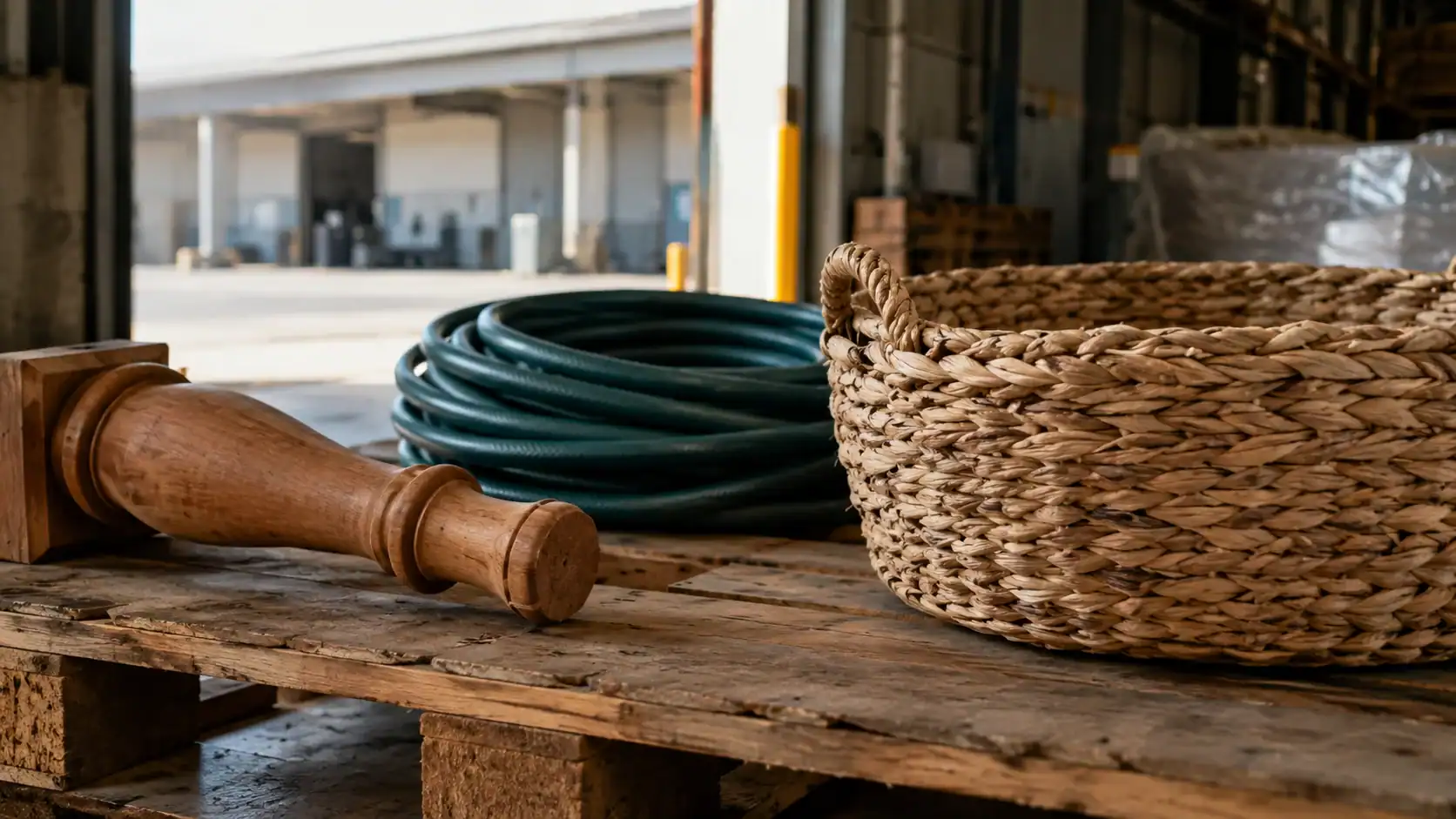
Some goods consistently attract biosecurity attention in personal and household shipments. Knowing these categories before packing reduces the chance of discovering a compliance requirement at arrival.
Timber and wood products. Solid wood furniture, timber frames, wooden ornaments, and pallets can carry bark, insects, or fungal material. BICON conditions for timber items often specify treatment requirements (heat treatment or fumigation) depending on origin country and species. DAFF: timber import conditions
Natural-fibre items. Wicker, rattan, cane, dried flowers, straw baskets, and similar items can harbour insects or plant material that DAFF considers a biosecurity risk. Many of these items must be declared and may be inspected.
Outdoor and garden equipment. Garden tools, mowers, camping equipment, and hiking gear can carry soil, seeds, or organic residue. The rule of thumb: any item that has been in contact with soil or plant matter needs to be thoroughly cleaned before shipment, and that cleaning should be documented.
Food items. Many household moves include pantry stock. Fresh fruit, vegetables, seeds, and certain processed foods face strict import conditions or prohibition. BICON shows at commodity level what can and cannot enter. DAFF: BICON food lookup
Animal products and biological materials. Taxidermy, leather goods with visible hair or feathers, horn items, and similar products can trigger permit requirements depending on origin and species. Some are protected under CITES and require documentation beyond what BICON covers.
These categories do not represent the full range of BICON conditions. They are the ones household movers most commonly overlook. The principle that runs through all of them is consistent: origin, treatment history, and cleanliness all affect what the border will expect.
What BICON Does Not Do for You
BICON tells you what the border will require, but it is not a substitute for careful shipment planning. It does not clean the goods, fix poor packing, or make an inaccurate declaration harmless.
It also does not remove the need to read conditions carefully. Importers sometimes search a product name, see that an item appears permitted, and stop there. But the real meaning often sits in the conditions, notes, origin restrictions, or linked requirements.
BICON is not magic. It is a rulebook. You still have to interpret it and build the shipment around what it says.
How to Use BICON More Effectively
The most useful way to treat BICON is as an early decision tool.
- Check it before booking, not after loading.
- Search by the actual commodity, not a vague household label.
- Read the conditions fully instead of stopping at the first apparent answer.
- Cross-check whether the goods, documents, and packaging match what the conditions require.
- If the shipment is mixed, focus extra attention on higher-risk items and materials.
That process does not guarantee a frictionless border outcome, but it reduces the odds of discovering avoidable compliance problems at the expensive end of the move.
BICON Is Where Australia’s Biosecurity Logic Becomes Practical
BICON matters because it turns Australia’s biosecurity framework into operational instructions. For many imports, it is the difference between guessing what the border wants and knowing what the border expects.
That is why serious import planning starts there. Not because BICON solves everything, but because it is one of the clearest ways to avoid shipping blind into one of the world’s more demanding import-control systems.
BICON is a system that works much better for the agencies running it than for the importers using it. That is not a complaint about the people who built it. It is a design observation. The agencies need a tool that captures the full complexity of import conditions across thousands of commodity codes. The importer needs a tool that answers one question: what conditions apply to my specific consignment, and what do I have to do before it arrives? The same database is being asked to serve both needs, and it primarily serves the first.
The importers who use BICON effectively have learned to translate from the agency’s data model into their own decision model, usually with the help of a customs broker who has internalised the translation. Less experienced importers run the same searches and reach the wrong answer, not because they read the system incorrectly, but because the system was not designed for the questions they are asking.
Most importers use BICON the way a user tests a product: by entering inputs and observing outputs, iterating until they get a usable answer. That is discovery work: useful, but the wrong order of operations. The customs broker who advises on biosecurity compliance has already done the discovery work. They know which product profiles consistently generate conditions, which commodity descriptions create ambiguity at inspection, and which permits are non-negotiable before the vessel departs. The importer who treats BICON as a starting point will eventually arrive where the experienced operator starts. The cost of that journey is paid in clearance delays and hold fees, not tuition.
The question BICON puts to importers is not purely a compliance question. It is a capability question. Every consignment that passes through BICON without incident generates knowledge: which commodity descriptions work, which treatments are consistently required, which product profiles attract inspection. That knowledge is only valuable if someone captures it. Importers who treat each BICON search as a one-off compliance task discard that knowledge after use. Importers who document their product pathway decisions (which conditions applied, what documents satisfied the border) progressively build the internal model that the experienced customs broker already holds. The broker’s advantage is not privileged access to the system. BICON is public. The advantage is pattern recognition built across hundreds of consignments. That pattern recognition can be built incrementally, one shipment at a time, by any importer who treats documentation as a learning record rather than a filing requirement.
One habit helps import teams here. After each consignment clears, spend ten minutes writing down what BICON asked of you and what you would check earlier next time. Teams that grow into confident importers rarely get there through a training course. They get there by treating each shipment as feedback. Three questions are enough for the debrief: which condition surprised us, which document did we scramble for, and what would we tell someone shipping this commodity for the first time? The answers accumulate into an internal playbook that makes the next BICON search faster and calmer, and it means a staff change does not erase what the team has learned about its own commodity lanes.
What a BICON Result Actually Tells You to Do Next
A BICON search returns one of four outcomes, and each one carries a different next step. “No permit required” means the item clears without further action beyond standard documentation. “Permit required” means you must have an import permit before the goods arrive. Some permit types take days, others take weeks, and applying after the vessel has sailed is a common and avoidable delay. “Treatment required” means the goods are permitted only after a specified treatment has been completed and documented. The treatment certificate becomes part of the clearance package, not an optional extra. “Prohibited” or conditions-not-met means the item cannot be imported under the searched conditions at all, and the shipper needs a different classification, a different origin treatment, or a different plan.
Most of the delay BICON gets blamed for does not happen inside the tool. It happens in the gap between reading the result and acting on it. A permit application filed the week the container arrives is functionally the same as not checking BICON at all. The information existed, but nobody converted it into a booked action while there was still time to use it. The teams who avoid the scramble treat a BICON search as the start of a task list, not the end of a compliance check: check conditions at quote stage, file any required permit immediately, confirm a treatment provider before the goods leave origin, and hold the printed BICON case reference with the shipping documents so the border officer sees the same information the importer saw weeks earlier.
Permit timing is only one input into how long clearance actually takes. See our guide to customs clearance time in Australia for how a BICON permit requirement interacts with the rest of the clearance timeline.
Frequently Asked Questions
What is BICON in Australia?
BICON is DAFF’s Biosecurity Import Conditions system. It shows whether goods are permitted into Australia and what conditions, permits, documents, or treatments may apply.
Do I need to check BICON before shipping?
Yes. BICON is most useful before shipment because many conditions need to be understood and satisfied before cargo arrives in Australia.
Does BICON only matter for commercial imports?
No. Household shipments can still contain materials and goods that trigger biosecurity conditions or reflect the same contamination-risk logic.
Does BICON guarantee customs or biosecurity clearance?
No. It helps importers understand conditions, but clearance still depends on the goods, their preparation, the documents provided, and the actual state of the shipment when assessed.
What happens if I ignore BICON?
You increase the risk of avoidable delay, treatment requirements, permit problems, added cost, or border action against the shipment once it arrives.