
Two invoices arrive after your container clears Melbourne. One says demurrage. The other says detention. The dollar figures are different, the day counts are different, and neither word appeared anywhere in your freight quote. You call your forwarder, and the explanation you get uses both terms interchangeably, which does not help.
You are not confused because you missed something obvious. You are confused because the industry uses two similar-sounding words for two different charges, and then some carriers merge them into one charge anyway.

Demurrage vs Detention: The Definitions That Actually Hold Up
Strip away everything decorative and the distinction is straightforward.
Demurrage is charged while the loaded container sits inside the terminal past its allotted free time. The container came off the vessel, it is occupying terminal ground, and nobody has collected it. The terminal wants its space back and the carrier wants its box moving, so a daily charge starts accruing against you.
Detention is charged once the container has left the terminal and is out in your custody past the free days, counting until the empty container is returned to the carrier’s nominated depot. The box is at your warehouse, or your transport yard, or stuck somewhere in between. The carrier’s asset is unavailable for its next revenue voyage, so a daily charge starts accruing against you.
One location test resolves almost every argument: is the container inside the terminal gate or outside it? Inside past free time is demurrage. Outside past free days, before empty return, is detention.
Port Storage Is Not Demurrage
The stevedore (DP World, Patrick, VICT, Hutchison) charges its own fee for containers occupying terminal ground past the terminal’s own free period, which is usually just three days and shorter than the carrier’s demurrage free time. This is port storage, billed by the terminal, and it stacks on top of carrier demurrage rather than replacing it. A container sitting at Port Botany for ten days can generate a storage invoice from Patrick and a demurrage invoice from the shipping line for overlapping days. They are separate charges from separate parties for the same stationary box. Australian terminal access charges have drawn repeated scrutiny from the ACCC’s container stevedoring monitoring, which tells you something about how contested this territory is.
Some Carriers Merge the Terms: Read the Tariff
Several carriers publish a single “combined detention and demurrage” free time with one merged clock: the container gets, say, seven days total from discharge to empty return, and any day past that is billed at one tariff regardless of where the box is sitting. Others keep the charges fully separate with independent clocks. The consequence is blunt: you cannot reason from the general definitions to your specific liability. The carrier’s published Australian tariff (or your contract rate agreement, which overrides it) is the only document that answers how your charges accrue. Read it before the container ships, not after the invoice lands.
Free Time Mechanics: When the Clock Starts and How It Counts
Free time is the period you can use the container without charge. Australian standard tariffs typically allow somewhere between 3 and 10 days combined for dry containers. Reefers get less, often 1 to 3 days, because a refrigerated container plugged into terminal power is expensive real estate.
The detail that catches importers is when the clock starts. For most carriers, free time begins at vessel discharge (the moment the crane lifts the container off the ship), not when the container becomes available for collection. Those are different moments, sometimes by days. A container can be discharged, then buried in a terminal stack, then held by customs, and the whole time your free days are burning even though no truck on earth could have collected it.
Consider the worst common case: a vessel completes discharge on the Friday evening before a long weekend. The terminal does not release the container until Tuesday. Under a discharge-start tariff that counts calendar days, you have lost four of your seven free days before collection was physically possible.
Which raises the counting rules, and here carriers genuinely diverge:
- Some count calendar days: weekends and public holidays burn free time like any other day.
- Some count working days for free time but revert to calendar days once charges start accruing.
- Some exclude the day of discharge itself; some count it as day one.
- Public holiday treatment varies by state, which matters when your container discharges in Melbourne during a Victorian public holiday that does not exist in Sydney.
None of this is standardised. Two containers on the same vessel, consigned under different carriers’ bills, can have materially different chargeable-day counts for identical physical timelines. When you compare carriers or forwarders on price, the free time terms belong in the comparison alongside the freight rate: a cheaper ocean rate with three days of calendar-day free time can cost more, all-in, than a dearer rate with ten working days.
The Escalation Structure: Why Day Nine Costs Triple What Day One Did
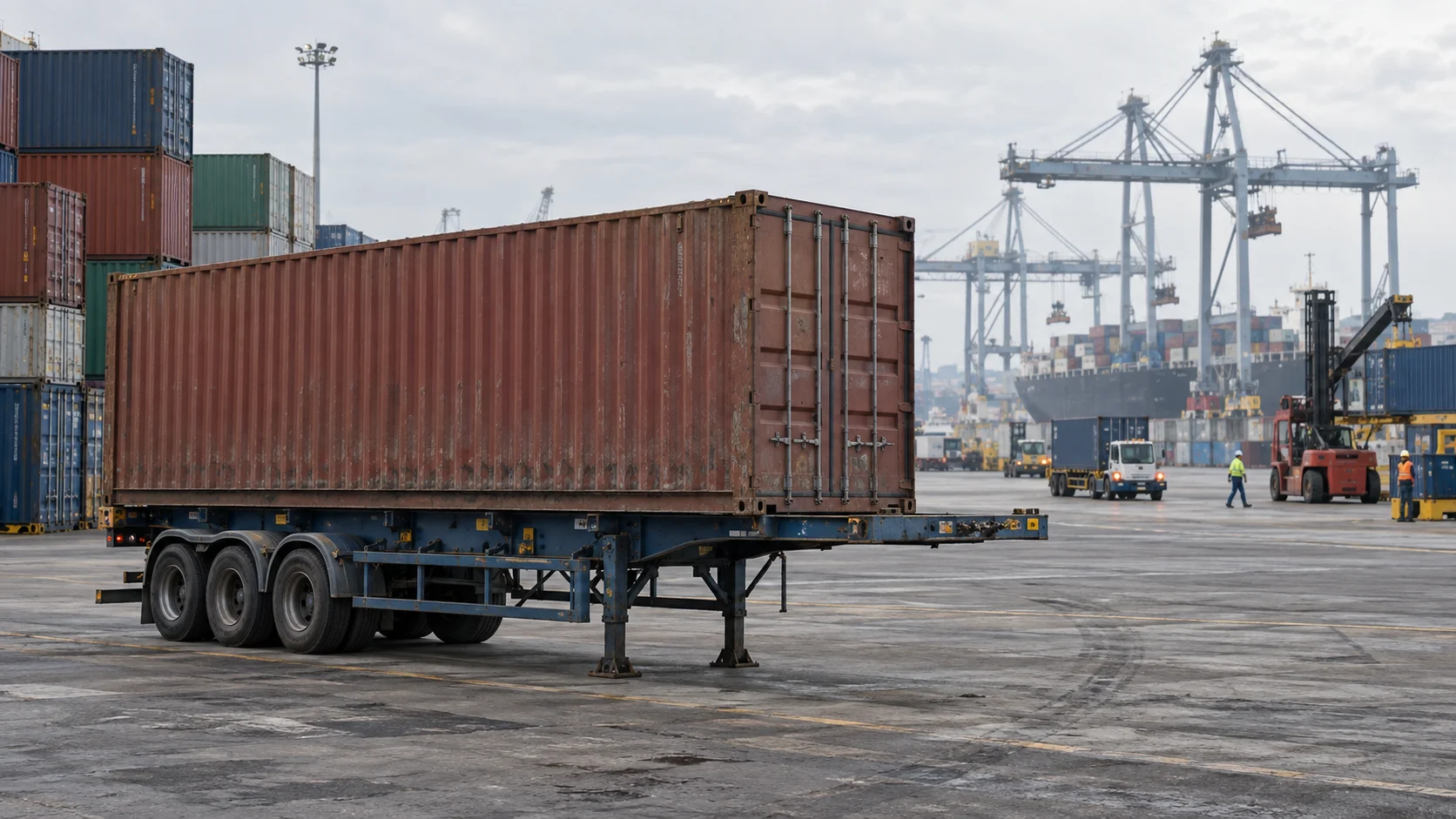
Detention and demurrage tariffs are not flat. They are tiered, and the tiers are designed to hurt more the longer the box is out. A representative Australian structure for a 20ft dry container looks like this (compare against Swire Shipping’s published Australia detention tariff for one carrier’s actual rates):
- Tier 1 (first few chargeable days, often days 1–5 past free time): AUD 80–150 per day
- Tier 2 (the next block, often days 6–10): AUD 150–250 per day
- Tier 3 (everything beyond): AUD 200–400 per day, and some tariffs keep climbing
Three multipliers sit on top of the base structure:
Container size. A 40ft container typically bills at 1.5 to 2 times the 20ft rate at every tier. If you import in 40ft high-cubes, mentally double every figure above.
Equipment type. Reefer detention is in a different league: commonly 2 to 4 times dry rates, with shorter free time to start with. A reefer is a six-figure asset with a generator set, and carriers price its idleness accordingly. A reefer held a week past free days can generate a four-figure invoice without breaking a sweat.
Compounding with storage. Remember that terminal storage charges escalate on their own independent tiers. A long dwell inside the terminal escalates on two curves at once.
The escalation shape drives one strategic conclusion: the cost of delay is convex. Losing two days is an annoyance; losing ten days is a budget event. Every prevention measure later in this article is really an attempt to keep you off the steep part of the curve.
Who Bills Whom: Following the Invoice Chain
The charge originates with the shipping line, but the line rarely invoices the importer directly. The standard chain runs: carrier bills the forwarder (as the party to the contract of carriage), and the forwarder bills the importer, usually at cost plus an administration margin, sometimes at cost. If you buy on delivered terms, your overseas supplier’s forwarder may be in the chain instead, and the charge reaches you as a mysterious line item weeks later with even less documentation.
The haulage arrangement changes who carries the risk:
Carrier haulage: the shipping line arranges the transport leg from terminal to your door. The carrier controls the collection timing, so delays in that leg are largely the carrier’s problem, and detention exposure on the road leg mostly evaporates. You pay for this control in the haulage rate.
Merchant haulage: you or your forwarder arrange transport, which is the dominant model in Australia. You gain rate control and carrier choice on the road leg, and in exchange you own the full detention risk: if your transport provider cannot get a slot, or your warehouse cannot receive, or the empty park will not accept the return, the chargeable days are yours.
Most Australian importers are in merchant haulage without having consciously chosen it, and therefore carry detention risk without having consciously priced it. That is worth five minutes of reflection against your last year of import volumes.
The Five Trigger Scenarios That Cause Most Charges
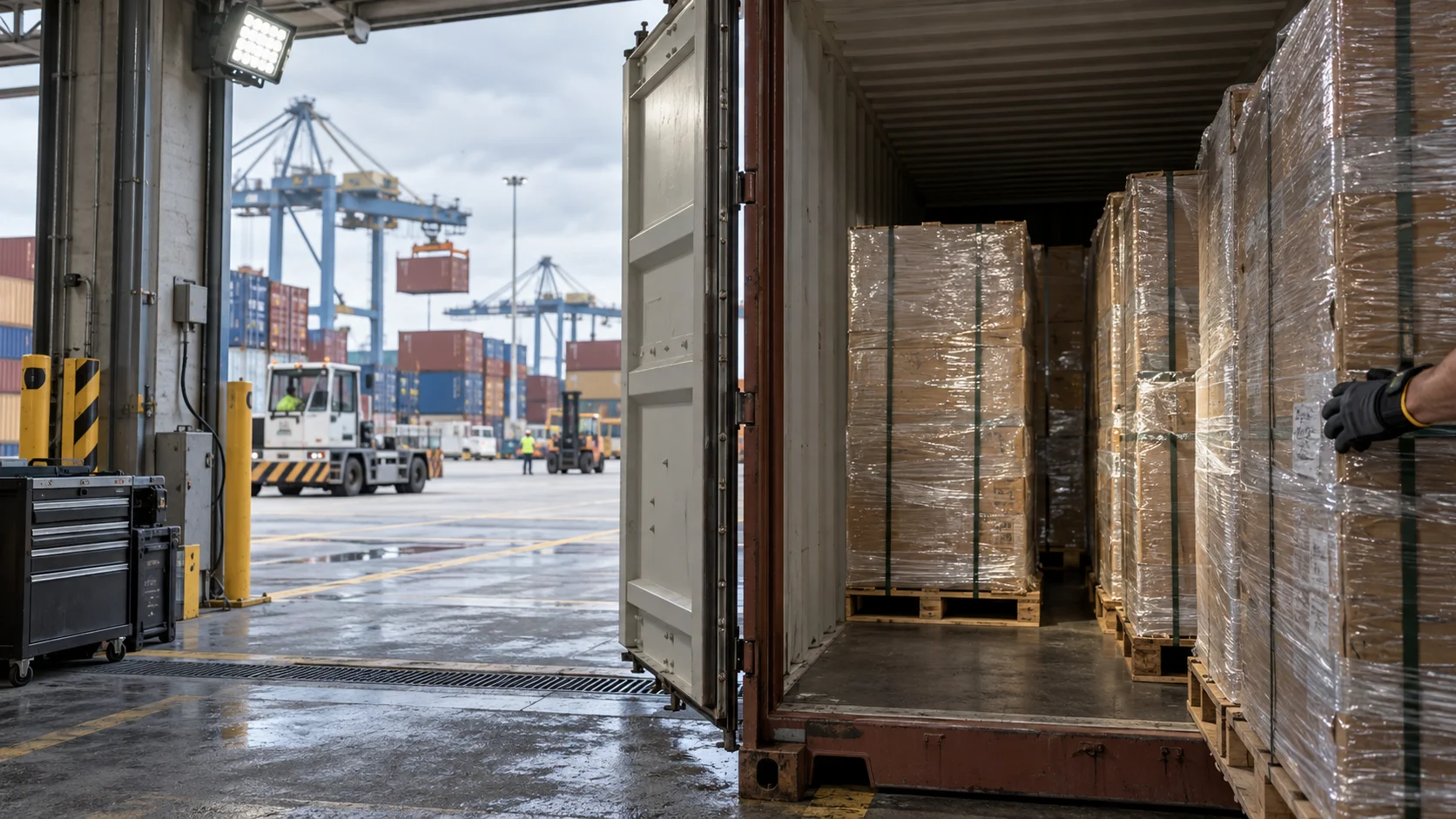
Detention and demurrage rarely arrive out of nowhere. In practice, five scenarios account for the overwhelming majority of chargeable days in Australia.
1. Customs and DAFF Holds Eating Free Time
An Australian Border Force documentation query or a Department of Agriculture inspection hold can pin a container in the terminal for days. The free time clock does not stop for a government hold. A biosecurity inspection queue during peak season can consume an entire free period on its own, delivering you to day one of chargeable demurrage before you have done anything wrong. If your goods profile attracts inspections (timber packaging, food, anything soil-adjacent), build this into your planning. Our guide to customs clearance times in Australia covers what realistic hold durations look like.
2. Empty Container Park Congestion and Futile Trips
This is the distinctly Australian pathology, and it deserves its own section below. The short version: you finish unpacking on time, your driver takes the empty back, and the nominated container park refuses it because the park is full. The clock keeps running. Your transport provider bills you a futile trip fee (commonly AUD 150–300) for the wasted journey. Then you do it again tomorrow.
3. Transport Slot Unavailability
Terminal collections in Sydney, Melbourne and Brisbane run on booked vehicle slots. In peak periods, slots are scarce, and a container that clears customs on Monday might not have a truck slot until Thursday. Three free days gone. Transport providers with larger slot allocations are worth their premium in peak season for exactly this reason.
4. Importer Warehouse Not Ready
The self-inflicted one. The container arrives at your DC and there is no dock, no labour, or no space, so it sits loaded on a trailer (or worse, gets returned to a yard) while detention days accrue. This trigger is entirely within your control, which makes it the most galling to pay for. Receiving readiness is a planning discipline, covered in detail in our piece on warehouse delivery planning for imports.
5. Documentation Delays Releasing the Container
An original bill of lading stuck in a courier network, an unpaid supplier invoice blocking telex release, a forwarder waiting on funds before releasing the delivery order. The container is cleared and collectable, but nobody can legally collect it. Every day of paperwork friction is a free-time day spent. Documentation delays compound viciously with the other triggers: a slow bill of lading followed by a customs query followed by a slot shortage is how twelve-day holds happen. Our broader guide to shipment delays on Australian imports maps how these failures chain together.
The Empty Return Problem, in Detail
Empty container return deserves special treatment because it is the trigger where importers most often pay for a problem they did not cause, and the one where disputes most often succeed.
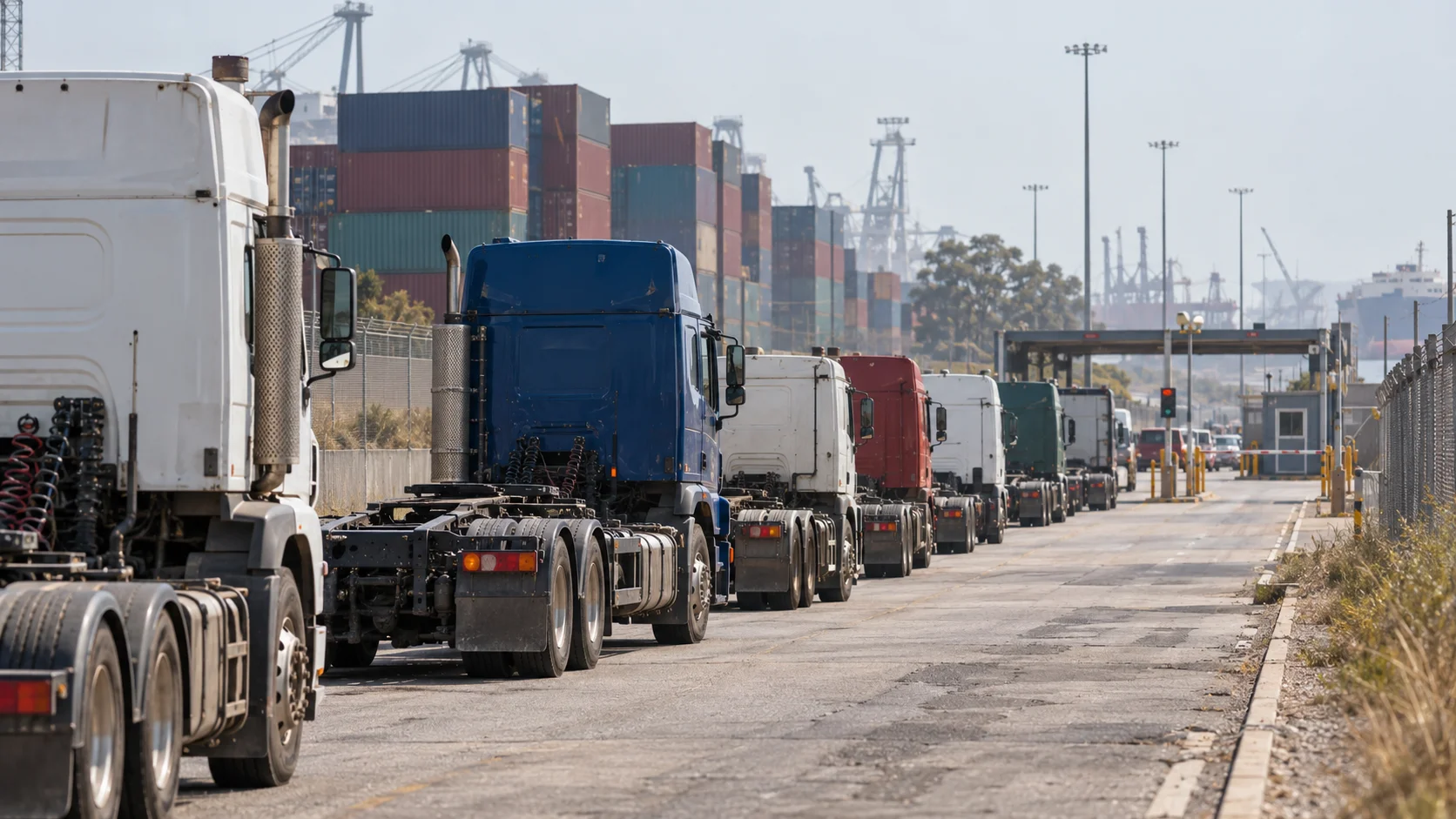
The mechanics: when your container is released, the carrier nominates an empty return depot. Australian empty parks in Sydney and Melbourne run chronically close to capacity, because empty containers accumulate faster than carriers evacuate them. When a park hits capacity, it stops accepting returns for particular carriers or container types, sometimes with hours of notice.
Three things then happen to you:
Redirections. The carrier issues a redirection notice: return the box to a different park, possibly 40 kilometres away. Your transport provider charges for the longer leg. Redirections can chain: park B fills before your rebooked slot, and you are redirected to park C.
Park-full notifications. The nominated park publishes a notification refusing your carrier’s empties for a window. Your box physically cannot be returned. The detention clock, under many tariffs, keeps counting anyway until you force the issue.
Futile trips. Your driver arrives at a park that was accepting returns when the trip was booked and is not accepting them on arrival. The trip is wasted, billed, and the box comes home again.
The defence is timing evidence. From the moment an empty is ready to return, your transport provider should be logging: the date the empty was ready, every return booking attempt with timestamps, every park-full notification received (screenshots, not memories), every redirection notice with its issue time, and every futile trip with arrival records. When the detention invoice arrives claiming six chargeable days, and you can show the box was ready on day one and refused four times through no act of yours, you have a dispute that wins. Without the records you have an anecdote, and anecdotes do not get waived.
Negotiation Levers: What You Can Actually Change
The tariff is not scripture. Three levers move it.
The mindset shift that actually saves money: detention and demurrage charges are not something that happens to you. They are something you allow to happen by staying quiet. Nobody at the carrier volunteers extended free time, a waiver, or a rate review unprompted. The importers who actually get these levers are not getting better treatment than anyone else. They are simply the ones who asked, in writing, before the invoice arrived instead of after.
Every importer who negotiates these levers successfully is solving the same cold-start problem: the carrier has no reason to offer better terms to a shipper it has no track record with, and the shipper has no leverage until it has volume the carrier wants to keep. The way out is not waiting for volume to accumulate on its own. It is asking for the smaller, no-cost concessions early, a documented extension request, a first waiver ask, that build a paper trail of an importer who asks, and asks reasonably. That paper trail is exactly the track record a carrier’s contract desk uses to justify better terms once real volume negotiations start. The three levers in this section are not independent tactics. They are a sequence, and the first one is available on your very next shipment, not your fiftieth.
Extended free time in contract rates. If you import regularly (even a few containers a month), free time is negotiable alongside the freight rate. Regular importers routinely secure 14 to 21 days of combined free time in contract rates at volume, against the 3 to 10 days in the standard tariff. This is the single most valuable clause in a freight contract that most importers never ask about. When your forwarder tenders your volume to carriers, instruct them to weight free time in the evaluation, not just the ocean rate. A rate USD 50 per box cheaper with half the free time is frequently the more expensive option once a bad quarter is averaged in.
Waiver requests on carrier-caused delays. When the delay traces to the carrier or terminal (a vessel that discharged days late, a terminal system outage, a container buried and unavailable during its own free time), a waiver request is legitimate and often granted. Waivers are relationship-lubricated: forwarders with volume get them approved faster than one-off requesters. Ask early, in writing, with the timeline laid out.
Disputes on empty return failures. Covered above, but to underline the evidence requirements: dispute outcomes in Australia turn almost entirely on documentation. Park-full notices, redirection records, futile trip logs, timestamped booking attempts. Carriers see undocumented disputes daily and template-reject them. Documented ones get reviewed by a human, and the ACCC’s ongoing interest in container charge practices has made carriers noticeably less cavalier about rejecting well-evidenced disputes than they once were.
Worked Example: What a 12-Day Combined Hold Actually Costs
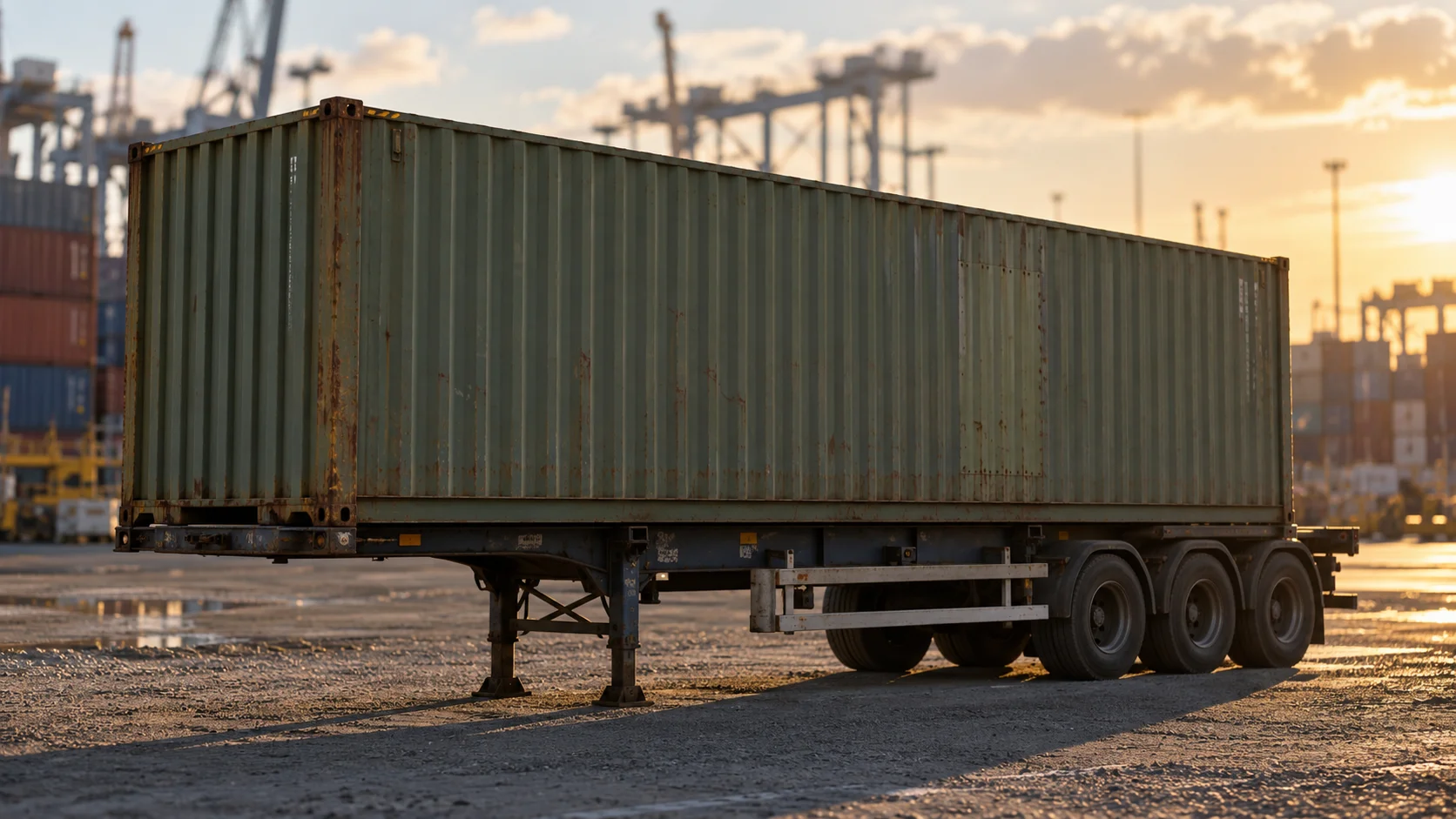
Numbers make this concrete. Take a realistic bad-but-not-catastrophic import: one 40ft dry container into Melbourne, standard tariff, 7 days combined free time from discharge, calendar-day counting. The tariff for a 40ft: Tier 1 (chargeable days 1–5) at AUD 190/day, Tier 2 (days 6–10) at AUD 330/day. Terminal storage: 3 days free, then AUD 120/day escalating to AUD 195/day after day 7.
The timeline:
- Day 0 (Thursday): Vessel discharge. Free time clock starts.
- Days 1–3: DAFF inspection hold, random biosecurity screen. Container unavailable. Terminal storage free period expires day 3.
- Day 4: Hold released, but the weekend has arrived and no transport slot exists until Tuesday.
- Day 6 (Tuesday): Container collected from terminal. Six of seven free days consumed; terminal storage has billed 3 chargeable days.
- Day 7: Delivered to the DC, but receiving is jammed with a delayed prior shipment. Container waits on the trailer. Free time expires at end of day.
- Days 8–9: Unpacked late day 9. Chargeable detention days 1 and 2 accrue.
- Day 10: Empty return booked; nominated park issues a park-full notification. Futile trip. Chargeable day 3.
- Day 11: Redirection notice to a park across town; no slot available until tomorrow. Chargeable day 4.
- Day 12: Empty returned and gated in. Chargeable day 5. Clock stops.
The invoice stack:
- Detention/demurrage: 5 chargeable days, all in Tier 1 at AUD 190 = AUD 950
- Terminal storage: 3 chargeable days at AUD 120 = AUD 360
- Futile trip fee from the transport provider = AUD 250
- Redirection surcharge (longer return leg) = AUD 180
- Forwarder administration on disbursements = AUD 75
Total: AUD 1,815, on a container whose ocean freight might have been AUD 2,500. And this example is merciful: every chargeable day stayed in Tier 1. Stretch the same dysfunction three more days and days 6–8 bill at AUD 330, adding another AUD 990. A reefer on the same timeline would roughly triple the detention line. Two of the five chargeable days (10 and 11) trace to the empty park, which, with the futile trip record and park-full notice attached, makes AUD 380 of detention plus the AUD 430 in transport penalties legitimately disputable. The other three days are simply gone.
The lesson inside the arithmetic: no single failure caused this. A three-day inspection, a weekend, a slot shortage, a busy dock and a full container park (each individually ordinary) chained into a twelve-day hold. Prevention is about breaking the chain, not eliminating any one link.
The Prevention Playbook
Four disciplines, in descending order of value per unit of effort.
1. Pre-clearance. Lodge the import declaration before the vessel arrives. Australian customs entries can be lodged days ahead of arrival, and a clean pre-lodged entry means the container discharges already cleared, converting the free-time clock from a countdown into usable time. Pre-clearance also surfaces documentation problems (a missing packing declaration, a tariff classification query) while the container is still at sea and the fix is free. This is the highest-leverage habit on the list.
2. Transport pre-booking. Book the collection slot and the delivery window before the vessel berths, using the estimated availability date, and let your transport provider adjust. Providers can amend a booked slot far more easily than they can conjure one during a peak week. If you are importing into Sydney or Melbourne between September and December, treat slots as the scarce resource they are. Port congestion multiplies every one of these timing risks: see our analysis of port delays across Australian shipping for the seasonal picture.
3. DC readiness confirmation. Make warehouse readiness an explicit checkpoint, not an assumption: confirmed dock booking, confirmed labour, confirmed floor space, confirmed unpack-and-return plan, 48 hours before delivery. Every importer who has paid detention for a container idling outside their own full warehouse institutes this rule immediately afterwards. Institute it beforehand instead.
4. Tariff free-time comparison when choosing carriers and forwarders. Put free time terms into every rate comparison: how many days, combined or split, calendar or working, clock start point, and the Tier 1 daily rate. Five minutes of tariff reading per carrier, once per contract cycle. If your forwarder cannot produce these terms readily, that itself is information. Hidden landside charges are a pattern across trades: our breakdown of hidden costs when shipping from Thailand shows how the same all-in-price discipline applies at origin.
When Detention Insurance or Guarantees Make Sense
A small market exists for detention and demurrage insurance, and some forwarders offer capped-exposure arrangements: a fixed fee per container in exchange for absorbing charges beyond a threshold.
For most importers, it is not worth it. The premiums price in the average expected charges plus margin, so a well-run import operation with pre-clearance and booking discipline subsidises everyone else’s chaos. Your money is better spent on the prevention playbook.
The cases where cover earns its keep are the ones with fat-tailed exposure you cannot manage away: reefer importers, where a single stuck container generates thousands in days; project cargo and out-of-gauge moves, where return logistics are genuinely unpredictable; importers into chronically congested trades or peak-season windows where empty park failures are near-certain rather than possible; and businesses whose cash flow cannot absorb a five-figure surprise even once. In those profiles, converting an unbounded variable cost into a fixed fee is rational insurance rather than expensive comfort.
If you do buy cover, read the exclusions with the same care you now apply to tariffs: most policies exclude charges arising from your own documentation failures or warehouse unavailability, which, as the trigger list showed, is exactly where a lot of the days come from.
Related Reading
- Port Delays in Australia: What’s Driving Them and What Shippers Can Do
- How Long Does Customs Clearance Take in Australia?
- Warehouse Delivery Planning for Imports
- Shipment Delays on Australian Imports: Causes and Fixes
- Choosing an Australian Container Port: The Inland Freight Logic
Frequently Asked Questions
What is the difference between detention and demurrage?
Demurrage applies while the loaded container sits inside the terminal past its free time. Detention applies once the container has left the terminal, counting until the empty is returned to the carrier’s nominated depot. The location test (inside or outside the terminal gate) settles most arguments, but some carriers merge both into a single combined charge with one clock, so the specific tariff is the final word.
How much free time do containers get in Australia?
Standard tariffs typically allow 3 to 10 days combined for dry containers, counted from vessel discharge. Reefers get 1 to 3 days. Regular importers can negotiate 14 to 21 days into contract rates at volume, which is the single most valuable free-time lever available.
When does the demurrage clock start?
For most carriers, at vessel discharge, not when the container becomes available for collection. A container discharged before a long weekend, or pinned under a customs hold, burns free time while collection is impossible. Weekend and holiday counting rules differ between carriers, so identical physical timelines can produce different chargeable-day counts.
What do detention and demurrage charges cost per day?
Rates are tiered: first-tier charges typically run AUD 80–150 per day for a 20ft dry container, escalating to AUD 200–400 per day in later tiers. 40ft containers bill at roughly 1.5 to 2 times the 20ft rate, and reefer detention runs 2 to 4 times dry rates with shorter free time.
Can I dispute detention charges when the empty park refused my return?
Yes, this is the most winnable dispute category, provided you have evidence: park-full notifications, redirection notices, futile trip records and timestamped booking attempts. Carriers template-reject undocumented complaints but review documented ones, and regulatory attention on container charges has made well-evidenced disputes harder to dismiss.
Who bills the importer for these charges?
The carrier bills the forwarder as the contracting party, and the forwarder bills you, usually with an administration margin. Under merchant haulage (the dominant Australian model) you carry the detention risk on the road leg; under carrier haulage the carrier controls collection timing and absorbs more of that exposure.