

Category: australia

  • Brown Marmorated Stink Bug Shipping Season Explained

    Brown Marmorated Stink Bug Shipping Season Explained


    For many shipments to Australia, the most important calendar is not cyclone season, Christmas congestion, or end-of-financial-year volume. It is Brown Marmorated Stink Bug season.

    The Brown Marmorated Stink Bug, or BMSB, is an invasive pest risk that has driven seasonal controls on a wide range of goods moving into Australia. When those controls apply, shipment timing, treatment planning, and routing decisions can change significantly.

    That is why BMSB should be treated as an operational season, not just a technical note buried in compliance guidance. If you ship affected goods between September and April, the bug can become part of your logistics planning whether you like it or not.

    This matters because BMSB measures are not simply about whether the pest is present. They are about managing the risk of it arriving hidden in cargo, packaging, vehicles, machinery, and goods that offer shelter during transit.


    Key Takeaways


    • BMSB measures are a recurring seasonal control that can affect goods shipped to Australia between 1 September and 30 April. DAFF: Brown marmorated stink bug seasonal measures
    • The main issue is that the pest can shelter in cargo and arrive alive if risk controls are not applied.
    • Treatment, origin, shipment timing, and goods classification can all affect whether BMSB measures apply.
    • BMSB season is a compliance calendar that can alter shipping timelines, not just a biology topic.
    • Planning early is easier than trying to fix treatment or eligibility problems once cargo is already moving.


    Jump to a Section


    What BMSB Is and Why Australia Cares


    BMSB is an invasive pest risk because it can hitchhike in cargo and establish itself in environments where it does not belong. For a country like Australia, which already runs a high-protection biosecurity system, that kind of pathway is taken seriously.

    The important point for shippers is that the concern is operational, not theoretical. A pest does not need to be obvious on the outside of a shipment to create risk. If it can shelter in goods, vehicles, machinery, or packaging during transit, border controls become much stricter.

    This is one of the clearest examples of how Australian biosecurity works in practice: seasonal risk becomes a shipping rule. Australia Biosecurity Rules Explained


    Why the Season Window Matters


    DAFF’s seasonal BMSB measures run between 1 September and 30 April. That date window matters because it changes how the same goods may be treated depending on when they ship and when they arrive. DAFF: BMSB seasonal measures

    This is what makes BMSB unusually important for logistics planning. Many import rules stay relatively stable across the year. BMSB rules behave more like a recurring risk season. They create periods where treatment, documentation, or shipment eligibility can become more complex.

    That means timing is not just about freight rates or port congestion. In some cases, shipment timing changes the compliance burden itself.
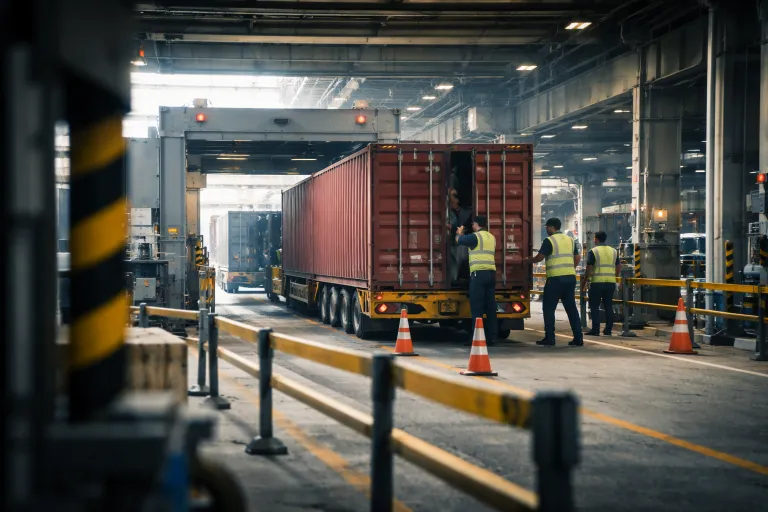
     

    Shipping container truck at an Australian inspection point during BMSB screening season
    Seasonal BMSB controls turn a date window into a real inspection-point shipping rule.


    Which Shipments Are Most Affected


    BMSB measures tend to matter most for goods that provide shelter or transport pathways for the pest. Machinery, vehicles, equipment, certain manufactured goods, and goods shipped from or through higher-risk origins are the main problem categories.

    This is why importers often underestimate the issue. They think of biosecurity as something tied mainly to food, plants, or visible contamination. BMSB shows that manufactured cargo can also trigger seasonal biosecurity controls when the transport pathway itself creates the risk.

    For mixed shipments, this matters because one affected item can change the compliance picture for the whole move.


    Why Timing and Routing Matter So Much


    BMSB season changes the value of timing discipline. A shipment booked casually inside the seasonal window may face a very different treatment burden than one planned with the measures in mind.

    Routing also matters because vessel exposure, transshipment history, and treatment arrangements can affect how risk is assessed. That is why BMSB should not be treated as a last-minute paperwork check. It belongs in the planning stage alongside route, departure date, and expected arrival period.

    This is also where many delays come from. The issue is not always the treatment itself. It is discovering too late that the shipment falls into a seasonal control structure the importer never priced into the move.

     

    Inspection staff reviewing inbound cargo under Australian biosecurity control measures
    Late discovery is expensive because seasonal controls must be absorbed by real inspection workflows.


    How Importers Should Plan Around BMSB Season


    The most practical approach is to treat BMSB season as a known planning variable.

    • Check whether the goods and origin profile fall within current BMSB measures.
    • Assess whether seasonal timing can be adjusted before booking if the move is flexible.
    • Do not assume manufactured cargo is automatically outside biosecurity risk.
    • Build extra time into the shipment plan if treatment or seasonal review may be required.
    • Make sure the compliance conversation happens before departure, not after loading.

    BMSB is a good example of why Australia rewards disciplined import planning. The country’s border system is not only checking what the goods are. It is also checking what season they are moving through.


    BMSB Season Is a Logistics Calendar, Not a Footnote


    The most useful way to think about Brown Marmorated Stink Bug controls is as a recurring shipping season with real operational consequences. If your cargo falls inside the risk window, the compliance burden can change even when the goods themselves have not.

    That is why smart import planning starts with the calendar. BMSB season is not an obscure detail. It is one of the clearest examples of how Australian biosecurity turns seasonal risk into practical border action.


    Frequently Asked Questions


    What is BMSB season in Australia?

    It is the seasonal period when Australia applies Brown Marmorated Stink Bug risk measures, generally between 1 September and 30 April.


    Why does BMSB season matter for shipping?

    Because it can change treatment, timing, routing, and compliance requirements for affected goods moving into Australia.


    Does BMSB only affect agricultural cargo?

    No. It can affect manufactured and industrial goods as well, because the risk is about pest shelter and transport pathways, not just food or plant products.


    What is the main planning mistake importers make?

    They discover too late that the shipment falls inside a seasonal control window and needs more compliance planning than they allowed for.

     

  • Australia’s Biosecurity Import Conditions (BICON) Explained

    Australia’s Biosecurity Import Conditions (BICON) Explained


    For many shipments into Australia, the most important compliance mistake happens before the cargo even moves: the importer never checked BICON properly.

    BICON is Australia’s Biosecurity Import Conditions system. In practice, it is the operational rulebook that tells importers whether a product is allowed, whether conditions apply, whether permits or supporting documents are required, and whether treatment or inspection may be necessary.

    That makes BICON far more than a reference site. It is one of the first places Australia expects importers to check if they want to understand what the border will require.

    If you are moving household goods, importing commercial stock, or planning a shipment that contains unusual materials, understanding BICON early is one of the easiest ways to reduce avoidable delay and cost.


    Key Takeaways


    • BICON is DAFF’s official system for checking whether goods can be imported into Australia and what conditions apply. DAFF: BICON
    • Some goods are prohibited. Others are allowed only if specific conditions are met.
    • BICON can indicate permit requirements, treatment requirements, document requirements, and inspection expectations.
    • Checking BICON after a shipment has already departed is often too late to avoid preventable border friction.
    • BICON should be treated as the first compliance check, not the last. Australia Biosecurity Rules Explained


    Jump to a Section


    What BICON Actually Is


    BICON is the public-facing system DAFF uses to present Australia’s biosecurity import conditions. It is where importers can check whether a product is permitted and what legal or operational conditions must be satisfied before the goods can enter. DAFF: BICON

    That may sound administrative, but it has real operational weight. BICON is how a broad legal framework becomes shipment-specific. The Biosecurity Act establishes the authority. BICON translates that into practical conditions importers can act on.

    This is why experienced import planning starts with the database, not with assumptions. The law is broad. BICON is where the actual commodity logic becomes visible.


    Why BICON Matters Before Shipping


    The common mistake is treating biosecurity as an arrival issue. In reality, Australia expects import conditions to be understood before shipment.

    If BICON shows that a permit is required, or that a treatment certificate must exist, or that a commodity is prohibited from certain origins, those are not details you want to discover after the container is already on the water.

    This is where delay becomes expensive. The shipment arrives, documents do not match what the border expects, and the cargo moves into inspection, treatment, hold, or in some cases a much more disruptive outcome. A large share of “unexpected” friction is really just late compliance discovery.


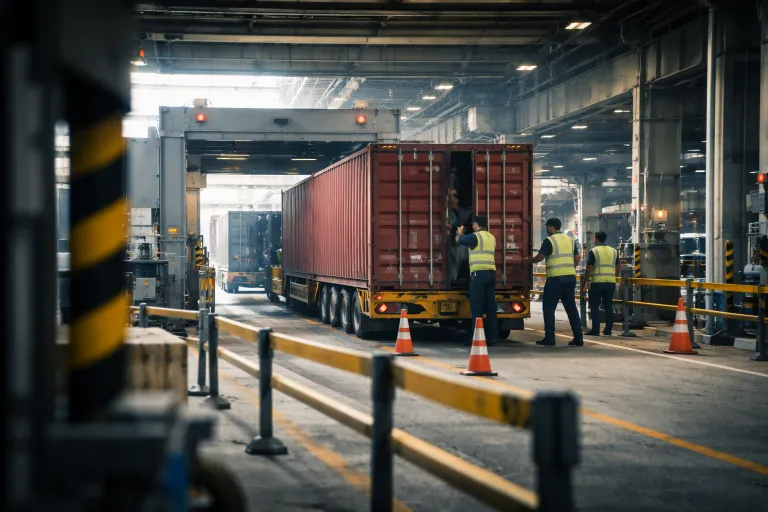
    Truck unloading container cargo ahead of Australian inspection and document checks
    Arrival-stage cargo handling is where late compliance errors become expensive.


    What Kind of Information BICON Shows


    The exact output varies by commodity, but BICON commonly helps importers answer questions like these:

    • Is the product permitted into Australia?
    • Does the origin country matter?
    • Is a biosecurity import permit required?
    • Are there pre-shipment treatment conditions?
    • Are supporting declarations or certificates required?
    • Are there packaging, contamination, or inspection conditions?

    That is why BICON is so central. It does not just say yes or no. It maps the conditions that determine whether the shipment can move cleanly through the system.


    Workers processing cargo inside an Australian biosecurity inspection centre
    Inspection teams work from detailed import conditions, not broad assumptions about cargo.


    How BICON Matters for Household Goods


    Household-goods importers sometimes assume BICON is mainly for commercial products. That is too narrow. Household shipments often include categories of items that still trigger product-specific or contamination-related conditions.

    Wood products, natural-fibre items, outdoor equipment, garden tools, and other contamination-prone goods can all sit close to the kinds of questions BICON is designed to answer. Even where BICON is not being used commodity by commodity for every carton in a personal shipment, the database still reflects the wider logic Australia uses to assess what is acceptable and what is not.

    That is why it pairs naturally with practical preparation guidance. If you are sending used goods, BICON helps explain what the system cares about. Why Used Household Goods Get Inspected in Australia


    What BICON Does Not Do for You


    BICON is powerful, but it is not a substitute for careful shipment planning. It does not clean the goods, fix poor packing, or make an inaccurate declaration harmless.

    It also does not remove the need to read conditions carefully. Importers sometimes search a product name, see that an item appears permitted, and stop there. But the real meaning often sits in the conditions, notes, origin restrictions, or linked requirements.

    In other words, BICON is not magic. It is a rulebook. You still have to interpret it properly and build the shipment around what it says.


    How to Use BICON More Effectively


    The most useful way to treat BICON is as an early decision tool.

    • Check it before booking, not after loading.
    • Search by the actual commodity, not a vague household label.
    • Read the conditions fully instead of stopping at the first apparent answer.
    • Cross-check whether the goods, documents, and packaging match what the conditions require.
    • If the shipment is mixed, focus extra attention on higher-risk items and materials.

    That process does not guarantee a frictionless border outcome, but it sharply reduces the odds of discovering avoidable compliance problems at the expensive end of the move.


    BICON Is Where Australia’s Biosecurity Logic Becomes Practical


    BICON matters because it turns Australia’s biosecurity framework into operational instructions. For many imports, it is the difference between guessing what the border wants and knowing what the border expects.

    That is why serious import planning starts there. Not because BICON solves everything, but because it is one of the clearest ways to avoid shipping blind into one of the world’s more demanding import-control systems.


    Frequently Asked Questions


    What is BICON in Australia?

    BICON is DAFF’s Biosecurity Import Conditions system. It shows whether goods are permitted into Australia and what conditions, permits, documents, or treatments may apply.


    Do I need to check BICON before shipping?

    Yes. BICON is most useful before shipment because many conditions need to be understood and satisfied before cargo arrives in Australia.


    Does BICON only matter for commercial imports?

    No. Household shipments can still contain materials and goods that trigger biosecurity conditions or reflect the same contamination-risk logic.


    Does BICON guarantee customs or biosecurity clearance?

    No. It helps importers understand conditions, but clearance still depends on the goods, their preparation, the documents provided, and the actual state of the shipment when assessed.


    What happens if I ignore BICON?

    You increase the risk of avoidable delay, treatment requirements, permit problems, added cost, or border action against the shipment once it arrives.