
Animal-product exports are the kind of trade many people underestimate because the goods do not look exotic. Wool, leather, pet food, hides, skins, and related by-products can all seem commercially ordinary. But controlled export systems do not treat them casually. These goods often move through structured certification frameworks because destination markets care about sanitary status, origin, product category, and documentary confidence.
That is why this category should not be treated as ordinary freight with a few extra papers attached. For many animal-product exports, the documentary pathway is part of the commercial product. If the product is defined incorrectly, if the wrong official route is assumed, or if destination-market expectations are not built into the job early enough, the shipment can become physically movable and still commercially weak.

Why Animal-Product Exports Are Documentation-Heavy by Design
These categories attract heavier documentation because the importing market is rarely assessing freight risk alone. It is also assessing sanitary confidence, product identity, origin, and whether the goods fit a recognized official pathway. That is why wool, leather, pet food, hides, and similar products can carry more control logic than a casual exporter expects.
The documentary burden is not arbitrary. If a destination market is concerned about disease status, product classification, or commodity treatment, the official file becomes part of how that risk is managed. The shipment only moves cleanly when the documents support the category the importer thinks it is buying and the regulator thinks it is admitting.
The freight leg may be straightforward, but the paperwork is not secondary. It is what keeps the freight leg commercially valid.
Why the Category Is Broader Than Many Exporters Expect
Exporters get caught here because “animal products” is a broader and more regulated category than it sounds. It can include raw and processed materials, by-products, treated goods, finished pet consumables, and products that sit close to veterinary, sanitary, or commodity-control logic.
The exporter has to understand the category logic used by the control system, not just the commercial product description. If those two frames diverge, the file becomes unstable. A business may describe a product one way for marketing or invoicing while the export-control pathway treats it as something more sensitive, more specific, or more conditional.
That is especially relevant in mixed or borderline categories such as processed animal-derived goods, value-added wool or leather products, and pet-food items that may appear straightforward commercially but still carry official requirements in practice.
How Australian Certification Systems Matter
Australia’s export systems create the official route by which controlled goods can be documented and accepted internationally. DAFF’s export documentation and controlled-goods frameworks are not optional polish layered on after the sale. They are part of the infrastructure that makes the trade commercially real. DAFF: Export Documentation, DAFF: Controlled Goods
A destination market often wants more than a commercial invoice and packing list. It may want an official certificate, commodity-specific declarations, or evidence that the product sits inside the correct sanitary or export-control channel. If the exporter has not mapped that pathway, the shipment can reach the booking stage before anyone realises the official side is still incomplete.
Exporters should treat documentation systems as operating systems rather than admin tasks. Once the document route is clear, the exporter can plan with confidence instead of rediscovering the pathway every time a buyer places an order.
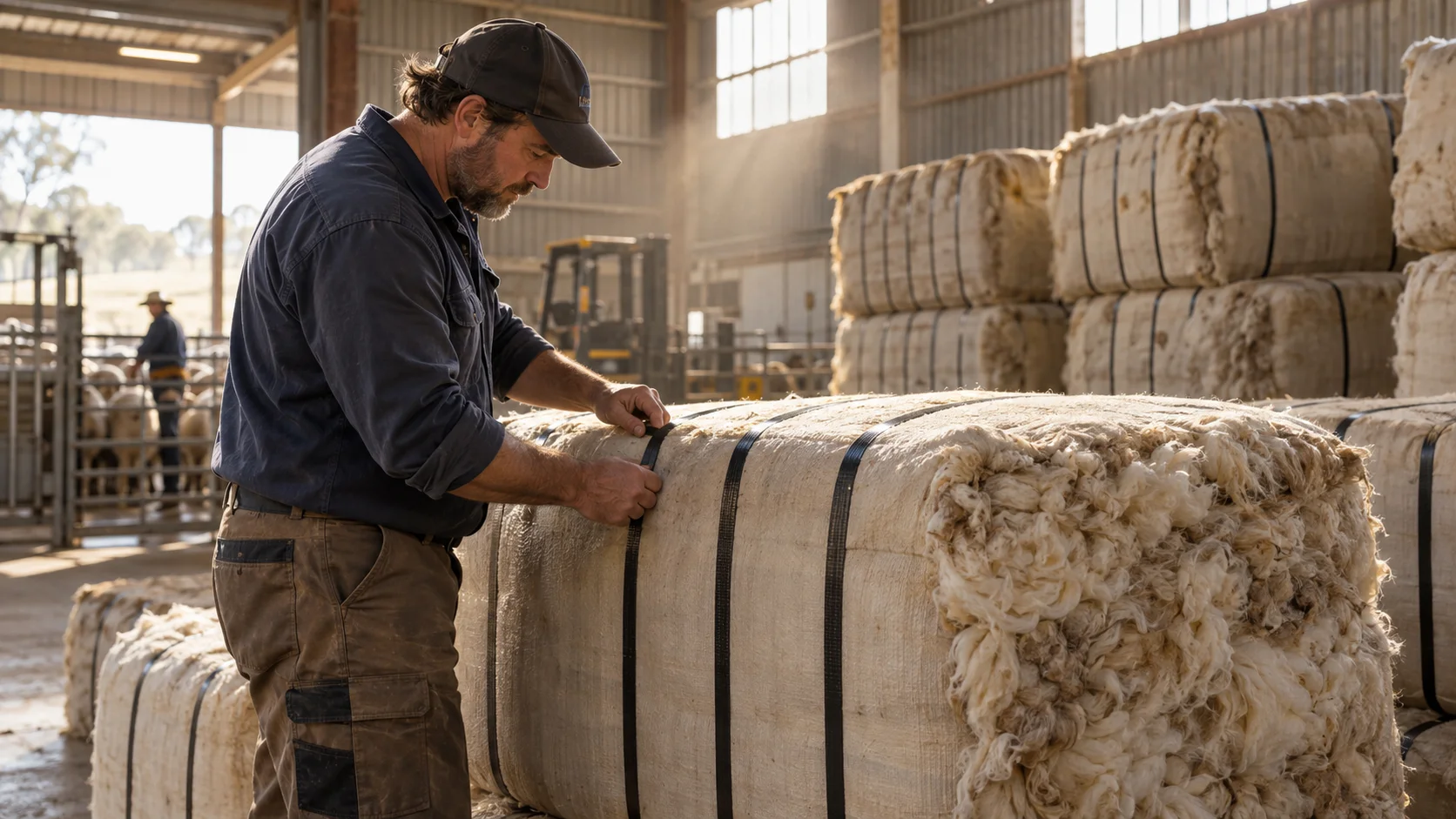
The document sequence on a controlled animal-product export is fixed: commodity definition, DAFF controlled-goods registration, export certificate request, inspection sequence, health certificate or sanitary declaration, and the market-access conditions document for the destination country. Each piece precedes the next. The goods travel after the file is complete, not while the file is being assembled.
Why Market Requirements Still Control the Outcome
Australian systems are only half the story. The destination market still decides what it will accept, and that means importing-country requirements have to shape the export design. A certificate that looks valid in the abstract is not enough if it does not match the destination’s conditions for that product.
Strong exporters start with destination acceptance logic and work backward through the Australian framework. They ask what the buyer’s market requires, what category the product will sit in, what official document path supports that category, and how the shipment needs to be prepared so the pathway remains credible from origin to destination.
That is also where timing becomes important. If a market expects a certain declaration, treatment, or document sequence, the freight booking cannot lead the job. Exporters have to understand the official pathway early enough that the export plan does not trap the team in a weak position later.
For Australian exporters shipping to destination markets with specific biosecurity conditions, the relevant processes are documented on the Swift Cargo Australia customs and export guide.
What Good Exporters Do Differently
Good exporters in these categories are disciplined in three ways. They define the commodity correctly, they confirm the documentary route before the goods move, and they treat controlled export work as a market-access process wearing a logistics uniform.
A wool exporter who gets the certification pathway wrong does not find out at the port. They find out three weeks later, in an email from the importing country’s own inspector, after the goods have already been sitting in a bonded facility accumulating storage fees on a shipment that was never going to clear. That is the actual cost of treating certification as paperwork instead of as the product. The exporters who never receive that email are not luckier. They confirmed the documentary route before the goods moved, not after, and the ten extra minutes that took at the planning stage is the cheapest insurance in this entire guide.
- They define the commodity before they define the shipment. If the product category is unclear, the logistics plan is premature.
- They confirm the official pathway before committing to timing. A booking is not progress if the certificate route is still uncertain.
- They build documents around the destination market, not around habit. Repeat templates are useful only if they still match the lane and commodity.
- They treat repeatability as a capability. The goal is not just to get one shipment through. It is to build a process that can survive the next shipment too.
- They communicate constraints early. Buyers and internal teams do better when the exporter surfaces the control logic before rushing the freight forward.
That mindset reduces rework, rejection risk, and the kind of delay that turns a viable shipment into a weak commercial outcome. Buyers do not only want one successful consignment. They want confidence that the next one will move with the same discipline. Some exporters build process memory around commodity definition, document logic, and lane-specific controls. That creates a quieter but real advantage over competitors who are still improvising each file.
Sanitary certification systems are among the oldest forms of market control in international trade. The frameworks that DAFF operates today continue that function in more transparent form. Understanding this matters for exporters not because it changes the current rules, but because it explains why the rules are structured as they are. They are not primarily about administrative efficiency. They are about conferring official standing on the product and the exporter. An uncertified animal product is not just undocumented: in the destination market’s logic, it may not exist as a tradeable category at all. Readers who need the detailed certificate framework should continue to Export Certification and Phytosanitary Requirements.

What the Requirements Actually Look Like: Wool, Leather, and Pet Food
The abstract point becomes concrete the moment you look at three of the most common animal-product exports, because each one carries a different documentary shape.
Wool. Greasy and scoured wool are not the same export problem. Buyers in many markets expect a National Wool Declaration covering mulesing status and, increasingly, dark-and-medullated-fibre risk, alongside standard commercial documents. The packaging matters too: timber dunnage and pallets have to meet ISPM 15 heat-treatment marking, or the consignment can be held at the destination for a wood-packaging breach that has nothing to do with the wool itself. This is the same phytosanitary logic that governs Australian fresh-produce exports, applied to a different commodity.
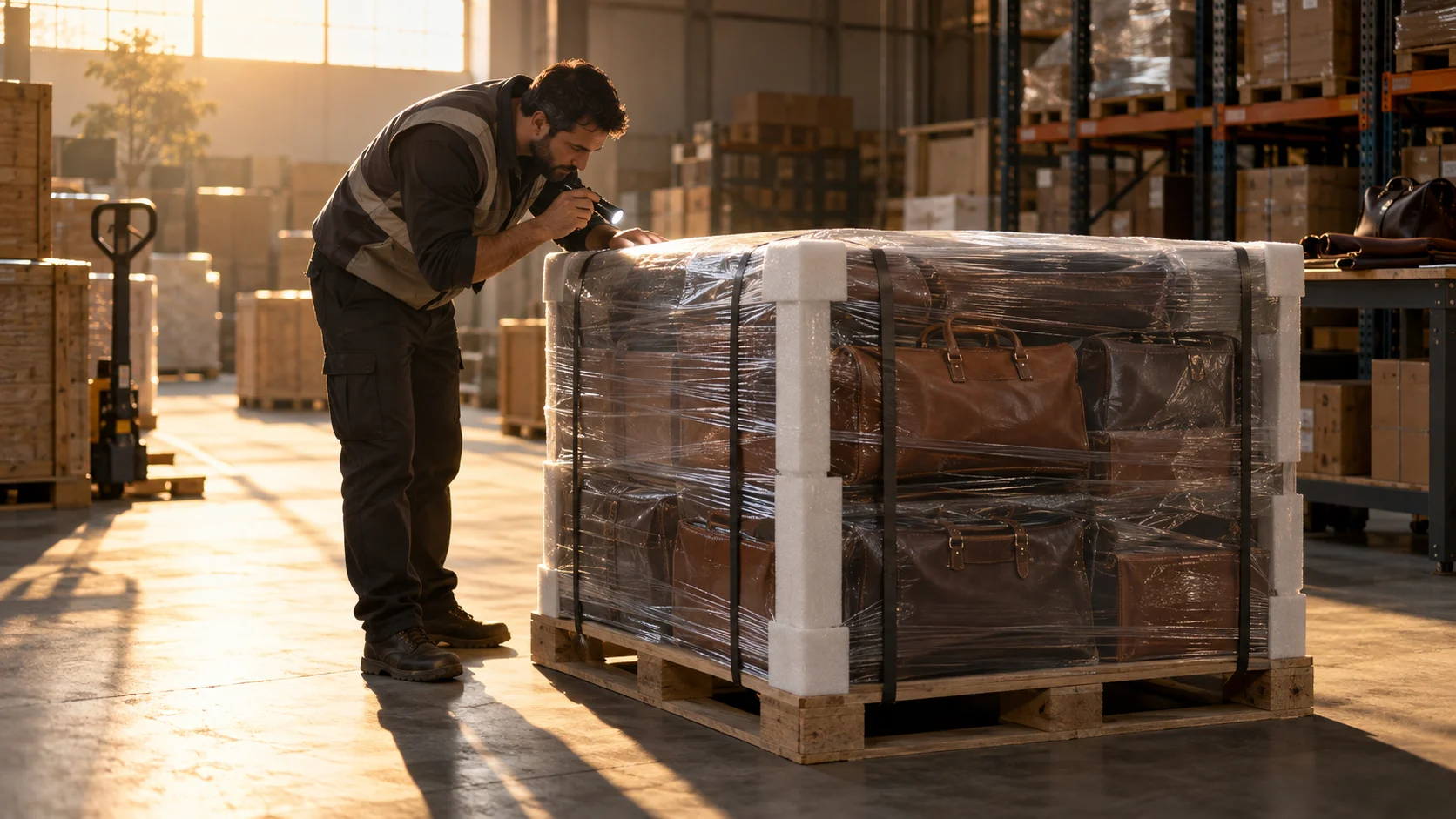
Leather and hides. A raw salted hide, a wet-blue, and a finished leather good move under different rules. Raw and semi-processed hides are far more sanitary-sensitive and usually require a health certificate confirming the animals passed ante- and post-mortem inspection. Finished leather is often treated more like a manufactured good. Exotic skins such as crocodile add a CITES permit layer on top of the sanitary file. The entire pathway depends on which of these three the product actually is.
Pet food. This is where exporters are most often caught. Pet food commonly requires the manufacturing establishment itself to be DAFF-registered for export, plus an importing-country health certificate that matches that market’s exact wording. China requires the facility to hold GACC registration before a single carton ships; the EU requires product from an approved establishment entering through a designated Border Control Post with TRACES-NT documentation. None of this is discoverable at the booking stage. It is a months-ahead facility-and-market question, not a freight question.
How the Best Exporters Run This vs How Most Do
Most exporters in this category work forward from the product they already make: they have wool, or hides, or a pet-food line, and they go looking for a buyer. The certification then becomes paperwork to be sorted once the order lands. The best exporters work backward from the destination market’s admissibility rules, and they do the discovery before they promise a ship date. That single reversal is what separates a lane that runs cleanly from one that stalls at the certificate stage.
The best teams also treat the first successful shipment as a prototype, not a finish line. They capture exactly which commodity definition worked, which certificate template the destination regulator accepted, and which inspection sequence the consignment passed. The second and tenth shipments are then reproductions, not fresh improvisations. It is the same discipline good product teams use: learn the requirement deeply once, then build a repeatable process around it rather than rediscovering it under deadline pressure every quarter.
And they manage the commercial layer with the same care as the documentary one. Two things move the margin as much as a freight quote does: the day an export invoice is struck, and the rate at which it converts. That is why disciplined exporters watch why the day of export matters for exchange-rate exposure rather than leaving it to chance. Getting the certificate right keeps the shipment legal; getting the timing right keeps it profitable.
A missing certificate is not bad luck. It is a planning failure that surfaced late, at the worst possible moment, in front of a customer waiting on a ship date. Nobody at the border cares whose job it was to confirm the destination market’s admissibility rules. The shipment is stopped either way. The exporters who never get caught out assign a single person to own the certification chain for each commodity line, end to end, before the first order is quoted. That person tracks which regulator, which template, which inspection window, and reports back the moment anything is uncertain, instead of assuming someone else already checked. Certification discipline is not a compliance department’s job to clean up afterward. It belongs to whoever is closest to the shipment, and it starts before the sale, not after the ship date is promised.
Frequently Asked Questions
Are wool, leather, and pet food exports treated as ordinary freight?
Not usually. These goods often depend on certification, controlled-export pathways, or destination-market requirements that go beyond ordinary freight paperwork.
Why do animal-product exports require so much documentation?
Because destination markets often want sanitary, origin, or commodity-specific assurance before they accept the goods.
Can exporters rely on generic commercial invoices alone?
Often not. The official pathway depends on the product category, the destination market’s conditions, and whether the right export documentation has been prepared.
What is the biggest mistake in this category?
Underestimating how much the certification system and category definition shape whether the shipment can move cleanly.
Does pet food require special registration to export from Australia?
Commonly yes. Many markets require the manufacturing establishment itself to be DAFF-registered for export and the consignment to carry an importing-country health certificate. Some markets go further. China requires GACC facility registration, and the EU requires product from an approved establishment entering through a designated Border Control Post. It is a facility-and-market question to resolve months ahead, not at booking.
How far ahead should I confirm animal-product export requirements?
Before you promise a ship date. Commodity definition, establishment registration, and destination health-certificate wording can take weeks to months to put in place, and none of it is discoverable at the freight-booking stage. Working backward from the destination market’s admissibility rules early is what keeps the lane from stalling at the certificate stage.